 Предпросмотр
 Поделиться
 Поделиться
 Детали произведения

 Скачать
 Похожие работы
 Рентгенография
 Слайд-шоу
 Статистика
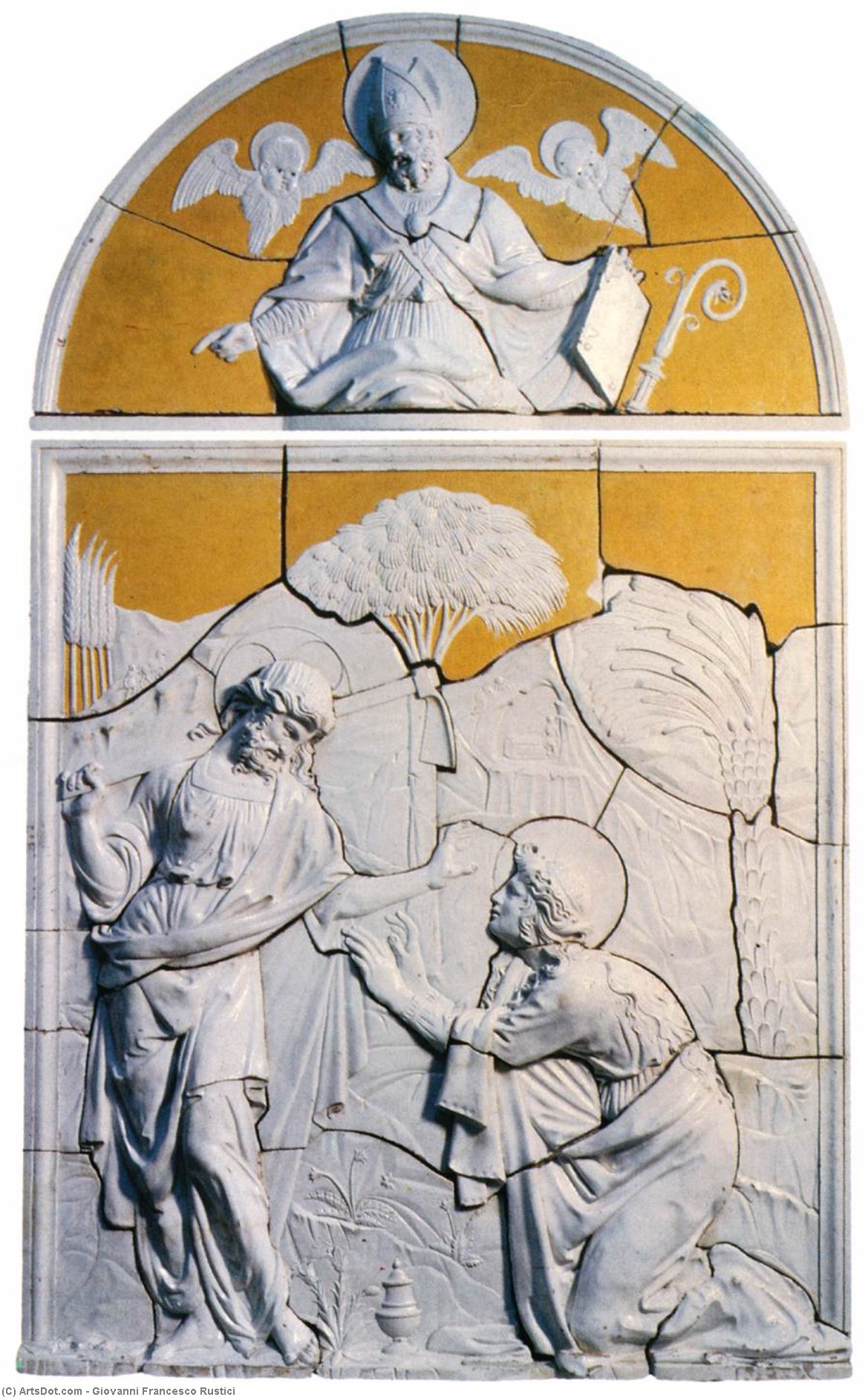
Noli me tangere
 1520
1520 230.0 x 200.0 cm
 Музео Нац. Барджелло
 Читать далее
Жикле / Арт-принт
Печать (жикле) или холст музейного качества с быстрыми сроками изготовления и широким выбором вариантов отделки. ( Купить картину ручной работы Перейти к цифровым изображениям)




































Выберите один из наших стандартных размеров, соответствующих оригинальным пропорциям произведения искусства.

Вы можете указать свои собственные размеры, чтобы репродукция идеально подошла под конкретную раму или пространство. Если выбранный вами размер не будет соответствовать пропорциям оригинала, мы либо обрежем произведение, либо дополним изображение зеркальным отражением краев или однотонной заливкой. Перед началом производства вам будет отправлен цифровой макет для утверждения.
Пожалуйста, обратите внимание, что предварительный просмотр на экране не отображает фактическую обрезку или расширение изображения. Только макет точно покажет финальную композицию.
Несмотря на возможность заказа индивидуальных размеров, мы рекомендуем выбирать размер из предопределенного списка, чтобы сохранить оригинальные пропорции.
Доставка по всему миру () за 2 недели вместо стандартных 4/5 недель. (12 Сентябрь)

Бесплатная экспресс-доставка по всему миру

Высококачественный льняной холст

Полное страхование доставки

Гарантия возмещения таможенных пошлин

Гарантия точного соответствия цветов

100-дневная политика возврата (только при обнаружении дефектов)

Гарантия возврата 100% средств

Предложение оптовых скидок
 Вариант со стеклом доступен только для размеров менее 110 см

Noli me tangere
Жикле / Арт-принт
Размер репродукции
-


Итоговая стоимость
$ 62
Похожие произведения









Биография художника
Michelangelo Buonarroti: A Titan of the Renaissance
Michelangelo, born Michelangelo di Lodovico Buonarroti Simoni on March 6, 1475, in Caprese, Italy, remains one of the most iconic and profoundly influential figures in Western art history. His life spanned nearly nine decades, a period marked by unparalleled artistic achievement across sculpture, painting, architecture, and poetry. While often associated primarily with his monumental works for the Papal States, Michelangelo’s journey was shaped by a complex interplay of ambition, patronage, personal struggles, and an unwavering dedication to mastering the human form – a pursuit that defined his entire career. His legacy continues to inspire awe and debate centuries after his death on February 18, 1564, in Rome.Early Life and Training
The details of Michelangelo’s early life are surprisingly sparse, shrouded in the mists of historical record. Born into a family of Florentine bankers, he was not initially destined for a career in art. His father, Lodovico Buonarroti Simoni, hoped he would follow in his footsteps and become an accountant. However, at the age of 13, Michelangelo entered the workshop of Domenico Ghirlandaio, a prominent Florentine painter, where he began his apprenticeship. This experience provided him with foundational skills in fresco painting and drawing, but it was his innate talent and relentless drive that truly set him apart. Crucially, he also studied sculpture under Bertoldo di Giovanni, a sculptor working for the Medici court, exposing him to classical ideals and techniques. It’s believed he spent time in Rome as well, absorbing the influence of ancient Roman art and architecture – a formative period that would profoundly shape his artistic vision.Sculptural Masterpieces: Embodiment of Human Potential
Michelangelo's genius truly blossomed through sculpture. His early works, such as *Battle of the Centaurs* (1492-93), demonstrated a raw power and dynamism that hinted at his future greatness. However, it was *David* (1501-04) – commissioned for Florence Cathedral – that cemented his reputation as a sculptor of unparalleled skill. This colossal marble statue, depicting the biblical hero David before his battle with Goliath, is a testament to Michelangelo’s mastery of anatomy, proportion, and psychological intensity. The figure's muscularity, youthful energy, and contemplative gaze captured the essence of human potential and courage. Following the tumultuous events of the Florentine Republic, he was commissioned by Pope Julius II to create the *Pieta* (1498-99), a deeply moving marble sculpture depicting Mary cradling the body of Christ. The Pieta’s exquisite detail and emotional resonance are considered among the greatest achievements in Western art. Later, under the patronage of Pope Leo X, he undertook the monumental task of creating the *Statue of Moses* for St. Peter's Basilica, further showcasing his ability to convey profound emotion and spiritual depth through stone.Painting: Frescoes and Panels
While primarily celebrated as a sculptor, Michelangelo was also a gifted painter. His most significant painting commissions came from the Popes, beginning with the *Sistine Chapel Ceiling* (1508-1512). This vast fresco cycle, commissioned by Pope Julius II, is arguably his greatest artistic achievement. The ceiling depicts scenes from Genesis, including the Creation of Adam – an image instantly recognizable and endlessly reproduced – as well as episodes from the Flood and the Deluge. The sheer scale and complexity of the project, combined with Michelangelo’s innovative use of color and dynamic composition, were revolutionary for the time. He also painted *The Last Judgment* (1536-1541) on the altar wall of the Sistine Chapel, a dramatic and emotionally charged depiction of Christ's return. Beyond the Sistine Chapel, he created several panel paintings, including *Doni Tondo* (1504), which showcases his mastery of composition and color.Architectural Contributions and Legacy
Michelangelo’s influence extended beyond sculpture and painting into the realm of architecture. He served as architect for St. Peter's Basilica in Rome, contributing significantly to its design and overseeing many of its construction projects. His designs included the iconic dome, a marvel of engineering and artistic vision. He also designed the Laurentian Library in Florence, a complex and innovative structure that reflects his sculptural sensibilities. Michelangelo’s legacy is immense and multifaceted. He profoundly influenced generations of artists with his emphasis on anatomical accuracy, dramatic composition, and emotional intensity. His works continue to be studied and admired for their technical brilliance, expressive power, and enduring beauty. He remains a symbol of the Renaissance ideal – a man of boundless talent, unwavering ambition, and profound artistic vision.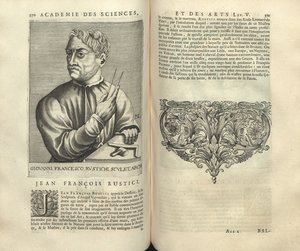
giovanni francesco rustici
1474 - 1554 , Italy
Основные сведения
- Artistic Movement Or Style: High Renaissance
- Artists Or Movements Influenced By This Artist:
- Raphael
- Caravaggio
- Artists Who Influenced This Artist:
- Donatello
- Leonardo da Vinci
- Date Of Birth: March 6, 1475
- Date Of Death: February 18, 1564
- Full Name: Michelangelo di Lodovico Buonarroti Simoni
- Nationality: Italian
- Notable Artworks:
- Pietà
- David
- Giotto's Tomb
- Place Of Birth: Florence, Italy