

 Предпросмотр
 Поделиться
 Поделиться
 Детали произведения

 Скачать
 Похожие работы
 Рентгенография
 Слайд-шоу
 Статистика
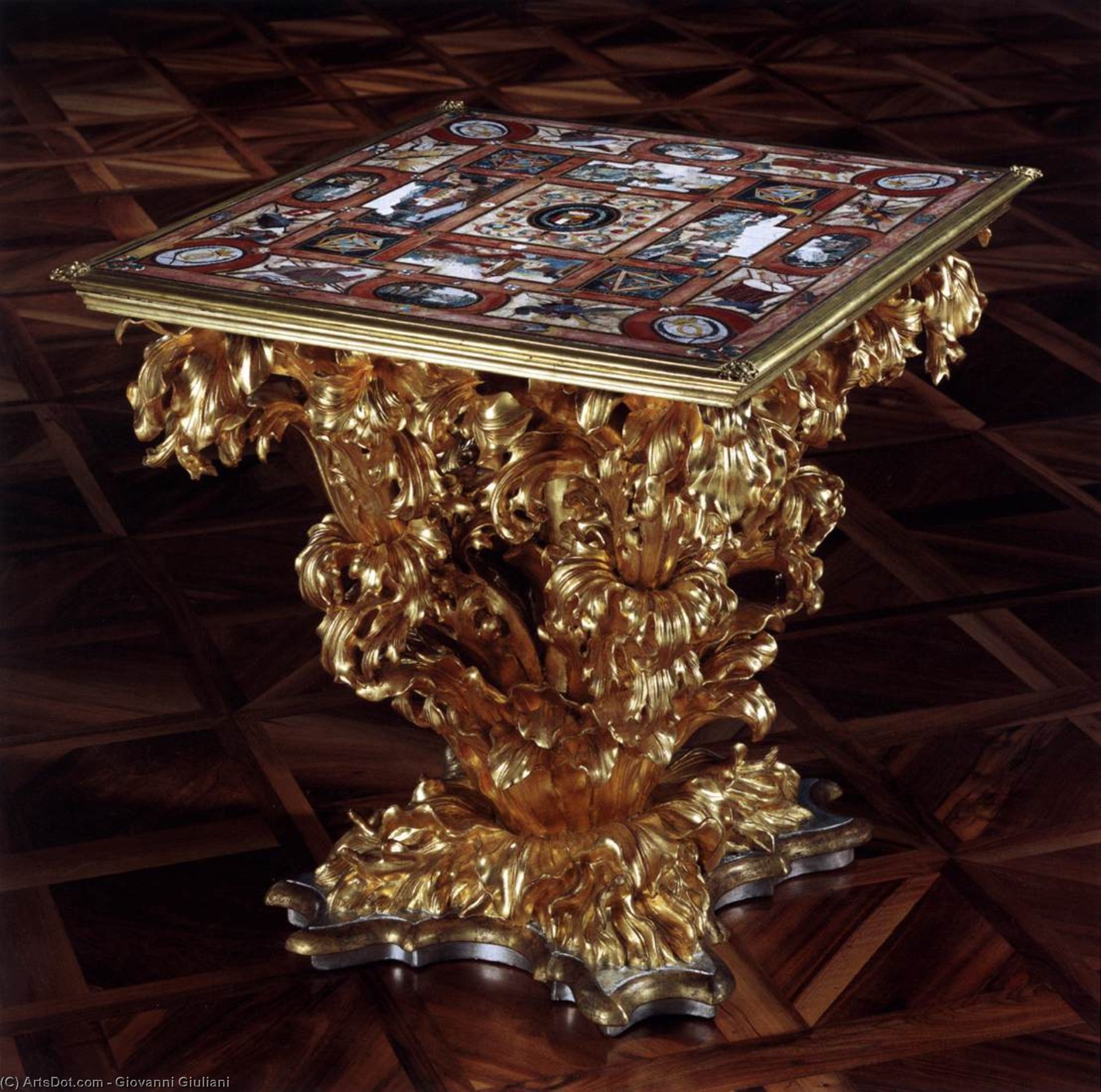
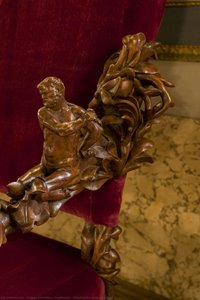
Wooden base for a tabletop
 Baroque
 1711
1711 81.0 x 81.0 cm
 Liechtenstein Museum
 Читать далее
Приобретите цифровое изображение высокого разрешения в улучшенном качестве, которое значительно превосходит онлайн-превью.
Каждый файл тщательно подготавливается нашими специалистами с использованием передовых инструментов и экспертной ручной ретуши. Мы гарантируем исключительную четкость, точную цветопередачу и детальную проработку каждого изображения.
Финальный файл доставляется по электронной почте в течение 72 часов и оптимизирован для немедленного использования в профессиональной среде, при верстке и печати. Это тот же уровень качества, которому доверяют ведущие дизайнерские студии, издательства и галереи.
Цифровое изображение
Скачайте файл высокого разрешения для личного использования, печати и творческих проектов. ( Перейти к печати Купить картину ручной работы)
Включено в каждый заказ цифровых изображений
Гарантия экспертной цифровой доставки
Выбирая ArtsDot.com, вы получаете не просто изображение — вы приобретаете профессионально обработанное цифровое произведение искусства, созданное с безупречной точностью и под защитой гарантии качества. Вот всё, что автоматически входит в ваш заказ:

Мгновенная доставка по e-mail
Ваш цифровой файл в высоком разрешении будет отправлен вам по электронной почте в течение 72 часов после оформления заказа — и сразу станет доступен для использования.

Цифровой файл с ИИ-улучшением
Ваше произведение искусства проходит профессиональную оптимизацию с использованием передовых инструментов ИИ и ручной обработки, что гарантирует максимальную детализацию, четкость и точность цветопередачи.

Бессрочная бесплатная повторная доставка
Случайно удалили или потеряли файл? Не беспокойтесь — мы отправим его вам повторно в любое время и совершенно бесплатно.

Без импортных пошлин — навсегда
Наслаждайтесь вашим произведением искусства мгновенно без таможенных пошлин, сборов или затрат на доставку — цифровые загрузки всегда не облагаются налогом.

Гарантия точности цветопередачи
Мы гарантируем, что ваше цифровое изображение максимально точно передает оригинальные цвета благодаря использованию профессиональных инструментов и систем управления цветом.

Гарантия удовлетворенности 100 дней
Если вы не будете удовлетворены своим цифровым изображением, мы внесем правки или вернем 100% стоимости в течение 100 дней — без лишних вопросов.

100% Гарантия возврата средств
Не удовлетворены покупкой? Получите полный возврат средств в течение 100 дней после получения цифрового файла — без лишних вопросов.

Скидки на оптовые заказы
Купите 3 изображения, сэкономьте 10% — Купите 5, сэкономьте 15% — Купите 10+, сэкономьте 20%. Отличное решение для творческих проектов, галерей и агентств.
A Glimpse into Venetian Opulence: The Tabletop Base by Giovanni Giuliani
This exquisitely crafted wooden base, dating to 1711, offers a captivating window into the lavish world of early 18th-century Venice. Created by the skilled hand of Giovanni Giuliani, a master known for his allegorical and mythological depictions, this piece transcends mere furniture; it is a sculptural statement designed to elevate any space with its dramatic presence. The base’s rich, gold-toned wood immediately evokes a sense of luxury, while the intricate carvings speak to the dedication and artistry prevalent during the Baroque period. It's important to note that this is *only* the base – originally paired with a mosaic or marble tabletop, completing the opulent vision.Baroque Flourishes & Masterful Technique
The style of this tabletop base is firmly rooted in the Baroque aesthetic, transitioning towards the Rococo’s more playful curves. Characterized by its exuberant ornamentation and dynamic forms, the design features swirling motifs, deeply carved details, and a sense of theatricality. Giuliani's technique demonstrates exceptional skill in wood carving and likely gilding – the application of gold leaf to create the luminous surface. The meticulous attention paid to every detail suggests this piece was commissioned for a discerning patron, perhaps a noble family or wealthy merchant seeking to display their status and refined taste. The level of craftsmanship points towards a workshop environment with highly trained artisans.Symbolism & Historical Context
Giovanni Giuliani’s artistic focus often centered around classical mythology and allegorical themes, as evidenced by his other works featuring figures like Hercules and Cleopatra. While the base itself doesn't directly depict these narratives, it was undoubtedly designed to support a tabletop *that* would have carried such imagery. The mosaic or marble surface above would likely have featured scenes from Ovid’s Metamorphoses, classical myths, or allegories representing virtues or philosophical concepts – common decorative motifs in Baroque interiors. Created during the height of Venice's artistic and economic power, this piece reflects a period of great cultural flourishing, where art was integral to daily life and used to project wealth and sophistication.Emotional Resonance & Interior Design
Beyond its historical significance and technical brilliance, this tabletop base possesses an undeniable emotional impact. The sheer scale and intricacy inspire awe and admiration, while the warm gold tones create a sense of inviting grandeur. Imagine this piece as the centerpiece of a dining room or salon, supporting a stunning marble top and becoming a focal point for conversation and artistic appreciation. Its ornate design lends itself beautifully to both traditional and eclectic interiors, adding a touch of Venetian romance and timeless elegance. A reproduction of this base would serve not only as a decorative element but also as a testament to the enduring power of Baroque artistry.Похожие произведения


Биография художника
The Venetian Bridge Between Baroque and the Rising Classical
Giovanni Giuliani (1664-1744) stands as a compelling figure in the late Baroque artistic landscape of Venice and, surprisingly, Vienna. Often overshadowed by his more flamboyant contemporaries, Giuliani’s work represents a subtle yet significant shift—a move away from the overtly dramatic gestures of the earlier Baroque towards a refined elegance that foreshadowed the burgeoning Classical style. His career, spanning nearly eight decades, reveals an artist deeply rooted in Venetian tradition while simultaneously adapting to and influencing the artistic currents of Central Europe. His legacy is not defined by grand, sweeping narratives, but rather by his meticulous execution, his ability to imbue seemingly simple subjects with a quiet dignity, and his crucial role as a transitional figure between two distinct aesthetic periods.
Born into a family marked by both opportunity and hardship—his father a convicted criminal—Giuliani’s early life instilled within him a pragmatic sensibility that informed his artistic practice. He received his initial training in Venice, the undisputed heart of the Baroque, where he likely honed his skills under the primacy of established masters. The Venetian tradition, with its emphasis on rich color, dynamic composition, and theatricality, undoubtedly shaped his early style. However, Giuliani’s career trajectory took an unexpected turn when he relocated to Vienna in 1689. This move proved pivotal, as it placed him within the orbit of the Habsburg court—a center increasingly receptive to the cooler, more restrained aesthetics emerging from Italy.
A Mastery of Form and Material
Giuliani's work during his Viennese period is particularly noteworthy for its versatility and technical sophistication. While he continued to draw upon Venetian influences—particularly in his depictions of religious figures—he adapted them to suit the tastes of the Austrian aristocracy. His talent extended far beyond the canvas, reaching into the realms of sculpture and decorative arts, where he could manipulate various media to achieve a sense of opulent craftsmanship. This versatility is evident in several key areas of his output:
- Sculptural Studies: His bronze studies, such as the refined Hercules Enthroned, serve as masterful examples of how he bridged eras, utilizing classical subject matter to convey a sense of timeless strength and poise.
- Decorative Arts: Giuliani demonstrated an extraordinary ability to integrate art into the very fabric of luxury living. A notable example is his 1711 creation, a wooden base for a tabletop, which utilized intricately gilded wood and mosaic details to showcase the height of Venetian-inspired luxury.
- Allegorical Themes: His repertoire frequently explored mythological and allegorical figures, including iconic characters like Cleopatra and Hercules, imbuing these classical archetypes with a new, more restrained grace.
Historical Significance and Artistic Legacy
The historical importance of Giovanni Giuliani lies in his role as an artistic conduit. By transporting the warmth and richness of Venetian technique to the more formal atmosphere of the Habsburg court, he helped facilitate a stylistic evolution. He did not merely replicate the past; he refined it. His ability to move away from the heavy, often overwhelming drama of the high Baroque toward a more controlled, elegant aesthetic provided a foundation for the Classical movements that would follow.
Through his work in both sculpture and decorative design, Giuliani left an indelible mark on the aesthetic landscape of Central Europe. He remains a vital subject for those studying the transition of European art, representing a moment when the theatricality of the 17th century began to yield to the clarity and order of the 18th. His life's work serves as a testament to the power of adaptation, proving that an artist can remain true to their cultural roots while profoundly shaping the artistic destiny of a new home.

giovanni giuliani
1664 - 1744 , Italy
Основные сведения
- Artistic Movement Or Style: Late Baroque
- Artists Or Movements Influenced By This Artist: ['Georg Raphael Donner']
- Artists Who Influenced This Artist: ['Andreas Faistenberger']
- Date Of Birth: 1664, Venice, Italy
- Date Of Death: 1744, Heiligenkreuz
- Full Name: Giovanni Giuliani
- Nationality: Italian
- Notable Artworks:
- Saint Andrew
- Allegory of the African Continent
- Halbfigur, Holz vollrund geschnitzt
- Place Of Birth: Venice, Italy