

 Предпросмотр
 Поделиться
 Поделиться
 Детали произведения

 Скачать
 Похожие работы
 Рентгенография
 Слайд-шоу
 Статистика
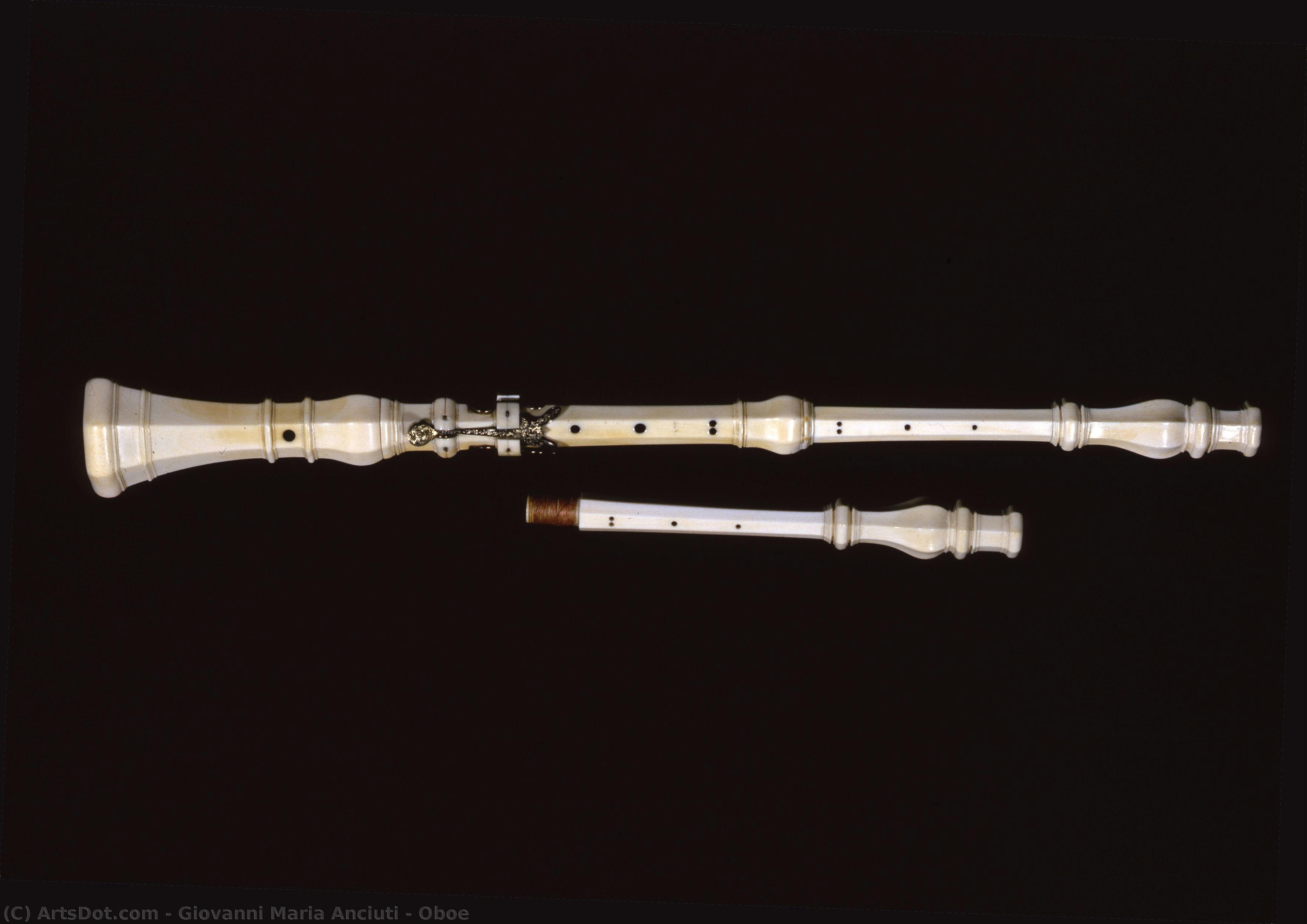
Oboe


 Читать далее
Масляная репродукция ручной работы
Картина маслом на холсте в выбранном вами размере и раме, написанная на заказ нашими художниками. ( Перейти к печати Перейти к цифровым изображениям)




































Выберите один из наших стандартных размеров, соответствующих оригинальным пропорциям произведения искусства.

Вы можете указать собственные размеры, чтобы картина идеально вписалась в выбранную раму или пространство. Если выбранный вами размер не соответствует пропорциям оригинала, мы либо обрежем полотно, либо расширим его за счет дополнительных элементов, написанных вручную. Цифровой макет будет отправлен вам на утверждение перед началом производства.
Обратите внимание, что предварительный просмотр на экране не отражает фактическую обрезку или расширение. Только макет точно покажет окончательную композицию.
Хотя доступны индивидуальные размеры, мы рекомендуем выбирать вариант из предопределенного списка, чтобы сохранить исходные пропорции.
После оформления заказа команда ArtsDot.com свяжется с клиентом по электронной почте для уточнения деталей и предоставит предварительный макет
Доставка по всему миру () за 3–4 недели вместо стандартных 5 недель. (11 Сентябрь). Без компромиссов в качестве.

Бесплатная экспресс-доставка по всему миру

Высококачественный льняной холст

Полное страхование доставки

Гарантия возмещения таможенных пошлин

Гарантия точного соответствия цветов

100-дневная политика возврата (только при обнаружении дефектов)

Гарантия возврата 100% средств

Предложение оптовых скидок
 Вариант со стеклом доступен только для размеров менее 110 см

Oboe
Техника репродукции
Размер репродукции
-


Итоговая стоимость
$ 263
Похожие произведения









Биография художника
The Silent Artisan of Venetian Sound
In the grand, resonant history of Italian musical craftsmanship, certain names echo through the centuries with unmistakable clarity, while others linger like a soft, melodic breath in a darkened concert hall. Giovanni Maria Anciuti belongs to that latter, more mysterious category—a figure whose physical presence has faded into the mists of time, yet whose creative soul remains vibrantly alive through the exquisite instruments he left behind. Born in 1674, likely in the rugged landscapes of Forni di Sopra, Anciuti’s journey was one of profound transformation, moving from the quietude of his origins to the bustling, culturally rich centers of Milan and Venice. He was not merely a maker of objects; he was an architect of sound, a craftsman who understood that the soul of a musical instrument lies in the delicate marriage of organic material and mathematical precision.
His early years were defined by a rigorous apprenticeship in Milan, a city then vibrating with the stylistic shifts of the late Baroque era. It was here that Anciuti began to master the language of wood and metal, absorbing the secrets of the era’s most esteemed masters. This period of intense training instilled in him a reverence for tradition, yet it also planted the seeds of innovation. He learned to listen to the grain of maple and the density of ebony, recognizing that every piece of timber held a latent voice waiting to be liberated. As he moved toward Venice, his artistry reached its zenith. In the Venetian Republic, a period marked by unparalleled musical patronage, Anciuti emerged as a premier specialist in the construction of the oboe, creating instruments that were as much works of visual art as they were tools for performance.
Mastery of Form and Material
To hold an instrument crafted by Anciuti is to experience a masterclass in Baroque elegance. His technique was characterized by an almost obsessive attention to detail, a hallmark of the Venetian school that sought perfection in every curve and bore. He did not settle for the ordinary; his workshop utilized the finest seasoned maple, often painstakingly carved and shaped with gouges and planes to achieve perfectly octagonal sections that enhanced both the aesthetic beauty and the acoustic resonance of the wood. In some of his most extraordinary creations, he integrated precious materials such as ivory and gilded silver, transforming a functional wind instrument into a jewel-like object of immense value.
Beyond mere ornamentation, Anciuti was a pioneer of technical functionality. One of his most significant contributions to the evolution of woodwind design was his early implementation of the pièce de rechange—a replaceable component designed to allow the player to alter the instrument’s pitch. This ingenious solution, documented as early as 1722, predated widespread adoption in the mid-18th century and demonstrates his forward-thinking approach to the challenges faced by musicians of his time. His work represents a bridge between the experimental spirit of the early Baroque and the refined standardization that would follow, ensuring that his instruments were capable of meeting the increasing demands of complex orchestral repertoires.
A Lasting Resonance
Though the biographical details of Giovanni Maria Anciuti’s later life remain elusive—with records suggesting he worked in Milan around 1720 and left a legacy that persists through his stamped works bearing the Venetian lion—his historical significance is undeniable. He did not merely create tools for musicians; he provided the very medium through which the musical language of the Baroque was spoken. His instruments, many of which are preserved in prestigious collections such as the Victoria and Albert Museum, continue to serve as the primary blueprints for modern makers of period-accurate historical instruments.
The legacy of Anciuti is found today in the breath of every musician playing a reconstructed Baroque oboe or recorder. His influence transcends the physical wood and silver he once shaped; it lives on in the continued pursuit of tonal purity and the enduring belief that an instrument should be an embodiment of artistic vision. As we listen to the haunting, pastoral melodies of the 18th century, we are, in a very real sense, listening to the enduring heartbeat of Giovanni Maria Anciuti, the silent artisan whose craftsmanship continues to shape the landscape of musical history.
giovanni maria anciuti
1674 - , Italy
Основные сведения
- Artistic Movement Or Style: Instrument Maker
- Date Of Birth: 1674
- Full Name: Giovanni Maria Anciuti
- Nationality: Italian
- Notable Artworks: ['Oboe']
- Place Of Birth: Forno d'Altomonte, Italy