


 Предпросмотр
 Поделиться
 Поделиться
 Детали произведения

 Скачать
 Похожие работы
 Рентгенография
 Слайд-шоу
 Статистика
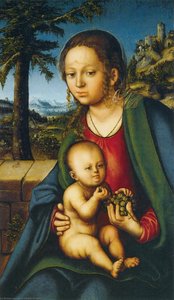
Madonna of the Cherries

 Читать далее
Жикле / Арт-принт
Печать (жикле) или холст музейного качества с быстрыми сроками изготовления и широким выбором вариантов отделки. ( Купить картину ручной работы Перейти к цифровым изображениям)




































Выберите один из наших стандартных размеров, соответствующих оригинальным пропорциям произведения искусства.

Вы можете указать свои собственные размеры, чтобы репродукция идеально подошла под конкретную раму или пространство. Если выбранный вами размер не будет соответствовать пропорциям оригинала, мы либо обрежем произведение, либо дополним изображение зеркальным отражением краев или однотонной заливкой. Перед началом производства вам будет отправлен цифровой макет для утверждения.
Пожалуйста, обратите внимание, что предварительный просмотр на экране не отображает фактическую обрезку или расширение изображения. Только макет точно покажет финальную композицию.
Несмотря на возможность заказа индивидуальных размеров, мы рекомендуем выбирать размер из предопределенного списка, чтобы сохранить оригинальные пропорции.
Доставка по всему миру () за 2 недели вместо стандартных 4/5 недель. (16 Сентябрь)

Бесплатная экспресс-доставка по всему миру

Высококачественный льняной холст

Полное страхование доставки

Гарантия возмещения таможенных пошлин

Гарантия точного соответствия цветов

100-дневная политика возврата (только при обнаружении дефектов)

Гарантия возврата 100% средств

Предложение оптовых скидок
 Вариант со стеклом доступен только для размеров менее 110 см

Madonna of the Cherries
Жикле / Арт-принт
Размер репродукции
-


Итоговая стоимость
$ 62
Похожие произведения





Биография художника
Giampietrino: A Shadow of Leonardo, a Voice of the Lombard Renaissance
Giovanni Pietro Rizzoli, more commonly known as Giampietrino – a name whispered through centuries of art history – remains one of the most intriguing and debated figures of the late 15th and early 16th centuries. He wasn’t a household name during his lifetime, nor does he possess the immediate recognizability of Leonardo da Vinci or Michelangelo. Instead, Giampietrino exists as a subtle echo within the Florentine circle, a diligent student who absorbed the master's techniques and, crucially, transformed them into something uniquely his own. His legacy isn’t one of groundbreaking innovation but rather of faithful imitation elevated to an art form – a testament to the power of observation and skillful execution.
Born likely around 1495 in Lombardy, Giampietrino's early life remains shrouded in mystery. He emerged onto the artistic scene primarily through his association with Leonardo da Vinci in Milan, a period that profoundly shaped his style and approach. While the exact nature of their relationship is debated – was he a mere studio assistant, or did he enjoy a more intimate mentorship? – it’s undeniable that Giampietrino spent considerable time observing Leonardo at work, meticulously studying his methods, color palettes, and compositional strategies. Early documents suggest he may have even worked on some of Leonardo's unfinished projects, adding details and refining elements before the master’s departure for Florence.
The Madonna and Myth: A Palette of Influence
Giampietrino’s oeuvre is characterized by a remarkable consistency in subject matter. He primarily focused on depictions of the Virgin Mary with the Child, alongside scenes from classical mythology – Diana the Huntress, Lucrezia, Cleopatra, and Sophonisba being among his most celebrated subjects. These works aren't radical departures from established iconography; rather, they represent a careful distillation of Leonardo’s aesthetic principles. His Madonnas, for instance, share a similar serene quality to those painted by Leonardo, with soft gazes, delicate drapery folds, and an emphasis on the maternal bond. Similarly, his mythological scenes echo Leonardo's interest in human anatomy and idealized beauty.
However, Giampietrino wasn’t simply a copyist. He possessed a distinct sensibility that subtly altered Leonardo’s influence. His use of color is particularly noteworthy – he favored paler, more ethereal tones than Leonardo often employed, creating a sense of luminous delicacy. His compositions are generally less complex and more tightly controlled than those of his master, reflecting a preference for clarity and elegance. The most striking example of this can be seen in works like “Diana the Huntress,” where Giampietrino’s interpretation of the goddess is both reverent to Leonardo's original sketches and imbued with a quiet grace that sets it apart.
A Network of Copies and Collaborations
The sheer volume of paintings attributed to Giampietrino – over fifty works have been identified, scattered across museums and private collections throughout Europe – speaks to his prolific output. Crucially, many of these works are copies or reworkings of Leonardo’s sketches and compositions. He didn't create entirely original images; instead, he meticulously translated Leonardo’s ideas into paint, often producing multiple versions of the same subject. This practice highlights Giampietrino’s role as a conduit for Leonardo’s artistic vocabulary, disseminating his style to a wider audience.
Furthermore, Giampietrino's work demonstrates a significant network of collaboration and influence. Artists like Giulio Cesare Procaccini and Daniele Crespi, who followed in the wake of Leonardo’s later style, were undoubtedly influenced by Giampietrino’s interpretations. The stylistic similarities between their paintings – particularly in the depiction of female figures and the use of pale flesh tones – suggest a direct line of transmission from Giampietrino to these subsequent generations of artists.
Legacy and Historical Significance
Giampietrino's historical significance lies not in his individual genius, but rather in his role as a crucial link between Leonardo da Vinci and the artistic landscape of the late 15th and early 16th centuries. He represents a fascinating case study in artistic apprenticeship and stylistic assimilation. He was a diligent student who mastered Leonardo’s techniques and transformed them into something uniquely his own, creating a body of work that continues to captivate art historians today.
Despite the ongoing debate surrounding his identity – with Giovanni Pedrini and Pietro Rizzo also being proposed as possible candidates – Giampietrino remains a compelling figure in the history of Renaissance painting. His paintings serve as a poignant reminder of the complex dynamics within Leonardo’s studio, and the ways in which artistic ideas could be disseminated and transformed through collaboration and imitation. His legacy is not one of invention, but of faithful execution, subtle adaptation, and an enduring connection to the genius of Leonardo da Vinci.
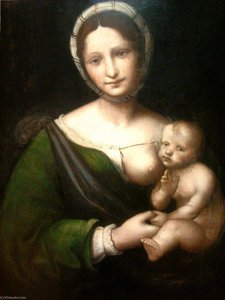
giovanni pietro rizzoli
1495 - 1549
Основные сведения
- Artistic Movement Or Style: Leonardo's circle
- Artists Or Movements Influenced By This Artist: ['Bernardino Luini']
- Artists Who Influenced This Artist: ['Leonardo da Vinci']
- Date Of Birth: 1495
- Date Of Death: 1549
- Full Name: Giovanni Pietro Rizzoli
- Nationality: Italian
- Notable Artworks:
- Madonna with Child
- St. Mary Magdalene
- Diana the Huntress
- Place Of Birth: Milan, Lombardy