

 Предпросмотр
 Поделиться
 Поделиться
 Детали произведения

 Скачать
 Похожие работы
 Рентгенография
 Слайд-шоу
 Статистика
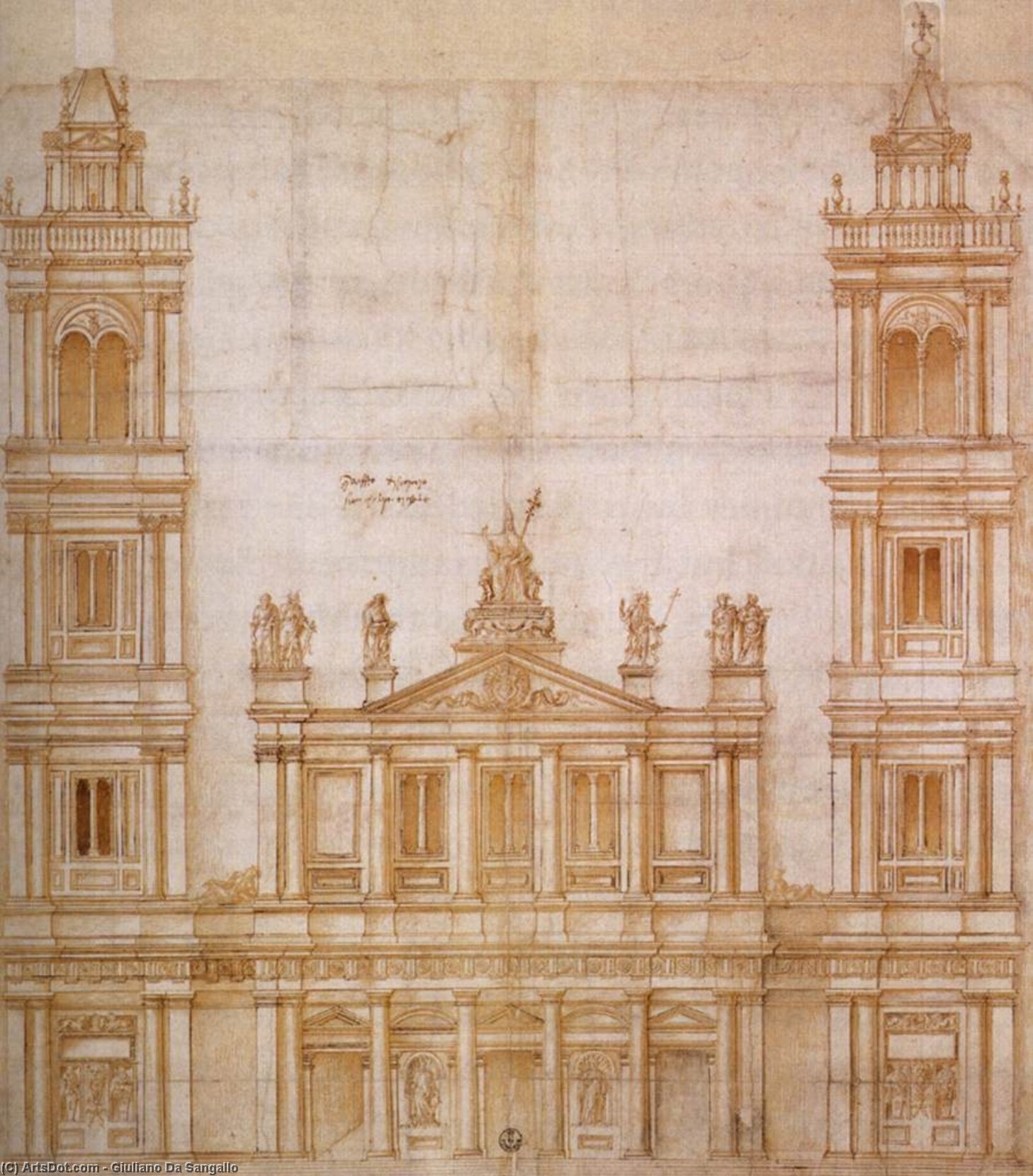
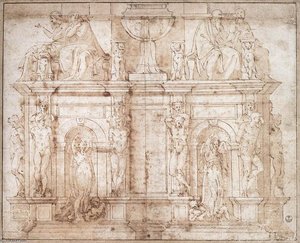
Design for the façade of San Lorenzo, Florence
 Acrylic On Canvas
- WallArt
- Renaissance Architecture
 1516
1516 581.0 x 645.0 cm
 Галерея Уффици
 Читать далее
Приобретите цифровое изображение высокого разрешения в улучшенном качестве, которое значительно превосходит онлайн-превью.
Каждый файл тщательно подготавливается нашими специалистами с использованием передовых инструментов и экспертной ручной ретуши. Мы гарантируем исключительную четкость, точную цветопередачу и детальную проработку каждого изображения.
Финальный файл доставляется по электронной почте в течение 72 часов и оптимизирован для немедленного использования в профессиональной среде, при верстке и печати. Это тот же уровень качества, которому доверяют ведущие дизайнерские студии, издательства и галереи.
Цифровое изображение
Скачайте файл высокого разрешения для личного использования, печати и творческих проектов. ( Перейти к печати Купить картину ручной работы)
Включено в каждый заказ цифровых изображений
Гарантия экспертной цифровой доставки
Выбирая ArtsDot.com, вы получаете не просто изображение — вы приобретаете профессионально обработанное цифровое произведение искусства, созданное с безупречной точностью и под защитой гарантии качества. Вот всё, что автоматически входит в ваш заказ:

Мгновенная доставка по e-mail
Ваш цифровой файл в высоком разрешении будет отправлен вам по электронной почте в течение 72 часов после оформления заказа — и сразу станет доступен для использования.

Цифровой файл с ИИ-улучшением
Ваше произведение искусства проходит профессиональную оптимизацию с использованием передовых инструментов ИИ и ручной обработки, что гарантирует максимальную детализацию, четкость и точность цветопередачи.

Бессрочная бесплатная повторная доставка
Случайно удалили или потеряли файл? Не беспокойтесь — мы отправим его вам повторно в любое время и совершенно бесплатно.

Без импортных пошлин — навсегда
Наслаждайтесь вашим произведением искусства мгновенно без таможенных пошлин, сборов или затрат на доставку — цифровые загрузки всегда не облагаются налогом.

Гарантия точности цветопередачи
Мы гарантируем, что ваше цифровое изображение максимально точно передает оригинальные цвета благодаря использованию профессиональных инструментов и систем управления цветом.

Гарантия удовлетворенности 100 дней
Если вы не будете удовлетворены своим цифровым изображением, мы внесем правки или вернем 100% стоимости в течение 100 дней — без лишних вопросов.

100% Гарантия возврата средств
Не удовлетворены покупкой? Получите полный возврат средств в течение 100 дней после получения цифрового файла — без лишних вопросов.

Скидки на оптовые заказы
Купите 3 изображения, сэкономьте 10% — Купите 5, сэкономьте 15% — Купите 10+, сэкономьте 20%. Отличное решение для творческих проектов, галерей и агентств.
Design for the Façade of San Lorenzo, Florence
Giuliano da Sangallo’s Design for the Façade of San Lorenzo stands as a testament to Renaissance architectural ambition and humanist ideals—a project born from the patronage of Lorenzo de' Medici and destined to reshape the spiritual heart of Florence. Completed in 1516, just before his untimely demise, this monumental undertaking represents more than merely a building; it embodies Sangallo’s profound understanding of classical principles and his unwavering commitment to elevating art as a vehicle for conveying beauty and grandeur. The commission itself arrived at a pivotal moment in Florentine history—the High Renaissance was blossoming under Lorenzo's watchful eye, fueled by renewed interest in Greco-Roman aesthetics and philosophical thought. Sangallo, deeply influenced by the teachings of Leon Battista Alberti and Filippo Brunelleschi, responded to this intellectual fervor with an audacious vision: a façade that would honor Saint Lawrence’s basilica while simultaneously asserting Florence’s prestige as a center of artistic innovation. The resulting design eschewed ornate embellishments favored by earlier Gothic styles, opting instead for a restrained elegance rooted in geometric precision and harmonious proportions—a deliberate departure from the prevailing trends of its time. Sangallo meticulously studied the existing basilica, analyzing its structural integrity and incorporating innovative engineering solutions to achieve stability and grandeur. He envisioned two towering towers flanking the central archway, mirroring the monumental scale of Roman temples and symbolizing divine authority. These towers were constructed with meticulous attention to detail, utilizing brickwork techniques honed by generations of Florentine artisans—a testament to the enduring legacy of Roman building traditions. Furthermore, Sangallo skillfully employed Corinthian columns adorned with elaborate capitals, reflecting the classical fascination for symmetry and ornamentation. The arches themselves were meticulously crafted, demonstrating Brunelleschi’s mastery of perspective and creating an illusion of depth that captivated viewers. Beyond its structural brilliance, the façade's design carries significant symbolic weight. Saint Lawrence’s basilica had been ravaged by fire in 1472, prompting a rebuilding effort driven by piety and artistic aspiration. Sangallo sought to recapture the spirit of this transformative event—to reaffirm Florence’s faith and commemorate the saint’s martyrdom through architectural grandeur. The statues adorning the façade served as visual reminders of Christian virtues—representing Saint Lawrence himself alongside figures embodying compassion and righteousness. Ghirlandaio's stained glass windows, commissioned for the basilica, bathed the interior in vibrant hues, symbolizing divine illumination and conveying a profound sense of spiritual contemplation. The enduring impact of Sangallo’s Design for the Façade of San Lorenzo extends far beyond its architectural merits. It serves as an exemplar of Renaissance artistic excellence—a celebration of human intellect and creativity that continues to inspire artists and designers today. Reproductions of this masterpiece offer collectors a glimpse into the splendor of Florence during its golden age, transporting viewers back to a time when art was considered inseparable from civic pride and spiritual devotion. Its harmonious proportions and masterful execution stand as a timeless reminder of the transformative power of beauty—a legacy that resonates powerfully across centuries.Похожие произведения

Биография художника
The Architect of Renaissance Florence
Giuliano da Sangallo stands as a monumental figure in the Italian Renaissance, an architect whose vision shaped the cultural landscape of Florence and beyond. More than just a builder, he was a craftsman steeped in classical ideals, mentored by luminaries like Leon Battista Alberti and Filippo Brunelleschi. His legacy resides not only in the grandeur of his structures but also in the transmission of artistic knowledge across generations, profoundly influencing masters such as Raphael and Leonardo da Vinci. Born around 1445 in Florence, Giuliano’s formative years were marked by a privileged upbringing thanks to his father, Francesco Giamberti, a skilled woodworker and architect who served under Cosimo de' Medici. This familial connection provided invaluable access to artistic patronage and fostered a lifelong partnership with Lorenzo de' Medici—a relationship that would define Sangallo’s career trajectory.
Like many aspiring artisans of the era, Giuliano began his apprenticeship as a joiner, honing foundational skills in construction and craftsmanship. Crucially, he embraced the humanist ideals championed by Alberti and Brunelleschi, immersing himself in the study of ancient texts and architectural precedents. His ascent to prominence began with Cosimo de' Medici’s commission for a fortified villa—a project that showcased his burgeoning talent for defensive architecture and solidified his reputation as a formidable engineer. This initial undertaking established a crucial bond with Lorenzo the Magnificent, who would become his most enduring patron. Recognizing Sangallo’s versatility, Lorenzo entrusted him with ambitious projects extending beyond fortifications, allowing the architect to weave classical elegance into the very fabric of Florentine urbanism.
Mastery of Form and Classical Influence
The work of Giuliano da Sangallo is characterized by a seamless blend of strength and grace, a hallmark of the High Renaissance style. His designs often sought to revive the mathematical harmony and proportion found in Roman antiquity, yet they remained deeply rooted in the local traditions of Tuscany. One of his most celebrated contributions is the Design for the façade of San Lorenzo in Florence. Commissioned by Lorenzo de' Medici, this project exemplifies the architect's ability to create spaces that are both spiritually uplifting and structurally profound. This basilica, which features the vibrant stained glass windows of Ghirlandaio, stands as a testament to Sangallo’s influence on artistic innovation and his ability to coordinate diverse artistic talents toward a singular, harmonious vision.
Beyond religious structures, Sangallo's mastery extended to the creation of villas and churches that defined the era's aesthetic. His work on Santa Maria delle Carceri remains a pinnacle of his architectural achievement, showcasing a sophisticated use of geometry and classical motifs. The architect's ability to balance the rugged requirements of military engineering with the delicate beauty of residential design allowed him to navigate the complex needs of the Medici court. His influence was not merely structural but also deeply personal; through his brother Antonio da Sangallo the elder and his sons, Antonio and Francesco, the architectural language he helped pioneer continued to evolve and dominate the European landscape for decades.
A Lasting Legacy in Stone and Spirit
The historical significance of Giuliano da Sangallo lies in his role as a bridge between the early innovations of Brunelleschi and the refined classicism of the later Renaissance. He was a pivotal figure who helped translate the intellectual theories of humanism into tangible, enduring monuments. His life's work represents a period where architecture ceased to be merely functional and became an expressive medium for political power, religious devotion, and philosophical inquiry.
To reflect on his impact, one might consider these key pillars of his career:
- The Medici Connection: His role as the preferred architect for Lorenzo the Magnificent, which allowed him to shape the physical identity of the Medici era.
- Architectural Synthesis: The successful integration of Alberti's theoretical classical principles with the practical engineering traditions of Florence.
- Generational Influence: The establishment of a family dynasty of architects that carried his stylistic DNA into the 16th century.
- Urban Transformation: His contribution to the development of both fortified defensive structures and elegant, light-filled religious and residential spaces.
Though he passed away in 1516, the stones of Florence continue to speak his name. Every time a viewer gazes upon the balanced proportions of a Renaissance facade or feels the rhythmic harmony of a classical courtyard, they are experiencing the enduring spirit of Giuliano da Sangallo.
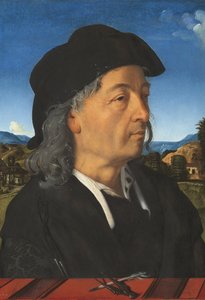
Giuliano da Sangallo
1443 - 1516 , Italy
Основные сведения
- Artistic Movement Or Style: Renaissance
- Artists Or Movements Influenced By This Artist:
- Raphael
- Leonardo da Vinci
- Artists Who Influenced This Artist:
- Leon Battista Alberti
- Filippo Brunelleschi
- Date Of Birth: c. 1445
- Date Of Death: 1516
- Full Name: Giuliano Giamberti da Sangallo
- Nationality: Italian
- Notable Artworks:
- Villa Medici
- Santa Maria delle Carceri
- Ruins of the Ancient Roman Theater of Marcellus
- Place Of Birth: Florence, Italy