

 Предпросмотр
 Поделиться
 Поделиться
 Детали произведения

 Скачать
 Похожие работы
 Рентгенография
 Слайд-шоу
 Статистика
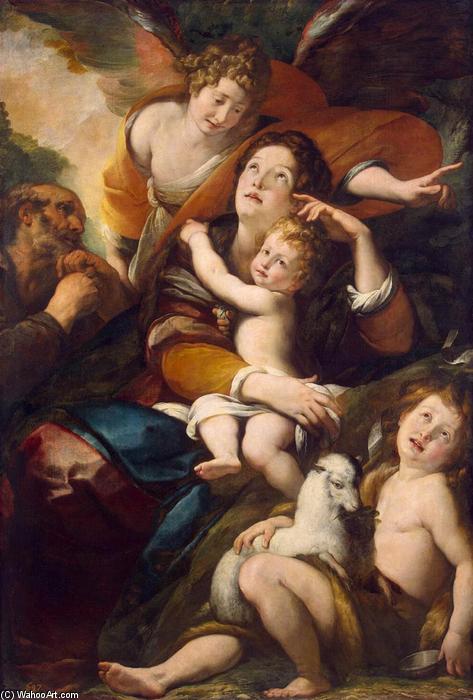
Holy Family with John the Baptist and an Angel
 Oil On Canvas
- WallArt
- Baroque
 1620
1620 157.0 x 108.0 cm
 Эрмитаж
 Читать далее
Приобретите цифровое изображение высокого разрешения в улучшенном качестве, которое значительно превосходит онлайн-превью.
Каждый файл тщательно подготавливается нашими специалистами с использованием передовых инструментов и экспертной ручной ретуши. Мы гарантируем исключительную четкость, точную цветопередачу и детальную проработку каждого изображения.
Финальный файл доставляется по электронной почте в течение 72 часов и оптимизирован для немедленного использования в профессиональной среде, при верстке и печати. Это тот же уровень качества, которому доверяют ведущие дизайнерские студии, издательства и галереи.
Цифровое изображение
Скачайте файл высокого разрешения для личного использования, печати и творческих проектов. ( Перейти к печати Купить картину ручной работы)
Включено в каждый заказ цифровых изображений
Гарантия экспертной цифровой доставки
Выбирая ArtsDot.com, вы получаете не просто изображение — вы приобретаете профессионально обработанное цифровое произведение искусства, созданное с безупречной точностью и под защитой гарантии качества. Вот всё, что автоматически входит в ваш заказ:

Мгновенная доставка по e-mail
Ваш цифровой файл в высоком разрешении будет отправлен вам по электронной почте в течение 72 часов после оформления заказа — и сразу станет доступен для использования.

Цифровой файл с ИИ-улучшением
Ваше произведение искусства проходит профессиональную оптимизацию с использованием передовых инструментов ИИ и ручной обработки, что гарантирует максимальную детализацию, четкость и точность цветопередачи.

Бессрочная бесплатная повторная доставка
Случайно удалили или потеряли файл? Не беспокойтесь — мы отправим его вам повторно в любое время и совершенно бесплатно.

Без импортных пошлин — навсегда
Наслаждайтесь вашим произведением искусства мгновенно без таможенных пошлин, сборов или затрат на доставку — цифровые загрузки всегда не облагаются налогом.

Гарантия точности цветопередачи
Мы гарантируем, что ваше цифровое изображение максимально точно передает оригинальные цвета благодаря использованию профессиональных инструментов и систем управления цветом.

Гарантия удовлетворенности 100 дней
Если вы не будете удовлетворены своим цифровым изображением, мы внесем правки или вернем 100% стоимости в течение 100 дней — без лишних вопросов.

100% Гарантия возврата средств
Не удовлетворены покупкой? Получите полный возврат средств в течение 100 дней после получения цифрового файла — без лишних вопросов.

Скидки на оптовые заказы
Купите 3 изображения, сэкономьте 10% — Купите 5, сэкономьте 15% — Купите 10+, сэкономьте 20%. Отличное решение для творческих проектов, галерей и агентств.
A Baroque Embrace: Giulio Cesare Procaccini’s “Holy Family with John the Baptist and an Angel”
Giulio Cesare Procaccini's "Holy Family with John the Baptist and an Angel," painted around 1620, isn’t merely a depiction of a biblical scene; it’s a carefully orchestrated tableau of faith, familial love, and divine grace rendered in the dramatic intensity characteristic of early Baroque art. This oil painting, currently residing within the walls of the Hermitage Museum in St. Petersburg, offers a profound glimpse into the artistic sensibilities of a pivotal figure in Milanese art history – Procaccini himself. The work immediately captivates with its dynamic composition and rich palette, transporting the viewer to a moment of serene contemplation amidst a landscape imbued with both earthly solidity and spiritual significance.
A Story Told Through Form and Light
The scene unfolds within a rugged, rocky terrain—a deliberate choice that grounds the narrative in a sense of humble reality. At the heart of this composition stands the Holy Family: Mary, Joseph, and the infant Jesus, presented as a radiant pyramid of piety. The figures are arranged with an almost theatrical precision, their gestures and expressions conveying a complex interplay of emotions – tenderness, reverence, and a quiet joy. Procaccini masterfully employs light to draw attention to key elements; strong highlights illuminate Mary’s face, emphasizing her maternal grace, while the infant Jesus is bathed in a soft glow, symbolizing his divine nature. The use of chiaroscuro—the dramatic contrast between light and shadow—is particularly effective in creating depth and volume, lending a palpable sense of three-dimensionality to the scene.
The Symbolism of a Sacred Narrative
Beyond its technical brilliance, “Holy Family” is rich with symbolic meaning. The presence of John the Baptist, depicted as a young boy pointing towards the infant Jesus, immediately establishes a lineage of prophecy and divine recognition. This gesture underscores the central theme of salvation—the fulfillment of ancient prophecies through the birth of Christ. The angel flanking the family isn’t simply an observer; it embodies a protective force, a messenger of God's grace. The inclusion of this angelic figure elevates the scene to a realm beyond earthly concerns, suggesting a profound connection between humanity and the divine. The setting itself—the rocky landscape—can be interpreted as representing the challenges and trials faced by the Holy Family, while their presence within it symbolizes faith’s ability to endure even in adversity.
Procaccini's Milanese Legacy: Technique and Influence
Giulio Cesare Procaccini was a key figure in the artistic development of early Baroque Milan, deeply influenced by the Venetian masters like Titian and Veronese. His style is characterized by a dramatic use of color, dynamic compositions, and an emphasis on emotional expression—traits that would become hallmarks of the era. Procaccini’s technique involved meticulous layering of oil paints, creating luminous effects through glazing – a process where thin layers of translucent paint are applied over previous ones to build up depth and richness. The brushwork is remarkably detailed, particularly in the rendering of drapery and textures, yet retains a sense of fluidity and movement. His work reflects his training under Ercole Procaccini the Elder, a Mannerist painter, demonstrating a skillful synthesis of stylistic influences. Further research reveals that this particular piece was initially thought to be from his early period, but recent analysis suggests it was painted in Siena around 1535, showcasing a remarkable consistency in his artistic vision across different locations and time periods.
For those seeking a captivating addition to their collection or an exquisite reproduction for their home, Procaccini’s “Holy Family” offers a timeless testament to the power of art to evoke profound emotions and illuminate the enduring mysteries of faith.
Похожие произведения



Биография художника
The Master of Milanese Drama: The Life and Legacy of Giulio Cesare Procaccini
Giulio Cesare Procaccini stands as a pivotal figure in the burgeoning artistic landscape of early Baroque Milan, marking a decisive transition from Mannerist formalism to the expressive dynamism that would define an era. Born in Bologna in 1574, he descended from a lineage steeped in profound artistic tradition; his father, Ercole Procaccini the Elder, was himself a notable Mannerist painter. This heritage profoundly shaped his formative years, instilling within him an appreciation for nuanced stylistic complexities and a technical rigor that would later allow him to masterfully blend grace with grandeur. Around 1585, spurred by the influential patronage of Pierro Visconti, the family relocated to Milan, establishing a crucial connection with one of Italy’s wealthiest art collectors and fostering an environment ripe for the artistic experimentation that would become Procaccini's hallmark.
The artist's creative journey began not with the brush, but with the chisel. His early training was rooted in sculptural endeavors, primarily focused on the sacred spaces of the Milanese Duomo and Santa Maria presso San Celso. This tactile foundation in sculpture left an indelible mark on his later paintings, manifesting in a unique sense of volume, weight, and anatomical presence. However, he eventually transitioned to painting, recognizing its unparalleled capacity for conveying intense emotion and celestial light. During this period of development, Procaccini moved within the highest intellectual circles of Milan, associating with luminaries such as Giovanni Battista Crespi, known as Il Cerano, and Pier Francesco Mazzucchelli, or Il Morazzone. Under the spiritual and material guidance of Cardinal Federico Borromeo, Procaccini's creative output was propelled toward greatness, allowing him to capture the very spirit of the Counter-Reformation.
A Symphony of Light and Devotion
Procaccini’s mature style is a breathtaking synthesis of various European influences, most notably the vibrant colorism of the Venetian school and the sweeping, energetic compositions of Peter Paul Rubens. His works are characterized by a dramatic use of chiaroscuro, where deep shadows dance against luminous highlights to create a sense of theatrical movement. In masterpieces such as The Annunciation, one can witness this Baroque drama firsthand, as vibrant colors and swirling drapery evoke a profound sense of divine intervention. His ability to manipulate light allowed him to breathe life into religious narratives, transforming static icons into living, breathing moments of spiritual ecstasy.
His technical prowess is perhaps most evident in his large-scale religious commissions, which served both as artistic triumphs and instruments of faith. Notable examples include:
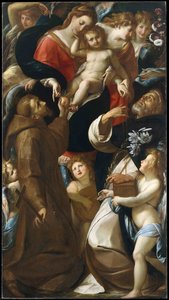
- Madonna and Child with Sts Francis and Dominic and Angels: A monumental oil on canvas commissioned for the church of Madonna dei Miracoli in Corbetta, where he masterfully blends Mannerist elegance with a new, surging Baroque energy.
- The Six Quadroni: Perhaps his most celebrated achievement, these large canvases depicting Saint Charles Borromeo were commissioned for the Basilica della Santissima Annunziata del Vastato in Genoa, showcasing his ability to handle epic, monumental scale.
- St Sebastian Tended by Angels: A work that highlights his delicate touch and his ability to weave together themes of suffering and divine tenderness through fluid, rhythmic compositions.
Historical Significance and Artistic Triumph
The historical significance of Giulio Cesare Procaccini lies in his role as a bridge between two worlds. He took the sophisticated, often artificial elegance of the Mannerist period and infused it with a new, visceral humanity that resonated with the religious fervor of 17th-century Italy. His work does not merely depict a scene; it invites the viewer into a sensory experience of the divine. Through his mastery of color, light, and movement, he helped establish Milan as a major center of Baroque excellence, leaving behind a legacy of altarpieces and frescoes that continue to captivate the modern imagination with their profound emotional depth and technical brilliance.
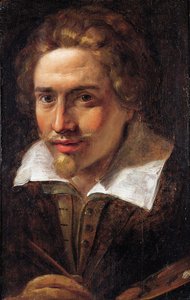
Giulio Cesare Procaccini
1574 - 1625 , Italy
Основные сведения
- Artistic Movement Or Style: Baroque
- Artists Or Movements Influenced By This Artist: ['Rubens']
- Artists Who Influenced This Artist: ['Ercole Procaccini']
- Date Of Birth: 1574 Bologna, Italy
- Date Of Death: 1625 Milan, Italy
- Full Name: Giulio Cesare Procaccini
- Nationality: Italian
- Notable Artworks:
- St Sebastian Tended by Angels
- Holy Family with John the Baptist and an Angel
- Circumcision
- Last Supper
- Scourging of Christ
- Ecce Homo
- Place Of Birth: Bologna