

 Предпросмотр
 Поделиться
 Поделиться
 Детали произведения

 Скачать
 Похожие работы
 Рентгенография
 Слайд-шоу
 Статистика
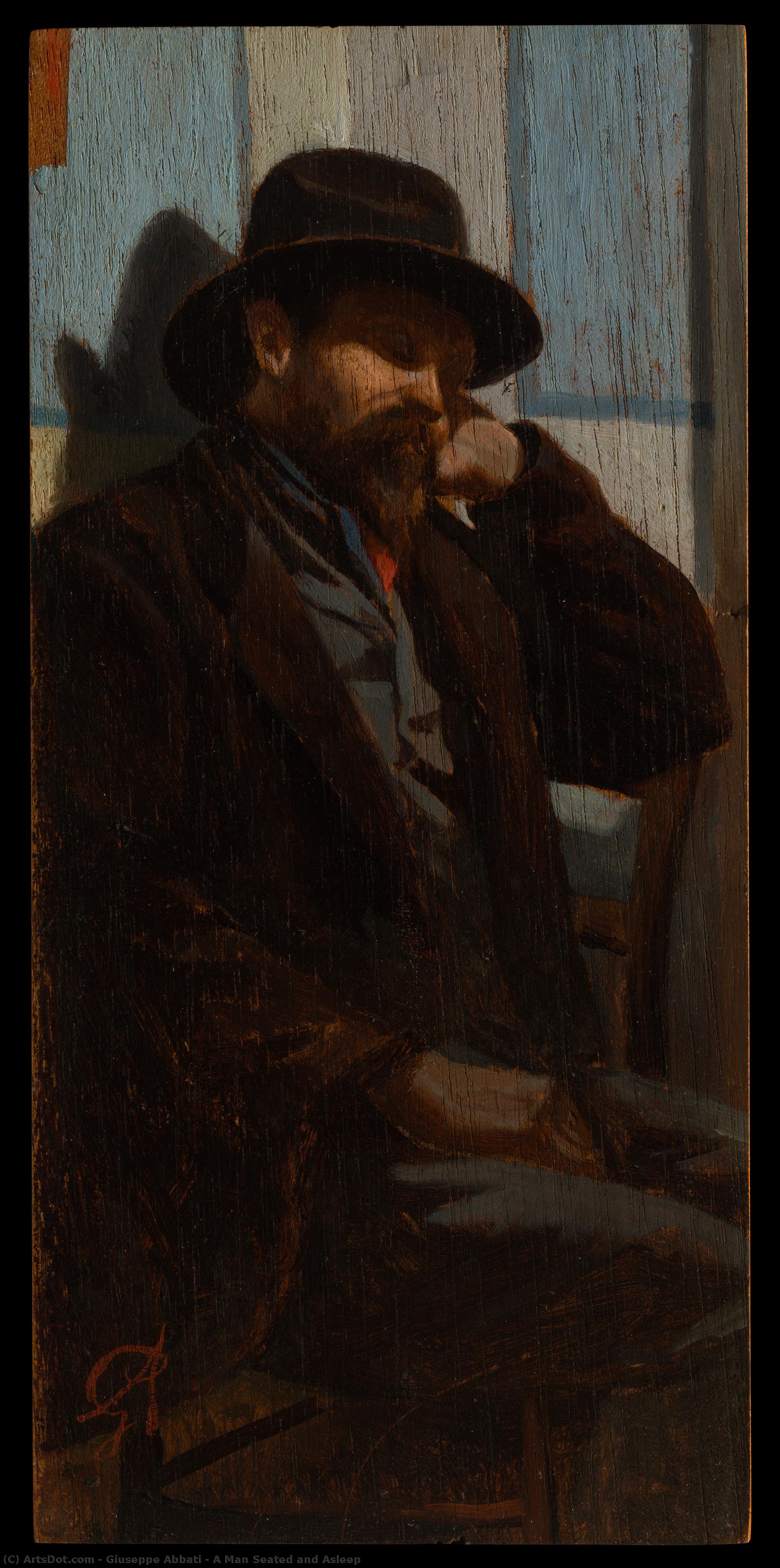
A Man Seated and Asleep
 Oil On Panel
- WallArt
- Contemporary Realism
 1865
1865- 19th Century
 26.0 x 12.0 cm
 Музей Метрополитен
 Читать далее
Масляная репродукция ручной работы
Картина маслом на холсте в выбранном вами размере и раме, написанная на заказ нашими художниками. ( Перейти к печати Перейти к цифровым изображениям)




P118B $10

P118H $10

P118W $10

P438Z $10

P508JH $12

P508YH $12

P805H $10

P805Z $10

P919BZ $10

P919G $10

P919XJ $10

P959ZH $10

P968JZ $12

W106C $8

W218G $10

W218JH $8

W218Y $10

W307PJ $10

W316G $10

W316PJ $8

W316Y $10

W398PJ $8

W4111J $10

W500HY $15

W500JH $15

W692G $12

W849H $8

W940BG $15

W953PJ $8




Выберите один из наших стандартных размеров, соответствующих оригинальным пропорциям произведения искусства.

Вы можете указать собственные размеры, чтобы картина идеально вписалась в выбранную раму или пространство. Если выбранный вами размер не соответствует пропорциям оригинала, мы либо обрежем полотно, либо расширим его за счет дополнительных элементов, написанных вручную. Цифровой макет будет отправлен вам на утверждение перед началом производства.
Обратите внимание, что предварительный просмотр на экране не отражает фактическую обрезку или расширение. Только макет точно покажет окончательную композицию.
Хотя доступны индивидуальные размеры, мы рекомендуем выбирать вариант из предопределенного списка, чтобы сохранить исходные пропорции.
После оформления заказа команда ArtsDot.com свяжется с клиентом по электронной почте для уточнения деталей и предоставит предварительный макет
Доставка по всему миру () за 3–4 недели вместо стандартных 5 недель. (11 Сентябрь). Без компромиссов в качестве.

Бесплатная экспресс-доставка по всему миру

Высококачественный льняной холст

Полное страхование доставки

Гарантия возмещения таможенных пошлин

Гарантия точного соответствия цветов

100-дневная политика возврата (только при обнаружении дефектов)

Гарантия возврата 100% средств

Предложение оптовых скидок
 Вариант со стеклом доступен только для размеров менее 110 см

A Man Seated and Asleep
Техника репродукции
Размер репродукции
-


Итоговая стоимость
$ 263
A Moment Suspended in Time: The Soul of Giuseppe Abbati
In the quietude of 1865, Giuseppe Abbati captured more than just a figure in repose; he bottled a fleeting fragment of human existence. "A Man Seated and Asleep" serves as a profound window into the heart of the Macchiaioli movement, an Italian avant-garde that sought to strip away the artifice of academic tradition in favor of raw, unadorned truth. The painting presents us with a solitary figure, his head resting heavily upon his hand, lost in the deep, rhythmic pull of slumber. There is an intimate vulnerability in his posture, a sense of complete surrender to exhaustion that resonates with anyone who has ever sought refuge in a moment of stillness amidst a chaotic world. As the viewer gazes upon this sleeping man, the boundaries between the observer and the observed begin to blur, inviting a shared experience of peace and introspection.
The composition is masterfully anchored by the weight of the subject, whose seated form dominates the lower foreground, creating a sense of grounded stability. Behind him, the subtle presence of other figures—one standing, one sitting—adds a layer of narrative depth, suggesting a communal space, perhaps a tavern or a quiet corner of a workshop, where life continues in its slow, unhurried cadence. The backdrop of a deep blue wall provides a cool, atmospheric contrast to the warmth of the man's skin and the textured elements of his clothing, lending the scene a structural elegance that prevents the composition from feeling stagnant. This interplay of light and shadow is not merely a technical feat but the very heartbeat of the work.
The Mastery of the Macchia: Technique and Texture
To understand this masterpiece, one must understand the concept of macchia—the "spot" or "stain." Abbati, a leading exponent of this technique, rejected the polished, invisible brushwork of his predecessors. Instead, he employed bold, deliberate patches of color and light to build form. In "A Man Seated and Asleep," the texture is palpable; the paint itself seems to vibrate with the energy of the Tuscan landscape and the grit of everyday life. By juxtaposing sun-drenched passages against pools of profound shadow, Abbati creates a sense of three-dimensionality that feels remarkably modern. This approach mirrors the burgeoning innovations of French Impressionism, yet it retains a uniquely Italian character—a rugged, honest realism that finds beauty in the humble and the overlooked.
The technical execution is particularly striking in how it handles light. The way the illumination catches the edge of the man's hat and the subtle folds of his shirt creates a tactile sensation, as if one could reach out and feel the grain of the wood panel or the heavy fabric of his attire. For the collector or interior designer, this painting offers an extraordinary sensory experience. It is a work that does not merely sit upon a wall; it commands the atmosphere of a room, bringing with it a sense of historical weight and a sophisticated, textured elegance that complements both classical and contemporary settings.
A Legacy of Light and Emotion
Beyond its technical brilliance, the painting carries a heavy emotional resonance, shaped by the turbulent era of the Risorgimento. Having lived through the violence of Italian unification and suffered personal physical loss during the Battle of Capua, Abbati possessed an acute sensitivity to the fragility of life. This piece, therefore, acts as a silent protest against the noise of history, celebrating the sanctity of the private moment. It is a tribute to the quiet dignity found in rest, a reminder that even amidst political and social upheaval, there remains a profound beauty in the simple act of breathing, dreaming, and being.
For those looking to adorn their spaces with art that tells a story, this reproduction offers an unparalleled opportunity. It is more than a decorative element; it is an invitation to slow down. Whether placed in a sunlit study or a moody, dimly lit library, "A Man Seated and Asleep" serves as a focal point for contemplation, bringing the soulful, textured legacy of the Macchiaioli into the modern home. It is a piece that inspires not just admiration for its historical significance, but a deep, emotional connection to the universal human experience.
Похожие произведения

Биография художника
Giuseppe Abbati: Life and Legacy
Early Life and Training
Giuseppe Abbati was born in Naples, Italy, on January 13, 1836. He received his initial artistic training from his father, Vincenzo Abbati, who specialized in paintings of architectural interiors. This early influence is evident in Giuseppe’s first works, which also focused on interior scenes.
Military Service and the Macchiaioli
Abbati's life took a dramatic turn when he participated in Garibaldi’s 1860 campaign for Italian unification. During the Battle of Capua, he tragically lost his right eye. Following this experience, he moved to Florence, a pivotal moment that shaped his artistic trajectory. In Florence, at the famed Caffè Michelangiolo, he connected with key figures who would become known as the Macchiaioli – Giovanni Fattori, Silvestro Lega, and others.
Artistic Development and Style
Initially recognized for his interior views—for which he even received a medal at the National Exposition in Florence in 1861 (which he refused as protest against the jury)—Abbati soon embraced plein air painting, influenced by his new circle of artists. His style became characterized by a bold treatment of light and shadow, focusing on capturing luminous effects in landscapes. He often depicted scenes viewed through doorways or windows, creating a sense of depth and atmosphere.
Key Characteristics of Abbati’s Work
- Bold Light Effects: A defining feature of his paintings.
- Plein Air Painting: Embracing the practice of painting outdoors to capture natural light.
- Horizontal Formats: Many of his landscapes, like “View of Castiglioncello,” are elongated horizontally, a common preference among the Macchiaioli.
- Dramatic Contrasts: Juxtaposing luminous outdoor scenes with darkened interiors.
Later Life and Untimely Death
Abbati’s artistic pursuits were again interrupted in 1866 when he enlisted in the army for the Third Independence War. He was captured by Austrian forces in Croatia before returning to civilian life at the end of the year. He spent his final year painting in the countryside near Castelnuovo della Misericordia. Tragically, Abbati died on February 21, 1868, in Florence, after being bitten by his own dog and contracting rabies.
Influences and Historical Significance
Abbati was significantly influenced by the ideals of the Macchiaioli movement, which sought to break away from academic traditions and embrace a more realistic depiction of Italian life. He contributed to the Risorgimento artistic expression through his depictions of landscapes and everyday scenes. While his career was cut short, Abbati’s work remains important for its innovative use of light, its connection to the Macchiaioli aesthetic, and its reflection of a pivotal period in Italian history.
Notable Works
- “View from the Wine Cellar of Diego Martelli” (1866)
- “Landscape at Castiglioncello” (1867)
- “Cloister” (1861)
- “Gallery with Armor Bearer” (1864)
Giuseppe Abbati
1836 - 1868 , Italy
Основные сведения
- Birth Date: 1836-01-13
- Birth Place: Naples, Italy
- Death Date: 1868-02-21
- Movement: Macchiaioli
- Name: Giuseppe Abbati
- Nationality: Italian
- Notable Works:
- View from the Wine Cellar of Diego Martelli
- Landscape at Castiglioncello
- Cloister
- Gallery with Armor Bearer
Похожие статьи
За пределами света и цвета: Импрессионизм против постимпрессионизма для взыскательного коллекционера
Углубленное исследование импрессионизма и постимпрессионизма для ценителей искусства. Анализ ключевых художников, инвестиционный потенциал и коллекционная ценность шедевров.
Federico Zandomeneghi: Bridging Venetian Tradition & Parisian Impressionism
Discover Federico Zandomeneghi (1841-1917), a captivating Italian Impressionist bridging Venetian tradition and Parisian modernity. Explore his intimate scenes, unique style & legacy with ArtsDot.
Топ-10 шедевров импрессионизма: искусство мгновения для вашего интерьера
Погрузитесь в мир импрессионизма! Откройте для себя 10 шедевров Моне, Ренуара и других великих мастеров. Узнайте историю создания культовых картин и вдохновитесь для декора интерьера. Репродукции музейного качества на ArtsDot.com.
25 Шедевров Уффици: Путешествие в Сердце Ренессанса | ArtsDot
Погрузитесь в мир Ренессанса с 25 шедеврами галереи Уффици! От Боттичелли до Леонардо да Винчи – истории, техники и вдохновение для вашего интерьера. Купите репродукции картин высочайшего качества на ArtsDot.com.
Giovanni Fattori: Realism, Identity & the Tuscan Landscape – A Macchiaioli Master
Explore the life & art of Giovanni Fattori, a leading figure of the Macchiaioli movement. Discover his revolutionary realism, captivating Tuscan landscapes, and lasting impact on Italian painting. Learn more at ArtsDot.