

 Предпросмотр
 Поделиться
 Поделиться
 Детали произведения

 Скачать
 Похожие работы
 Рентгенография
 Слайд-шоу
 Статистика
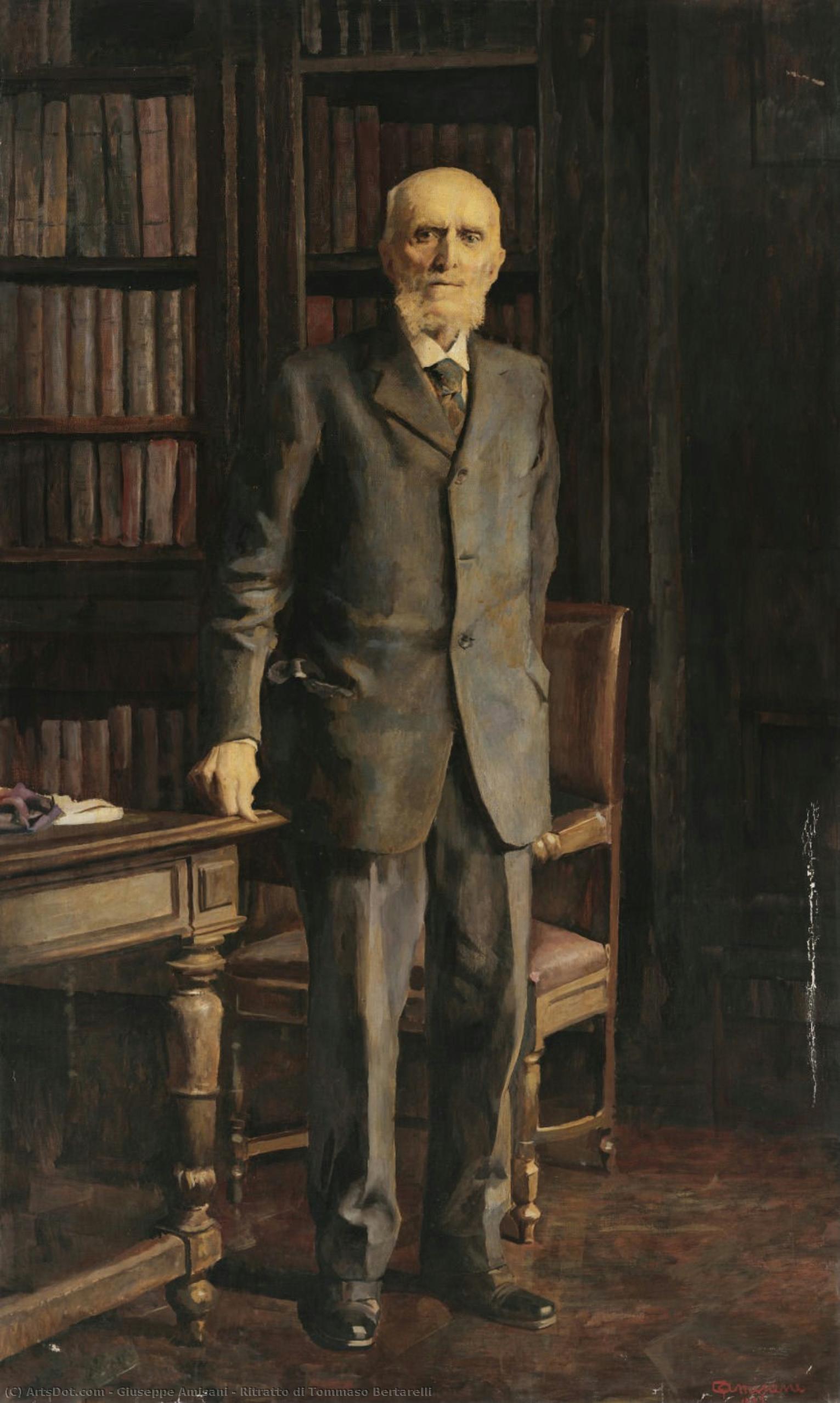
Ritratto di Tommaso Bertarelli
 Oil On Canvas
- WallArt
- Contemporary Realism
 1924
1924- Modern
 201.0 x 121.0 cm
 Ca’ Granda – Ospedale Maggiore Policlinico
 Читать далее
Жикле / Арт-принт
Печать (жикле) или холст музейного качества с быстрыми сроками изготовления и широким выбором вариантов отделки. ( Купить картину ручной работы Перейти к цифровым изображениям)




P118B $10

P118H $10

P118W $10

P438Z $10

P508JH $12

P508YH $12

P805H $10

P805Z $10

P919BZ $10

P919G $10

P919XJ $10

P959ZH $10

P968JZ $12

W106C $8

W218G $10

W218JH $8

W218Y $10

W307PJ $10

W316G $10

W316PJ $8

W316Y $10

W398PJ $8

W4111J $10

W500HY $15

W500JH $15

W692G $12

W849H $8

W940BG $15

W953PJ $8




Выберите один из наших стандартных размеров, соответствующих оригинальным пропорциям произведения искусства.

Вы можете указать свои собственные размеры, чтобы репродукция идеально подошла под конкретную раму или пространство. Если выбранный вами размер не будет соответствовать пропорциям оригинала, мы либо обрежем произведение, либо дополним изображение зеркальным отражением краев или однотонной заливкой. Перед началом производства вам будет отправлен цифровой макет для утверждения.
Пожалуйста, обратите внимание, что предварительный просмотр на экране не отображает фактическую обрезку или расширение изображения. Только макет точно покажет финальную композицию.
Несмотря на возможность заказа индивидуальных размеров, мы рекомендуем выбирать размер из предопределенного списка, чтобы сохранить оригинальные пропорции.
Доставка по всему миру () за 2 недели вместо стандартных 4/5 недель. (11 Сентябрь)

Бесплатная экспресс-доставка по всему миру

Высококачественный льняной холст

Полное страхование доставки

Гарантия возмещения таможенных пошлин

Гарантия точного соответствия цветов

100-дневная политика возврата (только при обнаружении дефектов)

Гарантия возврата 100% средств

Предложение оптовых скидок
 Вариант со стеклом доступен только для размеров менее 110 см

Ritratto di Tommaso Bertarelli
Жикле / Арт-принт
Размер репродукции
-


Итоговая стоимость
$ 62
A Glimpse into the Intellectual Soul
In the quiet, dignified presence of Ritratto di Tommaso Bertarelli, we encounter more than just a mere likeness; we enter a private sanctuary of thought and heritage. Painted in 1924 by the Italian master Giuseppe Amisani, this evocative portrait captures a man poised at the intersection of professional gravity and intellectual curiosity. Standing before an expansive, densely packed bookshelf, the subject is framed not merely by wood and paper, but by the weight of accumulated knowledge. The composition draws the eye toward the center, where the gentleman’s steady gaze—directed slightly away from the viewer—suggests a mind deeply engaged with ideas beyond the immediate frame. It is a painting that invites the observer to pause, much like the subject himself, and contemplate the profound depths of the human intellect.
The atmosphere of the work is one of refined stillness, characteristic of the Belle Époque's lingering elegance. The bookshelf, acting as a complex tapestry of shadows and spines, provides a rich, textured backdrop that lends an incredible sense of depth to the canvas. Each book, placed with varying degrees of precision, contributes to a rhythmic complexity that prevents the background from feeling static. This interplay between the structured rows of literature and the organic presence of the man creates a sophisticated tension, making the piece an ideal focal point for those who appreciate art that speaks to the importance of legacy, study, and the quiet dignity of a life dedicated to learning.
Mastery of Light and Italian Tradition
Giuseppe Amisani, a product of the prestigious Accademia di Brera in Milan, brings a technical virtuosity to this piece that is rooted in the finest traditions of Italian portraiture. Having studied under masters like Cesare Tallone, Amisani possessed an unparalleled ability to manipulate light to define form and character. In Ritratto di Tommaso Bertarelli, one can observe his masterful use of chiaroscuro; the soft light falling upon the subject's face and suit serves to pull him forward from the darker, more recessed tones of the library. The brushwork is deliberate yet fluid, capturing the tactile quality of the fabric in his suit and the weathered texture of the book bindings with remarkable sensitivity.
For the discerning collector or interior designer, this painting offers a profound emotional resonance. It carries an air of timelessness that transcends its 1924 origins, making it a versatile addition to a variety of sophisticated environments. Whether placed in a private study, a grand library, or a contemporary living space, the artwork acts as an anchor of sophistication. A high-quality reproduction of this piece allows one to bring the scholarly prestige and the warm, nostalgic glow of early 20th-century Italy into the modern home, serving as a constant reminder of the enduring beauty found in the pursuit of wisdom and the elegance of a life well-lived.
Похожие произведения





Биография художника
A Forgotten Master of the Belle Époque: The Life and Art of Giuseppe Amisani
Giuseppe Amisani, a name largely absent from mainstream art historical narratives until recently, was a prominent figure during Italy’s vibrant Belle Époque. Born on December 7, 1881, in Mede di Lomellina, near Pavia, Lombardy, he emerged as a celebrated portraitist whose canvases captured the elegance and status of his era’s elite. The town itself would later honor its native son by renaming Piazza Mercato to Piazza Giuseppe Amisani—a testament to the esteem in which he was once held. His journey began with an initial attempt at technical studies in Pavia, but a failed drawing course redirected him toward more artistic pursuits. He found his true calling within the hallowed halls of the Accademia di Brera in Milan, where he honed his skills under the tutelage of Cesare Tallone and Vespasiano Bignami. This formal training laid the foundation for a career defined by refined technique and an astute understanding of human character. Amisani’s artistic path was marked by both initial setbacks and remarkable breakthroughs. After enrolling at Pavia University, he encountered difficulties with his drawing studies—a challenge that spurred him to pursue alternative avenues of artistic expression. Recognizing his innate talent, he transferred to the Accademia di Brera in Milan, where he benefited from the mentorship of Cesare Tallone and Vespasiano Bignami, absorbing their stylistic influences and mastering the techniques of classical painting. This formative period instilled in him a dedication to meticulous observation and realistic representation—principles that would permeate his entire oeuvre.Rising Acclaim and International Horizons
His talent quickly garnered recognition, culminating in a triumphant victory in 1908 with the prestigious Mylius prize for *L'eroe* (“The Hero”). This early success solidified his reputation as a gifted painter among Milan’s artistic circles. Shortly thereafter, in 1911 or 1912, he secured the Fumagalli prize for figure-painting with his striking portrait of Lyda Borelli—a commission that cemented his position as one of Italy’s most sought-after portraitists. His style during this period was characterized by its freshness and elegance, an ability to capture not just likeness but also the essence of his subjects. However, Amisani's ambitions extended far beyond Italy’s borders. Driven by a desire for intellectual enrichment and artistic inspiration, he embarked on extensive travels that profoundly shaped his artistic vision. Years spent in Argentina and Brazil exposed him to new cultures and landscapes—experiences that broadened his perspective and infused his work with a cosmopolitan sensibility. Visits to England, France, North Africa, and the United States further expanded his horizons, fostering connections with artists and patrons from across Europe. These journeys weren’t merely sightseeing expeditions; they became integral to his artistic identity, influencing both subject matter and technique.A Portraitist of Kings and Commoners
Amisani's oeuvre is dominated by portraiture—a genre that reflected the tastes and expectations of his clientele. He possessed an extraordinary ability to portray individuals from diverse backgrounds—from prominent industrialists like Michele Bernocchi and Davide Lanfranconi, to figures of artistic renown such as Lyda Borelli whose portrait now resides in São Paulo Museum of Art. His masterpiece *La Teletta* stands proudly within the Galleria d'Arte Moderna in Milan—a testament to his skill in capturing both physical appearance and psychological depth. In 1924, he received a royal commission to decorate Ras al-Tin, the palace of Fuad I of Egypt—a prestigious honor that underscored his international acclaim and artistic prowess. Beyond portraiture, Amisani also explored landscape painting—inspired by his travels—creating evocative scenes of the Italian Alps, Rhodes, and Tunisia. His participation in exhibitions like the twelfth Esposizione Internazionale d'Arte della Città di Venezia (the Biennale di Venezia) alongside shows in London and Florence further cemented his place within the European art world.Rediscovery and Legacy
Despite achieving considerable success during his lifetime, Amisani’s work fell into relative obscurity after his death on September 8, 1941, in Portofino. His name vanished from major art historical references—a regrettable consequence of a time when artistic merit was often overshadowed by shifting tastes and historical currents. However, a retrospective exhibition held at the Castello Sforzesco in Vigevano in 2008 sparked renewed interest in his art—bringing his paintings back into public view after decades of neglect. This rediscovery revealed an artist deeply rooted in the Italian Renaissance tradition—influenced by masters like Michelangelo and Raphael—in his meticulous attention to detail and realistic depiction of the human form—yet uniquely attuned to the elegance and opulence of the Belle Époque. Giuseppe Amisani’s story serves as a poignant reminder that true talent ultimately endures, ensuring that his legacy continues to inspire admiration for generations to come.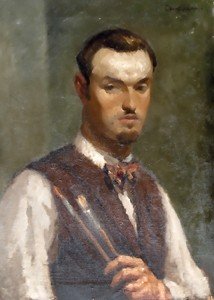
Джузеппе Амисани
1881 - 1941 , Италия
Основные сведения
- Artistic Movement Or Style: Бель Эпока живопись
- Artists Who Influenced This Artist:
- Микеланджело
- Рафаэль
- Date Of Birth: 7 декабря 1881 г.
- Date Of Death: 8 сентября 1941 г.
- Full Name: Giuseppe Amisani
- Nationality: Итальянский
- Notable Artworks:
- Л'Эроэ
- Ла Телетта
- Портрет Лиды Борелли
- Place Of Birth (City And Country): Меди, Италия
Похожие статьи

FAQ: Индивидуальные фоны – Искусство на заказ для взыскательных коллекционеров
предлагает эксклюзивные услуги по созданию картин на заказ для взыскательных коллекционеров. Репродукции, персонализация, оценка и гарантия качества. Превратите свои идеи в произведения искусства!
Леонардо да Винчи: Топ-25 шедевров для ценителей искусства и роскошного интерьера
Погрузитесь в мир гения Леонардо да Винчи! 25 шедевров эпохи Возрождения, истории создания картин и техники великого мастера. Репродукции высокого качества для вашего интерьера на ArtsDot.com. Откройте всю коллекцию онлайн!

The Intimate Gaze: Study & Intellectual Pursuit in Western Art
Explore the fascinating history of study and intellectual pursuit in Western art! Discover Renaissance scholars, iconic portraits like Holbein's Erasmus, and Leonardo’s studies – a journey through humanist ideals & artistic mastery. Learn more at ArtsDot.

Жорж Брак: 25 шедевров кубизма для ценителей искусства и интерьера
Откройте для себя 25 шедевров Жоржа Брака – пионера кубизма! Узнайте историю создания культовых картин, технику и влияние французского художника на искусство XX века. Репродукции высокого качества для вашего интерьера на ArtsDot.com.

25 Шедевров MoMA: Искусство, Меняющее Пространство | ArtsDot.com
Погрузитесь в мир MoMA! 25 шедевров Ван Гога, Пикассо, Уорхола и других гениев. История искусства, техники живописи и вдохновение для вашего интерьера. Купите репродукции картин высокого качества на ArtsDot.com!