

 Предпросмотр
 Поделиться
 Поделиться
 Детали произведения

 Скачать
 Похожие работы
 Рентгенография
 Слайд-шоу
 Статистика
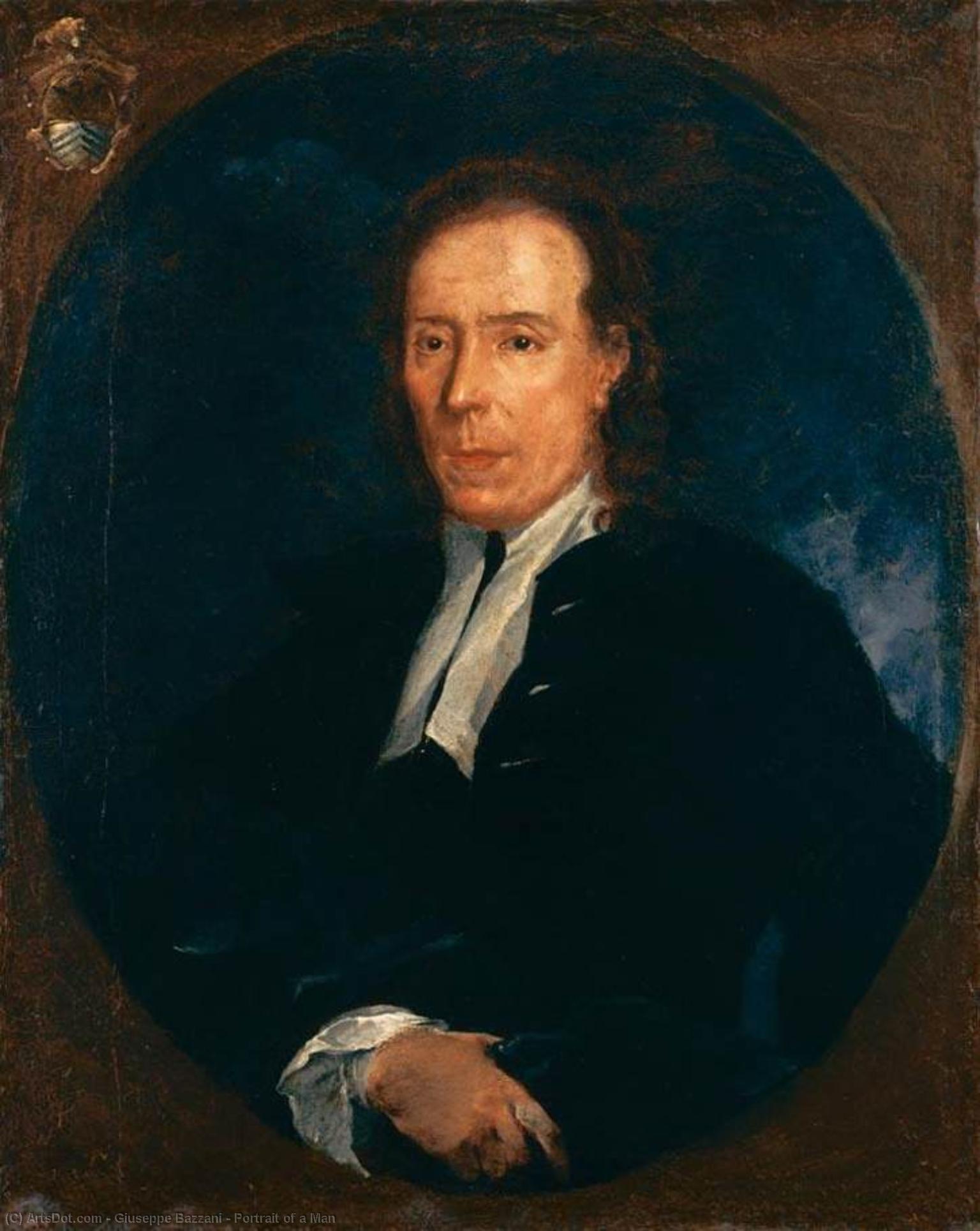
Portrait of a Man
 1730
1730 93.0 x 74.0 cm
 Читать далее
Масляная репродукция ручной работы
Картина маслом на холсте в выбранном вами размере и раме, написанная на заказ нашими художниками. ( Перейти к печати Перейти к цифровым изображениям)




































Выберите один из наших стандартных размеров, соответствующих оригинальным пропорциям произведения искусства.

Вы можете указать собственные размеры, чтобы картина идеально вписалась в выбранную раму или пространство. Если выбранный вами размер не соответствует пропорциям оригинала, мы либо обрежем полотно, либо расширим его за счет дополнительных элементов, написанных вручную. Цифровой макет будет отправлен вам на утверждение перед началом производства.
Обратите внимание, что предварительный просмотр на экране не отражает фактическую обрезку или расширение. Только макет точно покажет окончательную композицию.
Хотя доступны индивидуальные размеры, мы рекомендуем выбирать вариант из предопределенного списка, чтобы сохранить исходные пропорции.
После оформления заказа команда ArtsDot.com свяжется с клиентом по электронной почте для уточнения деталей и предоставит предварительный макет
Доставка по всему миру () за 3–4 недели вместо стандартных 5 недель. (11 Сентябрь). Без компромиссов в качестве.

Бесплатная экспресс-доставка по всему миру

Высококачественный льняной холст

Полное страхование доставки

Гарантия возмещения таможенных пошлин

Гарантия точного соответствия цветов

100-дневная политика возврата (только при обнаружении дефектов)

Гарантия возврата 100% средств

Предложение оптовых скидок
 Вариант со стеклом доступен только для размеров менее 110 см

Portrait of a Man
Техника репродукции
Размер репродукции
-


Итоговая стоимость
$ 263
Artistic Style and Technique
The painting features a man in profile, facing to his left, with a formal attire that suggests a high social status. The use of chiaroscuro creates a sense of depth and volume, drawing the viewer's attention to the subject's face and shoulders. The artist's attention to detail is evident in the rendering of the man's facial features, hair, and clothing.Historical Context and Similar Works
The Portrait of a Man can be compared to other works by renowned artists such as Diego Velazquez, who also created portraits that showcased their subjects' character and emotion. For example, Velazquez's San Juan en Patmos is a notable example of Baroque art, featuring a similar use of light and color. You can find more information about this painting on ArtsDot.com.- The Macdonald Stewart Art Center in Ontario, United States, is home to a variety of artworks from different periods and styles, including paintings by famous artists.
- You can also explore other works by Cornelis Jacobsz Delff on ArtsDot.com.
The Portrait of a Man by Giuseppe Bazzani is a remarkable example of Baroque art, showcasing the artist's skill and attention to detail. With its stunning use of light and color, this painting is a must-see for anyone interested in art history. You can learn more about the artist and his works on ArtsDot.com.
Похожие произведения
Биография художника
The Soul of Mantua: The Life and Legacy of Giuseppe Bazzani
In the heart of eighteenth-century Italy, amidst the gilded splendor of Mantua, the brush of Giuseppe Bazzani moved with a singular, restless energy that defied the polite constraints of his era. Born in 1690 into a family of skilled goldsmiths, Bazzani’s early immersion in the meticulous world of precious metals and fine craftsmanship provided him with an innate understanding of texture and light. This foundational intimacy with material beauty would later manifest in his paintings as a profound ability to manipulate pigment, creating surfaces that seem to vibrate with an almost tactile intensity. His formal training under Giovanni Canti served as the gateway to the classical traditions of Parma, yet even in these formative years, one can detect the seeds of a much more turbulent and expressive spirit waiting to bloom.
Bazzani’s artistic journey was never a simple adherence to the prevailing winds of fashion; rather, it was a complex dialogue between the fading grandeur of the Baroque and the emerging lightness of the Rococo. While his contemporaries often sought the airy elegance and decorative charm typical of the period, Bazzani drew deep inspiration from the dramatic shadows of Rubens and the frenetic, atmospheric brushwork of Magnasco. This synthesis allowed him to create works that possessed a unique psychological weight. His compositions frequently feature figures caught in moments of profound spiritual or emotional crisis, where the boundaries between the physical world and the divine seem to dissolve into a haze of light and shadow.
A Master of Emotional Intensity and Technique
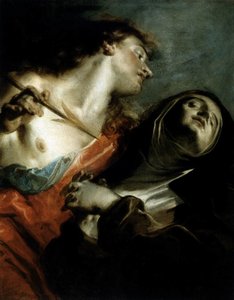
The true brilliance of Bazzani lies in his ability to use technique as a vehicle for emotion. His brushwork is famously loose and spontaneous, often described by historical critics with a polarizing intensity that bordered on the barbaric. Yet, within this perceived roughness lies a sophisticated mastery of movement and atmosphere. In masterpieces such as The Ecstasy of St Therese, he utilizes light not merely to illuminate, but to sanctify, creating a sense of spiritual transcendence that pulls the viewer into the very heart of the miracle. Similarly, in The Agony of Christ in the Garden, his ability to capture sorrowful contemplation through swirling, nebulous forms demonstrates a precursor to the expressive freedom found in much later movements.
His repertoire was as diverse as his influences, ranging from the dramatic biblical narratives of La Fille de Jephthé—where dynamic movement and rich color palettes command the eye—to more intimate religious scenes. This versatility was supported by his prestigious role within the Mantuan court, where he served as a faculty member and eventually the director of the Accademia di Belle Arti. In this capacity, Bazzani was not merely a painter but a guardian of artistic excellence, shaping the next generation of artists while navigating the complex political and cultural landscape of the ducal court.
Historical Significance and Artistic Foreshadowing
Though often categorized within the Rococo movement, Bazzani’s work possesses an idiosyncratic darkness and a psychological depth that sets him apart from the purely decorative artists of his time. His fascination with the interplay of light and shadow, and his willingness to embrace a more rugged, emotive style, suggest a visionary who was looking far beyond the eighteenth century. There is a palpable tension in his canvases—a struggle between order and chaos, tradition and innovation—that resonates with the turbulent spirit of modern art.
The historical importance of Giuseppe Bazzani extends beyond his immediate contributions to the Mantuan school. He stands as a vital link in the evolution of European painting, embodying a bridge between the heavy drama of the Baroque and the more fluid, expressive tendencies that would eventually find their voice in Expressionism. By refusing to settle for the easy grace of his age, Bazzani created a body of work that remains hauntingly relevant, inviting every generation to witness the profound power of the human spirit captured in paint.
Giuseppe Bazzani
1690 - 1769 , Italy
Основные сведения
- Artistic Movement Or Style: Rococo
- Artists Or Movements Influenced By This Artist: ['Expressionism']
- Artists Who Influenced This Artist:
- Giovanni Canti
- Rubens
- Date Of Birth: 1690
- Full Name: Giuseppe Bazzani
- Nationality: Italian
- Notable Artworks:
- Saint Anthony & Christ
- LA Fille de Jephte
- Place Of Birth: Mantua, Italy