

 Предпросмотр
 Поделиться
 Поделиться
 Детали произведения

 Скачать
 Похожие работы
 Рентгенография
 Слайд-шоу
 Статистика
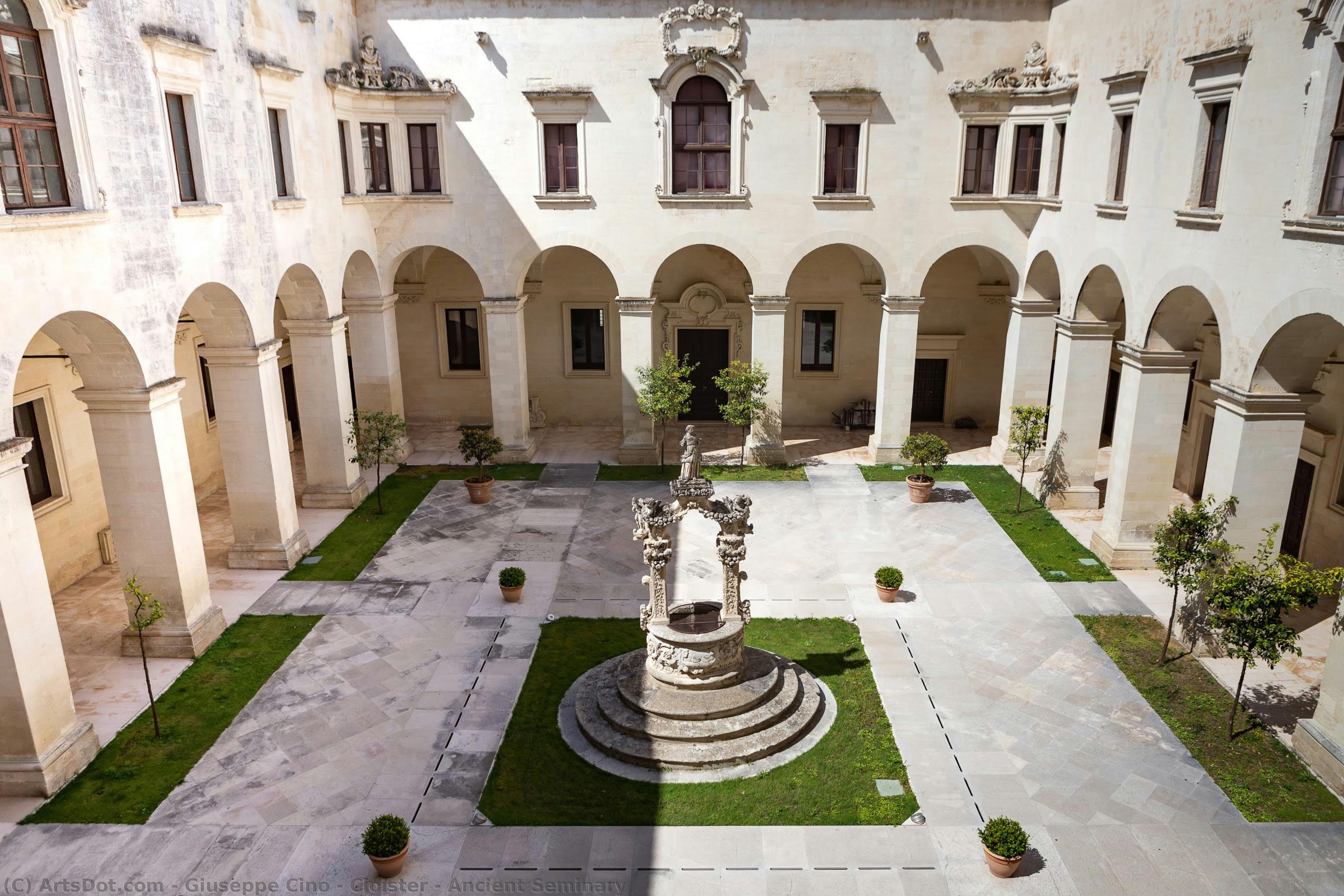
Cloister - Ancient Seminary


 Читать далее
Приобретите цифровое изображение высокого разрешения в улучшенном качестве, которое значительно превосходит онлайн-превью.
Каждый файл тщательно подготавливается нашими специалистами с использованием передовых инструментов и экспертной ручной ретуши. Мы гарантируем исключительную четкость, точную цветопередачу и детальную проработку каждого изображения.
Финальный файл доставляется по электронной почте в течение 72 часов и оптимизирован для немедленного использования в профессиональной среде, при верстке и печати. Это тот же уровень качества, которому доверяют ведущие дизайнерские студии, издательства и галереи.
Цифровое изображение
Скачайте файл высокого разрешения для личного использования, печати и творческих проектов. ( Перейти к печати Купить картину ручной работы)
Включено в каждый заказ цифровых изображений
Гарантия экспертной цифровой доставки
Выбирая ArtsDot.com, вы получаете не просто изображение — вы приобретаете профессионально обработанное цифровое произведение искусства, созданное с безупречной точностью и под защитой гарантии качества. Вот всё, что автоматически входит в ваш заказ:

Мгновенная доставка по e-mail
Ваш цифровой файл в высоком разрешении будет отправлен вам по электронной почте в течение 72 часов после оформления заказа — и сразу станет доступен для использования.

Цифровой файл с ИИ-улучшением
Ваше произведение искусства проходит профессиональную оптимизацию с использованием передовых инструментов ИИ и ручной обработки, что гарантирует максимальную детализацию, четкость и точность цветопередачи.

Бессрочная бесплатная повторная доставка
Случайно удалили или потеряли файл? Не беспокойтесь — мы отправим его вам повторно в любое время и совершенно бесплатно.

Без импортных пошлин — навсегда
Наслаждайтесь вашим произведением искусства мгновенно без таможенных пошлин, сборов или затрат на доставку — цифровые загрузки всегда не облагаются налогом.

Гарантия точности цветопередачи
Мы гарантируем, что ваше цифровое изображение максимально точно передает оригинальные цвета благодаря использованию профессиональных инструментов и систем управления цветом.

Гарантия удовлетворенности 100 дней
Если вы не будете удовлетворены своим цифровым изображением, мы внесем правки или вернем 100% стоимости в течение 100 дней — без лишних вопросов.

100% Гарантия возврата средств
Не удовлетворены покупкой? Получите полный возврат средств в течение 100 дней после получения цифрового файла — без лишних вопросов.

Скидки на оптовые заказы
Купите 3 изображения, сэкономьте 10% — Купите 5, сэкономьте 15% — Купите 10+, сэкономьте 20%. Отличное решение для творческих проектов, галерей и агентств.
Похожие произведения





Биография художника
The Architect of Lecce's Baroque Splendor
In the sun-drenched landscape of Puglia, where the golden stone of Lecce seems to capture and hold the very essence of light, the name Giuseppe Cino resonates as a master of the Baroque era. Born in 1645 into a noble family, Cino was not merely a builder of structures but a weaver of stone, an artist who helped transform his birthplace into what many have poetically called the Florence of the Baroque. His life and career were deeply intertwined with the architectural evolution of Lecce, a city that became a canvas for his profound understanding of space, ornament, and dramatic movement.
Cino’s artistic journey was shaped by the shadows and light of the masters who preceded him. He underwent rigorous training under the guidance of Giuseppe Zimbalo, one of the most formidable figures of the period. From Zimbalo, Cino inherited a command over the intricate, almost organic ornamentation that defines the Lecce Baroque style—a technique where rigid geometric foundations are softened by an explosion of floral motifs, cherubs, and swirling drapery. This duality became the hallmark of his development; he possessed the rare ability to balance structural permanence with a sense of theatrical, ephemeral beauty.
A Legacy Carved in Stone and Memory
The breadth of Cino’s contribution extends far beyond the blueprints of cathedrals. While he is celebrated as an architect, his soul was equally present in the delicate medium of sculpture. His hands breathed life into religious icons, creating works such as the exquisite wooden statues found in the Museum of Sacred Art (MuDAS), where figures like Christ and Mary Magdalene emerge from the grain with a haunting, lifelike intensity. In pieces like the Statue of Saint Irene, one can witness his mastery over detail, capturing the profound emotional gravity required by the Counter-Reformation's aesthetic demands.
His architectural portfolio serves as a roadmap of Lecce’s historical grandeur. Cino was instrumental in the design and execution of several landmarks that continue to define the city's skyline:
- Palazzo dei Celestini: A monumental achievement where he succeeded Zimbalo, bringing a refined sense of nobility to the structure.
- Church of Santa Chiara: A testament to his ability to command sacred space through light and proportion.
- The Seminary of Lecce: Commissioned by Bishop Antonio Pignatelli, this project showcased his capacity for large-scale, complex urban planning.
- Church of Santa Ana: Demonstrating his influence reached beyond the city walls into Mesagne, spreading the Lecce Baroque style across the Salento peninsula.
The Chronicler of an Era
What truly distinguishes Giuseppe Cino from his contemporaries was his role as a guardian of history. Beyond the chisel and the compass, he was a man of letters. He authored the Memorie, a meticulous chronicle documenting the vital events that unfolded in Lecce between 1656 and 1719. This literary endeavor provides a rare, intimate window into the social and political pulse of his time, ensuring that his legacy is not only found in the physical stones of Puglia but also in the written memory of its people.
When Cino passed away in 1722, he left behind a city forever altered by his vision. His work remains a bridge between the rigid discipline of classical architecture and the exuberant, emotional freedom of the Baroque. To walk through the streets of Lecce today is to walk through the mind of Giuseppe Cino, experiencing a world where every carved leaf and every shadowed alcove tells a story of devotion, grandeur, and an enduring passion for beauty.
giuseppe cino
1645 - 1722 , Italy
Основные сведения
- Artistic Movement Or Style: Baroque
- Artists Or Movements Influenced By This Artist: Lecce Baroque style
- Artists Who Influenced This Artist: ['Giuseppe Zimbalo']
- Date Of Birth: 1645
- Date Of Death: 1722
- Full Name: Giuseppe Cino
- Nationality: Italian
- Notable Artworks:
- Palazzo dei Celestini
- Santa Chiara Church
- Memorie
- Place Of Birth: Lecce, Italy