

 Предпросмотр
 Поделиться
 Поделиться
 Детали произведения

 Скачать
 Похожие работы
 Рентгенография
 Слайд-шоу
 Статистика
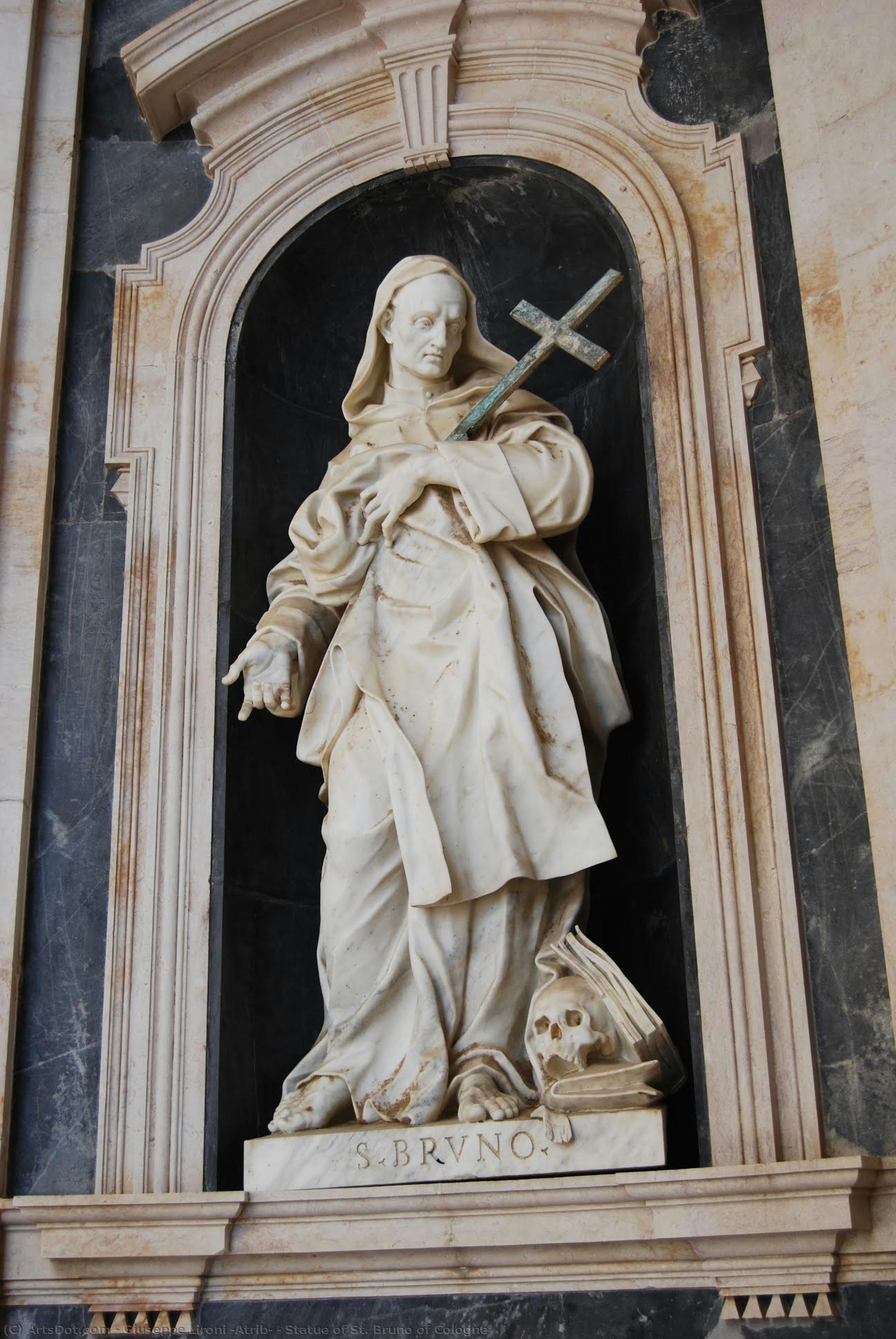
Statue of St. Bruno of Cologne


 Читать далее
Приобретите цифровое изображение высокого разрешения в улучшенном качестве, которое значительно превосходит онлайн-превью.
Каждый файл тщательно подготавливается нашими специалистами с использованием передовых инструментов и экспертной ручной ретуши. Мы гарантируем исключительную четкость, точную цветопередачу и детальную проработку каждого изображения.
Финальный файл доставляется по электронной почте в течение 72 часов и оптимизирован для немедленного использования в профессиональной среде, при верстке и печати. Это тот же уровень качества, которому доверяют ведущие дизайнерские студии, издательства и галереи.
Цифровое изображение
Скачайте файл высокого разрешения для личного использования, печати и творческих проектов. ( Перейти к печати Купить картину ручной работы)
Включено в каждый заказ цифровых изображений
Гарантия экспертной цифровой доставки
Выбирая ArtsDot.com, вы получаете не просто изображение — вы приобретаете профессионально обработанное цифровое произведение искусства, созданное с безупречной точностью и под защитой гарантии качества. Вот всё, что автоматически входит в ваш заказ:

Мгновенная доставка по e-mail
Ваш цифровой файл в высоком разрешении будет отправлен вам по электронной почте в течение 72 часов после оформления заказа — и сразу станет доступен для использования.

Цифровой файл с ИИ-улучшением
Ваше произведение искусства проходит профессиональную оптимизацию с использованием передовых инструментов ИИ и ручной обработки, что гарантирует максимальную детализацию, четкость и точность цветопередачи.

Бессрочная бесплатная повторная доставка
Случайно удалили или потеряли файл? Не беспокойтесь — мы отправим его вам повторно в любое время и совершенно бесплатно.

Без импортных пошлин — навсегда
Наслаждайтесь вашим произведением искусства мгновенно без таможенных пошлин, сборов или затрат на доставку — цифровые загрузки всегда не облагаются налогом.

Гарантия точности цветопередачи
Мы гарантируем, что ваше цифровое изображение максимально точно передает оригинальные цвета благодаря использованию профессиональных инструментов и систем управления цветом.

Гарантия удовлетворенности 100 дней
Если вы не будете удовлетворены своим цифровым изображением, мы внесем правки или вернем 100% стоимости в течение 100 дней — без лишних вопросов.

100% Гарантия возврата средств
Не удовлетворены покупкой? Получите полный возврат средств в течение 100 дней после получения цифрового файла — без лишних вопросов.

Скидки на оптовые заказы
Купите 3 изображения, сэкономьте 10% — Купите 5, сэкономьте 15% — Купите 10+, сэкономьте 20%. Отличное решение для творческих проектов, галерей и агентств.
Похожие произведения







Биография художника
Giuseppe Lironi (Atrib): A Master of Baroque Sculpture in Portugal
Born in Como, Italy, around 1689 and tragically passing away in 1749, Giuseppe Lironi remains a figure of intriguing complexity within the history of Italian Baroque sculpture. While his name isn’t as widely celebrated as some of his contemporaries – Bernini or Caravaggio, for example – Lironi’s impact is profoundly felt, particularly through his monumental contributions to the Basilica of Mafra in Portugal and, most notably, the ‘St. Bruno of Cologne’ statue now gracing the Mafra National Palace. His legacy stems from a lineage deeply rooted in Ticinese sculpture, a tradition that imbued him with a foundational understanding of form, technique, and the expressive potential of marble.
Lironi's early life remains somewhat shrouded in mystery, typical for artists of his era. He spent much of his career in Rome, a vibrant hub of artistic innovation during the 18th century. It was here that he honed his skills and gained recognition for his ability to capture both anatomical accuracy and emotional depth within his works. His time in Rome exposed him to the prevailing stylistic trends of the Baroque – dramatic lighting, dynamic movement, and an emphasis on theatricality – elements which would later inform his distinctive approach.
Ecclesiastical Commissions and Roman Influence
Lironi’s artistic career was largely shaped by ecclesiastical commissions. He produced significant sculptures for various churches in Rome, including notable works within the San Giovanni in Laterano basilica. These projects demanded a mastery of classical principles combined with Baroque dynamism. His work here demonstrates an understanding of drapery, musculature, and the subtle nuances of human expression – skills he would later translate into his larger-scale commissions.
The influence of Roman sculpture is undeniable in Lironi’s style. He studied the works of ancient masters, particularly those of Greek and Roman antiquity, absorbing their ideals of beauty, proportion, and realism. However, unlike some of his predecessors who slavishly imitated the past, Lironi skillfully integrated these classical elements into a distinctly Baroque aesthetic. This synthesis is evident in the ‘St. Bruno of Cologne,’ where the saint’s serene countenance and dignified posture are rooted in Roman portraiture while simultaneously embodying the emotional intensity characteristic of Baroque sculpture.
The ‘St. Bruno of Cologne’: A Portuguese Masterpiece
Perhaps Lironi's most enduring achievement is the ‘St. Bruno of Cologne,’ a monumental marble statue housed within the Mafra National Palace in Portugal. Completed around 1732, this work represents Saint Bruno, the founder of the Carthusian Order, and stands as a testament to Lironi’s technical skill and artistic vision. The sculpture depicts St. Bruno with remarkable detail – his shaved head, beardless face, and habit of the Carthusian order are rendered with exquisite precision. The statue's serene expression conveys a sense of profound contemplation and spiritual devotion.
The ‘St. Bruno’ is considered one of the most important examples of Italian Baroque sculpture in Portugal, showcasing the influence of Italian artistic trends on Portuguese art during the 18th century. Its placement within the Mafra National Palace underscores its significance as a symbol of royal patronage and cultural exchange.
Beyond Mafra: Virgin and Child Statues
While the ‘St. Bruno’ is undoubtedly Lironi's most celebrated work, he also contributed significantly to the Basilica of Mafra, producing a series of marble sculptures including a poignant depiction of the Virgin and Child with Saint Anthony. These works further demonstrate his ability to capture delicate emotions and create compelling narratives within the confines of sculpted form. The consistent style and quality across these pieces suggest a sustained period of creative output and a deep understanding of his craft.
Despite the limited surviving documentation about Lironi’s life, his impact on Portuguese art is undeniable. His work continues to inspire admiration for its technical brilliance, emotional depth, and enduring beauty – solidifying his place as a significant figure in the history of Italian Baroque sculpture.
giuseppe lironi (atrib)
1689 - 1749 , Italy
Основные сведения
- Artistic Movement Or Style: Baroque sculpture
- Date Of Birth: 1689
- Date Of Death: 1749
- Full Name: Giuseppe Lironi
- Nationality: Italian
- Notable Artworks:
- St. Bruno of Cologne
- Virgin and Child (Mafra)
- Place Of Birth: Como, Italy