

 Предпросмотр
 Поделиться
 Поделиться
 Детали произведения

 Скачать
 Похожие работы
 Рентгенография
 Слайд-шоу
 Статистика
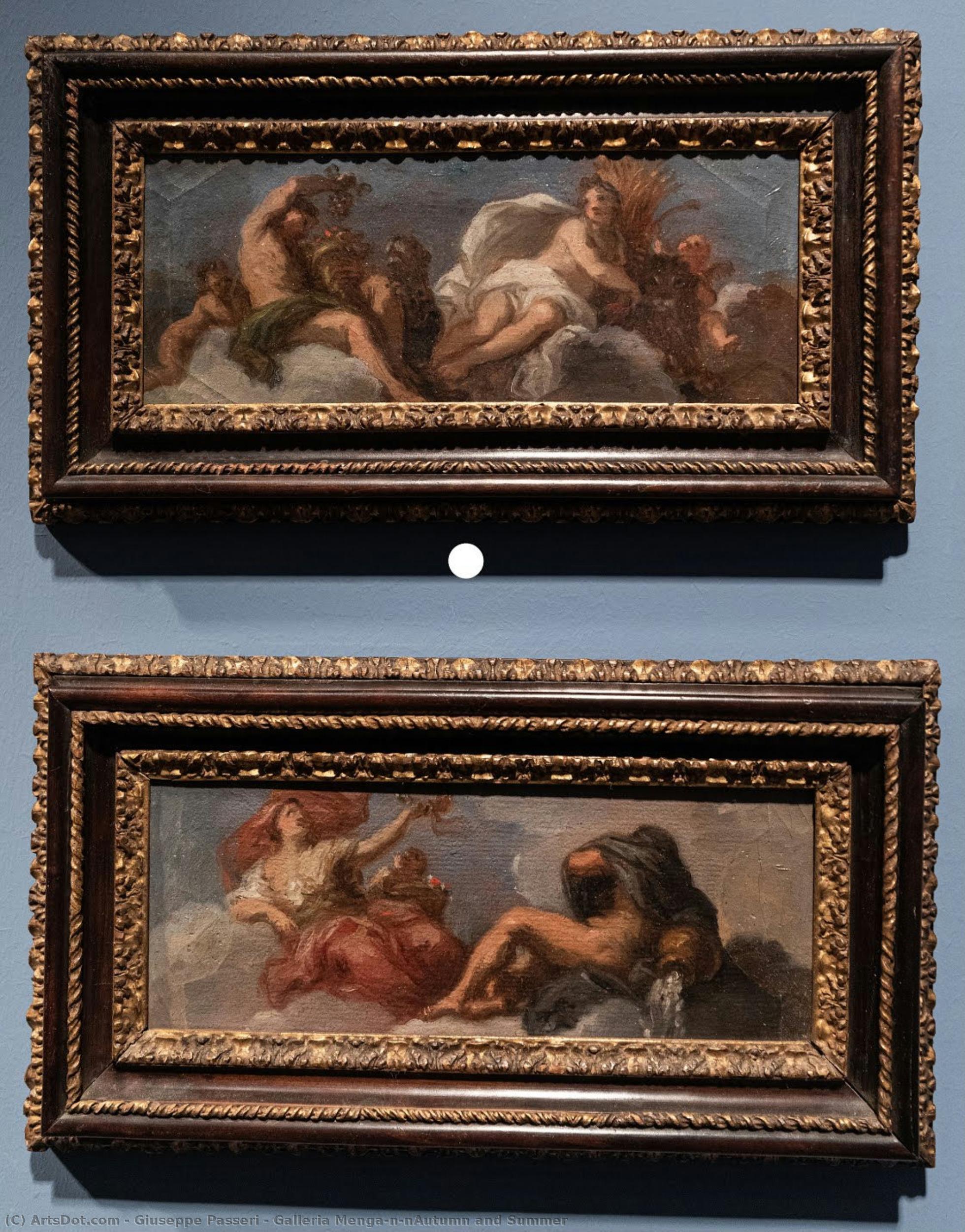
Galleria Menga\n\nAutumn and Summer
 Oil On Canvas
- WallArt
- Baroque
 Early Modern
 9.0 x 21.0 cm
 Biennale Internazionale dell'Antiquariato di Firenze
 Читать далее
Приобретите цифровое изображение высокого разрешения в улучшенном качестве, которое значительно превосходит онлайн-превью.
Каждый файл тщательно подготавливается нашими специалистами с использованием передовых инструментов и экспертной ручной ретуши. Мы гарантируем исключительную четкость, точную цветопередачу и детальную проработку каждого изображения.
Финальный файл доставляется по электронной почте в течение 72 часов и оптимизирован для немедленного использования в профессиональной среде, при верстке и печати. Это тот же уровень качества, которому доверяют ведущие дизайнерские студии, издательства и галереи.
Цифровое изображение
Скачайте файл высокого разрешения для личного использования, печати и творческих проектов. ( Перейти к печати Купить картину ручной работы)
Включено в каждый заказ цифровых изображений
Гарантия экспертной цифровой доставки
Выбирая ArtsDot.com, вы получаете не просто изображение — вы приобретаете профессионально обработанное цифровое произведение искусства, созданное с безупречной точностью и под защитой гарантии качества. Вот всё, что автоматически входит в ваш заказ:

Мгновенная доставка по e-mail
Ваш цифровой файл в высоком разрешении будет отправлен вам по электронной почте в течение 72 часов после оформления заказа — и сразу станет доступен для использования.

Цифровой файл с ИИ-улучшением
Ваше произведение искусства проходит профессиональную оптимизацию с использованием передовых инструментов ИИ и ручной обработки, что гарантирует максимальную детализацию, четкость и точность цветопередачи.

Бессрочная бесплатная повторная доставка
Случайно удалили или потеряли файл? Не беспокойтесь — мы отправим его вам повторно в любое время и совершенно бесплатно.

Без импортных пошлин — навсегда
Наслаждайтесь вашим произведением искусства мгновенно без таможенных пошлин, сборов или затрат на доставку — цифровые загрузки всегда не облагаются налогом.

Гарантия точности цветопередачи
Мы гарантируем, что ваше цифровое изображение максимально точно передает оригинальные цвета благодаря использованию профессиональных инструментов и систем управления цветом.

Гарантия удовлетворенности 100 дней
Если вы не будете удовлетворены своим цифровым изображением, мы внесем правки или вернем 100% стоимости в течение 100 дней — без лишних вопросов.

100% Гарантия возврата средств
Не удовлетворены покупкой? Получите полный возврат средств в течение 100 дней после получения цифрового файла — без лишних вопросов.

Скидки на оптовые заказы
Купите 3 изображения, сэкономьте 10% — Купите 5, сэкономьте 15% — Купите 10+, сэкономьте 20%. Отличное решение для творческих проектов, галерей и агентств.
A Baroque Vision of Seasonal Allegory
In the grand tradition of Roman Baroque painting, Giuseppe Passeri’s Autumn and Summer serves as a breathtaking window into a world where the divine and the earthly intertwine. These two exquisite oil on canvas works, part of the illustrious Galleria Menga collection, capture the very essence of the High Baroque period through their dramatic movement and opulent compositions. As one gazes upon these pieces, they are immediately transported to an era of theatrical grandeur, where every brushstroke is designed to evoke wonder. The paintings depict mythological figures ensconced within elaborate architectural settings, utilizing a sophisticated interplay of light and shadow—a technique known as chiaroscuro—to breathe life into the reclining deities and reaching figures that populate the canvas.
The artistry of Passeri, a student of the legendary Carlo Maratta, is evident in the fluid, rhythmic lines that define the drapery and flowing hair of the subjects. In Autumn, a male figure reclines amidst a soft tapestry of clouds and lush foliage, suggesting a sense of bountiful rest and the ripening of nature. Conversely, the depiction of Summer introduces a more dynamic tension, with a female figure reaching out toward a seated male counterpart, embodying the heat, vitality, and labor associated with the season. This movement is not merely physical but emotional, as the figures seem caught in a moment of profound narrative significance, inviting the viewer to decipher the complex allegories of desire, power, and the cyclical nature of time.
Mastery of Technique and Color
Technically, these works are a masterclass in the use of a muted yet rich color palette. Dominated by earthy ochres, deep browns, and subtle, atmospheric blues, the colors do not shout but rather whisper of antiquity and permanence. The texture of the oil paint provides a tactile depth, where visible brushstrokes lend an organic vitality to the clouds and skin tones, contrasting beautifully with the rigid, geometric precision of the classical architecture in the background. This juxtaposition of the soft, organic forms of the human body against the structured elements of stone and pillar creates a sense of balanced tension that is quintessential to the Baroque aesthetic.
For the discerning collector or interior designer, these paintings offer more than mere decoration; they provide a profound sense of historical continuity and intellectual depth. The ornate gold frames, which house these intimate scenes, act as gilded portals, adding a layer of luxury and prestige to any curated space. Whether placed in a formal gallery setting or used as a focal point in a sophisticated contemporary room, Autumn and Summer brings with it an aura of classical elegance. To possess a high-quality reproduction of such works is to invite the spirit of 17th-century Rome into one's home, fostering an environment of contemplation, beauty, and timeless storytelling.
Похожие произведения




Биография художника
A Roman Baroque Painter: The Life and Art of Giuseppe Passeri
Giuseppe Passeri, born in Rome in 1654, was a quintessential product of the vibrant artistic milieu of his native city during the High Baroque period. Though perhaps not as widely celebrated as some of his contemporaries, Passeri carved out a significant niche for himself through a dedication to religious subject matter and a refined technique honed under the tutelage of Carlo Maratta, one of Rome’s leading masters. His career unfolded against a backdrop of powerful patrons – cardinals, noble families, and the Papal court itself – all eager to commission works that reflected both spiritual devotion and artistic grandeur. Passeri's lineage played a crucial role in his early development; he was the nephew of Giovanni Battista Passeri, an accomplished painter and biographer whose studio provided initial training before Giuseppe entered Maratta’s workshop. This familial connection instilled not only technical skills but also a deep understanding of the Roman art world and its complex dynamics.Training and Early Influences
Carlo Maratta's influence on Passeri was profound. Maratta, known for his elegant compositions, clarity of form, and mastery of classical ideals, shaped Passeri’s aesthetic sensibilities. While absorbing Maratta’s principles, Passeri developed a distinctive style characterized by a delicate balance between dramatic intensity and refined grace. Early commissions, such as the frescoes in Palazzo Barberini – specifically ‘Jason Returning from Colchis with the Golden Fleece’ and ‘Bellerophon Overcoming the Chimera’ – demonstrate this emerging talent. These works reveal a painter already capable of handling complex narratives and imbuing his figures with both movement and emotional depth. The patronage he received from Cardinal Francesco Barberini, a prominent figure in Roman society, solidified Passeri's position within the artistic community and opened doors to further opportunities. Beyond Maratta, Passeri’s art reflects a broader engagement with the Baroque tradition, drawing inspiration from artists like Annibale Carracci and Guido Reni, whose works were highly esteemed in Rome during this period.Major Commissions and Artistic Development
The turn of the 18th century marked a pivotal phase in Passeri's career. His appointment as ‘Pittore della Camera Apostolica’ by Pope Clement IX in 1700 brought with it a steady stream of prestigious commissions, primarily focused on religious themes for churches throughout Rome and beyond. A particularly noteworthy project was the decoration of the second chapel on the right in Santa Caterina a Magnanapoli, undertaken between 1700 and 1703. Here, Passeri showcased his skill in fresco painting, creating vibrant scenes that captured both theological complexity and emotional resonance. The altar paintings – ‘Three Archangels’ and ‘Madonna of the Rosary’ – further exemplify his ability to blend devotional imagery with artistic finesse. Another significant undertaking was ‘St. Peter Baptizing SS Processus and Martinianus’, originally painted for St. Peter's Basilica and later moved to S. Francesco in Urbino. This work, subsequently transferred to mosaic, highlights Passeri’s versatility and the enduring impact of his compositions.Legacy and Historical Significance
Giuseppe Passeri’s artistic legacy lies in his ability to synthesize the grandeur of the Baroque tradition with a refined sensibility that appealed to the tastes of Roman patrons. While he may not have achieved the widespread fame of some of his contemporaries, his works are characterized by a meticulous attention to detail, a delicate use of color, and a profound understanding of religious iconography. His drawings, particularly those housed in the Kunstmuseum Düsseldorf, offer valuable insights into his creative process and technical mastery. Passeri’s influence extended beyond his immediate circle; he trained numerous pupils who carried on his artistic traditions. Furthermore, his son-in-law, Luigi Garzi, also became a painter, ensuring the continuation of the family's artistic legacy. Today, Passeri’s paintings are found in museums and private collections across Europe, serving as testaments to the enduring power of Roman Baroque art. His work provides a fascinating glimpse into the religious and cultural landscape of 17th-century Italy, offering a compelling example of an artist who skillfully navigated the demands of patronage while maintaining his own distinctive artistic voice.- Born: Rome, Italy (1654)
- Died: Rome, Italy (1714)
- Influences: Carlo Maratta, Giovanni Battista Passeri, Annibale Carracci, Guido Reni
- Key Works: ‘Foot Studies’, ‘Galleria Menga – Autumn and Summer’, Frescoes in Santa Caterina a Magnanapoli, ‘St. Peter Baptizing SS Processus and Martinianus’.
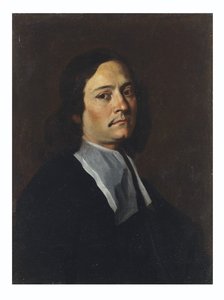
giuseppe passeri
1654 - 1714 , Italy
Основные сведения
- Artistic Movement Or Style: Baroque
- Artists Who Influenced This Artist:
- Carlo Maratta
- Giovanni Battista Passeri
- Date Of Birth: 1654
- Date Of Death: 1714
- Full Name: Giuseppe Passeri
- Nationality: Italian
- Notable Artworks:
- St. Peter Baptizes the Centurion
- Foot Studies
- Autumn and Summer
- Place Of Birth: Rome, Italy