

 Предпросмотр
 Поделиться
 Поделиться
 Детали произведения

 Скачать
 Похожие работы
 Рентгенография
 Слайд-шоу
 Статистика
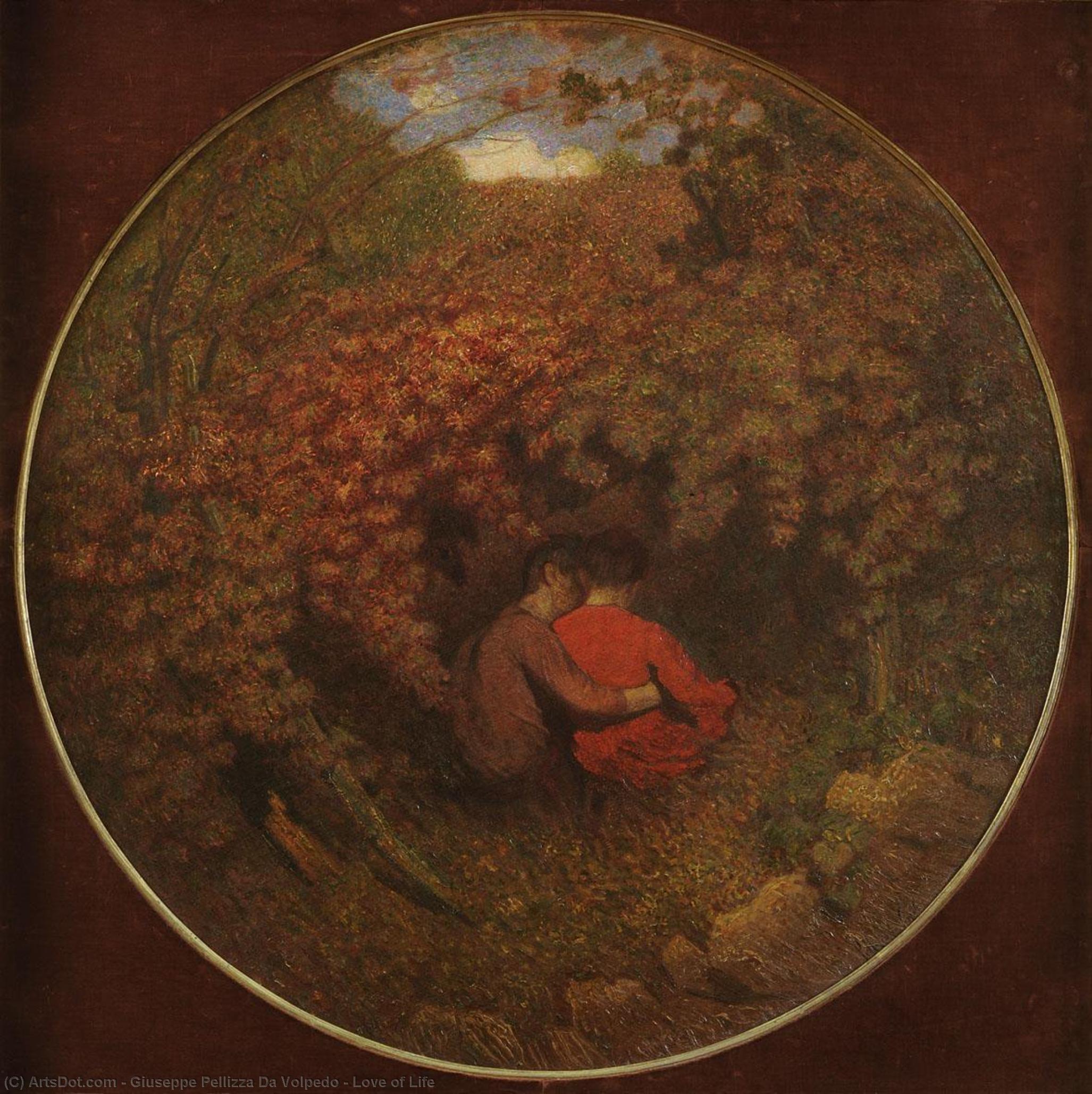
Love of Life
 Oil On Canvas
- WallArt
- Impressionism
 1900
1900- 19th Century
 Galleria Civica d'Arte Moderna e Contemporanea
 Читать далее
Жикле / Арт-принт
Печать (жикле) или холст музейного качества с быстрыми сроками изготовления и широким выбором вариантов отделки. ( Купить картину ручной работы Перейти к цифровым изображениям)




P118B $10

P118H $10

P118W $10

P438Z $10

P508JH $12

P508YH $12

P805H $10

P805Z $10

P919BZ $10

P919G $10

P919XJ $10

P959ZH $10

P968JZ $12

W106C $8

W218G $10

W218JH $8

W218Y $10

W307PJ $10

W316G $10

W316PJ $8

W316Y $10

W398PJ $8

W4111J $10

W500HY $15

W500JH $15

W692G $12

W849H $8

W940BG $15

W953PJ $8




Выберите один из наших стандартных размеров, соответствующих оригинальным пропорциям произведения искусства.

Вы можете указать свои собственные размеры, чтобы репродукция идеально подошла под конкретную раму или пространство. Если выбранный вами размер не будет соответствовать пропорциям оригинала, мы либо обрежем произведение, либо дополним изображение зеркальным отражением краев или однотонной заливкой. Перед началом производства вам будет отправлен цифровой макет для утверждения.
Пожалуйста, обратите внимание, что предварительный просмотр на экране не отображает фактическую обрезку или расширение изображения. Только макет точно покажет финальную композицию.
Несмотря на возможность заказа индивидуальных размеров, мы рекомендуем выбирать размер из предопределенного списка, чтобы сохранить оригинальные пропорции.
Доставка по всему миру () за 2 недели вместо стандартных 4/5 недель. (12 Сентябрь)

Бесплатная экспресс-доставка по всему миру

Высококачественный льняной холст

Полное страхование доставки

Гарантия возмещения таможенных пошлин

Гарантия точного соответствия цветов

100-дневная политика возврата (только при обнаружении дефектов)

Гарантия возврата 100% средств

Предложение оптовых скидок
 Вариант со стеклом доступен только для размеров менее 110 см

Love of Life
Жикле / Арт-принт
Размер репродукции
-


Итоговая стоимость
$ 62
A Moment of Intimate Connection: Exploring Giuseppe Pellizza da Volpedo’s “Love of Life”
Giuseppe Pellizza da Volpedo's "Love of Life," painted around 1900, is a profoundly moving work that transcends mere representation to capture a universal human experience – the tender embrace of two souls amidst the poignant beauty of nature. This circular oil painting, dominated by warm autumnal hues and rendered with Pellizza’s signature divisionist technique, invites viewers into a world of quiet intimacy and emotional depth. The artwork's power lies not just in its subject matter but also in the masterful execution of its style and the rich symbolism embedded within its composition.
- Divisionism: A Revolutionary Approach – Pellizza was a key figure in the Italian divisionist movement, pioneered by Giovanni Segantini. This technique involved applying paint in small, distinct brushstrokes of pure color, allowing the viewer’s eye to blend them optically rather than relying on traditional mixing on the palette. This created a shimmering effect and heightened the sense of light and atmosphere, central to Pellizza's artistic vision.
- The Forest as Metaphor – The dense autumnal forest surrounding the couple is more than just a backdrop; it’s a potent symbol. Autumn represents transition, decline, and the fleeting nature of beauty—themes that resonate deeply within the painting’s emotional core. The trees, with their gnarled branches and vibrant foliage, evoke a sense of both melancholy and resilience.
- Impressionistic Influence – While firmly rooted in divisionism, Pellizza's work also displays clear influences from Impressionism, particularly in his focus on capturing the effects of light and atmosphere. The diffused lighting, soft gradations of tone, and flattened perspective contribute to a dreamlike quality, prioritizing emotional impact over strict realism.
Technique and Materials: Building Layers of Emotion
Pellizza’s meticulous technique is immediately apparent in the layering of oil paints on canvas. He built up texture and color through multiple applications, creating an impasto-like surface that adds depth and visual interest to the foliage. The loose brushwork, characteristic of divisionism, allows light to dance across the scene, enhancing the sense of movement and atmosphere. The artist’s careful attention to detail—particularly in rendering the textures of the leaves and branches—contributes significantly to the painting's overall realism despite its stylistic approach. The use of primarily oil paint on canvas speaks to a commitment to traditional materials and techniques, ensuring the longevity and rich color saturation of this remarkable artwork.
Historical Context and Social Consciousness
Created around 1900, “Love of Life” reflects the broader artistic and intellectual currents of the late 19th century. Pellizza’s work aligns with a growing interest in portraying everyday life and human emotion, moving away from the grand historical narratives favored by earlier generations. Furthermore, Pellizza's personal struggles—including his tragic suicide at a young age—infuse the painting with a sense of melancholy and introspection. His commitment to social realism extended beyond his art; he was a vocal advocate for progressive ideals and sought to capture the dignity and humanity of ordinary people.
Symbolism and Emotional Impact
"Love of Life" is ultimately a powerful meditation on human connection, vulnerability, and the beauty of fleeting moments. The embrace of the couple symbolizes not just romantic love but also a deeper bond—a shared experience of joy, sorrow, and acceptance. The painting’s warm color palette evokes feelings of passion, nostalgia, and perhaps even melancholy, creating an emotional resonance that lingers long after viewing. This artwork is more than simply a depiction; it's an invitation to contemplate the profound beauty and fragility of life itself.
Похожие произведения

Биография художника
The Luminous Vision of Giuseppe Pellizza da Volpedo
Giuseppe Pellizza da Volpedo stands as a singular figure in the tapestry of Italian art history, a painter who masterfully fused technical innovation with a profound sense of social consciousness. Born in 1868 in the small village of Volpedo, within the Piedmont region, his journey from a wealthy peasant family to the forefront of the Divisionist movement is a testament to his dedication to both aesthetic excellence and progressive ideals. His life, though tragically cut short by suicide at the age of 39, left behind an oeuvre that continues to resonate with its uncompromising realism and symbolic depth, capturing the very heartbeat of a changing era.
The foundations of Pellizza’s artistry were laid under the guidance of Pio Sanquirico, a mentor who instilled in him a rigorous commitment to observing the natural world. This early training emphasized meticulous rendering and an acute sensitivity to light, principles that would later evolve into his signature style. Unlike many of his contemporaries who sought the grandeur of mythic narratives, Pellizza found profound beauty in the mundane. He turned his gaze toward the everyday lives of the working class, finding dignity in rural landscapes and the quiet rhythms of labor. This focus on the tangible reality of human existence was deeply informed by the burgeoning influences of Impressionism and Neo-Impressionism, yet he infused these movements with a uniquely Italian soul and a political urgency.
The Science of Light and the Divisionist Revolution
Pellizza’s most significant contribution to the art world was his sophisticated embrace of Divisionism. Inspired by the pioneering methods of Georges Seurat and Paul Signac, Pellizza moved away from the traditional blending of pigments on a palette. Instead, he adopted a revolutionary technique of juxtaposing small dots or strokes of pure, unmixed color directly onto the canvas. This method relied on the science of optical mixing, where the viewer's eye performs the work of blending the colors at a distance. The result was an ethereal luminosity, an almost vibrating quality of light that captured the subtleties of atmosphere and sun-drenched landscapes with unprecedented precision.
This technique was far more than a mere stylistic choice; for Pellizza, it was a philosophical stance. Through the meticulous application of color, he sought to achieve a clarity of vision that mirrored his desire for social truth. In works such as Washing in the Sun, one can witness this mastery, where the warmth of the light and the texture of drying laundry are rendered with a brilliance that feels both physically present and spiritually uplifting. His ability to manipulate light allowed him to transform simple scenes of domesticity into monumental studies of existence, where every stroke of pigment contributed to a larger, more luminous whole.
Social Consciousness and a Lasting Legacy
Beyond the technical brilliance of his brushwork, Pellizza da Volpedo is remembered as an artist of deep political and social conviction. His work often served as a visual manifesto for the progressive ideals of his time, most notably in his iconic masterpiece, The Fourth Estate (Il Quarto Stato). This painting, which depicts a resolute group of workers advancing forward, became a powerful symbol of the rising consciousness of the proletariat. Through his art, Pellizza elevated the struggles and triumphs of the common people to the level of high art, demanding that the viewer acknowledge the strength and agency of the working class.
The historical significance of Pellizza’s work lies in this rare intersection of scientific technique and social realism. He did not merely document the world; he interpreted it through a lens of hope and structural change. His influence extended far beyond the canvas, as his works were frequently reproduced in socialist magazines, reaching a wide audience and cementing his role as a voice for the marginalized. Today, we remember Giuseppe Pellizza da Volpedo not just as a master of light and color, but as a visionary who used the very particles of paint to illuminate the path toward social justice and human dignity.

Giuseppe Pellizza da Volpedo
1868 - 1907
Основные сведения
- Artistic Movement Or Style: Divisionism
- Artists Who Influenced This Artist: ['Pio Sanquirico']
- Date Of Birth: 1868
- Date Of Death: 1907
- Full Name: Giuseppe Pellizza da Volpedo
- Nationality: Italian
- Notable Artworks:
- The Fourth Estate
- Portrait of a Man
- The Statue of Villa Borghese
- Love of Life
- Place Of Birth: Volpedo, Piedmont
Похожие статьи

Топ-10 шедевров импрессионизма: искусство мгновения для вашего интерьера
Погрузитесь в мир импрессионизма! Откройте для себя 10 шедевров Моне, Ренуара и других великих мастеров. Узнайте историю создания культовых картин и вдохновитесь для декора интерьера. Репродукции музейного качества на ArtsDot.com.

Леонардо да Винчи: Топ-25 шедевров для ценителей искусства и роскошного интерьера
Погрузитесь в мир гения Леонардо да Винчи! 25 шедевров эпохи Возрождения, истории создания картин и техники великого мастера. Репродукции высокого качества для вашего интерьера на ArtsDot.com. Откройте всю коллекцию онлайн!

25 Шедевров Поля Сезанна: Открывая Новую Эру в Искусстве | ArtsDot
Откройте для себя 25 величайших шедевров Поля Сезанна! Узнайте истории создания картин импрессионизма и постимпрессионизма, технику художника и вдохновение для вашего интерьера. Репродукции картин Сезанна высокого качества на ArtsDot.com.
За пределами света и цвета: Импрессионизм против постимпрессионизма для взыскательного коллекционера
Углубленное исследование импрессионизма и постимпрессионизма для ценителей искусства. Анализ ключевых художников, инвестиционный потенциал и коллекционная ценность шедевров.
Leonardo da Vinci: A Renaissance Master’s Synthesis of Art, Science & Human Observation – Reinterpreted for the Collector
Explore Leonardo da Vinci’s timeless masterpieces with ArtsDot. Discover insights into his art, science, and legacy – trusted expertise for discerning collectors seeking authentic reproductions & investment opportunities.