

 Предпросмотр
 Поделиться
 Поделиться
 Детали произведения

 Скачать
 Похожие работы
 Рентгенография
 Слайд-шоу
 Статистика
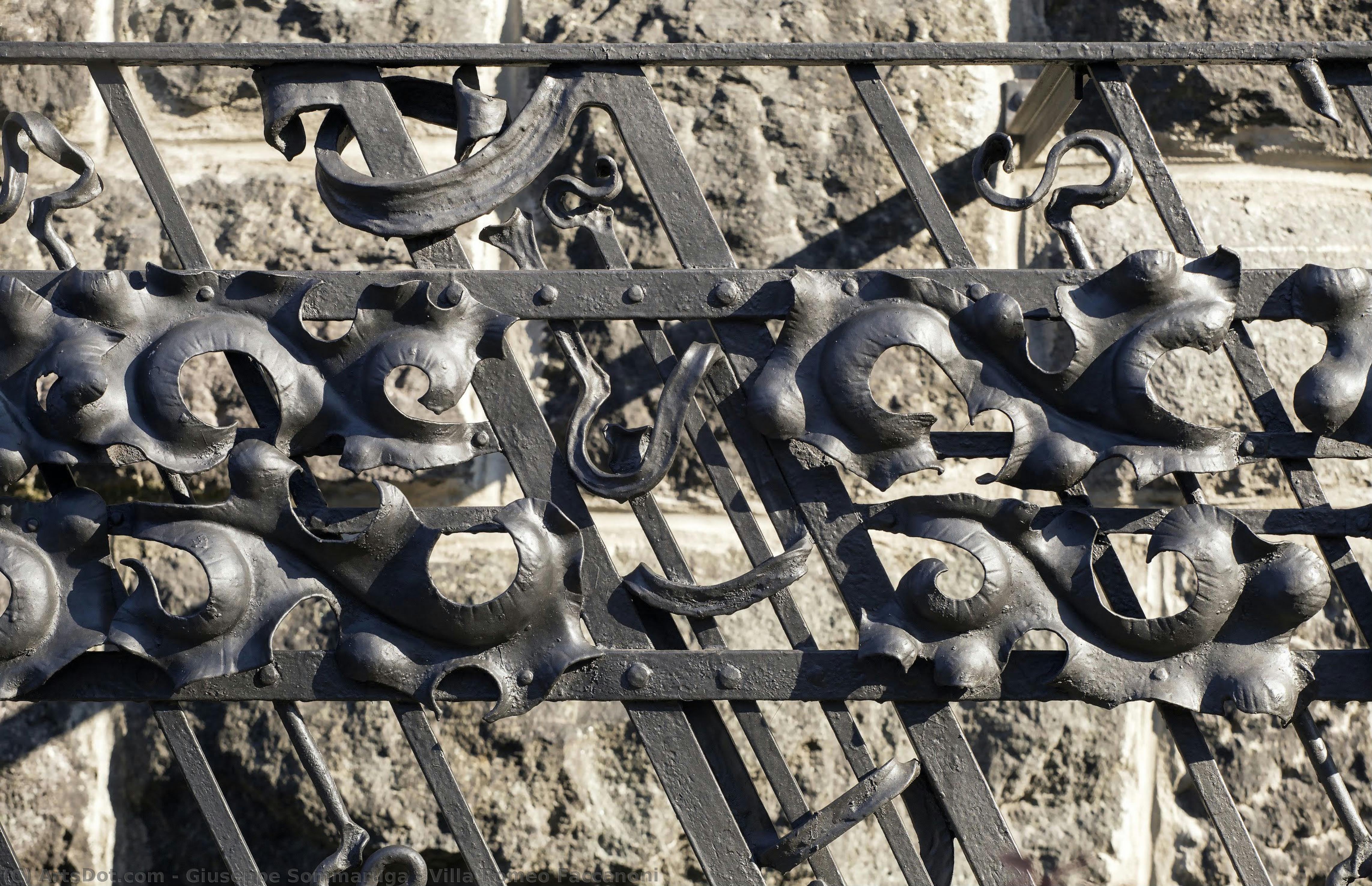
Villa Romeo Faccanoni


 Читать далее
Приобретите цифровое изображение высокого разрешения в улучшенном качестве, которое значительно превосходит онлайн-превью.
Каждый файл тщательно подготавливается нашими специалистами с использованием передовых инструментов и экспертной ручной ретуши. Мы гарантируем исключительную четкость, точную цветопередачу и детальную проработку каждого изображения.
Финальный файл доставляется по электронной почте в течение 72 часов и оптимизирован для немедленного использования в профессиональной среде, при верстке и печати. Это тот же уровень качества, которому доверяют ведущие дизайнерские студии, издательства и галереи.
Цифровое изображение
Скачайте файл высокого разрешения для личного использования, печати и творческих проектов. ( Перейти к печати Купить картину ручной работы)
Включено в каждый заказ цифровых изображений
Гарантия экспертной цифровой доставки
Выбирая ArtsDot.com, вы получаете не просто изображение — вы приобретаете профессионально обработанное цифровое произведение искусства, созданное с безупречной точностью и под защитой гарантии качества. Вот всё, что автоматически входит в ваш заказ:

Мгновенная доставка по e-mail
Ваш цифровой файл в высоком разрешении будет отправлен вам по электронной почте в течение 72 часов после оформления заказа — и сразу станет доступен для использования.

Цифровой файл с ИИ-улучшением
Ваше произведение искусства проходит профессиональную оптимизацию с использованием передовых инструментов ИИ и ручной обработки, что гарантирует максимальную детализацию, четкость и точность цветопередачи.

Бессрочная бесплатная повторная доставка
Случайно удалили или потеряли файл? Не беспокойтесь — мы отправим его вам повторно в любое время и совершенно бесплатно.

Без импортных пошлин — навсегда
Наслаждайтесь вашим произведением искусства мгновенно без таможенных пошлин, сборов или затрат на доставку — цифровые загрузки всегда не облагаются налогом.

Гарантия точности цветопередачи
Мы гарантируем, что ваше цифровое изображение максимально точно передает оригинальные цвета благодаря использованию профессиональных инструментов и систем управления цветом.

Гарантия удовлетворенности 100 дней
Если вы не будете удовлетворены своим цифровым изображением, мы внесем правки или вернем 100% стоимости в течение 100 дней — без лишних вопросов.

100% Гарантия возврата средств
Не удовлетворены покупкой? Получите полный возврат средств в течение 100 дней после получения цифрового файла — без лишних вопросов.

Скидки на оптовые заказы
Купите 3 изображения, сэкономьте 10% — Купите 5, сэкономьте 15% — Купите 10+, сэкономьте 20%. Отличное решение для творческих проектов, галерей и агентств.
Похожие произведения
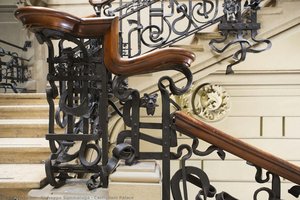
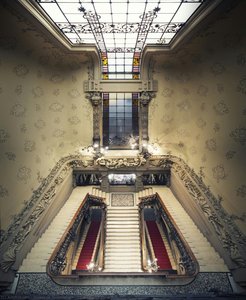
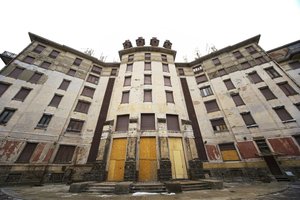
Биография художника
The Architect of Elegance: The Legacy of Giuseppe Sommaruga
In the vibrant, transformative era of the early twentieth century, few figures captured the spirit of Italian modernity as profoundly as Giuseppe Sommaruga. A pioneer of the Liberty style—the Italian iteration of Art Nouveau—Sommaruga did not merely design buildings; he sculpted environments that breathed with organic vitality. Born in Milan in 1867, his life and work became a bridge between the rigid traditions of the past and the fluid, experimental energy of a new century. His architectural language was one of movement, where stone and iron seemed to mimic the sinuous curves of vines and the delicate strength of floral motifs, creating a sense of living architecture that continues to enchant observers today.
Sommaruga’s artistic journey was deeply rooted in the prestigious academic traditions of Milan. His formative years at the Brera Academy provided him with a rigorous foundation in classical principles, yet it was his exposure to mentors such as Camillo Boito and Luca Beltrami that truly ignited his creative spirit. These masters instilled in him a humanist approach to design, teaching him to respect historical continuity while encouraging the pursuit of innovation. This unique duality allowed Sommaruga to master the technical complexities of structural engineering while infusing his projects with a poetic, almost rhythmic, ornamentation that would become his signature.
A Symphony of Stone and Iron
The true brilliance of Sommaruga lies in his ability to harmonize monumental scale with intricate, delicate detail. His work often serves as a testament to the Liberty style's obsession with nature and craftsmanship. When wandering through his architectural masterpieces, one does not simply see walls and roofs, but rather an integrated ecosystem of art. He utilized materials like wrought iron and sculpted stone to create textures that felt both opulent and organic, ensuring that every facade told a story of elegance and progress.
Among his most celebrated achievements are structures that stand as icons of Italian architectural heritage:
- The Grand Hotel Campo dei Fiori: A breathtaking masterpiece located near Varese, this hotel exemplifies Sommaruga’s ability to command a large-scale project through the use of intricate ironwork and luxurious Art Nouveau details. It remains a hauntingly beautiful symbol of an era defined by grandeur.
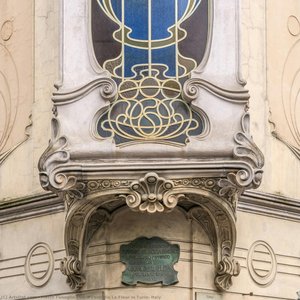
- Villa Romeo Faccanoni: Located in Milan, this villa serves as a jewel of residential design. Here, Sommaruga’s mastery is evident in the seamless integration of sculptural elements and vegetal motifs, often featuring works that complement the architectural flow.
- Palazzo Castiglioni: A cornerstone of Milanese urban architecture, this palace showcases his ability to bring the avant-garde into the heart of the city, blending structural boldness with the sophisticated aesthetics of the burgeoning middle class.
Historical Significance and Enduring Influence
As the twentieth century progressed, Sommaruga’s influence began to ripple through the evolving landscape of Italian design. While his primary devotion remained with the flowing lines of Art Nouveau, his work possessed a structural dynamism that resonated with the early stirrings of Futurism. He understood that architecture was not a static entity but a medium capable of reflecting the rapid industrial and social shifts of his time. By blending the organic with the industrial, he prepared the architectural stage for the more radical movements that would follow.
Though his life was tragically cut short in 1917, the imprint left by Giuseppe Sommaruga remains indelible. His buildings are not merely relics of a bygone era; they are enduring monuments to a period of intense creativity and optimism. To study Sommaruga is to witness the moment when Italian architecture broke free from historical imitation to embrace a modern, soulful identity—a legacy that continues to inspire architects and art historians to find beauty in the intersection of nature and human ingenuity.
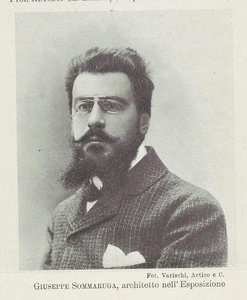
Giuseppe Sommaruga
1867 - 1917