

 Предпросмотр
 Поделиться
 Поделиться
 Детали произведения

 Скачать
 Похожие работы
 Рентгенография
 Слайд-шоу
 Статистика
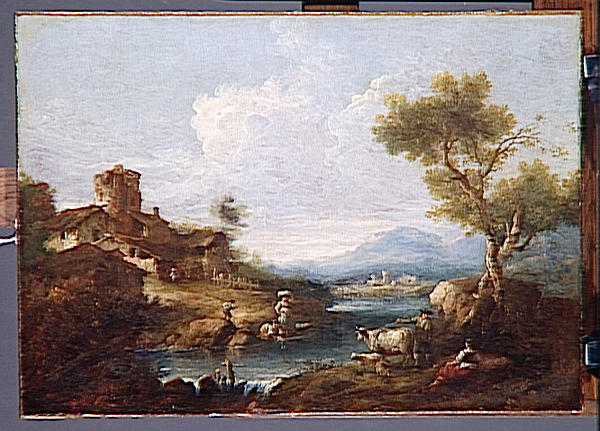
PAYSAGE PASTORAL


 Читать далее
Жикле / Арт-принт
Печать (жикле) или холст музейного качества с быстрыми сроками изготовления и широким выбором вариантов отделки. ( Купить картину ручной работы Перейти к цифровым изображениям)




P118B $10

P118H $10

P118W $10

P438Z $10

P508JH $12

P508YH $12

P805H $10

P805Z $10

P919BZ $10

P919G $10

P919XJ $10

P959ZH $10

P968JZ $12

W106C $8

W218G $10

W218JH $8

W218Y $10

W307PJ $10

W316G $10

W316PJ $8

W316Y $10

W398PJ $8

W4111J $10

W500HY $15

W500JH $15

W692G $12

W849H $8

W940BG $15

W953PJ $8




Выберите один из наших стандартных размеров, соответствующих оригинальным пропорциям произведения искусства.

Вы можете указать свои собственные размеры, чтобы репродукция идеально подошла под конкретную раму или пространство. Если выбранный вами размер не будет соответствовать пропорциям оригинала, мы либо обрежем произведение, либо дополним изображение зеркальным отражением краев или однотонной заливкой. Перед началом производства вам будет отправлен цифровой макет для утверждения.
Пожалуйста, обратите внимание, что предварительный просмотр на экране не отображает фактическую обрезку или расширение изображения. Только макет точно покажет финальную композицию.
Несмотря на возможность заказа индивидуальных размеров, мы рекомендуем выбирать размер из предопределенного списка, чтобы сохранить оригинальные пропорции.
Доставка по всему миру () за 2 недели вместо стандартных 4/5 недель. (11 Сентябрь)

Бесплатная экспресс-доставка по всему миру

Высококачественный льняной холст

Полное страхование доставки

Гарантия возмещения таможенных пошлин

Гарантия точного соответствия цветов

100-дневная политика возврата (только при обнаружении дефектов)

Гарантия возврата 100% средств

Предложение оптовых скидок
 Вариант со стеклом доступен только для размеров менее 110 см

PAYSAGE PASTORAL
Жикле / Арт-принт
Размер репродукции
-


Итоговая стоимость
$ 62
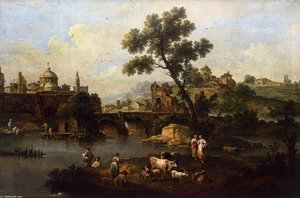
A Vision of Pastoral Serenity
To gaze upon this depiction of a pastoral landscape is to step through a veil into an idealized moment of timeless tranquility. The scene unfolds with the gentle grandeur characteristic of 18th-century landscape painting, inviting the viewer to breathe in the soft air and feel the quiet rhythm of rural life. Rolling hills, rendered in harmonious washes of earthy greens and muted yellows, cradle a winding river that acts as the very artery of the composition. It is a masterful study in balance; on one side, the anchoring presence of clustered buildings suggests human habitation nestled comfortably within nature’s embrace, while on the other, the vertical grace of trees frames the vista toward distant, hazy mountains. The overall impression is one of profound peace, a visual balm for the modern soul.
Mastery in Light and Atmosphere
The technical execution speaks to a high degree of skill, particularly in handling light. The illumination is diffused and natural, suggesting either the soft glow of an overcast day or the gentle filtering of late afternoon sun—a quality that banishes harsh shadows and bathes everything in a unifying warmth. The artist has employed atmospheric perspective with remarkable grace; the details soften, the colors pale, as the eye travels toward the horizon, creating an almost palpable sense of depth. This subtlety is achieved through blending, where contours are suggested by delicate shifts in tone rather than sharp lines. Observe the water’s surface: it is not depicted with choppy realism, but rather with subtle variations in hue that suggest a slow, meandering current, inviting contemplation.
Historical Echoes and Artistic Context
While the subject matter—the idyllic gathering of people tending to livestock near flowing waters—is universal, its style roots us firmly in the traditions of 18th-century European art. The influence hints at the refined sensibilities that characterized periods bridging Rococo lightness with emerging Neoclassical structure. Such scenes were not merely decorative; they were often philosophical statements, celebrating humanity’s harmonious relationship with the bountiful earth. For collectors and designers, owning a reproduction like this piece allows one to incorporate a segment of historical artistry into contemporary décor, evoking the sophisticated taste for natural beauty prized during that era.
Symbolism and Emotional Resonance
Beyond its technical merits, the painting resonates deeply on an emotional level. The pastoral setting itself has long served as a symbol of refuge—a retreat from the complexities of urban existence. The simplified figures, engaged in simple, timeless activities, underscore a yearning for simplicity and connection to the land. It speaks to a slower tempo, a life governed by natural rhythms rather than clocks. When considering this piece for an interior space, one is not simply hanging art; one is curating an atmosphere—a sanctuary of quietude that whispers tales of enduring harmony.
Похожие произведения

Биография художника
A Venetian Voice: The Life and Art of Giuseppe Zais
Giuseppe Zais, born in the humble mountain town of Forno di Canale near Belluno in 1709, emerged as a significant, though often overlooked, figure within the vibrant landscape painting tradition of 18th-century Venice. His life story, while lacking dramatic flourishes, speaks to the dedication and subtle artistry that characterized his nearly five decades of work. Moving to Venice at a young age – likely around 1725 or 1730 – Zais immersed himself in the artistic currents of the city, a period already steeped in the legacy of masters like Canaletto and Guardi. While he wouldn’t achieve their widespread renown, his contribution to the *veduta* genre—the highly detailed, often panoramic views of cities—is nonetheless noteworthy, offering a unique perspective on the beauty and atmosphere of the Venetian lagoon.Early Influences and Artistic Development
Zais's artistic journey was shaped by two key figures: Marco Ricci and Francesco Zuccarelli. Ricci, also hailing from Belluno, profoundly influenced his initial approach to landscape. He absorbed Ricci’s penchant for scenographic compositions—landscapes framed by lush trees with villages nestled within—and adopted the use of etching as a means of disseminating his designs. These early works reveal a focus on descriptive power and a pleasing aesthetic simplicity. However, Zais soon sought further refinement, turning to Francesco Zuccarelli for guidance. Zuccarelli’s influence softened Ricci's dramatic effects, introducing an increased elegance into Zais’s palette and technique. This period saw the development of his distinctive style—a blend of atmospheric luminosity, rich color, and a delicate touch that often bordered on affectation. While contemporaries like Bartolomeo Pedon and Matteo Stom had already established a strong tradition of Venetian landscape painting, Zais carved out his own niche through this synthesis of influences.Frescoes and Patronage: A Career in Venice
Zais’s career unfolded primarily within the confines of Venice itself. Registered with the Fraglia, the city's painters’ guild, from 1748 to 1768, he steadily built a reputation as a skilled landscape artist. His most celebrated achievement lies in the frescoes adorning Villa Pisani in Stra, created between 1760 and 1765. These expansive works showcase his mastery of decorative painting and his ability to capture the idyllic beauty of the Venetian countryside. Beyond this commission, Zais benefited from a network of patrons, including Joseph Smith, a prominent English consul residing in Venice. Smith’s support likely played a crucial role in establishing Zais's position within the artistic community. In 1774, he was elected to the Accademia Veneziana—a testament to his growing recognition among his peers.A Legacy of Tranquility and Vedute
Despite achieving membership in the Academy, Zais’s later years were marked by financial hardship. He died in poverty at Treviso in 1784, a fate not uncommon for artists of the period. However, his artistic legacy endures through the surviving examples of his work. His paintings—often depicting pastoral scenes and tranquil harbor views—offer a glimpse into the everyday life and picturesque landscapes of 18th-century Venice. While he may not have possessed the virtuosity of Canaletto or the dramatic flair of Guardi, Zais’s art possesses a unique charm and sensitivity. He excelled at capturing the subtle nuances of light and atmosphere, creating scenes that evoke a sense of peace and serenity. His *vedute* paintings, though less focused on architectural precision than those of his contemporaries, offer a more intimate and emotionally resonant portrayal of the Venetian world.Rediscovering Zais: A Place in Art History
Today, Giuseppe Zais is increasingly recognized as an important figure within the broader context of Italian landscape painting. His works can be found in prominent collections such as the Gallerie dell'Accademia in Venice and the Museum of Bassano del Grappa. Scholars continue to explore his artistic development, highlighting the influence of Ricci and Zuccarelli while also acknowledging his unique contributions to the *veduta* genre. Zais’s art serves as a reminder that beauty can be found not only in grand spectacle but also in quiet contemplation. His paintings offer a valuable window into the social and cultural life of 18th-century Venice, capturing the essence of a city renowned for its artistic splendor and enduring allure. His legacy is one of tranquility, skillful execution, and a deep appreciation for the natural world—qualities that continue to resonate with viewers today.
Giuseppe Zais
1709 - 1781 , Italy
Основные сведения
- Artistic Movement Or Style: Veduta painting
- Artists Or Movements Influenced By This Artist: ['Rococo']
- Artists Who Influenced This Artist:
- Marco Ricci
- Francesco Zuccarelli
- Date Of Birth: March 22, 1709
- Date Of Death: October 29, 1784
- Full Name: Giuseppe Zais
- Nationality: Italian
- Notable Artworks:
- Landscape with River & Bridge
- The Swing
- PAYSAGE PASTORAL
- Place Of Birth: Forno di Canale, Italy
Похожие статьи

Романтический пейзаж: 10 шедевров, изменивших искусство | ArtsDot.com
Погрузитесь в мир романтического пейзажа! 10 шедевров Фридриха, Тёрнера и других гениев. Узнайте историю создания культовых картин и вдохновитесь для декора интерьера. Репродукции высокого качества на ArtsDot.com.
From Grandeur to Grace: Exploring the Evolution of Baroque & Rococo Art
Explore the captivating evolution from Baroque's drama to Rococo's grace! Discover key artists, characteristics & lasting influence of these art movements with expert insights at ArtsDot.

Джон Констебль: 25 шедевров английского пейзажа для вашего интерьера
Погрузитесь в мир английского пейзажа с Джоном Констеблом! 25 шедевров романтизма, история создания картин и вдохновение для вашего интерьера. Репродукции высокого качества на ArtsDot.com – искусство для ценителей.
Idyllic Visions: Exploring the Pastoral Scene in Art History – From Arcadia to Modern Interpretations
Explore the captivating history of pastoral art from classical Arcadia to modern masterpieces. Discover key artists like Millet & Cole at ArtsDot. Find serene landscape paintings for your home.
Idyllic Visions: Exploring the Pastoral Tradition in Western Art – Themes, Techniques & Enduring Appeal
Explore the rich history of pastoral art from classical Arcadia to contemporary interpretations. Discover key artists, themes & collecting tips at ArtsDot.