Предпросмотр
 Поделиться
 Поделиться
 Детали произведения

 Скачать
 Похожие работы
 Рентгенография
 Слайд-шоу
 Статистика
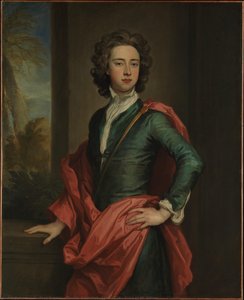
Карл Блекерк (1670–1726), герцог Сент-Альбанс
 Акрил на холсте
- Настенный декор
- Baroque Style
 1690
1690 127.0 x 103.0 cm
 Музей Метрополитен
 Читать далее
Жикле / Арт-принт
Печать (жикле) или холст музейного качества с быстрыми сроками изготовления и широким выбором вариантов отделки. ( Купить картину ручной работы Перейти к цифровым изображениям)




P118B $10

P118H $10

P118W $10

P438Z $10

P508JH $12

P508YH $12

P805H $10

P805Z $10

P919BZ $10

P919G $10

P919XJ $10

P959ZH $10

P968JZ $12

W106C $8

W218G $10

W218JH $8

W218Y $10

W307PJ $10

W316G $10

W316PJ $8

W316Y $10

W398PJ $8

W4111J $10

W500HY $15

W500JH $15

W692G $12

W849H $8

W940BG $15

W953PJ $8




Выберите один из наших стандартных размеров, соответствующих оригинальным пропорциям произведения искусства.

Вы можете указать свои собственные размеры, чтобы репродукция идеально подошла под конкретную раму или пространство. Если выбранный вами размер не будет соответствовать пропорциям оригинала, мы либо обрежем произведение, либо дополним изображение зеркальным отражением краев или однотонной заливкой. Перед началом производства вам будет отправлен цифровой макет для утверждения.
Пожалуйста, обратите внимание, что предварительный просмотр на экране не отображает фактическую обрезку или расширение изображения. Только макет точно покажет финальную композицию.
Несмотря на возможность заказа индивидуальных размеров, мы рекомендуем выбирать размер из предопределенного списка, чтобы сохранить оригинальные пропорции.
Доставка по всему миру () за 2 недели вместо стандартных 4/5 недель. (15 Сентябрь)

Бесплатная экспресс-доставка по всему миру

Высококачественный льняной холст

Полное страхование доставки

Гарантия возмещения таможенных пошлин

Гарантия точного соответствия цветов

100-дневная политика возврата (только при обнаружении дефектов)

Гарантия возврата 100% средств

Предложение оптовых скидок
 Вариант со стеклом доступен только для размеров менее 110 см

Карл Блекерк (1670–1726), герцог Сент-Альбанс
Жикле / Арт-принт
Размер репродукции
-


Итоговая стоимость
$ 62
О Чарльзе Бьюклэрке (1670–1726), герцоге де Сент-Альбане и его портрет Годри Киллера
Портрет Чарльза Бьюклэрка, герцога де Сент-Альбана, работы Годри Киллера является одним из самых ярких произведений барокко английской живописи XVII века. Созданный между 1690 и 1695 годами киллером, этот портрет не только демонстрирует мастерство художника, но и отражает ключевые тенденции эпохи реставрации и сложные вопросы социального статуса и идентичности того времени. Искусство Киллера оказало значительное влияние на формирование английской художественной культуры и до сих пор вдохновляет художников и коллекционеров по всему миру.- Тема и Исторический Контекст: Чарльз Бьюклэрк был незаконнорожденным сыном короля Карла II и актрисы Нэл Гвинн – известной театральной дамы того времени. Его жизнь была полна противоречий и интриг, что отразилось в историческом контексте эпохи реставрации и особенно в стремлении Бьюклэрка утвердить свое место в высшем обществе после смерти отца. Портрет был создан в период восстановления английской монархии после десятилетий гражданских войн и является свидетельством новой политической реальности.
- Стиль и Техника: Годри Киллер был одним из самых выдающихся художников барокко своей эпохи, и его стиль характеризуется широкими мазками кисти и использованием светотени для создания объемных изображений. Этот портрет выполнен в традиционной технике маслом на холсте и отличается высокой детализацией и реалистичной передачей текстуры тканей и кожи. Киллер был известен своими "Кит-Кат портретами", которые были особенно популярны среди английской аристократии и отражали стремление художников передать социальный статус и индивидуальность своих заказчиков.
- Символизм и Композиция: Композиция картины тщательно продумана и имеет символическое значение. Бьюклэрк изображен в полутора профиле, что является распространенной традицией портретной живописи того времени и подчеркивает достоинство и элегантность модели. Фон картины представляет собой римские руины и туманные пейзажи – элементы классической культуры и природы, которые использовались художниками для создания атмосферы величия и благородства. Окружающие растения символизируют молодость и жизненную энергию.
- Эмоциональный Эффект: Портрет Бьюклэрка производит впечатление спокойствия и уверенности в себе, несмотря на скрытую юношескую уязвимость. Киллер мастерски передает эмоциональное состояние модели через выражение лица и положение тела, создавая образ человека, который осознает свое место в мире и обладает внутренним достоинством. Этот портрет является прекрасным примером искусства барокко и демонстрирует способность художника создавать произведения искусства, которые вызывают глубокие эмоции у зрителя.
Похожие произведения

Биография художника
The Cosmopolitan Brush: Godfrey Kneller and the Shaping of English Portraiture
Godfrey Kneller, born in Lübeck, Germany, in 1646, wasn’t merely a painter who found success on English shores; he was an architect of its artistic identity. His arrival in London around 1676, following periods of study and work in Italy and France, coincided with a burgeoning desire for a distinctly English style – one that moved beyond the imitation of continental masters. Kneller didn’t simply fulfill this need, he *defined* it. He wasn't born into privilege; his father was a modest Mennonite painter, and young Godfrey received his initial training within the family workshop. This grounding in craft, coupled with an insatiable appetite for learning, propelled him towards Italy, where he absorbed the influence of Baroque masters like Guido Reni and Annibale Carracci. However, it was Paris, under the tutelage of Simon Vouet’s nephew, that truly began to shape his grand, theatrical style – a style perfectly suited to the tastes of the Restoration court.From Royal Patronage to National Iconography
Kneller's ascent in England was remarkably swift. He secured commissions from prominent figures almost immediately, but it was his appointment as Principal Painter to King Charles II in 1679 that cemented his position at the heart of English artistic life. This role wasn’t just about painting portraits; it was about creating an image of power and legitimacy for the monarchy. Kneller understood this implicitly. His royal portraits – bold, imposing, and richly detailed – weren't simply likenesses; they were statements of authority. He moved away from the stiff formality of earlier English portraiture, introducing a dynamism and psychological depth that had been largely absent. He wasn’t afraid to depict his sitters with flaws, but always within a framework that emphasized their status and character. This ability to balance realism with idealization proved incredibly popular. Beyond the royal family, Kneller became *the* portraitist of the English elite – dukes, earls, bishops, admirals, and literary figures all clamored for his services.The Kit-Cat Club and a Portrait Style Defined
Kneller’s influence extended far beyond his brushstrokes. He was a central figure in London's vibrant intellectual and social circles, most notably as a founding member of the Kit-Cat Club – a gathering of Whig politicians, writers, and artists. This association not only provided him with a steady stream of commissions but also shaped his artistic vision. The Kit-Cats valued wit, intelligence, and public service, and these qualities are subtly reflected in Kneller’s portraits of its members. He developed a distinctive style characterized by a loose, painterly technique, a warm color palette, and an emphasis on the sitter's personality. His famous “Kit-Cat Portraits” – a series of standardized half-length portraits featuring his clubmates – became iconic representations of English intellectual life. These works weren’t just about capturing physical resemblance; they were about celebrating a shared ethos. He also pioneered the use of cartoons, preparatory drawings used to standardize portrait production, making high-quality portraits more accessible and contributing to the widespread dissemination of his style.A Legacy Beyond Likeness: Kneller's Enduring Impact
Kneller’s impact on English art is undeniable. He established a new standard for portraiture – one that emphasized psychological realism, painterly technique, and a distinctly English sensibility. He trained a generation of artists, including some of the most important portraitists of the 18th century, such as Jonathan Richardson and Stephen Slaughter. His influence can be seen in the work of virtually every major English portrait painter who followed him. He wasn’t simply copying continental styles; he was synthesizing them with his own unique vision and adapting them to the specific needs and tastes of English society. He founded the Academy of Painting or Great Britain in 1711, a precursor to the Royal Academy, demonstrating his commitment to fostering artistic education and professionalizing the field. While later critics sometimes dismissed his work as overly formulaic or lacking in technical brilliance, Kneller’s portraits remain compelling for their ability to capture not just *what* people looked like, but *who* they were – or who they aspired to be. He died in London in 1723, leaving behind a vast body of work that continues to shape our understanding of the English elite and the artistic landscape of the late 17th and early 18th centuries.Key Achievements & Historical Significance
- Established himself as Principal Painter to King Charles II, solidifying his position at court.
- Developed a distinctive portrait style characterized by painterly technique and psychological depth.
- Pioneered the use of cartoons for standardized portrait production.
- Founded the Academy of Painting or Great Britain, promoting artistic education.
- Created iconic portraits of members of the Kit-Cat Club, representing English intellectual life.
- Transformed English portraiture from a largely imitative practice into a uniquely English art form.
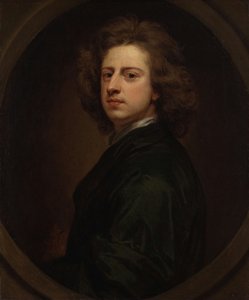
Похожие статьи

The Visceral Stage: Exploring Dramatic Narratives & Emotional Intensity in Baroque Art
Explore the dramatic world of Baroque art! Discover iconic masters like Caravaggio & Rembrandt, their techniques, and the movement's lasting impact. Expert insights for collectors & enthusiasts at ArtsDot.
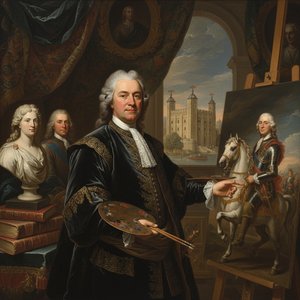
Sir Godfrey Kneller: Portraiture, Power & Artistic Identity in Restoration England
Explore the life & work of Sir Godfrey Kneller, leading portraitist of Restoration England. Discover his Baroque style, influence on aristocratic society, and lasting legacy in English art history. Learn about Kit-Cat portraits & more!

10 Шедевров Барокко: Искусство, изменившее мир | ArtsDot.com
Погрузитесь в мир барокко! 10 шедевров Караваджо, Рембрандта и других великих художников. Узнайте историю создания культовых картин и найдите идеальную репродукцию для вашего интерьера на ArtsDot.com

Барочная драма: Искусство величия в современном интерьере
Погрузитесь в мир роскоши и величия барокко! Узнайте об истории стиля, ключевых элементах интерьера и архитектуре. Вдохновляйтесь с и создайте свой неповторимый дизайн.

The Dramatic Flourish: Exploring the Baroque Movement's Enduring Legacy in Art History
Explore the dramatic world of Baroque art! Discover iconic artists like Caravaggio & Rubens, defining techniques, and its lasting impact on art history. Expert insights for collectors & enthusiasts at ArtsDot.