

 Предпросмотр
 Поделиться
 Поделиться
 Детали произведения

 Скачать
 Похожие работы
 Рентгенография
 Слайд-шоу
 Статистика
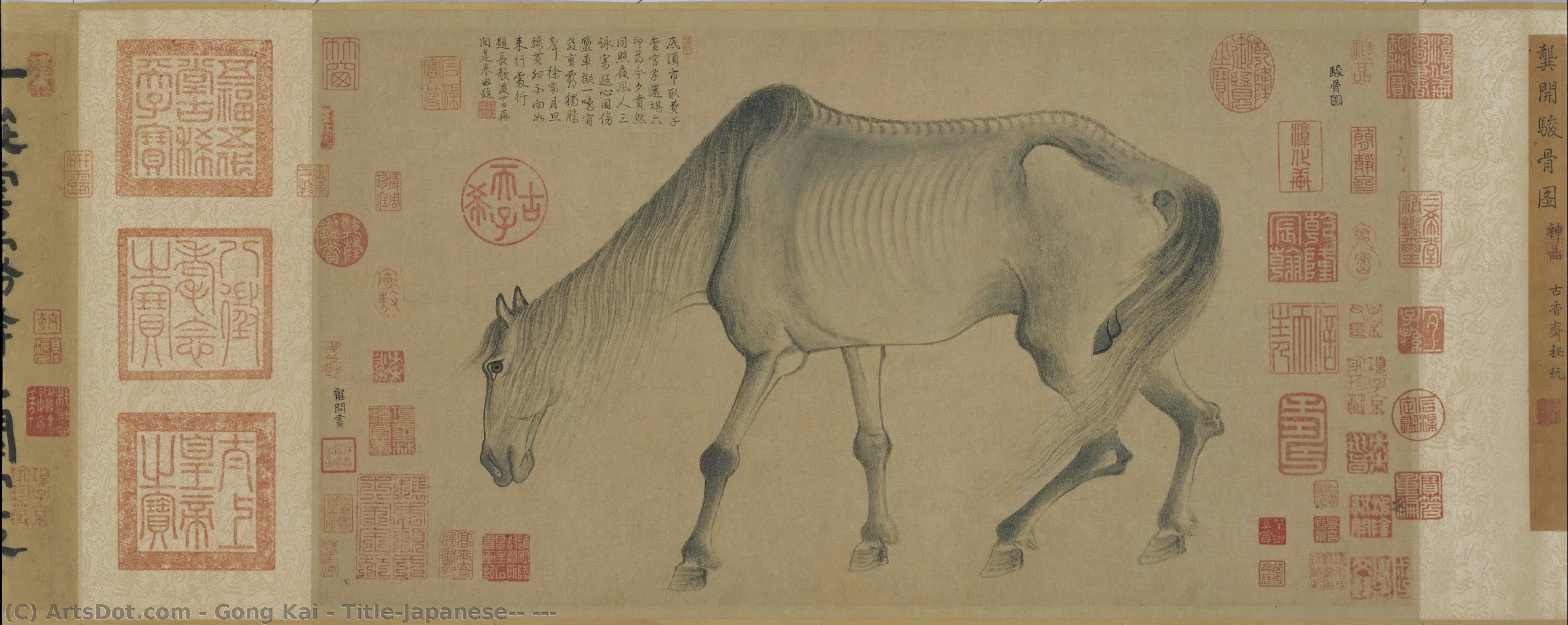
Title(Japanese): 駿骨図
 1300
1300 56.0 x 29.0 cm
 Музей изящных искусств города Осака
 Читать далее
Приобретите цифровое изображение высокого разрешения в улучшенном качестве, которое значительно превосходит онлайн-превью.
Каждый файл тщательно подготавливается нашими специалистами с использованием передовых инструментов и экспертной ручной ретуши. Мы гарантируем исключительную четкость, точную цветопередачу и детальную проработку каждого изображения.
Финальный файл доставляется по электронной почте в течение 72 часов и оптимизирован для немедленного использования в профессиональной среде, при верстке и печати. Это тот же уровень качества, которому доверяют ведущие дизайнерские студии, издательства и галереи.
Цифровое изображение
Скачайте файл высокого разрешения для личного использования, печати и творческих проектов. ( Перейти к печати Купить картину ручной работы)
Включено в каждый заказ цифровых изображений
Гарантия экспертной цифровой доставки
Выбирая ArtsDot.com, вы получаете не просто изображение — вы приобретаете профессионально обработанное цифровое произведение искусства, созданное с безупречной точностью и под защитой гарантии качества. Вот всё, что автоматически входит в ваш заказ:

Мгновенная доставка по e-mail
Ваш цифровой файл в высоком разрешении будет отправлен вам по электронной почте в течение 72 часов после оформления заказа — и сразу станет доступен для использования.

Цифровой файл с ИИ-улучшением
Ваше произведение искусства проходит профессиональную оптимизацию с использованием передовых инструментов ИИ и ручной обработки, что гарантирует максимальную детализацию, четкость и точность цветопередачи.

Бессрочная бесплатная повторная доставка
Случайно удалили или потеряли файл? Не беспокойтесь — мы отправим его вам повторно в любое время и совершенно бесплатно.

Без импортных пошлин — навсегда
Наслаждайтесь вашим произведением искусства мгновенно без таможенных пошлин, сборов или затрат на доставку — цифровые загрузки всегда не облагаются налогом.

Гарантия точности цветопередачи
Мы гарантируем, что ваше цифровое изображение максимально точно передает оригинальные цвета благодаря использованию профессиональных инструментов и систем управления цветом.

Гарантия удовлетворенности 100 дней
Если вы не будете удовлетворены своим цифровым изображением, мы внесем правки или вернем 100% стоимости в течение 100 дней — без лишних вопросов.

100% Гарантия возврата средств
Не удовлетворены покупкой? Получите полный возврат средств в течение 100 дней после получения цифрового файла — без лишних вопросов.

Скидки на оптовые заказы
Купите 3 изображения, сэкономьте 10% — Купите 5, сэкономьте 15% — Купите 10+, сэкономьте 20%. Отличное решение для творческих проектов, галерей и агентств.
Похожие произведения









Биография художника
Don Enright: A Pioneer of Big Game Wildlife Art
Don Enright (1903 – 1987) stands as a pivotal figure in the history of American wildlife art, particularly renowned for his evocative depictions of big game animals in expansive landscapes. Born in Washington State, Enright’s artistic journey began modestly, initially pursuing work as a commercial illustrator before dedicating himself fully to capturing the grandeur and spirit of the natural world. His career spanned nearly seven decades, during which he produced an astonishing body of work – over 300 paintings – that cemented his legacy as one of the most celebrated wildlife artists of the 20th century. Enright’s art wasn't merely about accurate representation; it was a deeply felt appreciation for the wilderness and its inhabitants, imbued with a sense of respect and wonder.Early Life and Artistic Beginnings
Enright’s early life instilled in him a profound connection to the outdoors. Growing up on a ranch in Washington State provided constant exposure to wildlife and the vastness of the landscape – experiences that would profoundly shape his artistic vision. Initially, he worked as an illustrator for various publications, honing his skills in composition, perspective, and rendering detail. This commercial experience proved invaluable, teaching him how to effectively communicate ideas through visual means. However, it was a chance encounter with the work of Charles Henry Simpson, a renowned wildlife artist, that truly ignited Enright’s passion for painting animals in their natural habitats. Simpson's emphasis on capturing the animal's personality and movement served as a significant inspiration.Style and Technique: A Master of Impressionistic Realism
Enright’s artistic style is often described as a blend of impressionistic realism. He skillfully employed loose brushstrokes and vibrant colors to convey the atmosphere and light of the landscapes he depicted, while simultaneously rendering his subjects with remarkable accuracy and detail. He was particularly adept at capturing the texture of fur, feathers, and hides, creating an illusion of tactile reality. Unlike many wildlife artists who focused solely on the animal itself, Enright consistently integrated them seamlessly into their environments, emphasizing their place within a larger ecosystem. His compositions frequently utilized dramatic lighting – often utilizing backlighting or sidelighting – to create depth, mood, and a sense of drama. He was also known for his use of atmospheric perspective, subtly blurring distant elements to convey the vastness of the landscapes he portrayed.Duck Stamp Artist and Recognition
Enright’s artistic talents gained widespread recognition through his prolific work as a duck stamp artist. From 1947 to 1978, he designed over 30 official U.S. Fish & Wildlife Service duck stamps, each depicting a different waterfowl species in its natural habitat. These stamps not only served as hunting licenses but also became iconic symbols of conservation efforts, and Enright’s artwork played a crucial role in raising awareness about the importance of protecting America's wildlife resources. His duck stamp designs were celebrated for their beauty, accuracy, and ability to capture the essence of the featured species. The success of his duck stamps significantly boosted his profile within the art world and established him as a leading figure in wildlife illustration.Legacy and Influence
Don Enright’s impact on American wildlife art is undeniable. He demonstrated that it was possible to create powerful, emotionally resonant images of animals while simultaneously respecting their natural habitats. His work continues to inspire artists today, and his legacy as a master of big game wildlife art remains secure. His paintings are held in numerous museums and private collections across the United States, testament to the enduring appeal of his evocative depictions of the American wilderness. Beyond his artistic achievements, Enright’s dedication to conservation served as an example for future generations of artists and environmental stewards. His work stands as a reminder of the beauty and importance of preserving our natural world.
gong kai
1222 - 1307 , China
Основные сведения
- Artistic Movement Or Style: Big game wildlife, duck stamp artist
- Date Of Death: 1987
- Full Name: Don Enright
- Nationality: American
- Notable Artworks: ['Big game wildlife landscapes']
- Place Of Birth: Washington