


 Предпросмотр
 Поделиться
 Поделиться
 Детали произведения

 Скачать
 Похожие работы
 Рентгенография
 Слайд-шоу
 Статистика
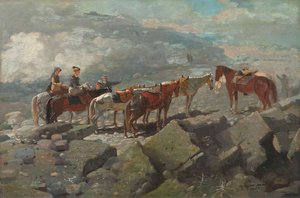
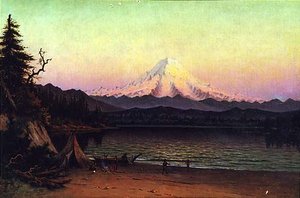
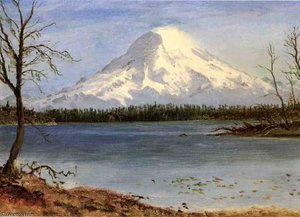
Mount Tacoma, Washington Territory


 Читать далее
Масляная репродукция ручной работы
Картина маслом на холсте в выбранном вами размере и раме, написанная на заказ нашими художниками. ( Перейти к печати Перейти к цифровым изображениям)




P118B $10

P118H $10

P118W $10

P438Z $10

P508JH $12

P508YH $12

P805H $10

P805Z $10

P919BZ $10

P919G $10

P919XJ $10

P959ZH $10

P968JZ $12

W106C $8

W218G $10

W218JH $8

W218Y $10

W307PJ $10

W316G $10

W316PJ $8

W316Y $10

W398PJ $8

W4111J $10

W500HY $15

W500JH $15

W692G $12

W849H $8

W940BG $15

W953PJ $8
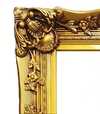
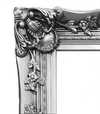
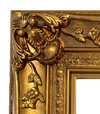
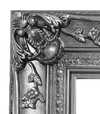
Выберите один из наших стандартных размеров, соответствующих оригинальным пропорциям произведения искусства.

Вы можете указать собственные размеры, чтобы картина идеально вписалась в выбранную раму или пространство. Если выбранный вами размер не соответствует пропорциям оригинала, мы либо обрежем полотно, либо расширим его за счет дополнительных элементов, написанных вручную. Цифровой макет будет отправлен вам на утверждение перед началом производства.
Обратите внимание, что предварительный просмотр на экране не отражает фактическую обрезку или расширение. Только макет точно покажет окончательную композицию.
Хотя доступны индивидуальные размеры, мы рекомендуем выбирать вариант из предопределенного списка, чтобы сохранить исходные пропорции.
После оформления заказа команда ArtsDot.com свяжется с клиентом по электронной почте для уточнения деталей и предоставит предварительный макет
Доставка по всему миру () за 3–4 недели вместо стандартных 5 недель. (15 Сентябрь). Без компромиссов в качестве.

Бесплатная экспресс-доставка по всему миру

Высококачественный льняной холст

Полное страхование доставки

Гарантия возмещения таможенных пошлин

Гарантия точного соответствия цветов

100-дневная политика возврата (только при обнаружении дефектов)

Гарантия возврата 100% средств

Предложение оптовых скидок
 Вариант со стеклом доступен только для размеров менее 110 см

Mount Tacoma, Washington Territory
Техника репродукции
Размер репродукции
-


Итоговая стоимость
$ 263
Похожие произведения
Биография художника
A Pioneer’s Brush: The Life and Art of Grafton Tyler Brown
Grafton Tyler Brown, a name often overlooked in the annals of American art history, stands as a remarkable figure – a self-taught African American artist who captured the breathtaking landscapes of the West with both technical skill and an independent spirit. Born in 1841 in Philadelphia, his early life was steeped in the abolitionist movement; his father, Thomas Brown, was a prominent conductor on the Underground Railroad. This upbringing undoubtedly instilled in Brown a sense of resilience and a commitment to forging his own path, qualities that would define both his personal journey and artistic career. He moved with his family to California at a young age, seeking opportunity and escaping the constraints of racial prejudice prevalent in the East. While details of his formal education remain scarce, it’s clear he possessed an innate talent for drawing and painting, nurtured by observation and self-discipline. Brown initially worked as a lithographer in San Francisco, a skill that provided him with financial stability and honed his ability to translate visual information onto paper – a crucial foundation for his later work in watercolor and oil. However, the allure of capturing the grandeur of the natural world proved too strong to resist, leading him on an extraordinary artistic adventure.From Lithography to Landscapes: Developing a Unique Vision
Brown’s transition from commercial lithography to fine art landscape painting was gradual but deliberate. He began exhibiting his work in San Francisco galleries in the 1870s, quickly gaining recognition for his depictions of California scenery. His early paintings reflect the influence of Albert Bierstadt and other luminaries of the Hudson River School, characterized by dramatic lighting, meticulous detail, and a romanticized view of nature. Yet, Brown’s work soon began to diverge from these established conventions. He eschewed the grandiose scale favored by Bierstadt, opting instead for smaller, more intimate canvases that emphasized atmospheric effects and subtle nuances of color. His palette was often muted, reflecting the dry, sun-drenched landscapes of the West. He wasn’t interested in simply replicating what he saw; he sought to convey a feeling – the vastness of space, the stillness of the mountains, the ephemeral beauty of light and shadow. This pursuit led him on extensive travels throughout California, Oregon, Washington, and even into British Columbia, Canada, documenting scenes that were largely unexplored by other artists of his time. He wasn’t merely painting landscapes; he was creating a visual record of a rapidly changing frontier, offering a unique perspective shaped by his own experiences as an African American traveler in the 19th century.The Yellowstone Series and Artistic Recognition
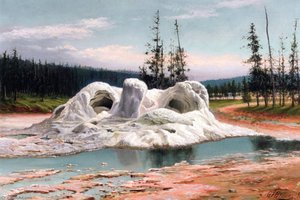
Brown's most significant artistic achievement is undoubtedly his series of paintings depicting Yellowstone National Park. In 1882, he embarked on a daring journey to the park – a remarkable feat considering the logistical challenges and potential dangers involved. He spent several months meticulously documenting the geysers, hot springs, canyons, and forests of Yellowstone, creating a collection of watercolors that are now considered invaluable historical records. These paintings are not simply picturesque views; they offer a scientific precision combined with an artistic sensibility. He captured the geological formations with remarkable accuracy, while simultaneously conveying the awe-inspiring power and beauty of nature. The series was exhibited in San Francisco to considerable acclaim, establishing Brown as a leading landscape painter of the West. He published lithographs based on these watercolors, making his work accessible to a wider audience and further solidifying his reputation. However, despite this success, Brown faced persistent challenges due to racial discrimination. Galleries often relegated his work to separate sections or denied him equal opportunities for exhibition and sale.Legacy and Historical Significance
Grafton Tyler Brown’s artistic career spanned several decades, during which he produced an impressive body of work that reflects the changing landscapes – both physical and social – of the American West. He wasn't just a painter; he was an entrepreneur, running his own art studio and publishing company, and a tireless advocate for his own artistic vision.- He challenged prevailing stereotypes about African American artists.
- His work provides a unique perspective on the Western frontier, often overlooked in traditional narratives.
- He documented scenes that were largely unexplored by other artists of his time.
Основные сведения
- Artistic Movement Or Style: Landscape painting
- Date Of Death: Living
- Full Name: Grafton Tyler Brown
- Nationality: American
- Notable Artworks:
- Yellowstone paintings
- Yosemite artwork
Похожие статьи
John George Brown: Capturing American Life & Sentiment in 19th-Century Genre Painting
Explore the captivating genre paintings of John George Brown, celebrated for his realistic depictions of 19th-century American life. Discover his legacy & find museum-quality reproductions at ArtsDot.

Топ-10 знаменитых картин в оттенках песочного коричневого: искусство и декор от ArtsDot
Погрузитесь в мир искусства с ArtsDot! Топ-10 знаменитых картин в оттенках песочного коричневого – от импрессионизма до реализма. Узнайте истории великих художников и вдохновитесь для создания уникального интерьера. Репродукции высокого качества на холсте ждут вас! Explore the full collection onlin
Ford Madox Brown: Pre-Raphaelite Visionary & Victorian Social Commentary
Explore the life & art of Ford Madox Brown, a pivotal Pre-Raphaelite painter renowned for his powerful social commentary and masterpiece 'Work'. Discover his lasting influence on British art history.
Топ-10 знаменитых картин в оттенках розово-коричневого: искусство для вашего дома от ArtsDot
Погрузитесь в мир розово-коричневых оттенков! Откройте для себя топ-10 знаменитых картин классики и импрессионизма. История искусства, вдохновение для интерьера и репродукции высокого качества на ArtsDot.com.
Топ-10 знаменитых картин в "грибных" тонах: искусство для вашего интерьера
Погрузитесь в мир искусства с нашей коллекцией из 10 знаменитых картин в "грибных" тонах! Узнайте истории Моне, Ван Гога и других великих мастеров. Репродукции высокого качества для вашего интерьера на ArtsDot.com.