


 Предпросмотр
 Поделиться
 Поделиться
 Детали произведения

 Скачать
 Похожие работы
 Рентгенография
 Слайд-шоу
 Статистика
Mt. Tacoma from Lake Washington, (painting)

 Читать далее
Масляная репродукция ручной работы
Картина маслом на холсте в выбранном вами размере и раме, написанная на заказ нашими художниками. ( Перейти к печати Перейти к цифровым изображениям)

































Выберите один из наших стандартных размеров, соответствующих оригинальным пропорциям произведения искусства.

Вы можете указать собственные размеры, чтобы картина идеально вписалась в выбранную раму или пространство. Если выбранный вами размер не соответствует пропорциям оригинала, мы либо обрежем полотно, либо расширим его за счет дополнительных элементов, написанных вручную. Цифровой макет будет отправлен вам на утверждение перед началом производства.
Обратите внимание, что предварительный просмотр на экране не отражает фактическую обрезку или расширение. Только макет точно покажет окончательную композицию.
Хотя доступны индивидуальные размеры, мы рекомендуем выбирать вариант из предопределенного списка, чтобы сохранить исходные пропорции.
После оформления заказа команда ArtsDot.com свяжется с клиентом по электронной почте для уточнения деталей и предоставит предварительный макет
Доставка по всему миру () за 3–4 недели вместо стандартных 5 недель. (15 Сентябрь). Без компромиссов в качестве.

Бесплатная экспресс-доставка по всему миру

Высококачественный льняной холст

Полное страхование доставки

Гарантия возмещения таможенных пошлин

Гарантия точного соответствия цветов

100-дневная политика возврата (только при обнаружении дефектов)

Гарантия возврата 100% средств

Предложение оптовых скидок
 Вариант со стеклом доступен только для размеров менее 110 см

Mt. Tacoma from Lake Washington, (painting)
Техника репродукции
Размер репродукции
-


Итоговая стоимость
$ 263
Похожие произведения






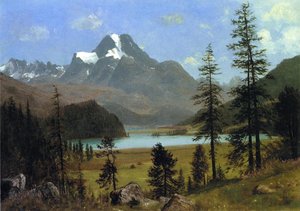
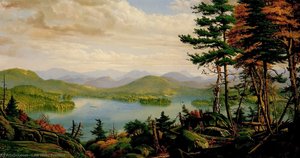
Биография художника
A Pioneer of the Pacific Frontier
Grafton Tyler Brown stands as a remarkable figure in American art history—a Black artist who achieved considerable renown for his breathtaking depictions of the American West, specifically the landscapes of Oregon, Washington, and California. Born on February 22, 1841, in Harrisburg, Pennsylvania, Brown’s early life was deeply rooted in the complex social fabric of a nation transitioning through Reconstruction. His parents, Wilhelmina and Thomas Brown, were born free in Maryland and moved to Pennsylvania, where his father became a prominent figure in the abolitionist movement. This upbringing, steeped in the resilience required by the struggle for freedom, undoubtedly shaped the independent spirit that would later define Brown’s artistic journey across the vast American frontier.
While much of his early life remains shrouded in the quietude of history, the foundations of his technical mastery were laid in Philadelphia. At just fourteen years old, Brown began working for a printer, an experience that introduced him to the intricate world of lithography—a skill that would become a cornerstone of his professional identity. His formal artistic development was furthered through brief studies at the Pratt Institute in Brooklyn, where he gained exposure to European traditions and honed the precision that would later allow him to capture the subtle nuances of the natural world.
The Art of the Expanding West
Brown’s professional ascent began in earnest as he moved westward, eventually settling in Sacramento in 1858. It was during his time working as a hotel steward and porter that his talent first caught the public eye, with local press noting his impressive ability to capture maritime scenes. As he transitioned to San Francisco, Brown established himself not only as a painter but as a skilled lithographer and cartographer, creating works that documented a rapidly transforming landscape. He holds the profound distinction of being the first African-American artist to create works specifically depicting the Pacific Northwest and California, providing a vital visual record of these territories during a period of immense change.
His body of work is characterized by an extraordinary ability to translate the grandeur of the wilderness into emotive, atmospheric canvases. Brown’s mastery lay in his meticulous attention to detail, particularly his ability to manipulate light and shadow to evoke the sheer scale of the American West. Whether he was portraying the serene, crystalline waters of Lake Tahoe or the powerful, thundering majesty of Yellowstone Falls, his paintings possessed a lifelike quality that moved beyond mere documentation. Through his brush, the "tamed Wild West" became a place of profound beauty and spiritual depth.
Legacy of a Visionary
The significance of Grafton Tyler Brown extends far beyond the aesthetic beauty of his landscapes. His career represents a triumph of artistic perseverance against the backdrop of significant racial prejudice prevalent during the 19th century. By excelling as a painter, lithographer, and cartographer, he bridged the gap between scientific documentation and fine art, disseminating his vision of the West through stunning prints that reached a wide audience.
Today, Brown’s legacy is preserved in the annals of American art as a pioneer who captured the soul of a continent. His works serve as more than just historical artifacts; they are windows into an era of exploration and discovery. The enduring power of his imagery continues to captivate modern audiences, reminding us of the profound connection between the artist's eye and the untamed majesty of the natural world.
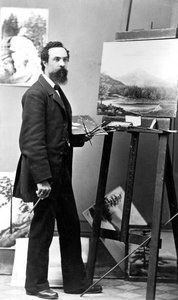
grafton tyler brown
1841 - 1918
Основные сведения
- Artistic Movement Or Style: Landscape Painting
- Artists Or Movements Influenced By This Artist: ['Romanticism']
- Artists Who Influenced This Artist: ['Hudson River School']
- Date Of Birth: February 22, 1841
- Date Of Death: March 2, 1918
- Full Name: Grafton Tyler Brown
- Nationality: American
- Notable Artworks:
- Yellowstone Falls
- Lake Tahoe from Tahoe City
- Place Of Birth: Philadelphia, Pennsylvania