

 Предпросмотр
 Поделиться
 Поделиться
 Детали произведения

 Скачать
 Похожие работы
 Рентгенография
 Слайд-шоу
 Статистика
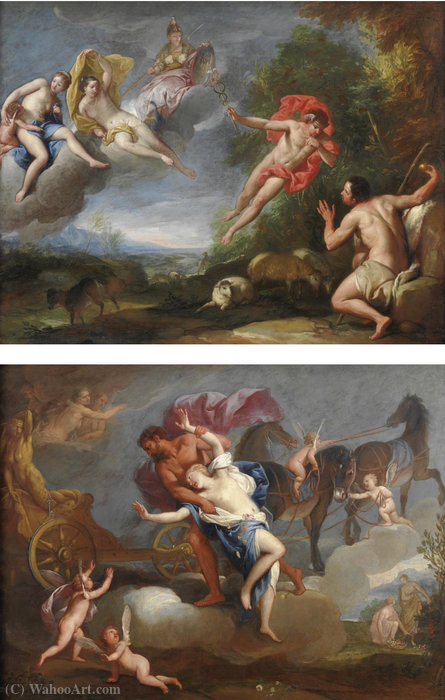
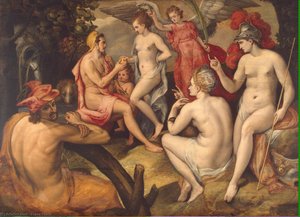
The judgement of paris the rape of proserpina

 Читать далее
Жикле / Арт-принт
Печать (жикле) или холст музейного качества с быстрыми сроками изготовления и широким выбором вариантов отделки. ( Купить картину ручной работы Перейти к цифровым изображениям)




































Выберите один из наших стандартных размеров, соответствующих оригинальным пропорциям произведения искусства.

Вы можете указать свои собственные размеры, чтобы репродукция идеально подошла под конкретную раму или пространство. Если выбранный вами размер не будет соответствовать пропорциям оригинала, мы либо обрежем произведение, либо дополним изображение зеркальным отражением краев или однотонной заливкой. Перед началом производства вам будет отправлен цифровой макет для утверждения.
Пожалуйста, обратите внимание, что предварительный просмотр на экране не отображает фактическую обрезку или расширение изображения. Только макет точно покажет финальную композицию.
Несмотря на возможность заказа индивидуальных размеров, мы рекомендуем выбирать размер из предопределенного списка, чтобы сохранить оригинальные пропорции.
Доставка по всему миру () за 2 недели вместо стандартных 4/5 недель. (13 Сентябрь)

Бесплатная экспресс-доставка по всему миру

Высококачественный льняной холст

Полное страхование доставки

Гарантия возмещения таможенных пошлин

Гарантия точного соответствия цветов

100-дневная политика возврата (только при обнаружении дефектов)

Гарантия возврата 100% средств

Предложение оптовых скидок
 Вариант со стеклом доступен только для размеров менее 110 см

The judgement of paris the rape of proserpina
Жикле / Арт-принт
Размер репродукции
-


Итоговая стоимость
$ 62
The Judgment of Paris & The Rape of Proserpina by Gregorio Lazzarini: A Baroque Masterpiece
- Artist: Gregorio Lazzarini
- Birth Year: 1657
- Death Year: 1730
- Origin: Venice, Italy
This captivating painting by Gregorio Lazzarini masterfully depicts a pivotal moment from Greek mythology – the Judgment of Paris intertwined with the abduction of Proserpina. Lazzarini, a prominent Venetian artist and influential teacher (notably to Gianbattista Tiepolo), presents a dramatic scene brimming with mythological figures and rich symbolism within the Baroque style.
Subject & Narrative
The artwork portrays Paris, a Trojan prince, tasked with judging which of three goddesses – Aphrodite, Hera, and Athena – was the fairest. Each goddess offered him a tempting gift to sway his decision: Hera promised power, Athena offered wisdom, and Aphrodite pledged irresistible beauty. Paris ultimately chose Aphrodite’s offer, setting in motion events that would lead to the Trojan War. The painting also incorporates the myth of Proserpina's abduction by Pluto (Hades), god of the underworld. This dual narrative adds layers of complexity and intrigue to the composition.
Style & Technique
Lazzarini’s style exemplifies the Baroque period, characterized by its dynamism, theatricality, and emotional intensity. The painting showcases a masterful use of light and shadow (chiaroscuro) to create dramatic contrasts and highlight key figures. Observe how Lazzarini employs swirling drapery, dynamic poses, and a sense of movement to engage the viewer. The rich, vibrant colors—particularly the golds, reds, and blues—are typical of Venetian Baroque painting, contributing to the overall opulence and grandeur of the scene. The technique likely involved oil paints on canvas, allowing for detailed rendering and subtle gradations of color.
Historical Context & Symbolism
The Judgment of Paris was a popular subject in art during the Renaissance and Baroque periods, often used to explore themes of beauty, power, and divine intervention. Lazzarini’s rendition reflects the artistic trends of 17th-century Venice, a thriving center for art and commerce. Symbolically, the painting explores the allure of earthly desires (represented by Aphrodite's gift of beauty) versus more noble virtues like wisdom and power. The inclusion of Proserpina’s abduction adds another layer of meaning, touching upon themes of fate, loss, and the cyclical nature of life and death.
Emotional Impact & Artistic Legacy
Lazzarini's "The Judgment of Paris & The Rape of Proserpina" evokes a sense of drama and intrigue. The expressions on the goddesses’ faces—Aphrodite’s seductive charm, Hera’s regal authority, Athena’s thoughtful gaze—draw the viewer into the scene. The depiction of Proserpina's abduction is both poignant and unsettling. As a teacher to Tiepolo, Lazzarini played a significant role in shaping Venetian art, and this painting exemplifies his skill as a storyteller and visual artist.
Похожие произведения




Похожие статьи

Барочная драма: Искусство величия в современном интерьере
Погрузитесь в мир роскоши и величия барокко! Узнайте об истории стиля, ключевых элементах интерьера и архитектуре. Вдохновляйтесь с и создайте свой неповторимый дизайн.

10 Шедевров Барокко: Искусство, изменившее мир | ArtsDot.com
Погрузитесь в мир барокко! 10 шедевров Караваджо, Рембрандта и других великих художников. Узнайте историю создания культовых картин и найдите идеальную репродукцию для вашего интерьера на ArtsDot.com

The Visceral Stage: Exploring Dramatic Narratives & Emotional Intensity in Baroque Art
Explore the dramatic world of Baroque art! Discover iconic masters like Caravaggio & Rembrandt, their techniques, and the movement's lasting impact. Expert insights for collectors & enthusiasts at ArtsDot.

The Dramatic Flourish: Exploring the Baroque Movement's Enduring Legacy in Art History
Explore the dramatic world of Baroque art! Discover iconic artists like Caravaggio & Rubens, defining techniques, and its lasting impact on art history. Expert insights for collectors & enthusiasts at ArtsDot.
Echoes of Olympus: Mythological Narratives in Western Art Through the Ages
Explore the captivating history of mythological narratives in Western art! From ancient Greece to modern masterpieces, discover iconic artworks & symbolism. Expert analysis and high-quality reproductions at ArtsDot.