

 Предпросмотр
 Поделиться
 Поделиться
 Детали произведения

 Скачать
 Похожие работы
 Рентгенография
 Слайд-шоу
 Статистика
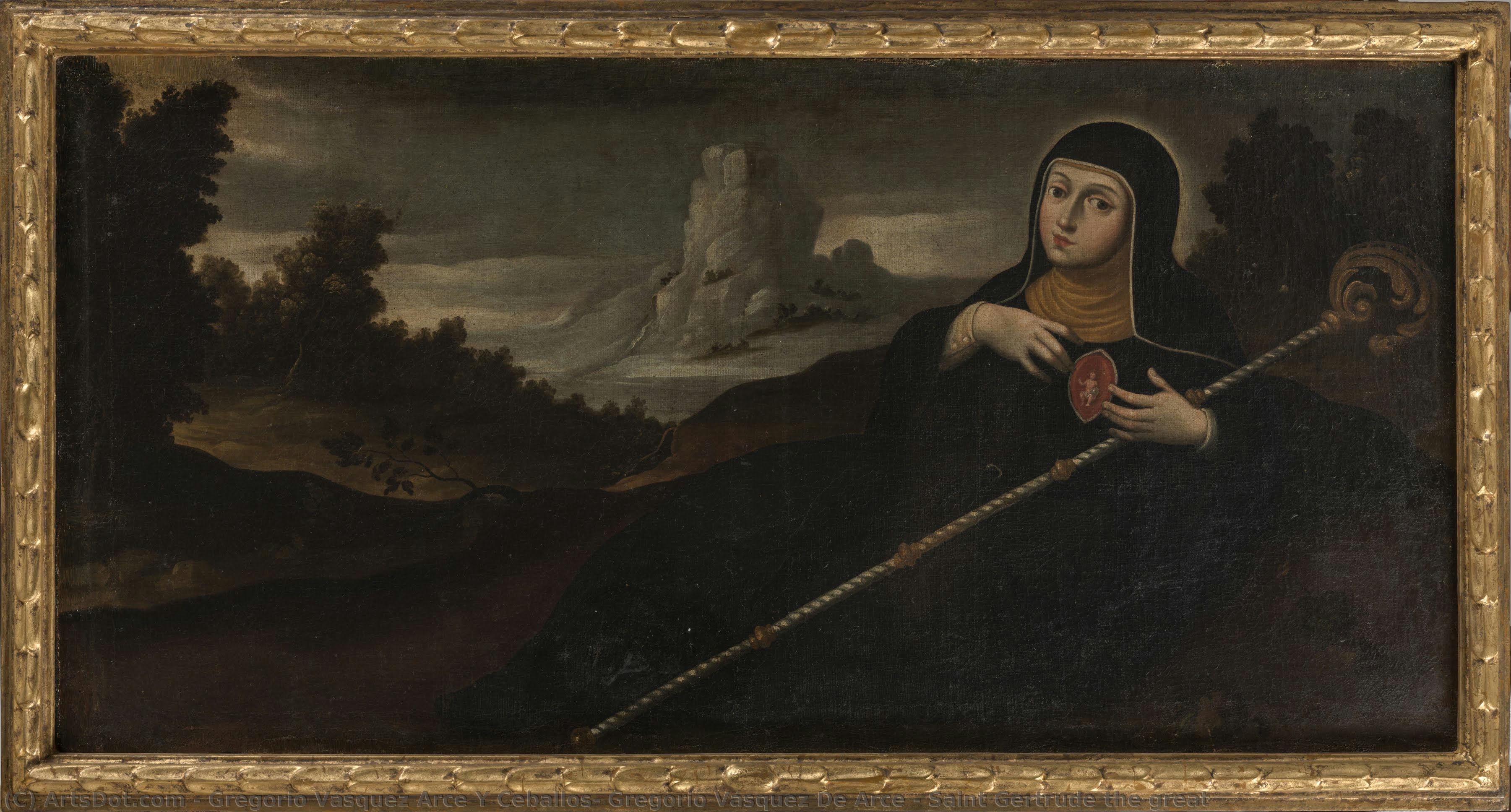
Saint Gertrude the great

 Читать далее
Жикле / Арт-принт
Печать (жикле) или холст музейного качества с быстрыми сроками изготовления и широким выбором вариантов отделки. ( Купить картину ручной работы Перейти к цифровым изображениям)




































Выберите один из наших стандартных размеров, соответствующих оригинальным пропорциям произведения искусства.

Вы можете указать свои собственные размеры, чтобы репродукция идеально подошла под конкретную раму или пространство. Если выбранный вами размер не будет соответствовать пропорциям оригинала, мы либо обрежем произведение, либо дополним изображение зеркальным отражением краев или однотонной заливкой. Перед началом производства вам будет отправлен цифровой макет для утверждения.
Пожалуйста, обратите внимание, что предварительный просмотр на экране не отображает фактическую обрезку или расширение изображения. Только макет точно покажет финальную композицию.
Несмотря на возможность заказа индивидуальных размеров, мы рекомендуем выбирать размер из предопределенного списка, чтобы сохранить оригинальные пропорции.
Доставка по всему миру () за 2 недели вместо стандартных 4/5 недель. (13 Сентябрь)

Бесплатная экспресс-доставка по всему миру

Высококачественный льняной холст

Полное страхование доставки

Гарантия возмещения таможенных пошлин

Гарантия точного соответствия цветов

100-дневная политика возврата (только при обнаружении дефектов)

Гарантия возврата 100% средств

Предложение оптовых скидок
 Вариант со стеклом доступен только для размеров менее 110 см

Saint Gertrude the great
Жикле / Арт-принт
Размер репродукции
-


Итоговая стоимость
$ 62
Похожие произведения




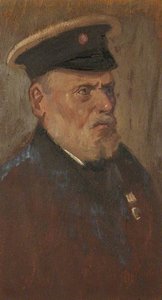


Биография художника
A Life Immersed in Baroque Splendor
Gregorio Vásquez de Arce y Ceballos, born in Bogotá, Colombia, in 1638, stands as a pivotal figure in the artistic landscape of colonial Spanish America. He wasn’t merely a painter; he was an embodiment of the Hispanic American Baroque—a style characterized by its dramatic intensity, opulent detail, and profound spiritual fervor. Vásquez flourished during a period when the Viceroyalty of New Granada pulsed with cultural energy, seeking to express both its loyalty to Spain and its burgeoning identity as a distinct society. His life, though ultimately marked by tragedy, left an indelible mark on Colombian art, establishing a uniquely American interpretation of European Baroque aesthetics. From his early training at St. Bartholomew’s College to his apprenticeship under the esteemed Baltasar Vargas de Figueroa, Vásquez absorbed the foundational principles that would shape his distinctive style. This rigorous education wasn't simply about mastering technique; it was about understanding how art could serve as a powerful instrument for religious instruction and emotional resonance within a colonial context.The Canvas as a Stage for Faith
Vásquez de Arce’s artistic output centered almost exclusively on religious themes, reflecting the dominant role of the Church in colonial life. He masterfully depicted scenes from the lives of Christ, the Virgin Mary, and various saints, imbuing each canvas with a palpable sense of drama and devotion. His paintings weren't intended as mere decorations; they were visual sermons, designed to inspire faith and reinforce religious doctrine. The Annunciation, housed in Bogotá’s Colonial Museum, exemplifies his skill—the ethereal quality of the Virgin Mary contrasted with the divine light illuminating the angel Gabriel creates a moment of profound spiritual significance. Similarly, his depictions of Saint Dominic de Guzmán and Joachim of Fiore showing portraits of Saint Dominic de Guzmán and Saint Francis of Assisi, also residing in the Colonial Museum, showcase his ability to capture both the physical likeness and the inner piety of his subjects. The Virgin of the Candelaria is another testament to his skill, radiating a serene yet powerful presence that captivated viewers then, as it continues to do today. Vásquez’s palette was rich and vibrant, employing deep reds, blues, and golds to create a sense of luxurious grandeur, while his masterful use of chiaroscuro—the dramatic interplay of light and shadow—heightened the emotional impact of each scene.European Roots, American Expression
While deeply rooted in European artistic traditions, particularly the Baroque style emanating from Spain, Vásquez de Arce wasn’t simply a copyist. He skillfully adapted these influences to the unique cultural context of New Granada, infusing his work with a distinctly American sensibility. The Spanish Baroque, already known for its theatricality and emotional intensity, found new expression in Vásquez's hands, reflecting the specific religious beliefs and social values of colonial Colombia. He wasn’t merely translating European models; he was reimagining them through an American lens. This is evident not only in his subject matter—often incorporating local interpretations of biblical stories—but also in his subtle stylistic choices, such as a preference for certain color combinations or compositional arrangements that resonated with the tastes of his colonial patrons. His work demonstrates a keen understanding of how to use art to bridge cultural divides and create a sense of shared identity within a diverse society.A Tragic Descent and Enduring Legacy
Despite achieving considerable artistic success, Vásquez de Arce’s later life was marred by scandal and misfortune. In 1701, he became embroiled in the kidnapping of Doña María Teresa de Orgaz from the Santa Clara Convent—a transgression that led to his imprisonment and subsequent impoverishment. This event marked a turning point in his life, effectively ending his artistic career. He never painted again, succumbing to despair and ultimately passing away in Bogotá in 1711. The circumstances surrounding his downfall remain shrouded in mystery, but they serve as a poignant reminder of the precariousness of life in colonial society. Yet, despite this tragic end, Vásquez de Arce’s legacy endured. In 1863, the Colombian government recognized his importance by erecting a commemorative plaque at the house where he was born and died—a testament to his lasting contribution to Colombian art and culture. Today, his works continue to be celebrated for their artistic merit, historical significance, and enduring spiritual power.- His paintings offer invaluable insights into the religious beliefs of 17th-century Colombia.
- He played a crucial role in establishing a distinctly American Baroque style.
- Vásquez’s work remains a source of national pride for Colombians.
gregorio vásquez arce y ceballos, gregorio vásquez de arce
1638 - 1711 , Colombia
Основные сведения
- Artistic Movement Or Style: Hispanic American Baroque
- Artists Who Influenced This Artist: ['Baltasar Vargas de Figueroa']
- Date Of Birth: May 9, 1638
- Date Of Death: August 6, 1711
- Full Name: Gregorio Vásquez de Arce y Ceballos
- Nationality: Spanish Neogranadine
- Notable Artworks:
- Joachim of Fiore
- Saint Dominic de Guzmán
- Annunciation
- Virgin of the Candelaria
- Place Of Birth: Bogotá, Colombia