

 Предпросмотр
 Поделиться
 Поделиться
 Детали произведения

 Скачать
 Похожие работы
 Рентгенография
 Слайд-шоу
 Статистика
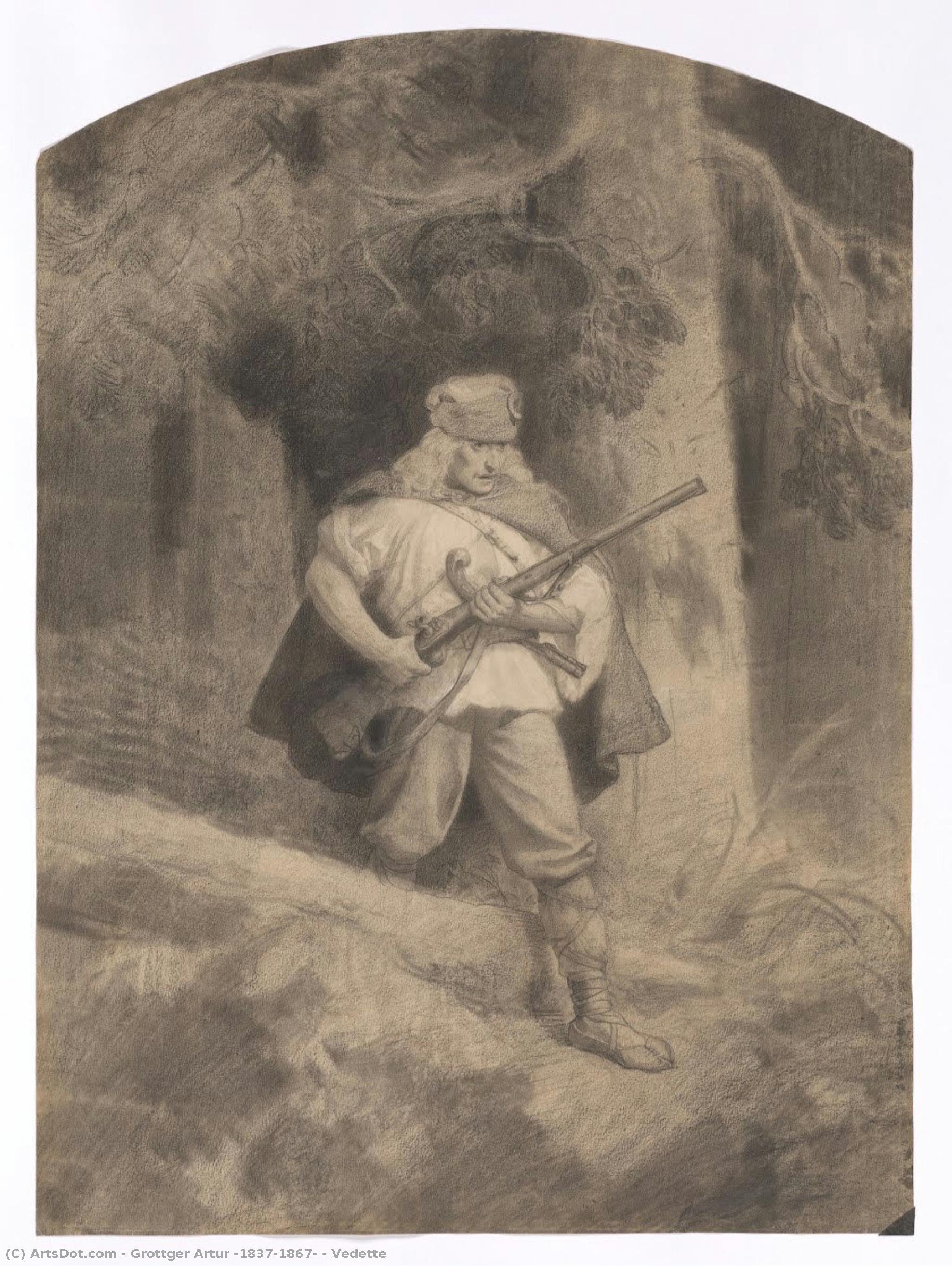
Vedette
 Acrylic On Canvas
- WallArt
- Late Romanticism
 1865
1865 5.0 x 41.0 cm
 Королевский замок Вавель
 Читать далее
Масляная репродукция ручной работы
Картина маслом на холсте в выбранном вами размере и раме, написанная на заказ нашими художниками. ( Перейти к печати Перейти к цифровым изображениям)




P118B $10

P118H $10

P118W $10

P438Z $10

P508JH $12

P508YH $12

P805H $10

P805Z $10

P919BZ $10

P919G $10

P919XJ $10

P959ZH $10

P968JZ $12

W106C $8

W218G $10

W218JH $8

W218Y $10

W307PJ $10

W316G $10

W316PJ $8

W316Y $10

W398PJ $8

W4111J $10

W500HY $15

W500JH $15

W692G $12

W849H $8

W940BG $15

W953PJ $8




Выберите один из наших стандартных размеров, соответствующих оригинальным пропорциям произведения искусства.

Вы можете указать собственные размеры, чтобы картина идеально вписалась в выбранную раму или пространство. Если выбранный вами размер не соответствует пропорциям оригинала, мы либо обрежем полотно, либо расширим его за счет дополнительных элементов, написанных вручную. Цифровой макет будет отправлен вам на утверждение перед началом производства.
Обратите внимание, что предварительный просмотр на экране не отражает фактическую обрезку или расширение. Только макет точно покажет окончательную композицию.
Хотя доступны индивидуальные размеры, мы рекомендуем выбирать вариант из предопределенного списка, чтобы сохранить исходные пропорции.
После оформления заказа команда ArtsDot.com свяжется с клиентом по электронной почте для уточнения деталей и предоставит предварительный макет
Доставка по всему миру () за 3–4 недели вместо стандартных 5 недель. (13 Сентябрь). Без компромиссов в качестве.

Бесплатная экспресс-доставка по всему миру

Высококачественный льняной холст

Полное страхование доставки

Гарантия возмещения таможенных пошлин

Гарантия точного соответствия цветов

100-дневная политика возврата (только при обнаружении дефектов)

Гарантия возврата 100% средств

Предложение оптовых скидок
 Вариант со стеклом доступен только для размеров менее 110 см

Vedette
Техника репродукции
Размер репродукции
-


Итоговая стоимость
$ 263
The Haunting Beauty of “Vedette” – A Portrait of Intensity
Artur Grottger’s “Vedette,” painted in 1865, is not merely a depiction of a man holding a firearm; it's a profoundly unsettling and intensely human portrait that speaks volumes about the anxieties and uncertainties of its time. Created during a period of immense political upheaval in Poland – a nation partitioned amongst empires – the painting transcends a simple narrative of armed vigilance to become a meditation on power, vulnerability, and the shadowed corners of the male psyche. Grottger, a Ukrainian artist working primarily in Vienna and Kraków, masterfully employed the techniques of crayon drawing, lending the image a remarkable level of detail and a subtly melancholic quality.
The subject himself is shrouded in ambiguity. He’s not a heroic figure charging into battle, but rather a man caught in a moment of quiet contemplation, his gaze fixed directly on the viewer with an unnerving directness. The rifle held loosely in his hand isn't brandished aggressively; it feels like an extension of his own being, a symbol of both protection and potential destruction. The background – a stark, almost oppressive wall – contributes to this sense of confinement and unease. Notice the subtle textures created by Grottger’s meticulous crayon strokes, particularly in the man's clothing and the rough surface of the wall, adding layers of tactile detail that draw us into the scene.
A Glimpse into a Troubled Era
To fully appreciate “Vedette,” it’s crucial to understand the historical context in which it was created. Poland was reeling from the failed January Uprising of 1863-64, a brutal suppression that left deep scars on the national psyche. Grottger, deeply affected by these events and driven by patriotic fervor, channeled his experiences into his art. The painting reflects this turbulent period – a sense of simmering tension, suppressed anger, and a profound awareness of mortality. The inclusion of the second figure in the background, partially obscured, hints at the presence of unseen forces and perhaps even the consequences of violence.
Interestingly, “Vedette” shares thematic resonances with the concept of the ‘vedette’ – a leading female performer in Parisian cabarets of the late 19th century. This figure, often depicted as alluring yet dangerous, embodied both glamour and vulnerability. Grottger's painting can be interpreted as an exploration of similar duality, mirroring the complex roles women played during this era—subjects of both admiration and suspicion.
Symbolism and Emotional Resonance
Beyond its historical context, “Vedette” is rich in symbolic meaning. The rifle itself represents not just military power but also the burden of responsibility and the potential for violence inherent within human nature. The man’s intense gaze suggests a deep introspection, perhaps even a sense of regret or foreboding. The muted color palette – dominated by browns, grays, and blacks – reinforces this atmosphere of somber reflection. The bird perched near the top left corner could symbolize hope amidst despair, or perhaps simply a reminder of fleeting beauty in a world marked by conflict.
The painting’s emotional impact is undeniably powerful. It doesn't offer easy answers or comforting resolutions; instead, it compels us to confront uncomfortable truths about human nature and the consequences of political turmoil. “Vedette” lingers in the mind long after viewing, prompting questions about power, vulnerability, and the enduring legacy of conflict.
A Reproduction Worth Admiring
Reproductions of "Vedette" capture a significant portion of its original impact, offering an accessible way to experience Grottger’s masterful artistry. ArtsDot offers high-quality reproductions in various sizes, allowing you to bring this evocative piece into your home or office. Consider the dimensions carefully – the painting's intimate scale invites close contemplation, while larger formats can create a dramatic focal point within a room. The meticulous detail of Grottger’s crayon drawing is particularly well-suited to digital reproduction, ensuring that the subtle textures and nuanced tones are faithfully preserved.
If you're seeking an artwork that transcends mere decoration and offers a profound reflection on human experience, “Vedette” by Artur Grottger is a compelling choice. It’s a hauntingly beautiful portrait of intensity—a testament to the artist’s skill and his ability to capture the complexities of a troubled era.
Похожие произведения


Биография художника
Early Life and Education
- Born: November 11, 1837, in Otynevychi, Ukraine
- Died: December 13, 1867, in Amélie-les-Bains, France
- His father, Jan Józef Grottger, was a Polish officer and amateur artist.
- Received initial drawing lessons from his father.
- Studied under Jan Kanty Maszkowski in Lviv (1849).
- Attended the School of Fine Arts in Kraków (1852-1854) with Wojciech Korneli Stattler and Władysław Łuszczkiewicz.
Career and Artistic Development
- Studied at the Academy of Fine Arts in Vienna (1854-1859) under Karl Blaas, Karl Mayer, Karl Wurzinger, Peter Geiger, and Christian Ruben.
- Worked as an illustrator for newspapers like Mussustunden and Illustrierte Zeitung in Vienna.
- Traveled extensively throughout Europe, including Munich, Venice, and Hungary, supported by Count Alexander von Pappenheim.
- Developed a distinctive style characterized by late Romanticism, influenced by Caspar David Friedrich.
- Created series of patriotic drawings depicting the January Uprising (1863) and its aftermath: Warszawa I (1861), Warszawa II (1862), Polonia (1863), and Lituania (1864-1866).
- Worked on the series *Wojna* (War) in 1866, intended for the International Exposition of 1867 in Paris.
Major Works and Artistic Significance
- Warszawa I & II: Depict scenes from the November Uprising and its consequences.
- Polonia: A powerful representation of Polish national identity and suffering.
- Lituania: Explores themes of Lithuanian history and culture within a Polish context.
- Wojna (War): A series of drawings examining the horrors and moral decay caused by war, intended for international exhibition.
- His works are considered foundational to Polish martyrological iconography, shaping national memory and aspirations.
Influences and Legacy
- Caspar David Friedrich: Influenced his romantic sensibility and use of landscape.
- Jan Maszkowski & Juliusz Kossak: Early mentors who provided foundational artistic training.
- Count Alexander von Pappenheim: A significant patron who supported Grottger's travels and career.
- His art significantly contributed to the development of Polish Romanticism.
- Grottger’s works are now housed in museums such as the Leopold Museum in Vienna, Austria.
- He remains a celebrated figure in Polish art history for his patriotic themes and artistic skill.
Personal Life and Later Years
- In 1866, he became engaged to Wanda Monné, who served as his muse.
- His deteriorating health led him to Pau, France, where he died in 1867 at the age of 30.
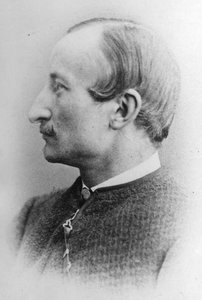
grottger artur (1837-1867)
1837 - 1867 , Ukraine
Основные сведения
- Artistic Movement Or Style: Late Romanticism
- Artists Who Influenced This Artist:
- Jan Kanty Maszkowski
- Hubert Robert
- Thomas Wyck
- Jan Miel
- Alexander Clarot
- Date Of Birth: 11 November 1837
- Date Of Death: 13 December 1867
- Full Name: Artur Grottger
- Nationality: Polish
- Notable Artworks:
- Dirck Hals: The Solo
- Warszawa I
- Warszawa II
- Polonia
- Lituania
- Place Of Birth: Ohtinivka, Ukraine
Похожие статьи

Monochrome Visions: Exploring the Aesthetic & Historical Significance of Black & White Photography
Explore the rich history & artistic power of black and white photography. From early techniques to iconic masters like Ansel Adams, discover why monochrome continues to captivate art lovers today. Expert insights for collectors.
Топ-10 шедевров в оттенках черного: искусство, история и декор с ArtsDot
Погрузитесь в мир великих шедевров, где черный цвет – символ страсти и драмы. От Караваджо до Мунка, откройте историю искусства с ArtsDot. Купите репродукции картин онлайн и преобразите свой интерьер! Explore the full collection on ArtsDot.com
Белые шедевры: 10 знаменитых картин, покоривших мир (репродукции, декор)
Откройте для себя 10 знаменитых картин, где белый цвет – главный герой! Моне, Дега и другие мастера. История искусства, техники живописи и вдохновение для вашего интерьера. Репродукции высокого качества на ArtsDot.com

Топ-10 знаменитых картин в черных тонах: шедевры искусства для вашего интерьера
Погрузитесь в мир темных шедевров! Топ-10 знаменитых картин в черных тонах от Гойи, Рембрандта и Мунка. История искусства, техники живописи и вдохновение для вашего интерьера. Купите репродукции высокого качества на ArtsDot.com
The Subtleties of White: Exploring Absence, Light & Symbolism in Art History
Explore the profound symbolism & history of white in art! From ancient purity to modern abstraction, discover how artists have used absence & light. Expert insights from ArtsDot.