

 Предпросмотр
 Поделиться
 Поделиться
 Детали произведения

 Скачать
 Похожие работы
 Рентгенография
 Слайд-шоу
 Статистика
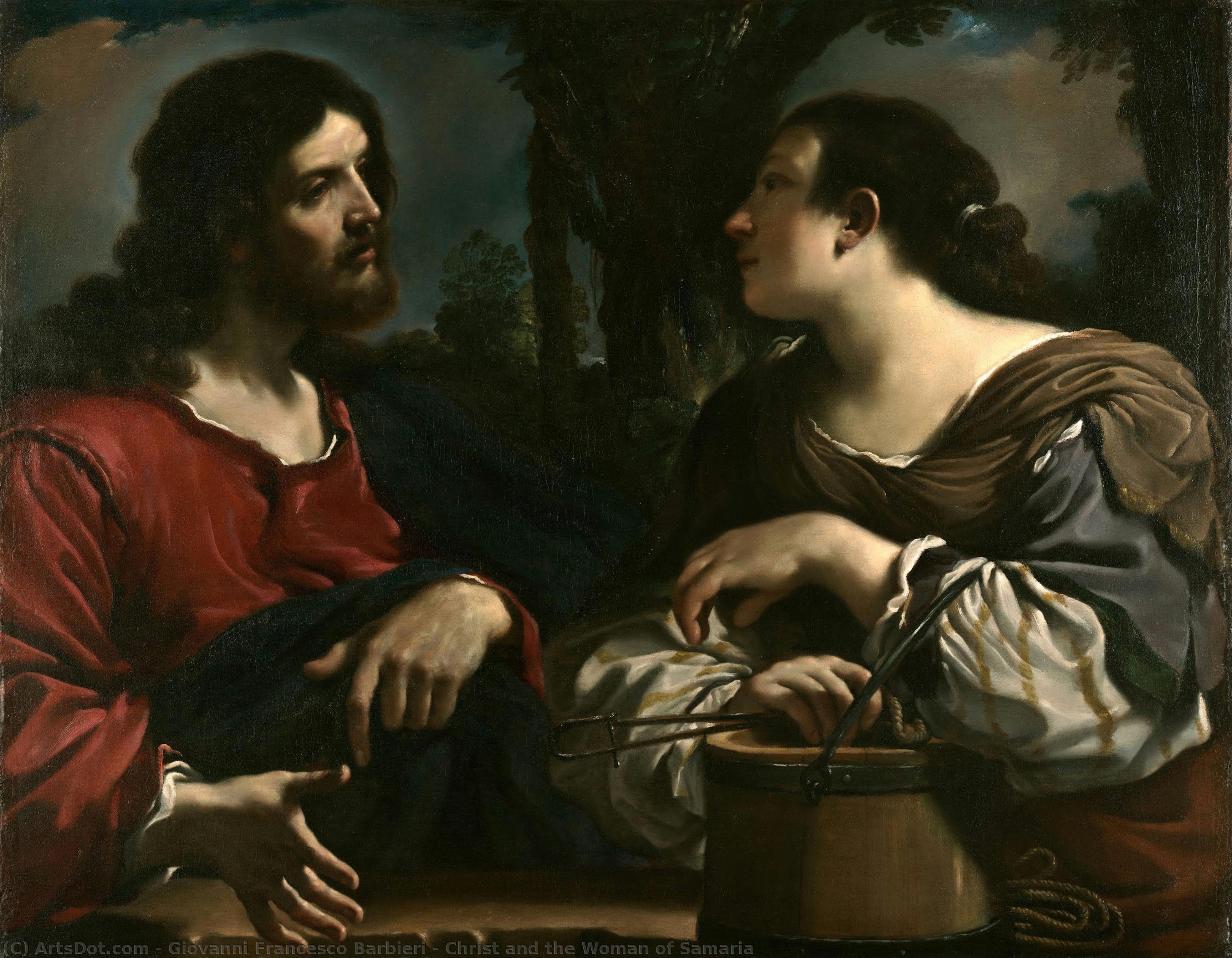
Christ and the Woman of Samaria
 Oil On Canvas
- WallArt
- Baroque Dramatic Emotion
 1619
1619 97.0 x 124.0 cm
 Кимбелл Арт-музей
 Читать далее
Приобретите цифровое изображение высокого разрешения в улучшенном качестве, которое значительно превосходит онлайн-превью.
Каждый файл тщательно подготавливается нашими специалистами с использованием передовых инструментов и экспертной ручной ретуши. Мы гарантируем исключительную четкость, точную цветопередачу и детальную проработку каждого изображения.
Финальный файл доставляется по электронной почте в течение 72 часов и оптимизирован для немедленного использования в профессиональной среде, при верстке и печати. Это тот же уровень качества, которому доверяют ведущие дизайнерские студии, издательства и галереи.
Цифровое изображение
Скачайте файл высокого разрешения для личного использования, печати и творческих проектов. ( Перейти к печати Купить картину ручной работы)
Включено в каждый заказ цифровых изображений
Гарантия экспертной цифровой доставки
Выбирая ArtsDot.com, вы получаете не просто изображение — вы приобретаете профессионально обработанное цифровое произведение искусства, созданное с безупречной точностью и под защитой гарантии качества. Вот всё, что автоматически входит в ваш заказ:

Мгновенная доставка по e-mail
Ваш цифровой файл в высоком разрешении будет отправлен вам по электронной почте в течение 72 часов после оформления заказа — и сразу станет доступен для использования.

Цифровой файл с ИИ-улучшением
Ваше произведение искусства проходит профессиональную оптимизацию с использованием передовых инструментов ИИ и ручной обработки, что гарантирует максимальную детализацию, четкость и точность цветопередачи.

Бессрочная бесплатная повторная доставка
Случайно удалили или потеряли файл? Не беспокойтесь — мы отправим его вам повторно в любое время и совершенно бесплатно.

Без импортных пошлин — навсегда
Наслаждайтесь вашим произведением искусства мгновенно без таможенных пошлин, сборов или затрат на доставку — цифровые загрузки всегда не облагаются налогом.

Гарантия точности цветопередачи
Мы гарантируем, что ваше цифровое изображение максимально точно передает оригинальные цвета благодаря использованию профессиональных инструментов и систем управления цветом.

Гарантия удовлетворенности 100 дней
Если вы не будете удовлетворены своим цифровым изображением, мы внесем правки или вернем 100% стоимости в течение 100 дней — без лишних вопросов.

100% Гарантия возврата средств
Не удовлетворены покупкой? Получите полный возврат средств в течение 100 дней после получения цифрового файла — без лишних вопросов.

Скидки на оптовые заказы
Купите 3 изображения, сэкономьте 10% — Купите 5, сэкономьте 15% — Купите 10+, сэкономьте 20%. Отличное решение для творческих проектов, галерей и агентств.
A Moment of Revelation: Guercino’s “Christ and the Woman of Samaria”
- Subject: This captivating painting depicts a pivotal moment from the Gospel of John – Jesus Christ engaging in a profound conversation with a Samaritan woman at Jacob's Well. The scene unfolds with remarkable intimacy, capturing the essence of spiritual revelation and the offering of eternal life.
- Artist: Created by the masterful Guercino (1591-1666), a pivotal figure bridging Mannerism and Baroque styles, this work exemplifies his signature approach to religious painting: emotionally charged compositions, meticulously rendered figures, and a dramatic use of light and shadow.
- Date: Painted in 1619, during the artist’s most intensely productive and arguably finest period, the canvas offers a rare glimpse into Guercino's artistic evolution – a time when his influence was rapidly ascending within the Italian art world.
The Painter’s Vision: Style and Technique
Guercino’s style is immediately recognizable for its powerful emotional intensity, achieved through a masterful manipulation of chiaroscuro—the dramatic contrast between light and dark. He eschewed the idealized forms favored by some of his contemporaries, opting instead for a strikingly realistic portrayal of human figures, imbued with palpable feeling. Notice the careful attention to detail in the woman’s expression – a mixture of curiosity, confusion, and nascent understanding as she grapples with Christ's enigmatic words. The artist’s use of color is equally significant; rich, saturated hues contribute to the painting’s dramatic effect, drawing the viewer’s eye to key elements within the composition.
The technique employed reflects Guercino’s meticulous approach. He utilized a layered glazing method, building up colors gradually to achieve depth and luminosity. His draftsmanship is evident in the precise rendering of the figures' anatomy and the intricate details of their clothing. The artist’s skill is further demonstrated by his ability to create a convincing sense of space – the well, the surrounding landscape, and the figures themselves are rendered with remarkable clarity.
Historical Context and Symbolism
Created in 1619, this painting reflects the religious fervor and intellectual currents of its time. Guercino’s patronage came from influential Cardinals, reflecting the significant role of the Church in commissioning art during the early 17th century. The scene itself is laden with symbolism. The well represents a source of life – both physical and spiritual – while Christ's offer of “living water” signifies salvation and eternal life. The Samaritan woman, an outsider to Jesus’ Jewish community, embodies the universal appeal of his message, highlighting themes of inclusivity and redemption.
Interestingly, Guercino’s career coincided with a period of artistic innovation in Rome, where he eventually settled after leaving Cento. His time in Rome exposed him to the burgeoning Baroque style, which he skillfully integrated into his own distinctive approach, ultimately contributing to its development.
Emotional Impact and Artistic Significance
“Christ and the Woman of Samaria” transcends a simple biblical depiction; it’s a profoundly moving portrayal of human interaction and spiritual awakening. The painting's emotional power stems from Guercino’s ability to capture a moment of intense contemplation, inviting viewers to reflect on themes of faith, doubt, and redemption. This rediscovered masterpiece represents a crucial link in the chain of artistic development, showcasing Guercino’s genius at its peak – a testament to his profound understanding of human emotion and his unparalleled skill as a painter.
Похожие произведения


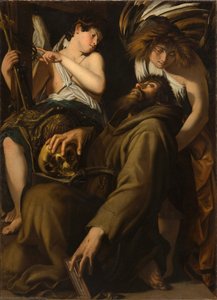
Биография художника
Giovanni Francesco Barbieri (Il Guercino): A Master of Shadow and Emotion
Giovanni Francesco Barbieri, universally known as Il Guercino – “the squint” – was a name born from a physical characteristic that ultimately defined an artistic vision of extraordinary power. Born in 1591 in Cento, a small town nestled between Ferrara and Bologna in the heart of Italy’s Emilia region, his journey began not within the gilded halls of formal academies, but through a profound self-discovery shaped by early apprenticeship and a relentless pursuit of individual expression. Guercino's life was one of dramatic contrasts – from humble beginnings to recognition as a leading figure of the Baroque period, marked by both intense darkness and breathtaking luminosity in his art.Early Influences and the Caravaggist Spirit
Guercino’s artistic development unfolded during a time of immense change and religious fervor in Italy. His early years were profoundly influenced by Ludovico Carracci, a pivotal figure in the Renaissance revival, whose studio provided him with a foundational understanding of classical composition and technique. However, it was the revolutionary naturalism of Caravaggio that truly ignited his artistic spirit. Guercino’s initial works – paintings like *Amnon and Tamar* – demonstrate this early debt to Caravaggism: stark contrasts of light and shadow (tenebrismo), a gritty realism depicting human flaws and passions, and an unflinching portrayal of biblical narratives. Unlike many artists seeking the idealized perfection of classical antiquity, Guercino embraced the raw, visceral energy of Caravaggio’s style, capturing the drama and intensity of human experience with remarkable immediacy. This early period established his reputation for dramatic intensity and a willingness to confront difficult subjects – a characteristic that would define much of his later work.A Shift Towards Classical Grace: The 1630s Transformation
Around the 1630s, a significant transformation occurred in Guercino’s artistic style. Responding to both artistic curiosity and the demands of discerning patrons, he began to temper the harshness of Caravaggism, moving towards a more balanced and luminous approach. This wasn't merely a stylistic adjustment; it reflected a deeper engagement with classical ideals – a desire to create works that were not only emotionally resonant but also aesthetically refined. He softened his palette, introducing subtle gradations of color and employing a greater sense of spatial depth. This period witnessed the emergence of masterpieces like *The Return of the Prodigal Son*, showcasing a newfound harmony and elegance alongside the enduring intensity of his emotional vision. The influence of Guido Reni, another prominent Bolognese painter, is also evident in this shift towards a more balanced composition and refined technique.Biblical Narratives and Psychological Depth
Guercino’s artistic focus consistently revolved around biblical narratives – stories of faith, doubt, redemption, and human suffering. However, he didn't simply illustrate these tales; he imbued them with profound psychological depth and emotional resonance. His figures are not idealized saints but flawed individuals grappling with complex moral dilemmas, wrestling with their beliefs, and experiencing the full spectrum of human emotions. *The Vocation of Saint Aloysius Gonzaga* is a particularly compelling example – a powerful depiction of religious awakening rendered with breathtaking skill and sensitivity. Guercino’s ability to capture the inner lives of his subjects, to portray their vulnerabilities and struggles with honesty and empathy, set him apart from many of his contemporaries. He understood that true piety wasn't about outward displays of devotion but about the internal battles and sacrifices that defined a life dedicated to faith. This psychological realism, combined with his masterful use of light and shadow, created paintings that were both visually stunning and emotionally compelling – works that continue to resonate deeply with viewers today.Legacy and Rediscovery
Despite facing periods of relative obscurity in the 18th and 19th centuries, Guercino’s artistic genius was eventually rediscovered thanks to the tireless efforts of art historian Sir Denis Mahon. Mahon's meticulous research, particularly his analysis of Guercino’s account book – a detailed record of his commissions and payments – provided invaluable insights into the artist’s life and career. His work highlighted Guercino’s innovative approach to composition, his masterful use of light and shadow (chiaroscuro), and his profound understanding of human psychology. Today, Guercino's paintings are celebrated in prestigious museums across Europe – from the Pinacoteca Nazionale in Ferrara to the National Gallery in London – serving as a testament to his enduring artistic legacy. His influence can be seen in the works of subsequent generations of artists, and his paintings continue to captivate viewers with their dramatic intensity, emotional depth, and unparalleled beauty.- Key Museums: Works by Guercino are prominently displayed at institutions like the Pinacoteca Nazionale (Ferrara), Palazzo Brignole-Sale (Genoa), and the National Gallery (London).
- The Power of Light and Shadow: His signature use of chiaroscuro remains a defining element of his distinctive style.
- A Portrait of Humanity: He masterfully depicted biblical narratives with an unparalleled focus on human emotion and psychological complexity.
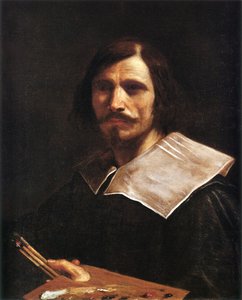
Гуерчино (Il Guercino)
1591 - 1666 , Италия
Основные сведения
- Artistic Movement Or Style: Барокко
- Artists Or Movements Influenced By This Artist: ['Карваггизм']
- Artists Who Influenced This Artist: ['Лудовико Карраччи']
- Date Of Birth: 8 февраля 1591 г.
- Date Of Death: 22 декабря 1666 г.
- Full Name: Giovanni Francesco Barbieri
- Nationality: Итальянец
- Notable Artworks:
- Возвращение блудного сына
- Встреча с сыном
- Place Of Birth: Центо, Италия