

 Предпросмотр
 Поделиться
 Поделиться
 Детали произведения

 Скачать
 Похожие работы
 Рентгенография
 Слайд-шоу
 Статистика
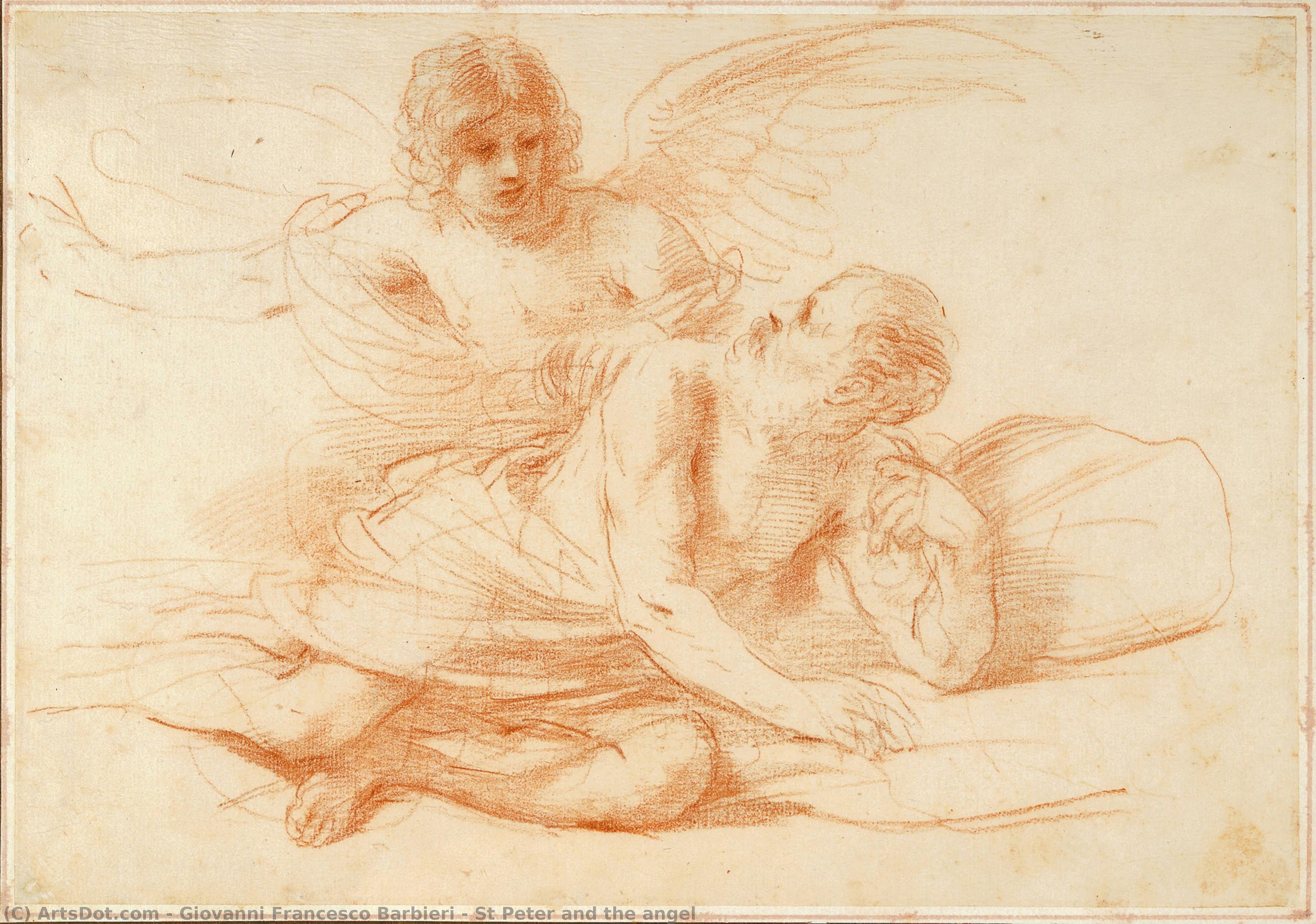
St Peter and the angel
 Acrylic On Canvas
- WallArt
- Baroque Painting
 1650
1650 30.0 x 21.0 cm
 Art Gallery of South Australia
 Читать далее
Жикле / Арт-принт
Печать (жикле) или холст музейного качества с быстрыми сроками изготовления и широким выбором вариантов отделки. ( Купить картину ручной работы Перейти к цифровым изображениям)




P118B $10

P118H $10

P118W $10

P438Z $10

P508JH $12

P508YH $12

P805H $10

P805Z $10

P919BZ $10

P919G $10

P919XJ $10

P959ZH $10

P968JZ $12

W106C $8

W218G $10

W218JH $8

W218Y $10

W307PJ $10

W316G $10

W316PJ $8

W316Y $10

W398PJ $8

W4111J $10

W500HY $15

W500JH $15

W692G $12

W849H $8

W940BG $15

W953PJ $8




Выберите один из наших стандартных размеров, соответствующих оригинальным пропорциям произведения искусства.

Вы можете указать свои собственные размеры, чтобы репродукция идеально подошла под конкретную раму или пространство. Если выбранный вами размер не будет соответствовать пропорциям оригинала, мы либо обрежем произведение, либо дополним изображение зеркальным отражением краев или однотонной заливкой. Перед началом производства вам будет отправлен цифровой макет для утверждения.
Пожалуйста, обратите внимание, что предварительный просмотр на экране не отображает фактическую обрезку или расширение изображения. Только макет точно покажет финальную композицию.
Несмотря на возможность заказа индивидуальных размеров, мы рекомендуем выбирать размер из предопределенного списка, чтобы сохранить оригинальные пропорции.
Доставка по всему миру () за 2 недели вместо стандартных 4/5 недель. (11 Сентябрь)

Бесплатная экспресс-доставка по всему миру

Высококачественный льняной холст

Полное страхование доставки

Гарантия возмещения таможенных пошлин

Гарантия точного соответствия цветов

100-дневная политика возврата (только при обнаружении дефектов)

Гарантия возврата 100% средств

Предложение оптовых скидок
 Вариант со стеклом доступен только для размеров менее 110 см

St Peter and the angel
Жикле / Арт-принт
Размер репродукции
-


Итоговая стоимость
$ 62
St Peter and the Angel: A Vision of Divine Comfort
Guercino’s “St Peter and the Angel” is not merely a depiction of biblical figures; it's an intensely felt moment of solace, rendered with a raw emotionalism that distinguishes the artist from his more polished contemporaries. Painted in 1650, this work, measuring a modest 30 x 21 cm, embodies the turbulent spirit of Baroque Italy – a world grappling with religious fervor and social upheaval, yet simultaneously yearning for moments of grace and spiritual connection. The scene unfolds within a dimly lit chamber, suggesting an intimate setting where Peter, depicted in repose on a simple bed, receives comfort from an angel hovering above him. This isn’t the idealized serenity often found in religious art; instead, there's a palpable vulnerability in Peter’s posture, his arms outstretched as if seeking reassurance. The angel, rendered with a gentle, almost melancholic expression, offers not just support but a profound sense of understanding – a silent acknowledgment of earthly burdens.
Guercino’s distinctive style is immediately apparent. He eschews the smooth, polished surfaces favored by many of his time, opting instead for a deliberately rough and expressive application of paint. Notice the visible brushstrokes, particularly in the drapery and the angel's wings, which seem to ripple with movement. This technique, combined with his masterful use of chiaroscuro – the dramatic contrast between light and shadow – creates an atmosphere of heightened emotion and psychological depth. The muted palette, dominated by browns, ochres, and deep blues, further contributes to the painting’s somber yet comforting mood. The artist's background in drawing is evident in the meticulous detail with which he renders Peter’s face and hands, conveying a sense of humanity rarely found in grand religious narratives.
A Study in Symbolism and Spiritual Narrative
Beyond its immediate depiction, “St Peter and the Angel” is rich in symbolic meaning. The bed itself represents vulnerability and surrender – Peter, a figure known for his earthly failings (his denial of Christ), is presented as open to divine grace. The angel’s presence signifies God's unwavering compassion and forgiveness. The positioning of the figures—Peter lying down, the angel standing above—highlights the dynamic between humility and authority, suggesting that true strength lies in acknowledging one’s need for guidance. The overall composition draws heavily on biblical themes of repentance and redemption, but Guercino imbues them with a profoundly personal and relatable quality.
Interestingly, the painting's historical context adds another layer of interpretation. The mid-17th century was a period of intense religious debate in Italy, marked by the Counter-Reformation and the rise of the Catholic Church’s efforts to combat Protestantism. In this environment, art served as a powerful tool for conveying religious messages. Guercino's work, with its emphasis on emotional sincerity and human vulnerability, aligns perfectly with the Church’s desire to reconnect with the faithful through relatable imagery. The scene resonates with the idea of divine mercy—a key tenet of Catholic theology during this era.
The Artist and His Legacy
Giovanni Francesco Barbieri, known as Il Guercino (the squint), was a complex and often misunderstood artist. Born in Cento in 1591, his early life was marked by unconventional training—he largely taught himself, developing a strikingly individual style that defied the conventions of the Bolognese school. His work is characterized by its dramatic intensity, expressive brushwork, and profound psychological insight. Guercino’s career spanned several decades, during which he produced a vast body of paintings, drawings, and etchings. He was particularly renowned for his depictions of biblical scenes and portraits, often infused with a sense of urgency and emotional turmoil.
Despite facing periods of financial hardship and professional setbacks, Guercino remained committed to his artistic vision until his death in 1666. His legacy is one of innovation and emotional depth—he pushed the boundaries of Baroque painting, creating works that continue to captivate viewers with their raw honesty and profound spiritual resonance. Reproductions of “St Peter and the Angel” offer a remarkable opportunity to experience this powerful artwork firsthand, allowing us to appreciate the genius of Guercino’s vision and his enduring contribution to the history of art.
Further Research & Reproduction Details
- Useful Links:
- St Peter's Basilica, Vatican City
- St Peter’s College, Oxford
- St Peter's House, Stromness
Additional Research: The painting is available as a high-quality hand-painted reproduction by ArtsDot.com, capturing the artist’s signature style and emotional intensity. Explore our collection for a stunning addition to your home or office – a timeless reminder of faith, compassion, and the enduring power of human connection.
Похожие произведения
Биография художника
Giovanni Francesco Barbieri (Il Guercino): A Master of Shadow and Emotion
Giovanni Francesco Barbieri, universally known as Il Guercino – “the squint” – was a name born from a physical characteristic that ultimately defined an artistic vision of extraordinary power. Born in 1591 in Cento, a small town nestled between Ferrara and Bologna in the heart of Italy’s Emilia region, his journey began not within the gilded halls of formal academies, but through a profound self-discovery shaped by early apprenticeship and a relentless pursuit of individual expression. Guercino's life was one of dramatic contrasts – from humble beginnings to recognition as a leading figure of the Baroque period, marked by both intense darkness and breathtaking luminosity in his art.Early Influences and the Caravaggist Spirit
Guercino’s artistic development unfolded during a time of immense change and religious fervor in Italy. His early years were profoundly influenced by Ludovico Carracci, a pivotal figure in the Renaissance revival, whose studio provided him with a foundational understanding of classical composition and technique. However, it was the revolutionary naturalism of Caravaggio that truly ignited his artistic spirit. Guercino’s initial works – paintings like *Amnon and Tamar* – demonstrate this early debt to Caravaggism: stark contrasts of light and shadow (tenebrismo), a gritty realism depicting human flaws and passions, and an unflinching portrayal of biblical narratives. Unlike many artists seeking the idealized perfection of classical antiquity, Guercino embraced the raw, visceral energy of Caravaggio’s style, capturing the drama and intensity of human experience with remarkable immediacy. This early period established his reputation for dramatic intensity and a willingness to confront difficult subjects – a characteristic that would define much of his later work.A Shift Towards Classical Grace: The 1630s Transformation
Around the 1630s, a significant transformation occurred in Guercino’s artistic style. Responding to both artistic curiosity and the demands of discerning patrons, he began to temper the harshness of Caravaggism, moving towards a more balanced and luminous approach. This wasn't merely a stylistic adjustment; it reflected a deeper engagement with classical ideals – a desire to create works that were not only emotionally resonant but also aesthetically refined. He softened his palette, introducing subtle gradations of color and employing a greater sense of spatial depth. This period witnessed the emergence of masterpieces like *The Return of the Prodigal Son*, showcasing a newfound harmony and elegance alongside the enduring intensity of his emotional vision. The influence of Guido Reni, another prominent Bolognese painter, is also evident in this shift towards a more balanced composition and refined technique.Biblical Narratives and Psychological Depth
Guercino’s artistic focus consistently revolved around biblical narratives – stories of faith, doubt, redemption, and human suffering. However, he didn't simply illustrate these tales; he imbued them with profound psychological depth and emotional resonance. His figures are not idealized saints but flawed individuals grappling with complex moral dilemmas, wrestling with their beliefs, and experiencing the full spectrum of human emotions. *The Vocation of Saint Aloysius Gonzaga* is a particularly compelling example – a powerful depiction of religious awakening rendered with breathtaking skill and sensitivity. Guercino’s ability to capture the inner lives of his subjects, to portray their vulnerabilities and struggles with honesty and empathy, set him apart from many of his contemporaries. He understood that true piety wasn't about outward displays of devotion but about the internal battles and sacrifices that defined a life dedicated to faith. This psychological realism, combined with his masterful use of light and shadow, created paintings that were both visually stunning and emotionally compelling – works that continue to resonate deeply with viewers today.Legacy and Rediscovery
Despite facing periods of relative obscurity in the 18th and 19th centuries, Guercino’s artistic genius was eventually rediscovered thanks to the tireless efforts of art historian Sir Denis Mahon. Mahon's meticulous research, particularly his analysis of Guercino’s account book – a detailed record of his commissions and payments – provided invaluable insights into the artist’s life and career. His work highlighted Guercino’s innovative approach to composition, his masterful use of light and shadow (chiaroscuro), and his profound understanding of human psychology. Today, Guercino's paintings are celebrated in prestigious museums across Europe – from the Pinacoteca Nazionale in Ferrara to the National Gallery in London – serving as a testament to his enduring artistic legacy. His influence can be seen in the works of subsequent generations of artists, and his paintings continue to captivate viewers with their dramatic intensity, emotional depth, and unparalleled beauty.- Key Museums: Works by Guercino are prominently displayed at institutions like the Pinacoteca Nazionale (Ferrara), Palazzo Brignole-Sale (Genoa), and the National Gallery (London).
- The Power of Light and Shadow: His signature use of chiaroscuro remains a defining element of his distinctive style.
- A Portrait of Humanity: He masterfully depicted biblical narratives with an unparalleled focus on human emotion and psychological complexity.
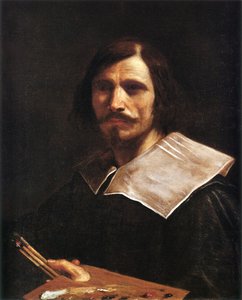
Гуерчино (Il Guercino)
1591 - 1666 , Италия
Основные сведения
- Artistic Movement Or Style: Барокко
- Artists Or Movements Influenced By This Artist: ['Карваггизм']
- Artists Who Influenced This Artist: ['Лудовико Карраччи']
- Date Of Birth: 8 февраля 1591 г.
- Date Of Death: 22 декабря 1666 г.
- Full Name: Giovanni Francesco Barbieri
- Nationality: Итальянец
- Notable Artworks:
- Возвращение блудного сына
- Встреча с сыном
- Place Of Birth: Центо, Италия
Похожие статьи

The Dramatic Flourish: Exploring the Baroque Movement's Enduring Legacy in Art History
Explore the dramatic world of Baroque art! Discover iconic artists like Caravaggio & Rubens, defining techniques, and its lasting impact on art history. Expert insights for collectors & enthusiasts at ArtsDot.

10 Шедевров Барокко: Искусство, изменившее мир | ArtsDot.com
Погрузитесь в мир барокко! 10 шедевров Караваджо, Рембрандта и других великих художников. Узнайте историю создания культовых картин и найдите идеальную репродукцию для вашего интерьера на ArtsDot.com
Celestial Messengers: A Comprehensive Exploration of Angelic Representation in Art History
Explore the captivating history of angels in art! Discover symbolism, iconic Renaissance masterpieces & renowned artists. Expert insights for art lovers & collectors at ArtsDot.
Celestial Messengers: Angels in Painting – A Historical & Artistic Exploration
Explore the captivating history of angels in painting! Discover symbolism, iconic Renaissance & Byzantine masterpieces, and renowned artists. Expert insights for art lovers & collectors at ArtsDot.
Guercino: A Baroque Master Between Caravaggism & Classicism – Exploring Innovation & Emotional Depth
Explore the captivating world of Guercino, a Baroque master bridging Caravaggism & Classicism. Discover his dramatic chiaroscuro, emotional depth, and lasting influence on art history with ArtsDot.