

 Предпросмотр
 Поделиться
 Поделиться
 Детали произведения

 Скачать
 Похожие работы
 Рентгенография
 Слайд-шоу
 Статистика
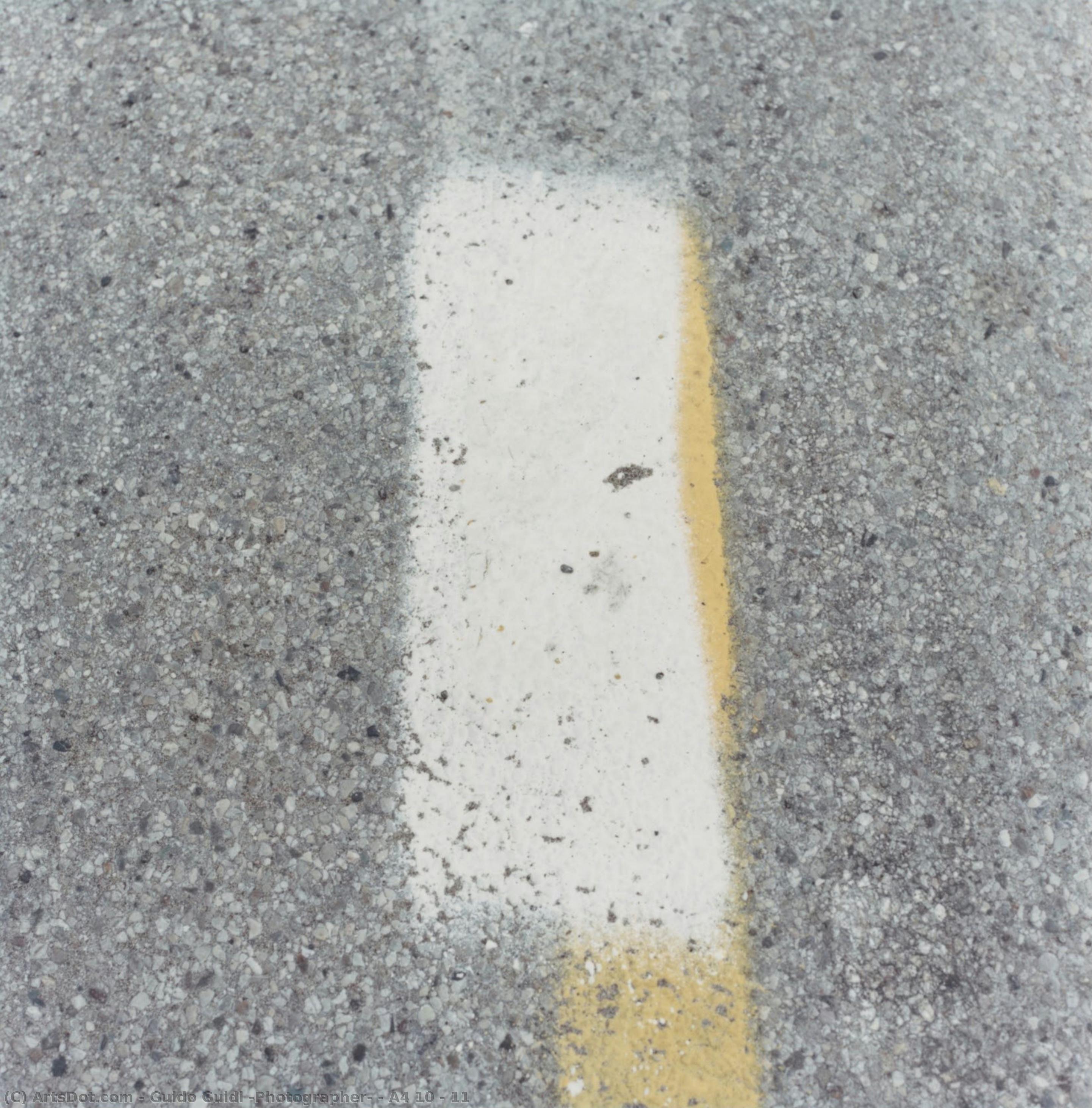
A4 10 - 11
 Acrylic On Canvas
- WallArt
- Contemporary Realism
 23.0 x 30.0 cm
 МАКСИ Национальный музей искусств XXI века
 Читать далее
Жикле / Арт-принт
Печать (жикле) или холст музейного качества с быстрыми сроками изготовления и широким выбором вариантов отделки. ( Купить картину ручной работы Перейти к цифровым изображениям)




P118B $10

P118H $10

P118W $10

P438Z $10

P508JH $12

P508YH $12

P805H $10

P805Z $10

P919BZ $10

P919G $10

P919XJ $10

P959ZH $10

P968JZ $12

W106C $8

W218G $10

W218JH $8

W218Y $10

W307PJ $10

W316G $10

W316PJ $8

W316Y $10

W398PJ $8

W4111J $10

W500HY $15

W500JH $15

W692G $12

W849H $8

W940BG $15

W953PJ $8




Выберите один из наших стандартных размеров, соответствующих оригинальным пропорциям произведения искусства.

Вы можете указать свои собственные размеры, чтобы репродукция идеально подошла под конкретную раму или пространство. Если выбранный вами размер не будет соответствовать пропорциям оригинала, мы либо обрежем произведение, либо дополним изображение зеркальным отражением краев или однотонной заливкой. Перед началом производства вам будет отправлен цифровой макет для утверждения.
Пожалуйста, обратите внимание, что предварительный просмотр на экране не отображает фактическую обрезку или расширение изображения. Только макет точно покажет финальную композицию.
Несмотря на возможность заказа индивидуальных размеров, мы рекомендуем выбирать размер из предопределенного списка, чтобы сохранить оригинальные пропорции.
Доставка по всему миру () за 2 недели вместо стандартных 4/5 недель. (13 Сентябрь)

Бесплатная экспресс-доставка по всему миру

Высококачественный льняной холст

Полное страхование доставки

Гарантия возмещения таможенных пошлин

Гарантия точного соответствия цветов

100-дневная политика возврата (только при обнаружении дефектов)

Гарантия возврата 100% средств

Предложение оптовых скидок
 Вариант со стеклом доступен только для размеров менее 110 см

A4 10 - 11
Жикле / Арт-принт
Размер репродукции
-


Итоговая стоимость
$ 62
Guido Guidi: The Quiet Observer of Marginal Landscapes
Guido Guidi’s photographic oeuvre stands apart as an embodiment of understated elegance and profound contemplation—a testament to the power of observation honed over decades dedicated to capturing the subtle beauty of overlooked spaces. Born in Cesena, Italy, in 1941, Guidi embarked on his artistic journey amidst the currents of Neorealism and Conceptual Art, movements that championed authenticity and challenged conventional photographic representation. He wasn’t driven by grand ambitions or stylistic pronouncements; rather, he pursued a meticulous approach to documenting reality—a quiet insistence on perceiving what others might miss. This dedication to detail and sensitivity is evident throughout his extensive body of work, which explores the intersection between human presence and the natural world.- Early Influences: Guidi’s formative years were shaped by the burgeoning postwar landscape of Italy—a milieu profoundly impacted by Neorealist cinema's gritty realism and Carlo Scarpa’s architectural explorations. These influences instilled in him a conviction that photography could serve as a conduit for genuine experience, prioritizing nuanced observation over theatrical spectacle.
- Technique & Style: Guidi consistently utilized a large-format camera—a deliberate choice reflecting his commitment to capturing textures and subtleties unattainable by smaller formats. His images are characterized by meticulous composition, soft lighting, and an almost meditative stillness—elements that convey a palpable sense of place and invite viewers into the artist’s contemplative gaze.
- Subject Matter: Guidi's recurring subjects—rural landscapes, architectural transitions, and urban peripheries—are deliberately chosen to resist easy categorization. He seeks out spaces where the dominant narratives fade away, revealing hidden layers of history and memory. These locations are not merely picturesque backdrops; they are imbued with significance—testaments to human interaction with the environment over time.
- Symbolism & Emotion: Guidi’s photographs aren't simply representations of visual information; they are expressions of emotion—a quiet yearning for connection and an appreciation for the enduring beauty of the natural world. The images evoke a feeling of melancholy, yet simultaneously convey a sense of serenity—reflecting Guidi’s belief that art can illuminate the unspoken truths of human experience.
- Legacy: Guidi's work has garnered critical acclaim and been exhibited internationally, cementing his position as a leading voice in Italian photography since the 1970s and 80s. His enduring fascination with marginal landscapes—those ignored by mainstream culture—continues to inspire artists and collectors alike, reminding us that beauty can be found in unexpected places.
A4 Turin-Venice: Capturing Transient Moments
The photograph “A4 Turin-Venice” exemplifies Guidi’s signature style—a masterful blend of observation and restraint. Shot with a Hasselblad Superwide camera, the image depicts a section of the A4 motorway traversing the Po Valley landscape. The composition is deceptively simple—a horizontal expanse dominated by grey asphalt against a muted sky—yet it possesses an arresting quality due to Guidi’s meticulous attention to detail. Notice the subtle variations in tonal range—the delicate interplay of light and shadow that sculpts the contours of the road surface and illuminates patches of vegetation. The photograph captures a fleeting moment—a sliver of time suspended between urban dynamism and rural tranquility—reflecting Guidi's belief that art can distill essence from experience.Guidi’s Exploration of Architectural Spaces
Beyond his landscapes, Guidi has devoted considerable effort to documenting architectural spaces—particularly those undergoing transformation or abandonment. His images reveal the beauty inherent in decay—the patina of time etching itself onto surfaces and imbuing buildings with a sense of history. Consider “Carlo Scarpa's Tomb,” where Guidi captures Scarpa’s monumental design against the backdrop of a misty hillside. The photograph emphasizes the interplay between light and form—illuminating Scarpa’s sculptural elements while simultaneously conveying the solemn grandeur of the tomb itself. Guidi’s approach is characterized by patience and sensitivity—a willingness to linger in spaces where others would hurry past, absorbing their atmosphere and capturing their essence.The Influence of Conceptual Art
Guidi's artistic sensibilities were profoundly shaped by Conceptual Art—a movement that questioned the role of representation in art and prioritized ideas over visual aesthetics. Like many Conceptual artists, Guidi rejected grand gestures or flamboyant displays of skill—instead favoring a quiet insistence on perceiving what others might overlook. This ethos is evident throughout his oeuvre—particularly in his early photographs documenting rural Italy—where he sought to capture not merely what was seen but also what was felt—the unspoken truths of human experience within the context of place.Похожие произведения


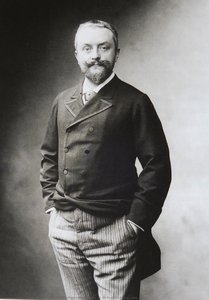
Биография художника
Guido Guidi (1941 – Present): The Quiet Observer of Marginal Landscapes
Guido Guidi is an Italian photographer born in Cesena, Italy on January 1, 1941. His artistic journey began amidst the burgeoning postwar landscape of Italy, profoundly shaped by the stylistic currents of Neorealism and Conceptual Art—movements that championed authenticity and challenged conventional photographic representation. From his formative years studying architecture at IUAV and industrial design in Venice, Guidi cultivated a meticulous approach to observation and documentation, prioritizing subtle nuances over grand gestures. He honed his craft under luminaries like Bruno Zevi, Carlo Scarpa, Luigi Veronesi, and Italo Zannier, absorbing influences that would permeate his distinctive visual language.- Early Influences: Guidi’s initial explorations into photography coincided with the rise of Neorealism in Italian cinema—a movement characterized by gritty realism and a commitment to portraying everyday life without embellishment. Filmmakers like Vittorio De Sica and Roberto Rossellini served as crucial models for Guidi's aesthetic sensibilities, encouraging him to capture the essence of places and people rather than constructing idealized images.
- Technique & Methodology: Guidi’s signature style is defined by his unwavering dedication to large-format photography—specifically using an 8x10 camera. This technique demanded patience and precision, allowing him to meticulously examine landscapes and architectural spaces with a gaze attuned to capturing fleeting moments of truth. He eschewed rapid shots and prioritized careful composition, seeking to convey the profound beauty inherent in overlooked environments.
The Landscape as Meditation: Exploring Marginal Spaces
Guidi’s artistic focus quickly centered on documenting rural and suburban geographies—places often ignored by mainstream photography and art. He embarked on a quest to reveal the hidden poetry of these spaces, portraying them not as mere backgrounds but as active participants in human experience. His photographs depict decaying buildings, abandoned factories, and quiet stretches of road—subjects that invite contemplation and challenge viewers to reconsider their perceptions of place. This deliberate selection of subjects reflects Guidi’s belief that beauty resides in the unassuming details of daily life, where the transformative power of time and circumstance is palpable.- Notable Projects: Among his most celebrated works are ‘In Between Cities,’ ‘Guardando a Est,’ ‘A New Map of Italy,’ and ‘Veramente.’ These projects exemplify Guidi’s commitment to capturing the complexities of contemporary landscapes—spaces undergoing constant flux and transformation.
- Conceptual Approach: Guidi's method transcends mere visual recording; it embodies a philosophical stance rooted in questioning conventional notions of representation. He seeks to convey not just what is seen but also how one perceives it, recognizing that photography itself contributes to shaping our understanding of the world around us.
Recognition and Legacy: Exhibitions & Collections
Guidi’s work has garnered international acclaim, appearing in prestigious museums such as the Guggenheim Museum in New York and the Whitney Museum of American Art—institutions that champion innovative artistic practices. His images are held in prominent collections worldwide, including those of the Centre Pompidou in Paris, the Canadian Centre for Architecture in Montréal, and the Musée d’Art moderne de la Ville de Paris. These exhibitions underscore Guidi's enduring influence on photographic discourse and his contribution to shaping our visual culture.- Institutional Support: His inclusion in major biennials—such as the Venice Biennale—further solidified his position as a leading voice within the art world, demonstrating the resonance of his artistic vision across geographical boundaries.
A Quiet Voice Amidst Complexity
Ultimately, Guido Guidi’s artistic legacy rests on his unwavering dedication to capturing the quiet beauty of overlooked landscapes—a commitment that speaks to a profound appreciation for observation and contemplation. He eschews grand narratives and stylistic pronouncements, prioritizing instead the subtle nuances of visual experience. Like Luigi Ghirri, Guidi's photographs invite viewers to engage in a dialogue with place itself—to consider its history, its materiality, and its impact on human consciousness. His work remains a testament to the transformative power of photography as a medium for exploring the complexities of our relationship with the environment and with ourselves.
guido guidi (photographer)
1941 - , Italy
Основные сведения
- Artistic Movement Or Style: Neorealist film
- Artists Or Movements Influenced By This Artist: ['Antonioni']
- Artists Who Influenced This Artist: ['Luigi Ghirri']
- Date Of Birth: January 1, 1941
- Full Name: Guido Guidi
- Nationality: Italian
- Notable Artworks:
- In Between Cities
- Guardando a Est
- A New Map of Italy
- Veramente
- Place Of Birth: Cesena, Italy
Похожие статьи

Evocations of Place: A Historical Journey Through Landscape Art
Explore the rich history of landscape art with ArtsDot. Discover renowned artists, movements like Impressionism & Romanticism, and expert guidance for collecting timeless pieces. Find your perfect serene escape today!

Джон Констебль: 25 шедевров английского пейзажа для вашего интерьера
Погрузитесь в мир английского пейзажа с Джоном Констеблом! 25 шедевров романтизма, история создания картин и вдохновение для вашего интерьера. Репродукции высокого качества на ArtsDot.com – искусство для ценителей.

Романтический пейзаж: 10 шедевров, изменивших искусство | ArtsDot.com
Погрузитесь в мир романтического пейзажа! 10 шедевров Фридриха, Тёрнера и других гениев. Узнайте историю создания культовых картин и вдохновитесь для декора интерьера. Репродукции высокого качества на ArtsDot.com.
Evoking Arcadia: A Historical & Aesthetic Exploration of Rural Landscape Art
Explore the rich history of pastoral landscape art, from classical Arcadia to Impressionism & beyond. Discover key artists, movements, and how to collect serene rural scenes for your home. Expert insights at ArtsDot.

Cultivating Visions: A Historical Journey Through Rural Landscapes in Art
Explore the rich history of rural landscape painting with ArtsDot. Discover Impressionist masterpieces, key artists & movements. Find your perfect serene artwork and bring nature's beauty home.