

 Предпросмотр
 Поделиться
 Поделиться
 Детали произведения

 Скачать
 Похожие работы
 Рентгенография
 Слайд-шоу
 Статистика
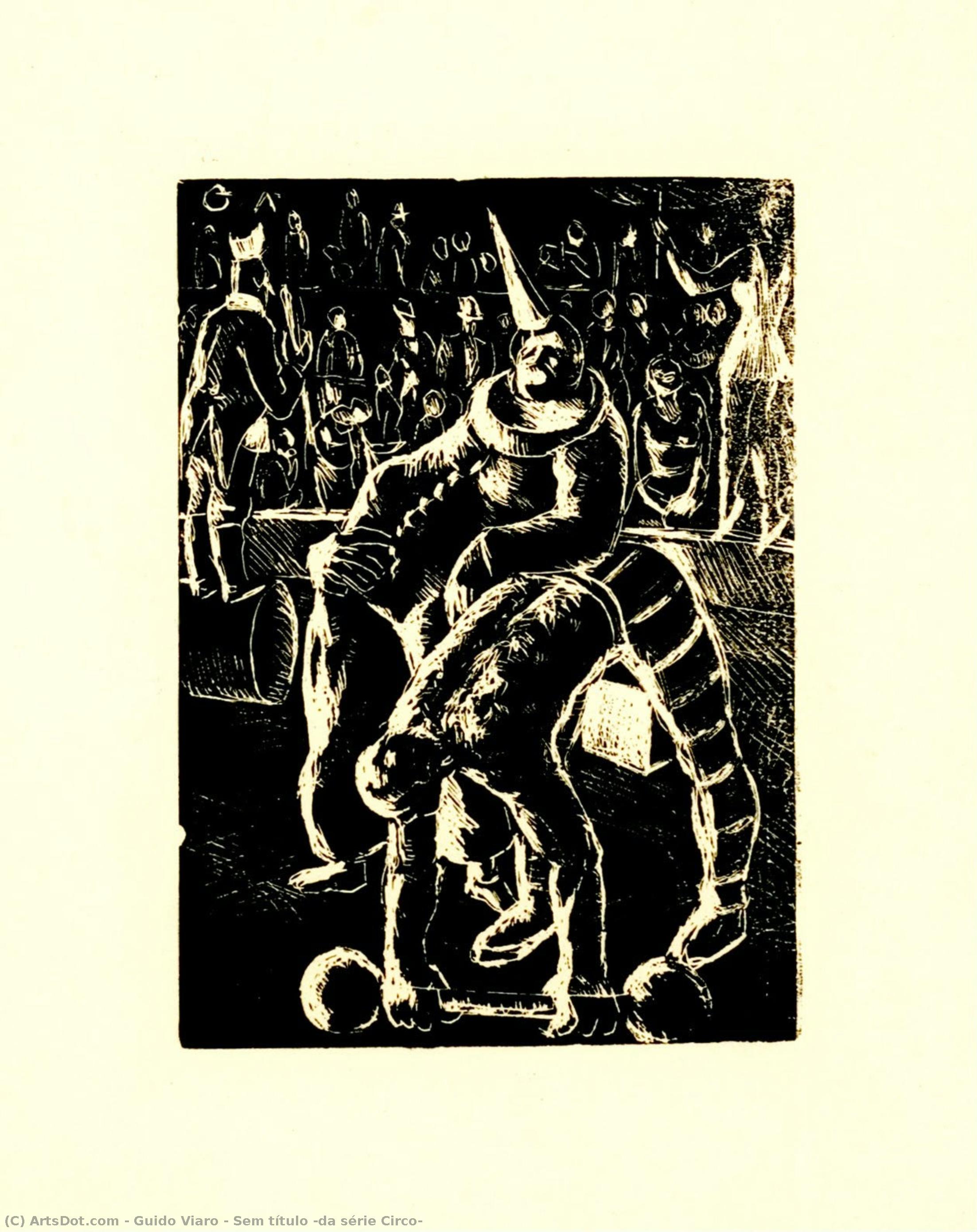
Sem título (da série Circo)

 Читать далее
Жикле / Арт-принт
Печать (жикле) или холст музейного качества с быстрыми сроками изготовления и широким выбором вариантов отделки. ( Купить картину ручной работы Перейти к цифровым изображениям)




































Выберите один из наших стандартных размеров, соответствующих оригинальным пропорциям произведения искусства.

Вы можете указать свои собственные размеры, чтобы репродукция идеально подошла под конкретную раму или пространство. Если выбранный вами размер не будет соответствовать пропорциям оригинала, мы либо обрежем произведение, либо дополним изображение зеркальным отражением краев или однотонной заливкой. Перед началом производства вам будет отправлен цифровой макет для утверждения.
Пожалуйста, обратите внимание, что предварительный просмотр на экране не отображает фактическую обрезку или расширение изображения. Только макет точно покажет финальную композицию.
Несмотря на возможность заказа индивидуальных размеров, мы рекомендуем выбирать размер из предопределенного списка, чтобы сохранить оригинальные пропорции.
Доставка по всему миру () за 2 недели вместо стандартных 4/5 недель. (11 Сентябрь)

Бесплатная экспресс-доставка по всему миру

Высококачественный льняной холст

Полное страхование доставки

Гарантия возмещения таможенных пошлин

Гарантия точного соответствия цветов

100-дневная политика возврата (только при обнаружении дефектов)

Гарантия возврата 100% средств

Предложение оптовых скидок
 Вариант со стеклом доступен только для размеров менее 110 см

Sem título (da série Circo)
Жикле / Арт-принт
Размер репродукции
-


Итоговая стоимость
$ 62
Похожие произведения








Биография художника
The Soul of Expressionism: The Life and Legacy of Guido Viaro
Guido Viaro stands as a monumental figure in Brazilian art history, particularly within the Paraná region, serving as a bridge between European tradition and the burgeoning spirit of South American Modernism. Born in 1897 in Badia Polesine, Italy, his journey was one of profound movement and transformation. His early years were shaped by the classical rigor of Italian training, yet his soul was deeply marked by the tragedies of war and the shifting political landscapes of Europe. This duality—a foundation in meticulous technique paired with an internal landscape of emotional turbulence—became the hallmark of his visual language. As he moved from the Veneto region to the vibrant landscapes of Brazil, Viaro did not merely change his geography; he redefined his artistic purpose, blending the dramatic intensity of European Expressionism with the social and cultural rhythms of his adopted home.
The development of Viaro’s style was a continuous dialogue between light, shadow, and human emotion. His formative years in Italy provided him with a mastery of classical methods, yet he found himself increasingly drawn to the subjective power of Expressionism. The influence of masters such as Edvard Munch and Oskar Kokoschka is palpable in his work, particularly in how he utilized color and line to convey psychological depth rather than mere objective reality. Upon arriving in Brazil in 1922, Viaro became a vital catalyst for change. By joining the influential Grupo dos Cinco, he helped spearhead a movement that rejected stagnant academic conventions in favor of bold experimentation. This period was marked by an engagement with contemporary social realities, where his brushwork grew more dynamic and his compositions more charged with the energy of a nation finding its modern identity.
A Mastery of Medium and Theme
While many recognize Viaro for his evocative paintings, his artistic prowess extended across a diverse range of mediums, each serving as a different window into his creative psyche. He achieved particular renown as an engraver, a discipline that demanded unwavering precision and a sensitive touch to capture the subtle nuances of tone and texture. His celebrated “Circus” series remains one of his most enchanting legacies, where he captured the ephemeral magic and underlying melancholy of itinerant performers through intricate prints. This ability to oscillate between the grand scale of oil painting and the delicate intimacy of etching allowed him to explore a vast spectrum of human experience.
His thematic repertoire was as varied as his techniques. Viaro possessed a unique ability to find poetry in the everyday, elevating scenes of domestic life, landscapes, and social gatherings into profound artistic statements. His work often featured:
- The Human Figure: Rendered with a dramatic intensity that emphasized emotional vulnerability and strength.
- Social Realism: A keen eye for the lives of common people, reflecting the social shifts of early 20th-century Brazil.
- Landscape and Nature: Capturing the light and atmosphere of both his Italian roots and the Brazilian terrain with expressive color palettes.
- The Circus and Spectacle: Using the vibrant, often chaotic world of the circus to explore themes of performance, illusion, and reality.
Historical Significance and Enduring Influence
The historical weight of Guido Viaro’s contribution to art cannot be overstated. He was not merely a participant in Brazilian Modernism; he was one of its architects. His presence in Curitiba helped establish the region as a significant cultural hub, and his dedication to teaching ensured that his influence would ripple through subsequent generations of artists. The establishment of a museum dedicated to his work—housing hundreds of paintings, drawings, and engravings—serves as a testament to a life lived in pursuit of aesthetic truth. His accolades, including gold and bronze medals at the Salão Nacional de Belas Artes and the Salão Paranaense, underscore a career defined by excellence and critical recognition.
Ultimately, Viaro’s legacy is found in the emotional resonance of his work. He taught us that art is not just a reflection of what we see, but a profound expression of what we feel. Through his vibrant colors, dynamic compositions, and deeply human subjects, he created a visual vocabulary that continues to inspire scholars and lovers of art alike. His life remains a beautiful, complex tapestry of migration, resilience, and the eternal search for beauty amidst the shadows of history.
Guido Viaro
1897 - 1964 , Brazil
Основные сведения
- Artistic Movement Or Style: Expressionism
- Date Of Birth: September 9, 1897
- Date Of Death: 1971
- Full Name: Guido Pellegrino Viaro
- Nationality: Brazilian & Italian
- Notable Artworks:
- Sem título (da série Circo)
- Guido Viaro
- Place Of Birth: Badia Polesine, Italy