

 Предпросмотр
 Поделиться
 Поделиться
 Детали произведения

 Скачать
 Похожие работы
 Рентгенография
 Слайд-шоу
 Статистика
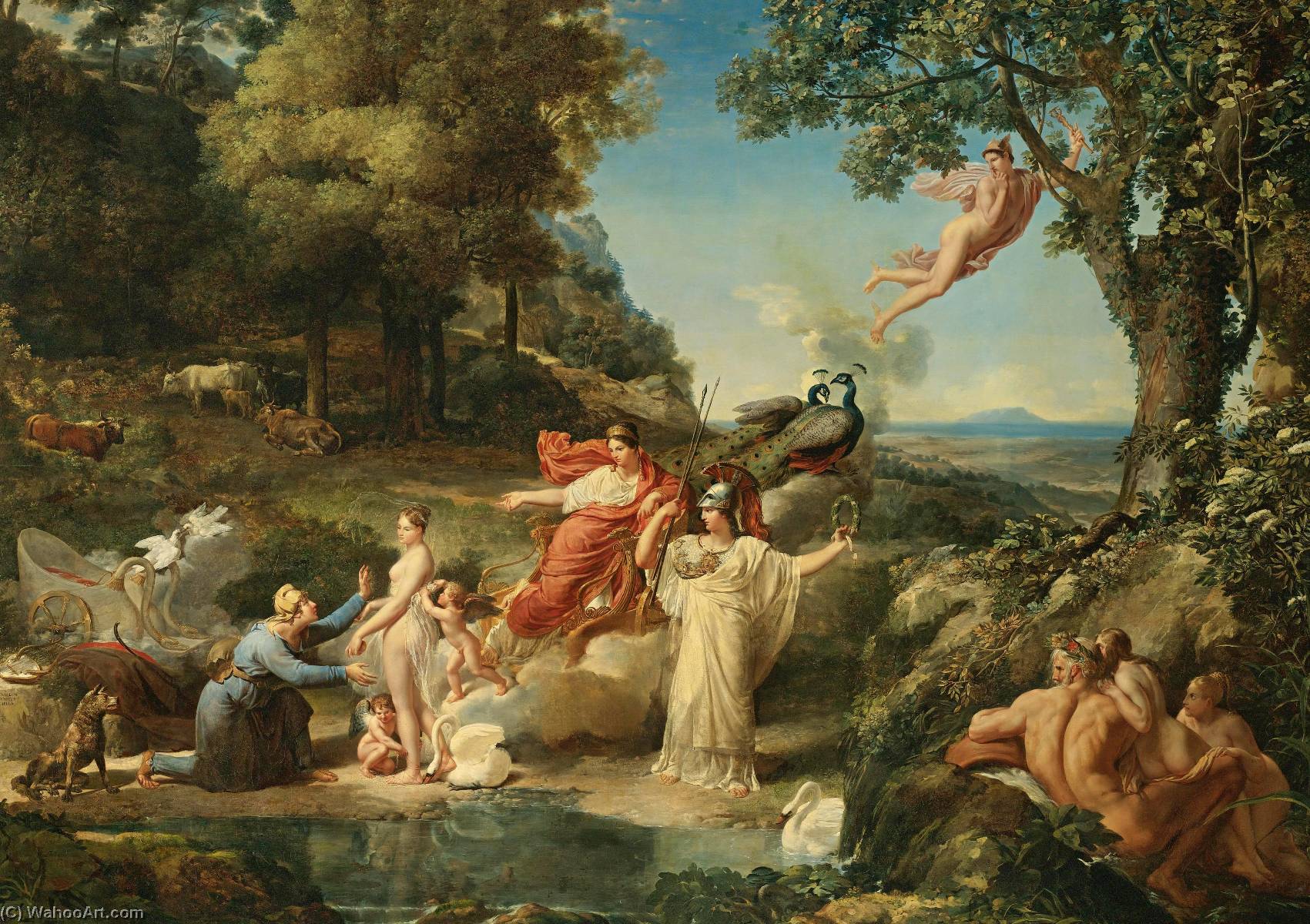
The Judgement of Paris
 198.0 x 279.0 cm
 Читать далее
Приобретите цифровое изображение высокого разрешения в улучшенном качестве, которое значительно превосходит онлайн-превью.
Каждый файл тщательно подготавливается нашими специалистами с использованием передовых инструментов и экспертной ручной ретуши. Мы гарантируем исключительную четкость, точную цветопередачу и детальную проработку каждого изображения.
Финальный файл доставляется по электронной почте в течение 72 часов и оптимизирован для немедленного использования в профессиональной среде, при верстке и печати. Это тот же уровень качества, которому доверяют ведущие дизайнерские студии, издательства и галереи.
Цифровое изображение
Скачайте файл высокого разрешения для личного использования, печати и творческих проектов. ( Перейти к печати Купить картину ручной работы)
Включено в каждый заказ цифровых изображений
Гарантия экспертной цифровой доставки
Выбирая ArtsDot.com, вы получаете не просто изображение — вы приобретаете профессионально обработанное цифровое произведение искусства, созданное с безупречной точностью и под защитой гарантии качества. Вот всё, что автоматически входит в ваш заказ:

Мгновенная доставка по e-mail
Ваш цифровой файл в высоком разрешении будет отправлен вам по электронной почте в течение 72 часов после оформления заказа — и сразу станет доступен для использования.

Цифровой файл с ИИ-улучшением
Ваше произведение искусства проходит профессиональную оптимизацию с использованием передовых инструментов ИИ и ручной обработки, что гарантирует максимальную детализацию, четкость и точность цветопередачи.

Бессрочная бесплатная повторная доставка
Случайно удалили или потеряли файл? Не беспокойтесь — мы отправим его вам повторно в любое время и совершенно бесплатно.

Без импортных пошлин — навсегда
Наслаждайтесь вашим произведением искусства мгновенно без таможенных пошлин, сборов или затрат на доставку — цифровые загрузки всегда не облагаются налогом.

Гарантия точности цветопередачи
Мы гарантируем, что ваше цифровое изображение максимально точно передает оригинальные цвета благодаря использованию профессиональных инструментов и систем управления цветом.

Гарантия удовлетворенности 100 дней
Если вы не будете удовлетворены своим цифровым изображением, мы внесем правки или вернем 100% стоимости в течение 100 дней — без лишних вопросов.

100% Гарантия возврата средств
Не удовлетворены покупкой? Получите полный возврат средств в течение 100 дней после получения цифрового файла — без лишних вопросов.

Скидки на оптовые заказы
Купите 3 изображения, сэкономьте 10% — Купите 5, сэкономьте 15% — Купите 10+, сэкономьте 20%. Отличное решение для творческих проектов, галерей и агентств.
Похожие произведения







Биография художника
A Caribbean Voice in the Heart of Neoclassicism
Guillaume Guillon-Lethière’s story is one of remarkable resilience and artistic ambition, a narrative woven from the complexities of colonial history and the fervor of revolutionary France. Born in 1760 in Saint-Anne, Guadeloupe—a French possession brimming with both opulent plantations and the brutal reality of slavery—his very existence challenged the rigid social hierarchies of the time. His father, Pierre Guillon, was a Royal Notary, representing the authority of colonial administration, while his mother, Marie-Françoise Dupepaye, was a woman of African descent, described as *free* but navigating a world deeply marked by racial prejudice. This mixed heritage would profoundly shape not only his life but also subtly inform the themes and undercurrents within his art. Recognizing his son’s exceptional talent, Guillon defied convention and brought the young Guillaume to France at the age of fourteen, initiating his formal artistic training.From Rouen to Rome: Forging a Neoclassical Path
The journey from the Caribbean island to the heart of European art was transformative. Guillaume first studied in Rouen under Jean-Baptiste Deschamps, adopting the name “Lethière” – a subtle act of self-fashioning perhaps, distancing himself from direct association with colonial power while simultaneously embracing his paternal lineage. He then moved to Paris and entered the prestigious Académie Royale de Peinture et de Sculpture, becoming a student of Gabriel François Doyen. This marked his immersion into the established artistic system, steeped in the principles of classical antiquity. However, it was Rome that truly ignited his artistic vision. Winning the second prize in the *Prix de Rome* competition in 1784 and finally securing support for travel in 1786 allowed him to experience firsthand the ruins and masterpieces that defined Western art. Influenced by the clarity and moral seriousness of Neoclassicism, he began to develop a style characterized by precise draftsmanship, restrained emotion, and a dedication to historical and mythological subjects. Though often mentioned in connection with Jacques-Louis David – whose studio he frequented – Lethière was forging his own distinct path, one that would soon lead to both acclaim and rivalry.Navigating Revolution and Establishing a Legacy
Returning to Paris in 1791, Lethière established his own studio, boldly challenging the dominance of David. This wasn’t merely an artistic competition; it reflected the broader political upheaval sweeping through France. The French Revolution was dismantling old orders, and art became a powerful tool for expressing new ideals. Lethière skillfully navigated this turbulent landscape, creating works that resonated with the spirit of civic virtue and revolutionary fervor. *The Death of Cato of Utica* (1795), a potent depiction of Roman stoicism and republican principles, exemplifies this period. His paintings weren’t simply historical recreations; they were imbued with contemporary relevance, offering moral lessons for a nation in transition. He continued to produce significant works like *Philoctetes on the Island of Lemnos* (1798), showcasing his mastery of anatomical precision and classical narrative, and *The Sleep of Venus* (1802), revealing a more lyrical side to his Neoclassical sensibility.Recognition and Enduring Influence
Despite periods of fluctuating fortune tied to the shifting political winds, Lethière’s talent eventually earned him official recognition. In 1818, he was elected to the Académie des Beaux-Arts and awarded the Légion d'honneur, solidifying his position within the French art establishment. This appointment wasn’t just a personal triumph; it also signaled a growing acceptance of artists from diverse backgrounds. He further cemented his legacy by becoming a professor at the École des Beaux-Arts in 1819, mentoring future generations of artists including Isidore Pils and Kanuty Rusiecki. His influence extended beyond his own paintings, shaping the artistic landscape for decades to come. Guillaume Guillon-Lethière died in Paris in 1832, leaving behind a body of work that continues to captivate and provoke thought. His paintings are now held in prominent museums such as the Louvre in Paris and the Hermitage Museum in Saint Petersburg, testaments to his enduring artistic merit. His life story—a man of mixed race navigating the complexities of colonial society and revolutionary politics—offers a unique perspective on 18th- and 19th-century France, reminding us that even within the seemingly rigid structures of Neoclassicism, there was room for individual expression and social commentary. The Oath of the Ancestors(1822) stands as a powerful example of his ability to blend artistic skill with profound historical and political meaning.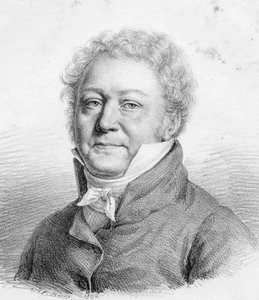
guillaume guillon lethiere
1760 - 1832