 Предпросмотр
 Поделиться
 Поделиться
 Детали произведения

 Скачать
 Похожие работы
 Рентгенография
 Слайд-шоу
 Статистика
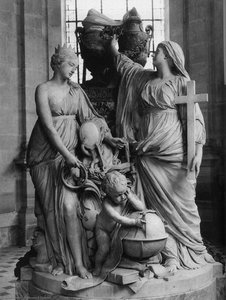
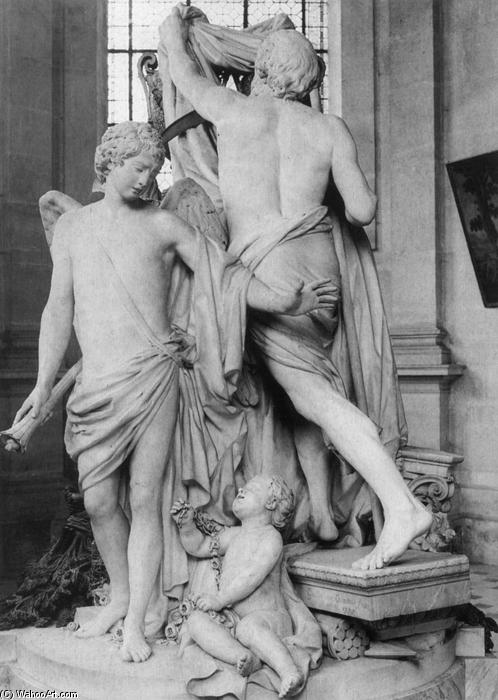
Monument to the Dauphin


 Читать далее
Масляная репродукция ручной работы
Картина маслом на холсте в выбранном вами размере и раме, написанная на заказ нашими художниками. ( Перейти к печати Перейти к цифровым изображениям)




P118B $10

P118H $10

P118W $10

P438Z $10

P508JH $12

P508YH $12

P805H $10

P805Z $10

P919BZ $10

P919G $10

P919XJ $10

P959ZH $10

P968JZ $12

W106C $8

W218G $10

W218JH $8

W218Y $10

W307PJ $10

W316G $10

W316PJ $8

W316Y $10

W398PJ $8

W4111J $10

W500HY $15

W500JH $15

W692G $12

W849H $8

W940BG $15

W953PJ $8




Выберите один из наших стандартных размеров, соответствующих оригинальным пропорциям произведения искусства.

Вы можете указать собственные размеры, чтобы картина идеально вписалась в выбранную раму или пространство. Если выбранный вами размер не соответствует пропорциям оригинала, мы либо обрежем полотно, либо расширим его за счет дополнительных элементов, написанных вручную. Цифровой макет будет отправлен вам на утверждение перед началом производства.
Обратите внимание, что предварительный просмотр на экране не отражает фактическую обрезку или расширение. Только макет точно покажет окончательную композицию.
Хотя доступны индивидуальные размеры, мы рекомендуем выбирать вариант из предопределенного списка, чтобы сохранить исходные пропорции.
После оформления заказа команда ArtsDot.com свяжется с клиентом по электронной почте для уточнения деталей и предоставит предварительный макет
Доставка по всему миру () за 3–4 недели вместо стандартных 5 недель. (12 Сентябрь). Без компромиссов в качестве.

Бесплатная экспресс-доставка по всему миру

Высококачественный льняной холст

Полное страхование доставки

Гарантия возмещения таможенных пошлин

Гарантия точного соответствия цветов

100-дневная политика возврата (только при обнаружении дефектов)

Гарантия возврата 100% средств

Предложение оптовых скидок
 Вариант со стеклом доступен только для размеров менее 110 см

Monument to the Dauphin
Техника репродукции
Размер репродукции
-


Итоговая стоимость
$ 313
Monument to the Dauphin: A Neoclassical Echo of Sorrow and Remembrance
Guillaume II Coustou’s monumental sculpture “Monument to the Dauphin,” commissioned by Louis XV and completed in 1777, stands as a testament to the grandeur and solemnity of Neoclassical art. More than just a depiction of two angels and a reclining figure, it embodies profound philosophical ideas rooted in Plato's cosmology—a microcosm reflecting the macrocosm—and speaks powerfully to themes of grief, honor, and royal lineage. Located within the Cathedral of Sens, France, this masterpiece exemplifies the artistic fervor of its era and continues to inspire awe and contemplation.- Composition & Perspective: The photograph’s low angle emphasizes the statue's monumental scale, creating a sense of grandeur that draws viewers upwards. Linear perspective guides the eye through the architectural backdrop—columns and windows—enhancing depth and conveying a feeling of solemn reverence.
- Material & Technique: Crafted from marble, the sculpture showcases meticulous craftsmanship, utilizing polished surfaces to capture the texture of drapery and stone. The sculptor skillfully blended dramatic narrative with classical ideals, creating sculptures that were both visually impressive and intellectually engaging.
- Symbolism & Emotion: The angelic figures symbolize divine protection and grace, while the reclining figure embodies rest and surrender—perhaps hinting at mortality. Overall, the sculpture evokes a palpable atmosphere of sorrowful contemplation, reflecting the humanist preoccupation with philosophical inquiry.
- Historical Context: Created during Louis XV’s reign, “Monument to the Dauphin” reflects the broader artistic trends of Neoclassicism—a reaction against Baroque excess and a return to idealized forms inspired by ancient Greece and Rome. Falconet's work for Madame de Pompadour and Coustou’s equestrian statue of Louis XV exemplify this stylistic shift.
- Influence & Legacy: The sculpture’s enduring appeal lies in its ability to communicate complex ideas about human existence and spirituality—a legacy that continues to resonate with artists and audiences today. Its destruction during the French Revolution serves as a poignant reminder of the turbulent political landscape of the time, yet its beauty and intellectual depth endure.
The sculpture’s meticulous attention to detail—particularly the drapery folds—demonstrates Coustou's mastery of sculptural technique. Furthermore, the statue’s placement within Sens Cathedral underscores its significance as a religious monument, reflecting the humanist preoccupation with philosophical inquiry.
Похожие произведения


Биография художника
Guillaume II Coustou: Life and Legacy
Early Life and Training
- Guillaume Coustou II was born in Paris, France, in 1716. He came from a distinguished family of sculptors – the son of Guillaume Coustou I and nephew of Nicolas Coustou.
- His artistic training began within the family atelier, benefiting directly from the expertise of his father and uncle. This familial foundation instilled in him a strong understanding of sculptural techniques and traditions.
- In 1736, he won the prestigious Prix de Rome, granting him the opportunity to study at the French Academy in Rome until 1739. This period was crucial for his artistic development, exposing him to classical sculpture and Italian Baroque styles.
Artistic Development and Style
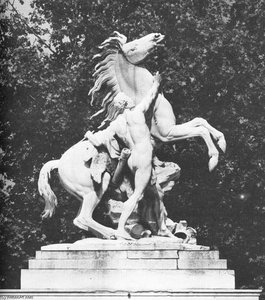
- Upon returning to Paris, Coustou seamlessly continued his father’s work, most notably completing the monumental Horse Tamers (Chevaux de Marly), a commission initially undertaken by Guillaume I but left unfinished due to illness.
- His style evolved throughout his career, demonstrating a transition from the late Baroque exuberance of his early works to the more restrained and emotionally evocative forms of emerging Neoclassicism.
- He skillfully blended dramatic narrative with classical ideals, creating sculptures that were both visually impressive and intellectually engaging.
Major Achievements and Notable Works
- Horse Tamers (Chevaux de Marly): Perhaps his most famous achievement, these dynamic bronze sculptures depict horsemen controlling powerful steeds, embodying strength and mastery.
- Monument to the Dauphin: This elaborate sculptural ensemble for Sens Cathedral was a significant commission that showcased Coustou’s ability to handle complex iconography and large-scale projects. The design's detailed imagery was developed in collaboration with Charles-Nicolas Cochin.
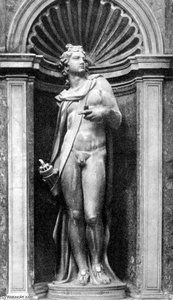
- Vulcan: His morceau de réception (admission piece) for the Académie Royale de Peinture et de Sculpture, a seated Vulcan, exemplifies his Baroque sensibilities.
- Ganymede: This sculpture demonstrates Coustou’s embrace of early Neoclassical aesthetics, drawing inspiration from Roman sculptures like those of Antinous.
Influences and Legacy
- Coustou was profoundly influenced by his father and uncle, inheriting their technical skill and artistic sensibility. His time in Rome exposed him to the works of classical sculptors and Italian Baroque masters.
- He, in turn, influenced a generation of younger sculptors, including Claude Dejoux, Pierre Julien, and the Danish sculptor Johannes Widewelt, who studied under him.
- His work represents an important bridge between the Baroque and Neoclassical periods in French sculpture, contributing to the evolving artistic landscape of 18th-century Europe.
Historical Significance
- Guillaume II Coustou played a vital role in shaping the aesthetic direction of French sculpture during a period of significant artistic change.
- His ability to adapt his style and embrace new influences allowed him to maintain a successful career under different patronage systems.
- His sculptures continue to be admired for their technical virtuosity, dramatic power, and historical significance, solidifying his place as a notable figure in the history of French art.
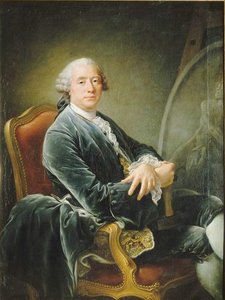
guillaume ii coustou
1716 - 1777 , France
Основные сведения
- Birth Date: 1716
- Birth Place: Paris, France
- Death Date: 1777
- Influenced By:
- Guillaume Coustou I
- Nicolas Coustou
- Movement:
- Baroque
- Neoclassicism
- Name: Guillaume II Coustou
- Nationality: French
- Notable Works:
- Horse Tamers (Chevaux de Marly)
- Monument to the Dauphin
- Vulcan
- Ganymede
Похожие статьи

The Enduring Form: Exploring Themes & Techniques in Sculpture Across Historical Periods
Explore the rich history of sculpture from ancient masterpieces to contemporary innovations. Discover key techniques, influential artists & investment potential for discerning art collectors.

The Enduring Form: Sculpture Across History, Technique & Emotional Resonance
Explore the rich history of sculpture with ArtsDot. Discover key techniques, influential artists & investment potential for discerning collectors. Expert insights into valuing and collecting timeless masterpieces.

10 легендарных бронзовых скульптур, изменивших искусство навсегда | ArtsDot
Погрузитесь в мир великих бронзовых скульптур! От Давида Микеланджело до работ Родена – история искусства, техники и вдохновения. Купите репродукции шедевров для вашего интерьера на ArtsDot.com

10 легендарных бронзовых шедевров, изменивших искусство | ArtsDot
Погрузитесь в мир великих бронзовых шедевров! От Давида Донателло до Мыслителя Родена – узнайте историю создания, технику и значение легендарных скульптур. Вдохновение для интерьера и музейное качество репродукций на ArtsDot.com.
Antonio Canova: Neoclassical Sculpture & the Pursuit of Emotional Perfection
Explore the life & art of Antonio Canova, the greatest Neoclassical sculptor. Discover his masterpieces, innovative techniques, and lasting influence on fine art collecting. Expert insights for discerning investors.