

 Поделиться
 Поделиться
 Детали произведения

 Скачать
 Похожие работы
 Слайд-шоу
 Статистика
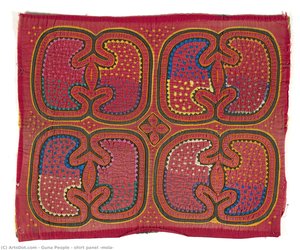
shirt panel (mola)


 Читать далее
Приобретите цифровое изображение высокого разрешения в улучшенном качестве, которое значительно превосходит онлайн-превью.
Каждый файл тщательно подготавливается нашими специалистами с использованием передовых инструментов и экспертной ручной ретуши. Мы гарантируем исключительную четкость, точную цветопередачу и детальную проработку каждого изображения.
Финальный файл доставляется по электронной почте в течение 72 часов и оптимизирован для немедленного использования в профессиональной среде, при верстке и печати. Это тот же уровень качества, которому доверяют ведущие дизайнерские студии, издательства и галереи.
Цифровое изображение
Скачайте файл высокого разрешения для личного использования, печати и творческих проектов. ( Перейти к печати Купить картину ручной работы)
Включено в каждый заказ цифровых изображений
Гарантия экспертной цифровой доставки
Выбирая ArtsDot.com, вы получаете не просто изображение — вы приобретаете профессионально обработанное цифровое произведение искусства, созданное с безупречной точностью и под защитой гарантии качества. Вот всё, что автоматически входит в ваш заказ:

Мгновенная доставка по e-mail
Ваш цифровой файл в высоком разрешении будет отправлен вам по электронной почте в течение 72 часов после оформления заказа — и сразу станет доступен для использования.

Цифровой файл с ИИ-улучшением
Ваше произведение искусства проходит профессиональную оптимизацию с использованием передовых инструментов ИИ и ручной обработки, что гарантирует максимальную детализацию, четкость и точность цветопередачи.

Бессрочная бесплатная повторная доставка
Случайно удалили или потеряли файл? Не беспокойтесь — мы отправим его вам повторно в любое время и совершенно бесплатно.

Без импортных пошлин — навсегда
Наслаждайтесь вашим произведением искусства мгновенно без таможенных пошлин, сборов или затрат на доставку — цифровые загрузки всегда не облагаются налогом.

Гарантия точности цветопередачи
Мы гарантируем, что ваше цифровое изображение максимально точно передает оригинальные цвета благодаря использованию профессиональных инструментов и систем управления цветом.

Гарантия удовлетворенности 100 дней
Если вы не будете удовлетворены своим цифровым изображением, мы внесем правки или вернем 100% стоимости в течение 100 дней — без лишних вопросов.

100% Гарантия возврата средств
Не удовлетворены покупкой? Получите полный возврат средств в течение 100 дней после получения цифрового файла — без лишних вопросов.

Скидки на оптовые заказы
Купите 3 изображения, сэкономьте 10% — Купите 5, сэкономьте 15% — Купите 10+, сэкономьте 20%. Отличное решение для творческих проектов, галерей и агентств.
A Tapestry of Heritage: The Soul of the Mola
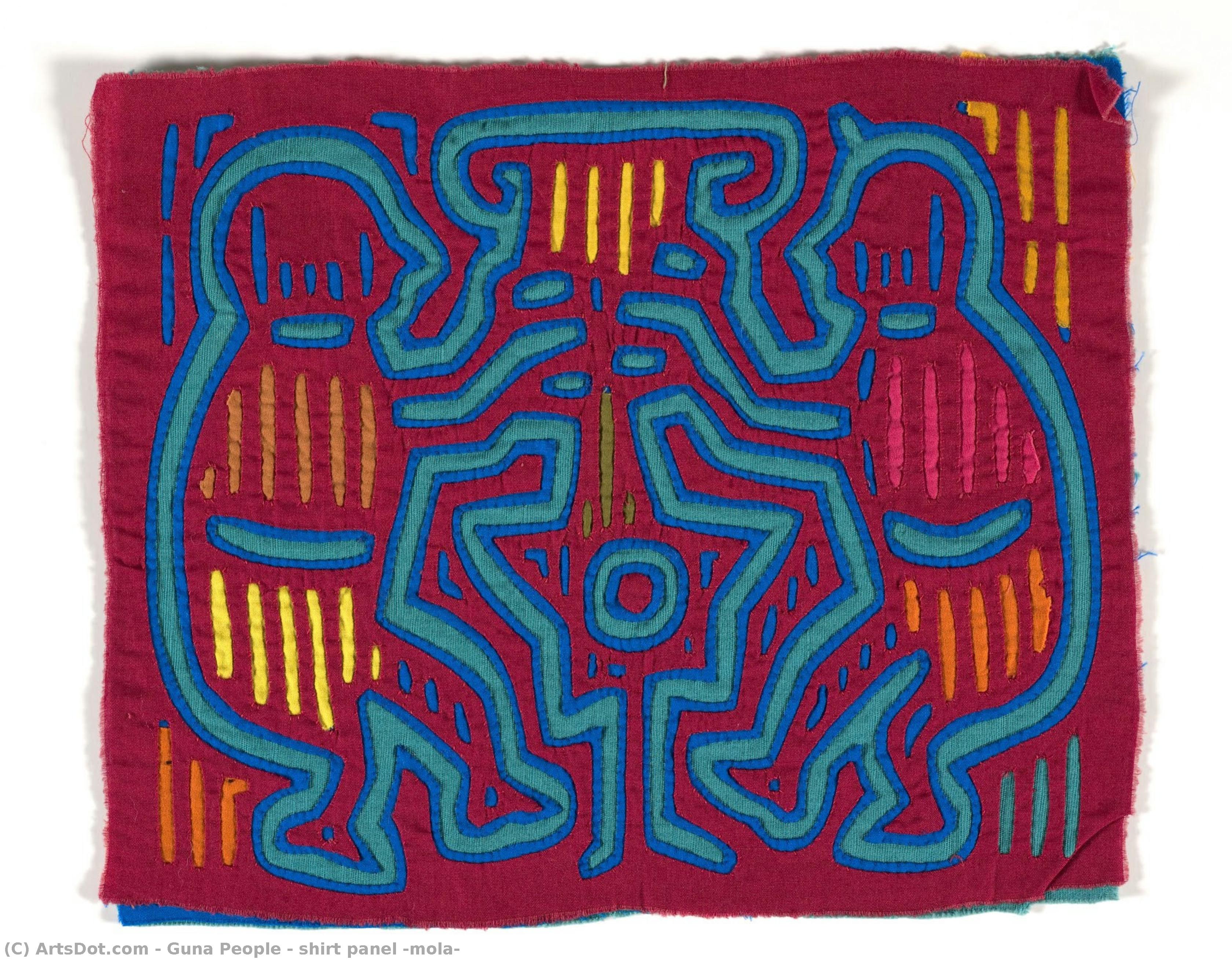
In the vibrant heart of the San Blas Islands, where the Caribbean Sea meets the shores of Panama, lies a visual language written in thread and color. The shirt panel (mola) is not merely a textile; it is a profound narrative piece, a window into the ancestral soul of the Guna people. Created around 1950, this exquisite work of art exemplifies the mastery of indigenous Panamanian artistry, where every stitch serves as a heartbeat of cultural identity. To gaze upon this panel is to witness a rhythmic dance of geometry and life, a meticulously layered mosaic that transforms simple cotton into a complex saga of existence.
The subject matter of this particular mola captures a moment of communal vitality. Within its intricate borders, several figures emerge from the kaleidoscopic background, their poses and characteristics suggesting a scene deeply rooted in the daily rhythms or mythological legends of the Guna culture. The composition is dense and energetic, pulling the viewer into a world where the boundaries between the human, the natural, and the spiritual are beautifully blurred. For the collector or the interior designer, this piece offers more than decoration; it provides a focal point of profound storytelling that commands attention through its sheer complexity and warmth.
The Alchemy of Appliqué and Color
The technique behind the mola is a testament to patience and precision. Unlike traditional painting, the Guna women utilize an advanced form of appliqué, layering multiple pieces of brightly colored fabric to create depth and dimension. This process involves cutting away top layers to reveal the colors beneath, a method that requires immense foresight and steady hands. The result is a sculptural quality within a two-dimensional plane, where edges are sharp yet the transitions between hues feel organic and fluid. The use of vibrant, eye-catching pigments—deep reds, sun-drenched yellows, and oceanic blues—creates a visual vibration that makes the artwork appear to pulse with life.
This mastery of color and form serves a dual purpose: it is both an aesthetic triumph and a symbolic tool. The bold palettes often reflect the lush biodiversity of the Panamanian landscape, while the repetitive geometric motifs may echo the cosmological order believed by the Guna ancestors. When considering a high-quality reproduction for a curated space, one must appreciate how these intense colors can breathe life into a modern interior, acting as a bridge between ancient tradition and contemporary elegance.
An Emotional Resonance for the Modern Collector
Beyond its technical brilliance, the mola carries an emotional weight that is difficult to quantify. It represents resilience—the preservation of a way of life through the medium of cloth. Each panel is a labor of love, often passed down or shared as a piece of communal history. There is a sense of intimacy in the close-up view of these figures; one feels invited into a private celebration or a sacred ritual. This emotional depth makes the mola an exceptional choice for those seeking art that transcends mere ornamentation.
For the discerning art lover, owning a reproduction of such a significant cultural artifact is an act of appreciation for the human spirit's ability to create beauty amidst the complexities of history. Whether placed in a sunlit gallery or as a sophisticated accent in a luxury residence, this mola brings with it the warmth of the Guna people’s legacy, offering a timeless connection to the artistry of the Americas.
Похожие произведения

Биография художника
The Living Tapestry: The Soul of Guna Artistry
In the heart of the San Blas Islands, where the turquoise Caribbean Sea meets the lush, emerald coastlines of Panama, there exists a visual language written not in ink, but in thread and color. This is the world of the Guna people, an indigenous community whose artistic heritage is most vibrantly expressed through the mola—intricate, layered textile panels that serve as much more than mere decoration. To encounter a mola is to witness a profound testament to an enduring spirit; it is a rhythmic dance of geometry and myth that captures the very essence of Panaman and Colombian indigenous life. These textiles are the pulse of a culture, acting as repositories of ancestral memory where every stitch carries the weight of a thousand stories.
The origins of this artistry are deeply intertwined with the history of the Guna people themselves. Descended from ancient lineages that may have connected to Mesoamerican civilizations, the Guna developed a nomadic lifestyle that fostered a deep, spiritual connection to the natural world. This ecological awareness is etched into every fabric panel. The technique used to create these masterpieces is known as reverse appliqué, an extraordinary feat of patience and precision. Unlike traditional embroidery that rests upon a surface, Guna women create these patterns by layering multiple sheets of carefully chosen colored cloth—often remnants of textiles introduced through centuries of trade—and then meticulously cutting away the top layers to reveal the vibrant hues hidden beneath. This process creates a structural depth and a sculptural quality, transforming simple fabric into a complex, multi-dimensional mosaic.
Symbolism, Narrative, and the Natural World
Beyond their striking visual appeal, molas function as a sophisticated system of communication, representing a visual language that transcends spoken words. Each piece is a narrative vessel, often depicting scenes from Guna mythology, cosmology, or significant historical events. The motifs found within these textiles are rarely arbitrary; they are deeply symbolic reflections of the environment and spiritual beliefs. One might observe:
- Geometric Patterns: Intricate shapes that represent fundamental concepts such as duality, balance, and the interconnectedness of all living things.
- Fauna and Flora: Stylized depictions of animals and plants, such as the scales of a serpent or the movement of waves, which symbolize ecological awareness and spiritual protection.
- Cosmic Narratives: Designs that recount the creation of the universe and the roles of ancestral deities within the Guna worldview.
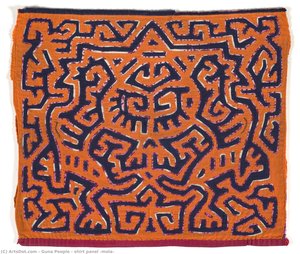
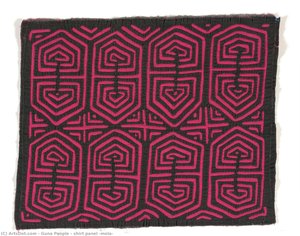
The artistry is characterized by an intense, rhythmic contrast. A single panel might feature a breathtaking interplay between deep, shadowy blacks and fiery oranges, evoking both the warmth of a tropical sunrise and the mysteries of the ancient jungle. This mastery of color and line reflects a disciplined hand, where the artist’s skill is measured by the sharpness of every cut and the seamless integration of contrasting tones.
Evolution and Contemporary Significance
The history of Guna art is also a history of resilience and adaptation. The arrival of European explorers and traders brought new materials, such as cotton, which fundamentally altered the textures available to artisans. However, rather than losing their identity to these external influences, the Guna people demonstrated a remarkable ability to integrate new elements while preserving the core values of their tradition. They adapted their techniques to utilize new fabrics without ever compromising the sacred geometric structures that define their cultural aesthetic.
Today, the legacy of Guna artistry continues to thrive within the autonomous comarcas of Panama and Colombia. While the molas have gained international recognition as significant works of textile art, they remain deeply rooted in the daily lives of the Guna women who create them. They are not merely artifacts for a gallery; they are living expressions of identity, worn with pride as part of traditional dress. As the world changes, the mola remains a steadfast anchor—a vibrant, kaleidoscopic window into a culture that continues to weave its past, present, and future into a single, magnificent tapestry.
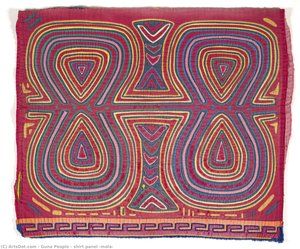
guna people
Panama
Основные сведения
- Artistic Movement Or Style: Mola Art
- Full Name: Guna people
- Nationality: Indigenous
- Notable Artworks:
- Shirt Panel (mola)
- Shirt Panel (mola)
- Place Of Birth: Panama