

 Предпросмотр
 Поделиться
 Поделиться
 Детали произведения

 Скачать
 Похожие работы
 Рентгенография
 Слайд-шоу
 Статистика
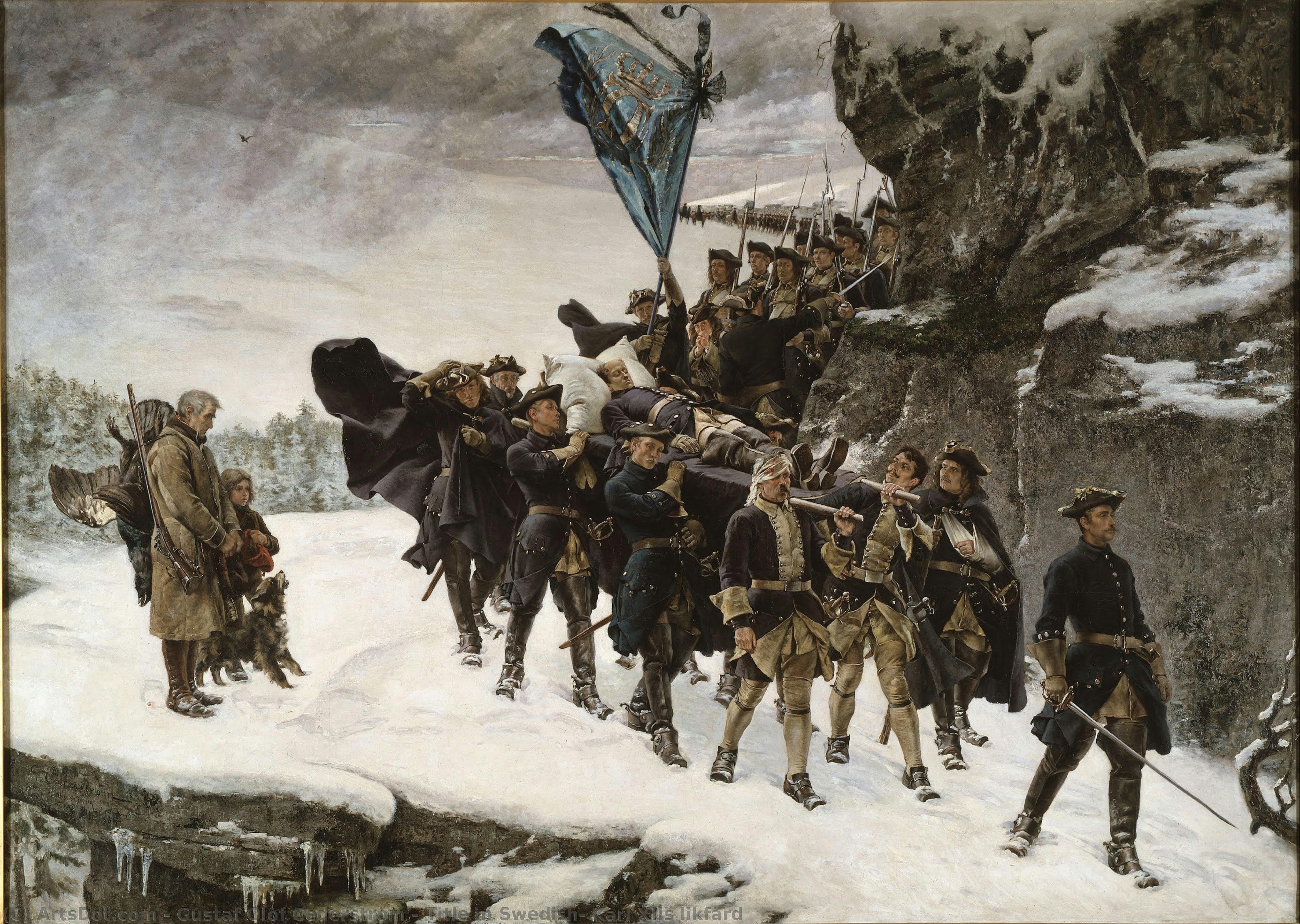
Title in Swedish: Karl XIIs likfärd
 Oil On Canvas
- WallArt
- Historical Painting
 1884
1884- 19th Century
 3710.0 x 2650.0 cm
 Национальный музей Швеции
 Читать далее
Приобретите цифровое изображение высокого разрешения в улучшенном качестве, которое значительно превосходит онлайн-превью.
Каждый файл тщательно подготавливается нашими специалистами с использованием передовых инструментов и экспертной ручной ретуши. Мы гарантируем исключительную четкость, точную цветопередачу и детальную проработку каждого изображения.
Финальный файл доставляется по электронной почте в течение 72 часов и оптимизирован для немедленного использования в профессиональной среде, при верстке и печати. Это тот же уровень качества, которому доверяют ведущие дизайнерские студии, издательства и галереи.
Цифровое изображение
Скачайте файл высокого разрешения для личного использования, печати и творческих проектов. ( Перейти к печати Купить картину ручной работы)
Включено в каждый заказ цифровых изображений
Гарантия экспертной цифровой доставки
Выбирая ArtsDot.com, вы получаете не просто изображение — вы приобретаете профессионально обработанное цифровое произведение искусства, созданное с безупречной точностью и под защитой гарантии качества. Вот всё, что автоматически входит в ваш заказ:

Мгновенная доставка по e-mail
Ваш цифровой файл в высоком разрешении будет отправлен вам по электронной почте в течение 72 часов после оформления заказа — и сразу станет доступен для использования.

Цифровой файл с ИИ-улучшением
Ваше произведение искусства проходит профессиональную оптимизацию с использованием передовых инструментов ИИ и ручной обработки, что гарантирует максимальную детализацию, четкость и точность цветопередачи.

Бессрочная бесплатная повторная доставка
Случайно удалили или потеряли файл? Не беспокойтесь — мы отправим его вам повторно в любое время и совершенно бесплатно.

Без импортных пошлин — навсегда
Наслаждайтесь вашим произведением искусства мгновенно без таможенных пошлин, сборов или затрат на доставку — цифровые загрузки всегда не облагаются налогом.

Гарантия точности цветопередачи
Мы гарантируем, что ваше цифровое изображение максимально точно передает оригинальные цвета благодаря использованию профессиональных инструментов и систем управления цветом.

Гарантия удовлетворенности 100 дней
Если вы не будете удовлетворены своим цифровым изображением, мы внесем правки или вернем 100% стоимости в течение 100 дней — без лишних вопросов.

100% Гарантия возврата средств
Не удовлетворены покупкой? Получите полный возврат средств в течение 100 дней после получения цифрового файла — без лишних вопросов.

Скидки на оптовые заказы
Купите 3 изображения, сэкономьте 10% — Купите 5, сэкономьте 15% — Купите 10+, сэкономьте 20%. Отличное решение для творческих проектов, галерей и агентств.
A Somber Procession Through Time
In the sweeping, dramatic canvas of Gustaf Olof Cederström, we are not merely observers of a historical event, but witnesses to a nation's grief. Karl XIIs likfärd (The Funeral Transport of King Charles XII) serves as a profound window into the Swedish soul, capturing the heavy, atmospheric moment when the legendary monarch is brought home. The painting transcends simple documentation; it is an immersive journey into the late 19th-century romantic fascination with heroism and tragedy. As the eye wanders across the rugged, rocky hillside, one feels the weight of the soldiers' footsteps and the biting chill of the landscape. Cederström masterfully orchestrates a scene where the silence of death meets the disciplined movement of an army, creating a tension that is both haunting and deeply reverent.
The composition is a triumph of narrative depth, populated by at least fourteen figures whose varied uniforms tell a story of different ranks and units brought together by a singular, mournful purpose. Some soldiers stand vigilant with muskets, their silhouettes etched against the terrain, while others appear weary from the journey, their backpacks laden with the remnants of campaign life. The inclusion of a solitary dog and a sturdy horse adds a layer of poignant realism, suggesting that even in the midst of royal mourning, the rhythms of life and the companionship of animals persist. This meticulous attention to detail—from the texture of the gear to the ruggedness of the earth—invites collectors and enthusiasts to lose themselves in the sheer scale of this historical reconstruction.
Mastery of Light and Historical Grandeur
Technically, Cederström employs a style that bridges the gap between rigorous academic realism and the emotional intensity of Romanticism. His brushwork is incredibly detailed, capturing the interplay of light across the metallic surfaces of weapons and the coarse fabrics of military tunics. This precision serves to ground the imaginative elements of the painting in a palpable reality, making the historical event feel immediate and visceral. For the interior designer or art lover, this piece offers an unparalleled sense of gravitas. The muted, earthy palette of the landscape provides a sophisticated backdrop that allows the dramatic figures to command attention without overwhelming a curated space.
Beyond its visual splendor, the painting functions as a symbolic meditation on legacy and loss. The "funeral transport" is more than a movement of a body; it is the movement of an era. Cederström, whose own life was deeply intertwined with Swedish history, imbues the scene with a sense of duty and national identity. To possess a reproduction of this work is to hold a piece of cultural memory—a fragment of a time when art sought to immortalize the very essence of a people's triumphs and tribulations. It is an ideal centerpiece for those seeking to infuse their surroundings with a sense of timelessness, strength, and profound historical narrative.
Похожие произведения



Биография художника
A Life Etched in History: The World of Gustaf Olof Cederström
Gustaf Olof Cederström, born in Stockholm in 1845, was a painter whose name became synonymous with historical narrative in Swedish art. His life’s work wasn't merely the depiction of past events; it was an immersive journey into them, fueled by a deep-seated fascination with his nation’s legacy and a talent for dramatic composition. Cederström’s lineage itself hinted at the duality that would define his career—his father, Carl Emanuel Cederström, was a naval officer embodying duty and discipline, while his mother, Theresine, nurtured an artistic sensibility within the home. This early exposure to both worlds laid the foundation for a life spent bridging the gap between rigorous historical accuracy and compelling visual storytelling. A pivotal moment in young Gustaf’s imagination occurred with the discovery of an ancestor's participation in the Skirmish at Bender, sparking a lifelong obsession with Swedish history that would permeate his canvases.From Military Aspirations to Artistic Pursuit
Initially following in his father’s footsteps, Cederström embarked on a military career, joining an infantry regiment in Värmland in 1864. However, the call of art proved too strong to ignore. He continued to pursue artistic studies alongside his military duties at the Royal Swedish Academy of Fine Arts, recognizing that his true vocation lay not on the battlefield but within the realm of creative expression. In 1870, he made the decisive break, resigning his commission and dedicating himself fully to painting. This commitment led him abroad, first to Düsseldorf under Ferdinand Fagerlin’s tutelage, then to Paris where he studied with Léon Bonnat. It was in Paris that Cederström truly found his artistic footing, absorbing the influences of the French academic style while developing a uniquely Swedish perspective on historical themes. He settled permanently in Paris in 1873, establishing himself within the vibrant international art scene.Triumph and Recognition: The Funeral Transport of Charles XII
Cederström’s breakthrough arrived at the Exposition Universelle of 1878 with his monumental painting, Karl XIIs likfärd (The Funeral Transport of Charles XII). This work, depicting the solemn procession carrying the body of the Swedish king home after his death in battle, was an immediate sensation. The scene wasn’t simply a historical record; it was a powerfully emotive portrayal of national mourning and heroic sacrifice. The painting's dramatic lighting, meticulous detail, and palpable sense of grief resonated deeply with audiences, earning Cederström a medal and securing its purchase by the Russian Grand Duke Konstantin. Later returned to Sweden, it now resides in the Göteborgs konstmuseum as a testament to his skill. This success propelled him into the forefront of Swedish art, leading to his election as a member of the Royal Academy that same year and solidifying his reputation as a master of historical painting. His marriage to Amalia Katarina Jaeder further enriched his life, and their daughter Carola would also follow an artistic path.A Legacy Beyond the Canvas
Cederström’s influence extended beyond his paintings. He was appointed Professor at the Academy in 1887 and later served as its Director from 1899 to 1911, shaping the next generation of Swedish artists. While he engaged with projects like historical murals for the Nationalmuseum—a commission ultimately relinquished due to artistic differences with Carl Larsson—his true passion remained focused on large-scale historical compositions. He continued to explore themes of Swedish identity and national narrative throughout his career, producing works that captured pivotal moments in the nation’s past. In later life, he turned to writing, publishing his autobiography, En gammal konstnärs minnen (An Old Artist's Memories) in 1926, followed by Gammalt och nytt (Old and New) in 1929. These writings offered invaluable insights into his artistic philosophy and the historical context that informed his work. Gustaf Olof Cederström passed away in 1933, leaving behind a rich legacy of paintings and writings that continue to inspire and captivate audiences today. His ability to breathe life into history, to transform events into emotionally resonant visual experiences, ensures his place as one of Sweden’s most important and beloved artists.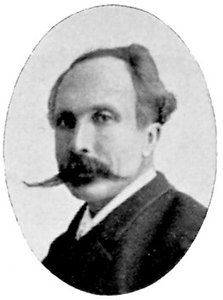
Gustaf Olof Cederström
1845 - 1933 , Sweden
Основные сведения
- Artistic Movement Or Style: Historical painting
- Artists Who Influenced This Artist:
- Ferdinand Fagerlin
- Léon Bonnat
- Date Of Birth: 1845
- Date Of Death: 1933
- Full Name: Gustaf Olof Cederström
- Nationality: Swedish
- Notable Artworks: ["Karl XII's Funeral Transport"]
- Place Of Birth: Stockholm, Sweden