

 Предпросмотр
 Поделиться
 Поделиться
 Детали произведения

 Скачать
 Похожие работы
 Рентгенография
 Слайд-шоу
 Статистика
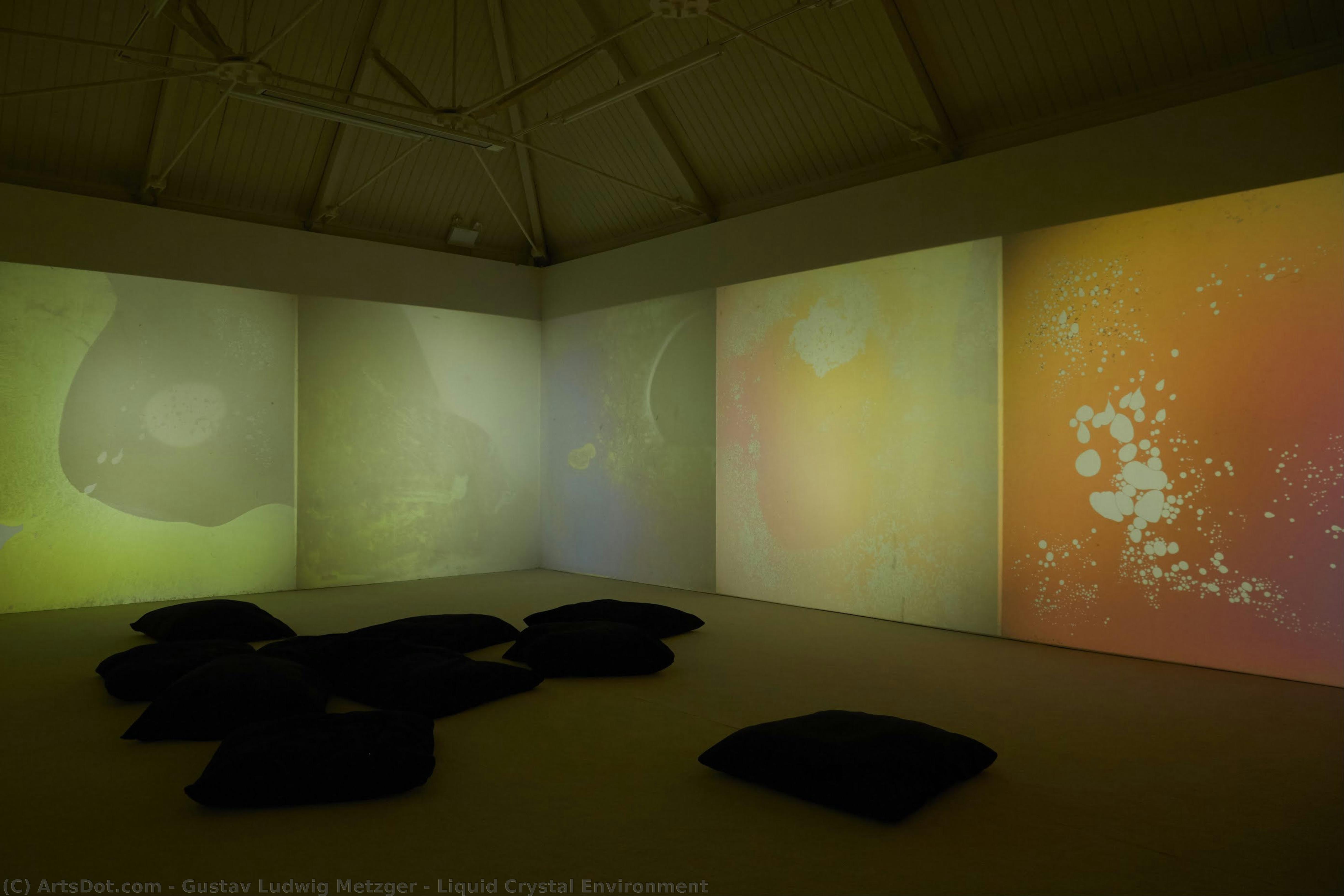
Liquid Crystal Environment

 Читать далее
Масляная репродукция ручной работы
Картина маслом на холсте в выбранном вами размере и раме, написанная на заказ нашими художниками. ( Перейти к печати Перейти к цифровым изображениям)




































Выберите один из наших стандартных размеров, соответствующих оригинальным пропорциям произведения искусства.

Вы можете указать собственные размеры, чтобы картина идеально вписалась в выбранную раму или пространство. Если выбранный вами размер не соответствует пропорциям оригинала, мы либо обрежем полотно, либо расширим его за счет дополнительных элементов, написанных вручную. Цифровой макет будет отправлен вам на утверждение перед началом производства.
Обратите внимание, что предварительный просмотр на экране не отражает фактическую обрезку или расширение. Только макет точно покажет окончательную композицию.
Хотя доступны индивидуальные размеры, мы рекомендуем выбирать вариант из предопределенного списка, чтобы сохранить исходные пропорции.
После оформления заказа команда ArtsDot.com свяжется с клиентом по электронной почте для уточнения деталей и предоставит предварительный макет
Доставка по всему миру () за 3–4 недели вместо стандартных 5 недель. (11 Сентябрь). Без компромиссов в качестве.

Бесплатная экспресс-доставка по всему миру

Высококачественный льняной холст

Полное страхование доставки

Гарантия возмещения таможенных пошлин

Гарантия точного соответствия цветов

100-дневная политика возврата (только при обнаружении дефектов)

Гарантия возврата 100% средств

Предложение оптовых скидок
 Вариант со стеклом доступен только для размеров менее 110 см

Liquid Crystal Environment
Техника репродукции
Размер репродукции
-


Итоговая стоимость
$ 263
Похожие произведения








Биография художника
The Crucible of Displacement and Survival
Born amidst the gathering shadows of Nuremberg in 1926, Gustav Ludwig Metzger’s life was defined by the very forces of upheaval he would later seek to mirror in his art. As a child of Polish-Jewish heritage, the rising tide of Nazi persecution forced him onto the Kindertransport in 1939, a journey that severed him from his homeland and thrust him into the uncertain landscape of Britain. This early experience of displacement—of being a refugee, a survivor, and a person stripped of a fixed identity—became the psychological bedrock of his creative practice. His subsequent studies in Cambridge, London, Antwerp, and Oxford under masters like David Bomberg allowed him to absorb the currents of Surrealism and Expressionism, yet his gaze remained fixed on the visceral reality of a world in flux. For Metzger, art was never meant to be a static ornament; it was a living, breathing response to the fragility of existence.
The Philosophy of Auto-Destruction
In 1959, Metzger unleashed a radical provocation that would forever alter the trajectory of contemporary art: the manifesto of Auto-Destructive Art. This was not a mere celebration of nihilism, but a profound conceptual challenge to the commodification of the art object and the complacency of the viewer. He envisioned a process where the act of destruction served as a liberating force, stripping away the layers of established convention to reveal the raw truth beneath. Through sculptural installations and ephemeral performances, he explored the tension between creation and annihilation, suggesting that for new forms of consciousness to emerge, the old structures must be dismantled. His work drew upon the subversive spirit of Marcel Duchamp and the structural theories of Joseph Schillinger, yet it possessed a unique, urgent gravity. He sought to create works that mirrored the inevitable decay of all things, turning the gaze of the viewer toward the terrifying beauty of metamorphosis.
Art as a Weapon of Social Change
Beyond the studio, Metzger’s practice was inseparable from his life as an activist. He believed that art must serve as a mirror to a political system progressing towards total obliteration, and he used his creative voice to combat nuclear proliferation, capitalism, and environmental devastation. His involvement with the Committee of 100 and his leadership in the 1966 Art Strike demonstrated a commitment to using artistic resistance as a tool for social upheaval. He famously advocated for the dismantling of artworks to protest the commercialization of culture, asserting that the artist's true power lies in action rather than the production of precious objects. His legacy remains a haunting and vital reminder of the artist's responsibility to the planet and the people:
- The necessity of confronting societal ills through direct, provocative engagement.
- The role of the artist as an environmental sentinel against ecological destruction.
- The belief that art can be a subversive political weapon in the face of systemic decay.
In the end, Gustav Metzger did not merely make art; he orchestrated a profound dialogue between the human spirit and the inevitable forces of entropy, leaving behind a legacy that continues to challenge our understanding of what it means to create in an age of destruction.
gustav ludwig metzger
1926 - 2017 , Germany
Основные сведения
- Artistic Movement Or Style: Auto-Destructive Art
- Artists Or Movements Influenced By This Artist: ['Fluxus']
- Artists Who Influenced This Artist:
- Max Ernst
- Marcel Duchamp
- Date Of Birth: 1926
- Full Name: Gustav Ludwig Metzger
- Nationality: German
- Notable Artworks: ['Liquid Crystal Environment']
- Place Of Birth: Nuremberg, Germany