

 Поделиться
 Поделиться
 Детали произведения

 Скачать
 Похожие работы
 Слайд-шоу
 Статистика
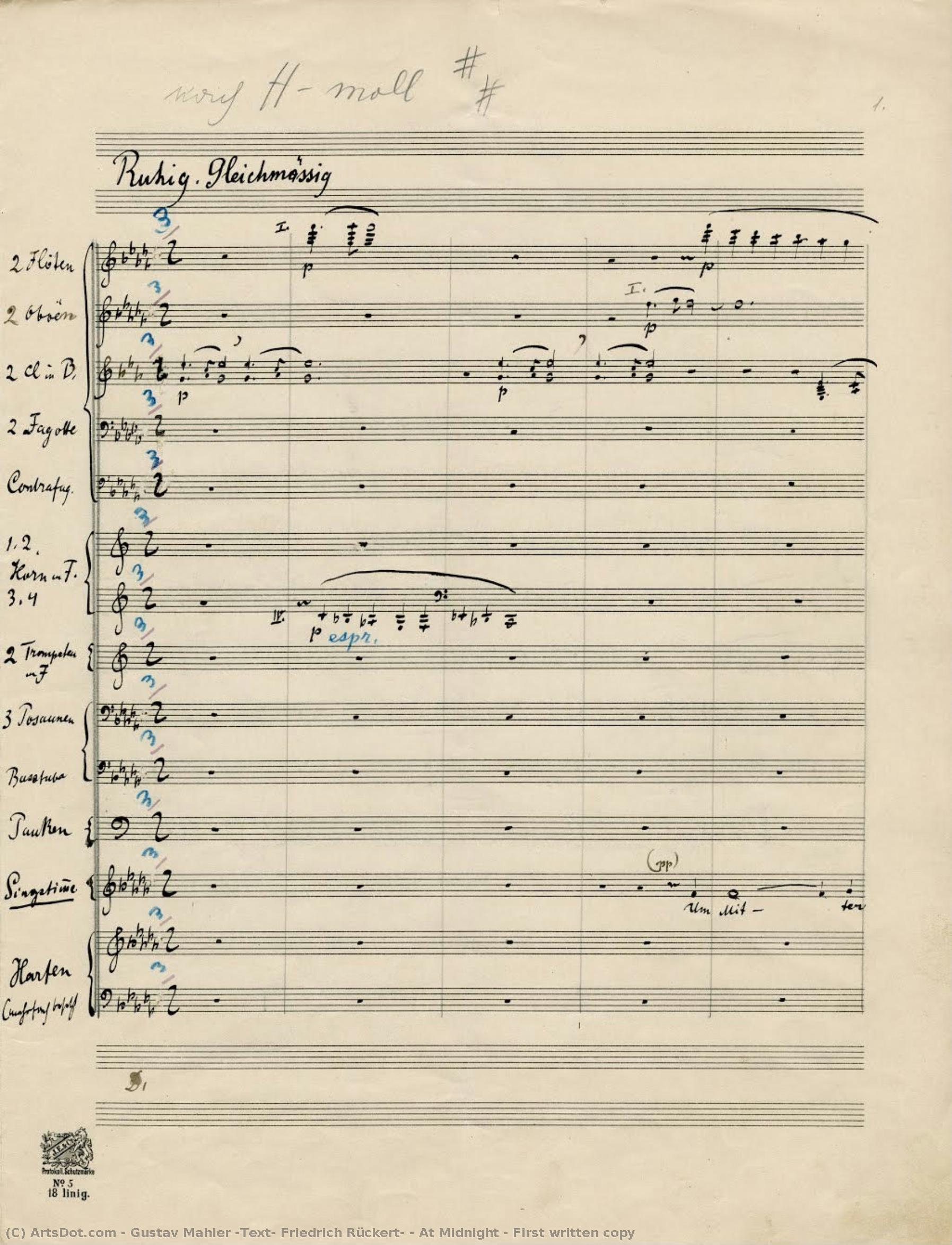
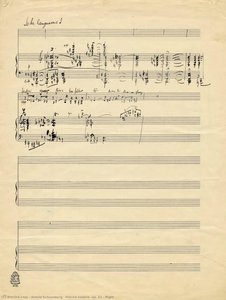
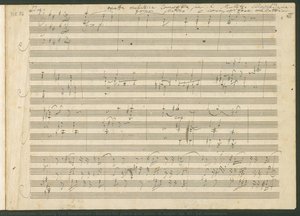
At Midnight - First written copy
 Black and White Photography
- Photo
 1902
1902- 19th Century
 26.0 x 34.0 cm
 Arnold Schönberg Center
 Читать далее
Жикле / Арт-принт
Печать (жикле) или холст музейного качества с быстрыми сроками изготовления и широким выбором вариантов отделки. ( Купить картину ручной работы Перейти к цифровым изображениям)




































Выберите один из наших стандартных размеров, соответствующих оригинальным пропорциям произведения искусства.

Вы можете указать свои собственные размеры, чтобы репродукция идеально подошла под конкретную раму или пространство. Если выбранный вами размер не будет соответствовать пропорциям оригинала, мы либо обрежем произведение, либо дополним изображение зеркальным отражением краев или однотонной заливкой. Перед началом производства вам будет отправлен цифровой макет для утверждения.
Пожалуйста, обратите внимание, что предварительный просмотр на экране не отображает фактическую обрезку или расширение изображения. Только макет точно покажет финальную композицию.
Несмотря на возможность заказа индивидуальных размеров, мы рекомендуем выбирать размер из предопределенного списка, чтобы сохранить оригинальные пропорции.
Доставка по всему миру () за 2 недели вместо стандартных 4/5 недель. (12 Сентябрь)

Бесплатная экспресс-доставка по всему миру

Высококачественный льняной холст

Полное страхование доставки

Гарантия возмещения таможенных пошлин

Гарантия точного соответствия цветов

100-дневная политика возврата (только при обнаружении дефектов)

Гарантия возврата 100% средств

Предложение оптовых скидок
 Вариант со стеклом доступен только для размеров менее 110 см

At Midnight - First written copy
Жикле / Арт-принт
Размер репродукции
-


Итоговая стоимость
$ 62
A Whisper from the Threshold of Dawn
To gaze upon this facsimile of "At Midnight" is to step directly into the rarefied atmosphere of early 20th-century musical genius. This piece, an autograph manuscript bearing the weight of history and profound introspection, captures a moment suspended between darkness and revelation. It is not merely sheet music; it is a tangible echo of Gustav Mahler’s monumental artistic soul—a spirit wrestling with themes of faith, doubt, and ultimate transcendence. The visual texture of the aged paper, combined with the precise, almost urgent markings of the composer's hand, invites the viewer into an intimate dialogue with one of the titans of late Romanticism.
The Weight of Compositional History
Dating to 1902, this manuscript is intrinsically linked to a pivotal moment in musical history. The context surrounding its creation—Mahler’s deep engagement with religious and existential themes, as evidenced by the dedication inscribed upon it—suggests a work steeped in spiritual yearning. While the notes themselves speak of an orchestral tapestry woven from melancholy threads, the accompanying narrative hints at a struggle for clarity, a journey away from confusion toward lucid understanding. The very act of preserving this handwritten copy allows us to connect with Mahler’s process: the careful revision, the passionate inscription that transforms mere notation into personal testament.
Symbolism and Emotional Resonance
The title itself, "At Midnight," carries immense symbolic weight. Midnight is universally understood as the liminal space—the deepest point of night, yet simultaneously the threshold before dawn. This duality permeates the music's emotional core. It speaks to moments of profound solitude where one confronts their deepest beliefs and uncertainties. For the collector or admirer, this piece offers a powerful aesthetic anchor for any space meant for contemplation. Its inherent drama elevates it beyond mere decoration; it becomes an object that encourages deep thought, mirroring the sublime tension between despair and hope.
A Study in Technique and Craftsmanship
The reproduction captures the delicate materiality of the original artifact. The black-and-white photograph emphasizes the contrast between the aged parchment and the dark ink of the notes. One can almost feel the slight yellowing patina of time, the subtle variations in the penmanship that betray the composer’s passing revisions. For those interested in art reproduction, this piece showcases an unparalleled level of detail—the careful rendering of musical staves, German script, and the overall antique quality. It is a testament to the enduring beauty found within scholarly documentation.
Похожие произведения


Биография художника
Gustav Mahler: A Titan of Late Romantic Expression
Gustav Mahler (1860-1911) stands as one of the most influential composers of the late Romantic era, a figure whose music continues to resonate with audiences worldwide. Born in Kalisz, Austria—now Poznań, Poland—into a family of modest means rooted in Bohemian Jewish tradition, Mahler’s early life instilled within him an enduring sense of displacement and exile, shaping his artistic vision profoundly. From the outset, he possessed exceptional musical talent, nurtured by his father's encouragement and honed through rigorous study at Vienna Conservatory where he forged friendships with luminaries like Arnold Schoenberg—a connection that would prove pivotal in shaping the trajectory of 20th-century music.- Early Influences & Musical Development: Mahler’s formative years were marked by exposure to diverse musical traditions, including folk melodies and operatic grandeur. His fascination with Wagnerian drama fueled his ambition to explore grand orchestral narratives, while simultaneously cultivating a sensitivity for the subtleties of vocal expression—a duality that would characterize his compositional style throughout his career.
- The Wunderhorn Cycle & Symphonic Breakthroughs: Mahler’s breakthrough came with his masterful adaptation of Achim von Arnim and Clemens Brentano's *Des Knaben Wunderhorn*, a collection of German folk poems imbued with mythic grandeur and psychological depth. This project solidified Mahler’s stylistic signature—a fusion of orchestral power and lyrical introspection—and established him as a leading voice in the burgeoning symphonic movement. His Second Symphony, premiered in 1895, exemplifies this approach, blending dramatic intensity with moments of exquisite beauty.
Musical Style & Philosophical Vision
Mahler’s musical style is instantly recognizable for its monumental scale and emotional complexity. Unlike many composers of his time who favored formal conventions, Mahler championed a bold aesthetic that prioritized expressive nuance over rigid adherence to tradition. His symphonies—particularly Nos. 5, 6 and 8—are characterized by their sprawling structures, incorporating choral passages alongside instrumental solos, creating immersive sonic landscapes that convey profound psychological states. He deliberately eschewed the prevailing pessimism of his era, instead articulating a belief in the enduring power of human spirit—a conviction reflected in the thematic core of his Eighth Symphony, which premiered to rapturous acclaim in 1910.- The Influence of Rückert Poetry: Mahler’s artistic inspiration stemmed largely from the poetry of Friedrich Rückert, whose melancholic verses explored themes of loss, longing and existential contemplation. The Rückert-Lieder cycle—a series of five songs based on Rückert's poems—represents a cornerstone of Mahler’s oeuvre, demonstrating his ability to transform poetic imagery into musical form with unparalleled sensitivity.
- Formal Innovation & Orchestral Mastery: Mahler pushed the boundaries of orchestral technique, experimenting with innovative instrumentation and harmonic progressions that anticipated developments in modernist music. His masterful orchestration—marked by a distinctive blend of tonal color and rhythmic dynamism—continues to inspire composers today.
Legacy & Recognition
Despite initial resistance from critics and audiences alike, Mahler’s music gained widespread acclaim posthumously, securing his place as one of the most frequently performed and recorded composers of the 20th century. His symphonies—particularly Nos. 5, 6 and 8—remain staples of orchestral repertoire, captivating listeners with their emotional depth and intellectual rigor. Furthermore, Mahler’s influence extends beyond the concert hall, inspiring artists across disciplines—literature, film and visual arts—who recognize in his music a profound articulation of human experience. The Gustav Mahler Society continues to champion his legacy, ensuring that his groundbreaking contributions to musical history are remembered for generations to come.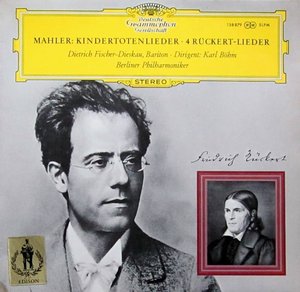
gustav mahler (text: friedrich rückert)
1860 - 1911 , Austria
Основные сведения
- Artistic Movement Or Style: Late Romantic
- Artists Who Influenced This Artist:
- Arnold Schoenberg
- Ludwig van Beethoven
- Date Of Birth: July 7, 1860
- Date Of Death: May 18, 1911
- Full Name: Gustav Mahler
- Nationality: Austrian
- Notable Artworks:
- Symphony No. 5
- Kindertotenlieder
- Des Knaben Wunderhorn
- Place Of Birth: Kalisz, Austria
Похожие статьи

Романтический пейзаж: 10 шедевров, изменивших искусство | ArtsDot.com
Погрузитесь в мир романтического пейзажа! 10 шедевров Фридриха, Тёрнера и других гениев. Узнайте историю создания культовых картин и вдохновитесь для декора интерьера. Репродукции высокого качества на ArtsDot.com.

Romantic Realism's Finest: 10 Masterpieces for Your Home | ArtsDot
Explore 10 defining masterpieces of Romantic Realism! Discover Courbet, Millet & Daumier's powerful paintings—capturing emotion and social realities. Find museum-quality reproductions for your home at ArtsDot.com.
Harmonies on Canvas: Exploring the Visual Representation of Music in Art History
Explore the fascinating history of music's visual representation in art! From ancient symbolism to modern abstraction, discover how artists have captured sound and emotion on canvas. Expert insights & stunning examples.
Топ-10 романтических шедевров в искусстве: купить репродукции картин онлайн | ArtsDot.com
Погрузитесь в мир романтики с ArtsDot.com! Откройте топ-10 шедевров искусства, полных любви и чувственности. Репродукции картин известных художников: пейзажи, портреты, импрессионизм. Вдохновение для вашего интерьера – исследуйте коллекцию онлайн!

Топ-10 произведений искусства, пробуждающих глубокие романтические чувства | ArtsDot
Погрузитесь в мир глубоких чувств с Топ-10 романтических произведений искусства! Узнайте истории любви, вдохновляющие техники Ван Гога, Климта и других мастеров. Купите репродукции картин для вашего интерьера на ArtsDot.com – музейное качество и безупречный декор.