

 Предпросмотр
 Поделиться
 Поделиться
 Детали произведения

 Скачать
 Похожие работы
 Рентгенография
 Слайд-шоу
 Статистика
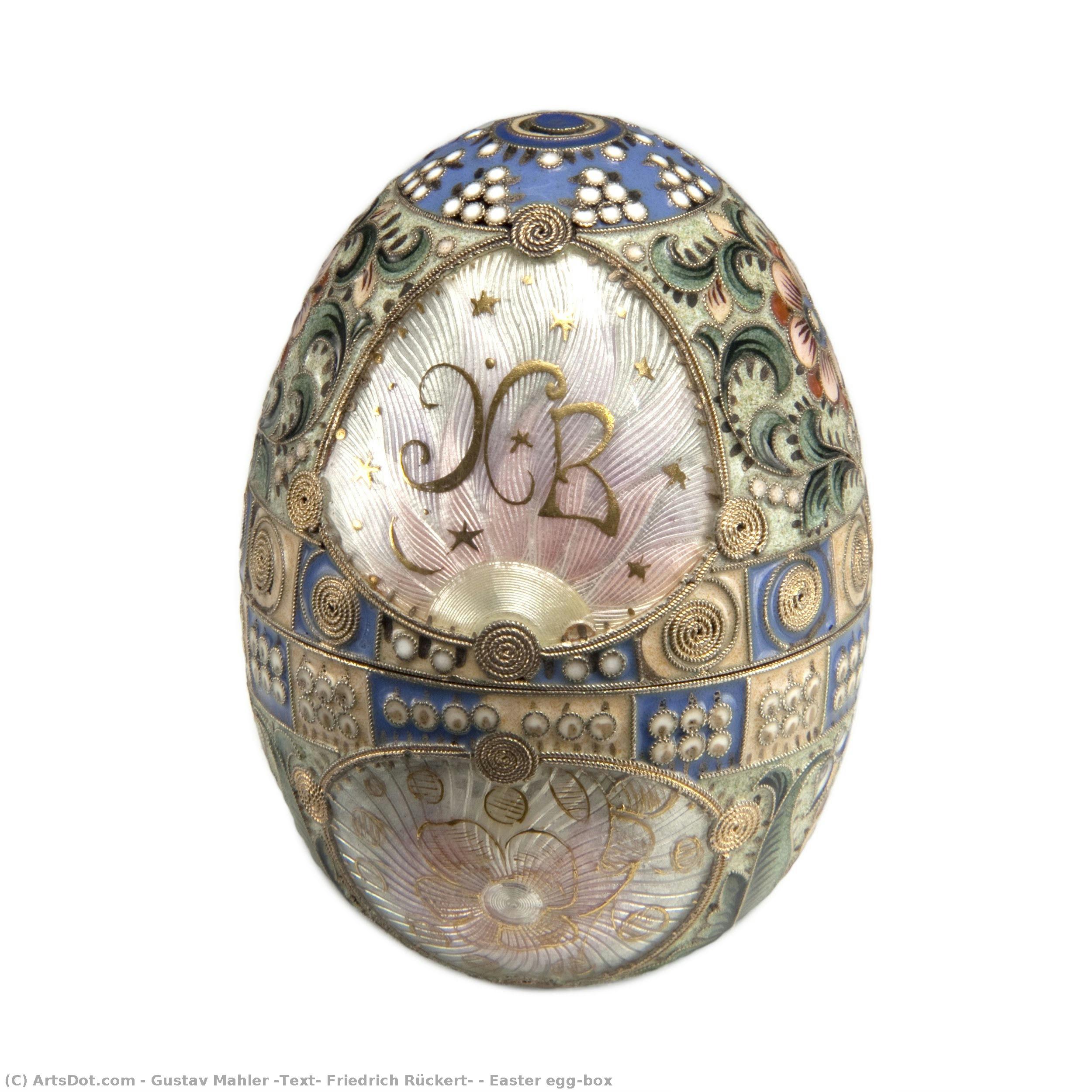
Easter egg-box


 Читать далее
Масляная репродукция ручной работы
Картина маслом на холсте в выбранном вами размере и раме, написанная на заказ нашими художниками. ( Перейти к печати Перейти к цифровым изображениям)




P118B $10

P118H $10

P118W $10

P438Z $10

P508JH $12

P508YH $12

P805H $10

P805Z $10

P919BZ $10

P919G $10

P919XJ $10

P959ZH $10

P968JZ $12

W106C $8

W218G $10

W218JH $8

W218Y $10

W307PJ $10

W316G $10

W316PJ $8

W316Y $10

W398PJ $8

W4111J $10

W500HY $15

W500JH $15

W692G $12

W849H $8

W940BG $15

W953PJ $8




Выберите один из наших стандартных размеров, соответствующих оригинальным пропорциям произведения искусства.

Вы можете указать собственные размеры, чтобы картина идеально вписалась в выбранную раму или пространство. Если выбранный вами размер не соответствует пропорциям оригинала, мы либо обрежем полотно, либо расширим его за счет дополнительных элементов, написанных вручную. Цифровой макет будет отправлен вам на утверждение перед началом производства.
Обратите внимание, что предварительный просмотр на экране не отражает фактическую обрезку или расширение. Только макет точно покажет окончательную композицию.
Хотя доступны индивидуальные размеры, мы рекомендуем выбирать вариант из предопределенного списка, чтобы сохранить исходные пропорции.
После оформления заказа команда ArtsDot.com свяжется с клиентом по электронной почте для уточнения деталей и предоставит предварительный макет
Доставка по всему миру () за 3–4 недели вместо стандартных 5 недель. (12 Сентябрь). Без компромиссов в качестве.

Бесплатная экспресс-доставка по всему миру

Высококачественный льняной холст

Полное страхование доставки

Гарантия возмещения таможенных пошлин

Гарантия точного соответствия цветов

100-дневная политика возврата (только при обнаружении дефектов)

Гарантия возврата 100% средств

Предложение оптовых скидок
 Вариант со стеклом доступен только для размеров менее 110 см

Easter egg-box
Техника репродукции
Размер репродукции
-


Итоговая стоимость
$ 263
A Testament to Craftsmanship: Gustav Mahler’s “Easter Egg-Box”
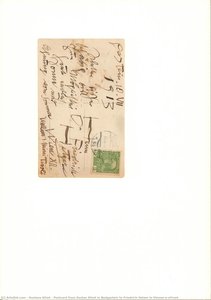
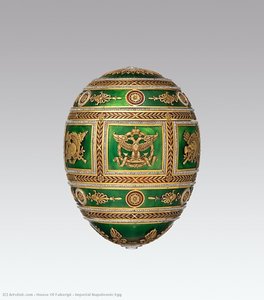
This exquisite hand-painted reproduction captures the essence of Gustav Mahler's "Easter Egg-box," an object imbued with both artistic beauty and a poignant sense of history. The artwork presents a meticulously rendered close-up, focusing on a single, opulent egg – a miniature masterpiece that speaks volumes about the late Romantic era’s fascination with intricate detail and symbolic representation. The image immediately draws the eye to its striking color palette: a harmonious blend of deep blues and pristine whites, evoking the serenity and spiritual significance often associated with Easter celebrations. The subtle gold trim, strategically applied, elevates the piece beyond mere decoration, suggesting a connection to imperial grandeur and the luxurious tastes of the period.
The Artist and His Context
Created by Gustav Mahler (1860-1911), a towering figure in late Romantic music, this egg reflects his broader artistic concerns. Born in Kalisz, Austria – now part of Poland – Mahler’s life was marked by a sense of displacement, a theme frequently explored through the emotional intensity of his compositions. His musical journey, shaped by influences ranging from Wagnerian opera to Bohemian folk melodies, culminated in works that are both deeply personal and universally resonant. Mahler's connection with Arnold Schoenberg, forged during their studies at Vienna Conservatory, foreshadowed the radical shifts occurring within music theory and composition – a crucial element of understanding Mahler’s legacy.
Symbolism and Decorative Intent
The egg itself is a potent symbol, representing rebirth, renewal, and new beginnings – themes central to the Easter holiday. Its elaborate decoration—a testament to the meticulous craftsmanship of the time—was likely intended as a luxurious object for display or gifting, reflecting the elevated status of the recipient. The blue and white coloration, frequently associated with royalty and spirituality, further reinforces this symbolic weight. The gold trim, reminiscent of Baroque ornamentation, adds an element of opulence and grandeur, suggesting a connection to religious iconography and aristocratic taste. The attribution to Friedrich Rückert, a renowned poet, subtly elevates the piece's intellectual and artistic significance, hinting at a deliberate engagement with themes of beauty, mortality, and spiritual contemplation.
Technique and Reproduction
This hand-painted reproduction meticulously recreates Mahler’s “Easter Egg-box” using traditional techniques. Skilled artisans have painstakingly rendered the intricate details – from the delicate curves of the egg to the shimmering effect of the gold trim – ensuring an accurate and faithful representation of the original. The use of high-quality pigments and a smooth, even application guarantees exceptional color fidelity and longevity. This reproduction is more than just a copy; it’s a tangible connection to a significant work of art, allowing you to appreciate Mahler's vision and the artistry of his time within your own space.
Похожие произведения

Биография художника
Gustav Mahler: A Titan of Late Romantic Expression
Gustav Mahler (1860-1911) stands as one of the most influential composers of the late Romantic era, a figure whose music continues to resonate with audiences worldwide. Born in Kalisz, Austria—now Poznań, Poland—into a family of modest means rooted in Bohemian Jewish tradition, Mahler’s early life instilled within him an enduring sense of displacement and exile, shaping his artistic vision profoundly. From the outset, he possessed exceptional musical talent, nurtured by his father's encouragement and honed through rigorous study at Vienna Conservatory where he forged friendships with luminaries like Arnold Schoenberg—a connection that would prove pivotal in shaping the trajectory of 20th-century music.- Early Influences & Musical Development: Mahler’s formative years were marked by exposure to diverse musical traditions, including folk melodies and operatic grandeur. His fascination with Wagnerian drama fueled his ambition to explore grand orchestral narratives, while simultaneously cultivating a sensitivity for the subtleties of vocal expression—a duality that would characterize his compositional style throughout his career.
- The Wunderhorn Cycle & Symphonic Breakthroughs: Mahler’s breakthrough came with his masterful adaptation of Achim von Arnim and Clemens Brentano's *Des Knaben Wunderhorn*, a collection of German folk poems imbued with mythic grandeur and psychological depth. This project solidified Mahler’s stylistic signature—a fusion of orchestral power and lyrical introspection—and established him as a leading voice in the burgeoning symphonic movement. His Second Symphony, premiered in 1895, exemplifies this approach, blending dramatic intensity with moments of exquisite beauty.
Musical Style & Philosophical Vision
Mahler’s musical style is instantly recognizable for its monumental scale and emotional complexity. Unlike many composers of his time who favored formal conventions, Mahler championed a bold aesthetic that prioritized expressive nuance over rigid adherence to tradition. His symphonies—particularly Nos. 5, 6 and 8—are characterized by their sprawling structures, incorporating choral passages alongside instrumental solos, creating immersive sonic landscapes that convey profound psychological states. He deliberately eschewed the prevailing pessimism of his era, instead articulating a belief in the enduring power of human spirit—a conviction reflected in the thematic core of his Eighth Symphony, which premiered to rapturous acclaim in 1910.- The Influence of Rückert Poetry: Mahler’s artistic inspiration stemmed largely from the poetry of Friedrich Rückert, whose melancholic verses explored themes of loss, longing and existential contemplation. The Rückert-Lieder cycle—a series of five songs based on Rückert's poems—represents a cornerstone of Mahler’s oeuvre, demonstrating his ability to transform poetic imagery into musical form with unparalleled sensitivity.
- Formal Innovation & Orchestral Mastery: Mahler pushed the boundaries of orchestral technique, experimenting with innovative instrumentation and harmonic progressions that anticipated developments in modernist music. His masterful orchestration—marked by a distinctive blend of tonal color and rhythmic dynamism—continues to inspire composers today.
Legacy & Recognition
Despite initial resistance from critics and audiences alike, Mahler’s music gained widespread acclaim posthumously, securing his place as one of the most frequently performed and recorded composers of the 20th century. His symphonies—particularly Nos. 5, 6 and 8—remain staples of orchestral repertoire, captivating listeners with their emotional depth and intellectual rigor. Furthermore, Mahler’s influence extends beyond the concert hall, inspiring artists across disciplines—literature, film and visual arts—who recognize in his music a profound articulation of human experience. The Gustav Mahler Society continues to champion his legacy, ensuring that his groundbreaking contributions to musical history are remembered for generations to come.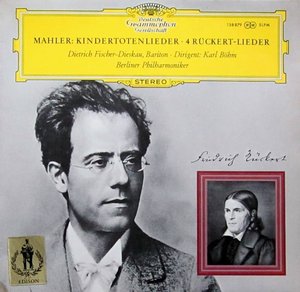
gustav mahler (text: friedrich rückert)
1860 - 1911 , Austria
Основные сведения
- Artistic Movement Or Style: Late Romantic
- Artists Who Influenced This Artist:
- Arnold Schoenberg
- Ludwig van Beethoven
- Date Of Birth: July 7, 1860
- Date Of Death: May 18, 1911
- Full Name: Gustav Mahler
- Nationality: Austrian
- Notable Artworks:
- Symphony No. 5
- Kindertotenlieder
- Des Knaben Wunderhorn
- Place Of Birth: Kalisz, Austria
Похожие статьи
10 шедевров модерна: искусство, изменившее декор и вдохновившее художников
Погрузитесь в мир модерна! 10 шедевров от Мухи, Климта и Гауди – история искусства, изящные линии, флоральные мотивы. Купите репродукции картин модерн премиум-качества на ArtsDot.com и вдохновите свой интерьер!
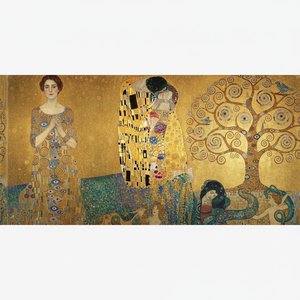
25 Шедевров Густава Климта: Искусство, Декор и Золотой Век Австрийского Модерна
Погрузитесь в мир Густава Климта! 25 шедевров австрийского модерна, символизма и золотой живописи. Узнайте истории создания знаменитых картин Климта и вдохновитесь для декора интерьера. Репродукции музейного качества на ArtsDot.com.

Репродукции картин: руководство по выбору материалов и техникам создания
Закажите высококачественные репродукции картин маслом на холсте от ! Ручная работа, точное соответствие оригиналу, быстрая доставка по всему миру. Создайте свой уникальный интерьер с шедеврами искусства.
Искусство Престижа: Роль Качественных Репродукций в Современной Практике Элитных Галерей
Узнайте о роли высококачественных репродукций в элитных галереях и искусстве премиум-класса. Экспертный анализ технологий, юридических аспектов и будущего рынка. Создайте свой шедевр!
Beyond Imitation: The Cultural Resonance of Fine Art Reproduction & Discerning Collectors
Explore the cultural significance of fine art reproduction & its appeal to discerning collectors. Discover how reproductions enhance aesthetics, build collections, and signal status. Expert insights & museum-quality artistry.