

 Предпросмотр
 Поделиться
 Поделиться
 Детали произведения

 Скачать
 Похожие работы
 Рентгенография
 Слайд-шоу
 Статистика
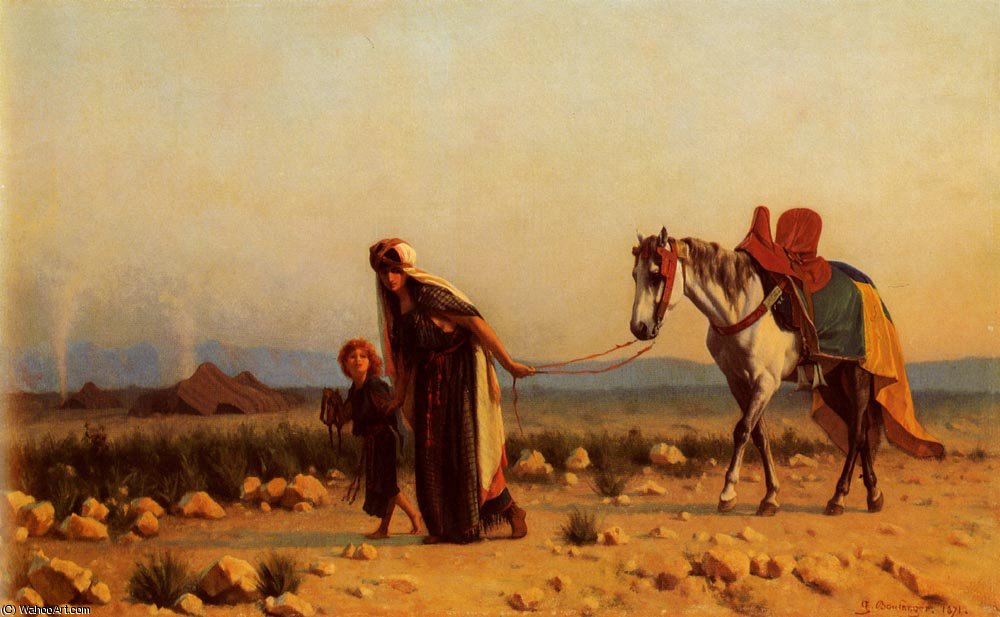
The return
 Читать далее
Приобретите цифровое изображение высокого разрешения в улучшенном качестве, которое значительно превосходит онлайн-превью.
Каждый файл тщательно подготавливается нашими специалистами с использованием передовых инструментов и экспертной ручной ретуши. Мы гарантируем исключительную четкость, точную цветопередачу и детальную проработку каждого изображения.
Финальный файл доставляется по электронной почте в течение 72 часов и оптимизирован для немедленного использования в профессиональной среде, при верстке и печати. Это тот же уровень качества, которому доверяют ведущие дизайнерские студии, издательства и галереи.
Цифровое изображение
Скачайте файл высокого разрешения для личного использования, печати и творческих проектов. ( Перейти к печати Купить картину ручной работы)
Включено в каждый заказ цифровых изображений
Гарантия экспертной цифровой доставки
Выбирая ArtsDot.com, вы получаете не просто изображение — вы приобретаете профессионально обработанное цифровое произведение искусства, созданное с безупречной точностью и под защитой гарантии качества. Вот всё, что автоматически входит в ваш заказ:

Мгновенная доставка по e-mail
Ваш цифровой файл в высоком разрешении будет отправлен вам по электронной почте в течение 72 часов после оформления заказа — и сразу станет доступен для использования.

Цифровой файл с ИИ-улучшением
Ваше произведение искусства проходит профессиональную оптимизацию с использованием передовых инструментов ИИ и ручной обработки, что гарантирует максимальную детализацию, четкость и точность цветопередачи.

Бессрочная бесплатная повторная доставка
Случайно удалили или потеряли файл? Не беспокойтесь — мы отправим его вам повторно в любое время и совершенно бесплатно.

Без импортных пошлин — навсегда
Наслаждайтесь вашим произведением искусства мгновенно без таможенных пошлин, сборов или затрат на доставку — цифровые загрузки всегда не облагаются налогом.

Гарантия точности цветопередачи
Мы гарантируем, что ваше цифровое изображение максимально точно передает оригинальные цвета благодаря использованию профессиональных инструментов и систем управления цветом.

Гарантия удовлетворенности 100 дней
Если вы не будете удовлетворены своим цифровым изображением, мы внесем правки или вернем 100% стоимости в течение 100 дней — без лишних вопросов.

100% Гарантия возврата средств
Не удовлетворены покупкой? Получите полный возврат средств в течение 100 дней после получения цифрового файла — без лишних вопросов.

Скидки на оптовые заказы
Купите 3 изображения, сэкономьте 10% — Купите 5, сэкономьте 15% — Купите 10+, сэкономьте 20%. Отличное решение для творческих проектов, галерей и агентств.
Похожие произведения

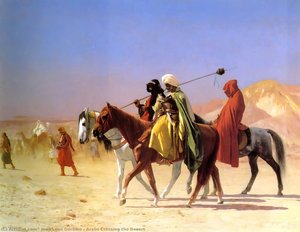
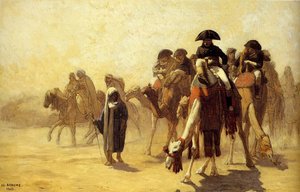

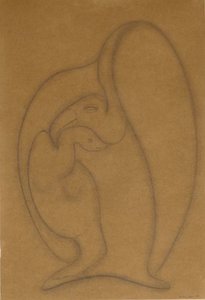


Биография художника
A Life Immersed in Classical Echoes and Oriental Hues
Gustave Clarence Rodolphe Boulanger, a name resonating with the meticulous detail and dramatic flair of 19th-century Academic painting, was born in Paris in 1824. His early life took a somber turn when he was orphaned at the age of fourteen, finding guardianship under his uncle, Constant Desbrosses. This pivotal moment steered him toward artistic pursuits, beginning formal training in 1840 with Pierre-Jules Jollivet before progressing to the atelier of Paul Delaroche. It was within Delaroche’s studio that a formative friendship blossomed with Jean-Léon Gérôme, an association that would profoundly shape Boulanger's artistic trajectory and aesthetic sensibilities. This connection wasn’t merely one of camaraderie; it represented an alignment of vision within the burgeoning Néo-Grec movement—a revival of classical themes infused with a fresh perspective, often tinged with exoticism and sensuality.The Allure of Antiquity and Distant Shores
Boulanger’s artistic development was a fascinating interplay between rigorous academic training and an insatiable curiosity for the ancient world and beyond. The Néo-Grec movement provided a fertile ground for his exploration, encouraging a reinterpretation of classical mythology and history with a newfound emphasis on vibrant color, dramatic composition, and often, a subtle undercurrent of narrative intrigue. A transformative journey to Algeria in 1845 ignited a lifelong fascination with Orientalist subjects. What began as an obligation to manage his uncle’s business interests quickly evolved into an immersive experience that captivated Boulanger's imagination. The vibrant landscapes, bustling marketplaces, and the unique cultural tapestry of North Africa became enduring sources of inspiration, finding their way into numerous canvases throughout his career. This initial exposure was followed by further travels, including a trip with Gérôme in 1872, solidifying his commitment to depicting these exotic locales with meticulous accuracy and artistic license. Complementing this fascination with the East were studies at the École de Rome, where visits to Pompeii proved particularly influential. The remarkably preserved ruins of the ancient city offered invaluable insights into Roman life, architecture, and artistry, inspiring a series of paintings that sought to recreate the grandeur and everyday realities of a bygone era.Masterpieces Forged in Tradition
Boulanger’s artistic prowess was first formally recognized with his triumph at the prestigious Prix de Rome in 1849, awarded for his painting *Ulysses*. This victory secured him a scholarship to study at the Académie de France à Rome, allowing him extended immersion in the classical world. Throughout his career, he produced a remarkable body of work that showcased his mastery of academic technique and narrative storytelling. *A Moorish Cafe* (1848) stands as an early example of his burgeoning interest in Orientalist themes, capturing the atmosphere of daily life with striking detail. Later works, such as *Cæsar at the Rubicon* (1865), demonstrated his ability to tackle grand historical subjects with dramatic flair and compositional skill. Perhaps one of his most celebrated paintings, *The Promenade in the Street of Tombs, Pompeii* (1869), exemplifies his fascination with archaeological discoveries and his dedication to recreating ancient Roman life with painstaking accuracy. Even in his later years, as evidenced by *The Slave Market* (1888), Boulanger continued to explore historical and exotic themes, refining his technique and deepening his understanding of human drama.Recognition and a Lasting Legacy
Boulanger’s talent did not go unnoticed during his lifetime. Beyond the initial honor of the Prix de Rome, he received numerous medals for his artistic achievements, culminating in his election as a member of the prestigious Institut de France in 1882. This recognition solidified his position within the French art establishment and underscored the significance of his contributions to the field. He further cemented his influence by serving as a professor at the Institut de France from 1882, guiding a new generation of artists—though he remained a staunch critic of the emerging Impressionist movement, preferring the established principles of academic painting. Boulanger’s work embodies the essence of Academic art in the 19th century: meticulous detail, historical accuracy, and a profound respect for classical ideals. He played a pivotal role in popularizing Orientalism within French painting, contributing to a broader cultural fascination with North African aesthetics and lifestyles. His paintings offer invaluable insights into the artistic tastes and societal values of his time, serving as both beautiful works of art and compelling historical documents. His dedication to technical skill and narrative clarity continues to inspire artists and captivate audiences today.A Continuing Influence
The influence of Gustave Boulanger extends beyond the immediate circle of his students and contemporaries. His paintings continue to be admired for their masterful execution, evocative storytelling, and ability to transport viewers to distant times and places. His legacy can be seen in the work of subsequent generations of artists who embraced historical and exotic themes, demonstrating the enduring power of his artistic vision. Boulanger’s commitment to academic principles—his emphasis on draftsmanship, composition, and meticulous detail—remains a source of inspiration for artists seeking to master traditional techniques. As art historians continue to re-evaluate the complexities of 19th-century French painting, Gustave Boulanger stands as a significant figure whose work deserves continued study and appreciation.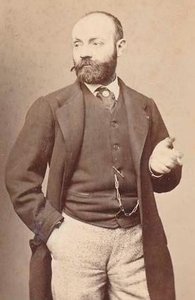
Гюстав Буланже
1824 - 1888 , Франция
Основные сведения
- Artistic Movement Or Style: Академический и восточный стиль
- Artists Or Movements Influenced By This Artist: ['Более поздние академические художники']
- Artists Who Influenced This Artist:
- Пьер-Жюль Жоливет
- Пол Деларош
- Жан-Леон Жерме
- Date Of Birth: 25 апреля 1824 г.
- Date Of Death: 22 сентября 1888 г.
- Full Name: Gustave Clarence Rodolphe Boulanger
- Nationality: Французский
- Notable Artworks:
- Одиссей
- Марокканский кафе
- Цезарь у Рубикона
- Торговля рабами
- Place Of Birth: Париж, Франция