 Предпросмотр
 Поделиться
 Поделиться
 Детали произведения

 Скачать
 Похожие работы
 Рентгенография
 Слайд-шоу
 Статистика
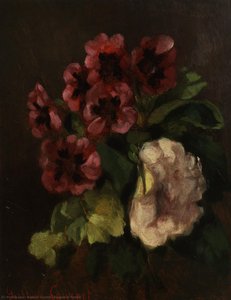
Bouquet of Flowers
 Oil On Canvas
- WallArt
- Contemporary Realism
 1862
1862- 19th Century
 100.0 x 73.0 cm
 Читать далее
Жикле / Арт-принт
Печать (жикле) или холст музейного качества с быстрыми сроками изготовления и широким выбором вариантов отделки. ( Купить картину ручной работы Перейти к цифровым изображениям)




P118B $10

P118H $10

P118W $10

P438Z $10

P508JH $12

P508YH $12

P805H $10

P805Z $10

P919BZ $10

P919G $10

P919XJ $10

P959ZH $10

P968JZ $12

W106C $8

W218G $10

W218JH $8

W218Y $10

W307PJ $10

W316G $10

W316PJ $8

W316Y $10

W398PJ $8

W4111J $10

W500HY $15

W500JH $15

W692G $12

W849H $8

W940BG $15

W953PJ $8




Выберите один из наших стандартных размеров, соответствующих оригинальным пропорциям произведения искусства.

Вы можете указать свои собственные размеры, чтобы репродукция идеально подошла под конкретную раму или пространство. Если выбранный вами размер не будет соответствовать пропорциям оригинала, мы либо обрежем произведение, либо дополним изображение зеркальным отражением краев или однотонной заливкой. Перед началом производства вам будет отправлен цифровой макет для утверждения.
Пожалуйста, обратите внимание, что предварительный просмотр на экране не отображает фактическую обрезку или расширение изображения. Только макет точно покажет финальную композицию.
Несмотря на возможность заказа индивидуальных размеров, мы рекомендуем выбирать размер из предопределенного списка, чтобы сохранить оригинальные пропорции.
Доставка по всему миру () за 2 недели вместо стандартных 4/5 недель. (12 Сентябрь)

Бесплатная экспресс-доставка по всему миру

Высококачественный льняной холст

Полное страхование доставки

Гарантия возмещения таможенных пошлин

Гарантия точного соответствия цветов

100-дневная политика возврата (только при обнаружении дефектов)

Гарантия возврата 100% средств

Предложение оптовых скидок
 Вариант со стеклом доступен только для размеров менее 110 см

Bouquet of Flowers
Жикле / Арт-принт
Размер репродукции
-


Итоговая стоимость
$ 62
A Window Into Realism: The Unfiltered Beauty of Courbet’s Bouquet
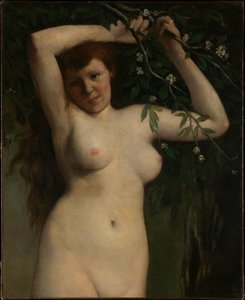
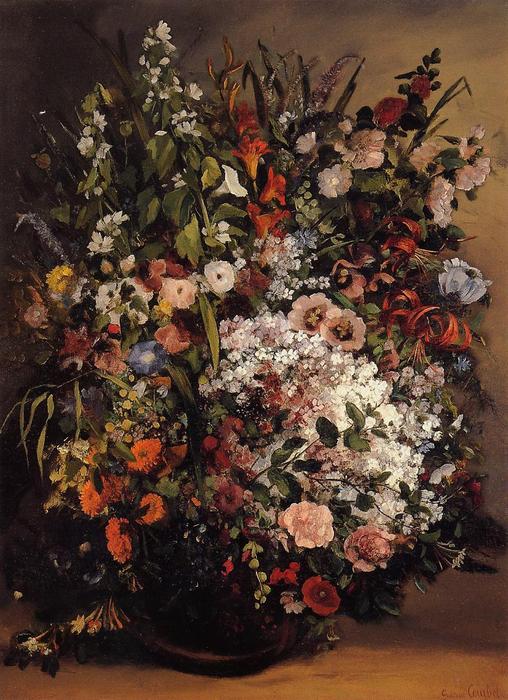
In the mid-19th century, the art world was often a stage for staged perfection, dominated by mythological grandeur and romanticized fantasies that sought to elevate reality rather than reflect it. Amidst this sea of idealism, Gustave Courbet emerged as a defiant voice, and nowhere is his commitment to the tangible more evident than in his 1862 masterpiece, Bouquet of Flowers. This painting is far more than a mere arrangement of flora; it is a profound declaration of artistic integrity. At first glance, the viewer is greeted by a lush, overflowing cornucopia of blossoms—primarily deep crimson roses—nestled within a simple vase that rests upon a rustic wooden table. Yet, beneath this seemingly tranquil still life lies the heartbeat of the Realist movement, a movement Courbet spearheaded with an uncompromising gaze.
Courbet’s approach was revolutionary because it stripped away the gilded myths of the era to reveal the raw, unvarnished truth of existence. In this work, there is no attempt to embellish the flowers with supernatural light or impossible grace. Instead, he presents them as they are: ephemeral, textured, and heavy with life. For the collector or the lover of fine art, this piece offers a rare moment of grounded beauty. It invites the observer to find majesty in the mundane, proving that true elegance does not require artifice, but rather a deep, respectful observation of the natural world.
Mastery of Texture and the Painterly Touch
To behold Bouquet of Flowers is to witness Courbet’s exceptional technical command over oil on canvas. The artist was known for his tactile approach, often employing techniques that emphasized the physical presence of the paint itself. In this composition, one can almost feel the velvety weight of the rose petals and the cool, smooth surface of the vase. His mastery lies in his ability to manipulate light and shadow to create a sense of three-dimensional depth that pulls the viewer into the scene. The muted, atmospheric backdrop serves as a deliberate foil, ensuring that the vibrant reds and soft creams of the bouquet remain the undisputed protagonists of the canvas.
Courbet’s dedication to plein air principles—the practice of observing nature directly—infuses the work with an organic vitality. Every brushstroke feels intentional, contributing to a sense of luminosity that seems to radiate from within the petals. For interior designers seeking to infuse a space with character, this painting provides a sophisticated focal point. Its rich textures and balanced composition allow it to anchor a room, offering a sense of classical permanence while maintaining a fresh, lifelike energy that complements both contemporary and traditional decor.
A Legacy of Authenticity for the Modern Collector
Beyond its aesthetic allure, Bouquet of Flowers carries the weight of art history. It represents a pivotal moment when artists began to reject academic dogma in favor of social and visual honesty. By choosing to paint what he could see—the grit, the light, and the simple beauty of a tabletop arrangement—Courbet paved the way for future generations, from the Impressionists to the Cubists. Owning a high-quality reproduction of this work is not merely an act of decoration; it is an embrace of a legacy of rebellion and truth.
For those looking to curate a collection that speaks of depth and intellectual rigor, Courbet’s floral study offers endless inspiration. It evokes an emotional response that is both soothing and stimulating, bridging the gap between the historical significance of the 19th century and the aesthetic needs of the modern home. It is a piece that demands a second, third, and fourth look, rewarding the patient viewer with new details of light, shadow, and life with every encounter.
Похожие произведения
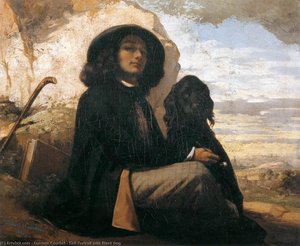
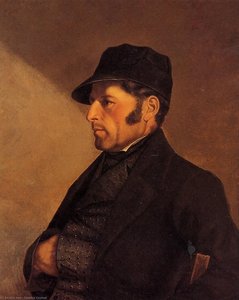
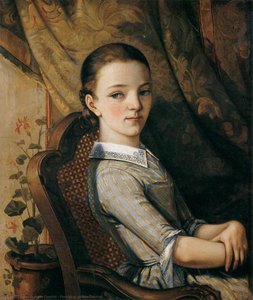
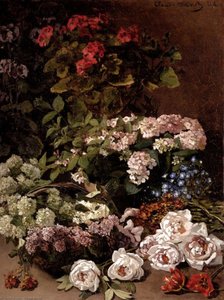
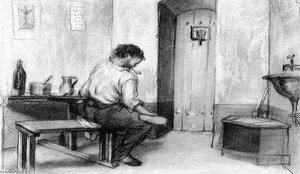
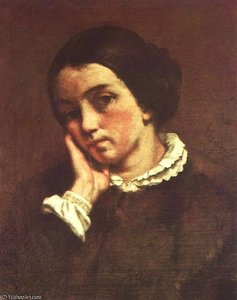
Биография художника
A Rebel’s Brush: The Life and Legacy of Gustave Courbet
Jean Désiré Gustave Courbet (1819-1877) stands as a monumental figure in the history of art, recognized unequivocally as the progenitor of Realism – a movement that irrevocably altered the trajectory of 19th-century painting. More than simply capturing visual impressions; his artistic endeavor was driven by a profound conviction: to depict the world precisely as he perceived it—unvarnished, brutally honest, and imbued with an unwavering regard for its tangible reality. His journey began in Ornans, France, a modest village that nurtured within him a spirit of defiance against the prevailing artistic dogma of his era.Early Life and Artistic Training
Courbet’s upbringing instilled in him a certain independence and intellectual curiosity—qualities that would prove instrumental in shaping his artistic vocation. Encouraged by his mother to pursue his passions, he embarked on formal training at the École des Beaux-Arts in Paris in 1839, yet swiftly recognized the limitations imposed by the academy’s adherence to Romantic idealism. While acknowledging influences from luminaries like Eugène Delacroix and Théodore Géricault—artists who wrestled with grand narratives of heroism and emotion—Courbet resolutely forged his own path, prioritizing observation over imaginative embellishment and truthfulness above convention. He wasn't seduced by the allure of mythological tales or idealized portraits; instead, he turned his gaze toward the everyday lives of ordinary individuals – laborers, peasants, and rural landscapes – subjects largely ignored by the artistic establishment of his time.The Birth of Realism: A Revolutionary Vision
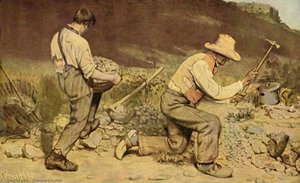
Courbet’s artistic breakthrough arrived with a deliberate rejection of Romantic conventions. He eschewed the theatrical grandeur favored by Delacroix and Géricault, opting for a starkly realistic portrayal of human experience. This decision wasn't merely stylistic; it represented a fundamental assertion about the dignity inherent in portraying commonplace existence. His early canvases explored landscapes and portraits, but soon focused on scenes of working-class life—executed on monumental scales traditionally reserved for historical or religious paintings. Consider The Stone Breakers (1849), tragically destroyed during World War II – an image that encapsulates Courbet’s revolutionary ethos. The painting depicts two laborers engaged in arduous toil, their faces obscured by exhaustion and grime; Courbet deliberately avoided romanticizing their plight, presenting them with unflinching honesty—a bold departure from the idealized depictions prevalent in academic circles. This uncompromising commitment to realism established him as a champion of artistic integrity and challenged the prevailing aesthetic sensibilities of his time.Notable Works and Artistic Philosophy
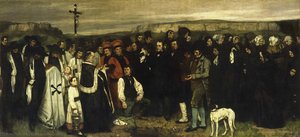
Courbet’s oeuvre is marked by an extraordinary range of subjects and stylistic approaches, reflecting his unwavering belief in the transformative power of art. Among his most celebrated paintings are A Burial at Ornans (1850-51), a monumental canvas depicting a rural funeral—a scene rendered with meticulous detail and devoid of sentimental embellishment. Its sheer scale—typically reserved for grand historical canvases—served as a deliberate provocation, signaling Courbet’s refusal to conform to artistic expectations. He championed the use of *impasto*, applying paint thickly onto the canvas surface, thereby emphasizing its materiality and capturing the textures of the natural world with remarkable accuracy. Similarly, The Painter's Studio (1855) is an allegorical masterpiece—a self-portrait that embodies Courbet’s artistic convictions and engages in a dialogue with contemporary social issues. He sought to convey not merely what he saw but also *how* he perceived the world—a perspective informed by his unwavering belief in the importance of truthful representation.Legacy and Influence
Gustave Courbet's impact on subsequent generations of artists is undeniable. His pioneering spirit ignited the flame of Realism, inspiring Impressionists and Post-Impressionists to liberate themselves from academic constraints and explore new avenues for artistic expression. He championed social justice through his art—a stance that resonated deeply with artists committed to confronting societal inequities. Courbet’s legacy extends beyond stylistic innovation; it embodies a profound philosophical commitment: the conviction that art should serve as a mirror reflecting the complexities of human experience, unafraid to confront uncomfortable truths and challenge prevailing ideologies. He died in 1877, leaving behind an artistic corpus that continues to captivate audiences worldwide—a testament to his enduring influence on the history of art and its ongoing capacity to provoke contemplation and inspire change.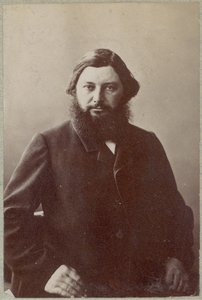
Курбе
1819 - 1877 , Франция
Основные сведения
- Artistic Movement Or Style: Реализм
- Artists Or Movements Influenced By This Artist:
- Импрессионизм
- Послеимпрессионизм
- Artists Who Influenced This Artist:
- Эжен Делакруа
- Теодор Жерико
- Date Of Birth: 10 июня 1819 г.
- Date Of Death: 31 декабря 1877 г.
- Full Name: Gustave Courbet
- Nationality: Французский
- Notable Artworks:
- Сбор камней
- Похороны в Орнане
- Художественная мастерская
- Place Of Birth: Орланс, Франция
Похожие статьи
Реализм в живописи: 10 шедевров, изменивших искусство | ArtsDot.com
Погрузитесь в мир реализма! 10 шедевров Курбе, Милле, Мане и других великих художников. Узнайте историю создания культовых картин и вдохновитесь для интерьера с ArtsDot.com – музейное качество репродукций.
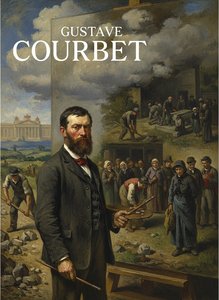
Gustave Courbet: Realism's Revolutionary Vision & the Social Canvas of 19th-Century France
Explore the revolutionary art of Gustave Courbet, pioneer of Realism. Discover his iconic paintings, social commentary, and lasting impact on 19th-century French art history. Expert analysis & insights.
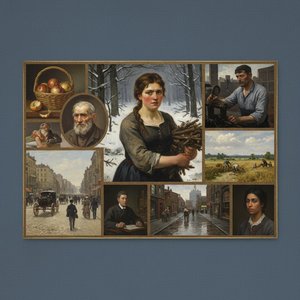
Реализм в живописи: 10 шедевров, вдохновляющих на декор интерьера
Погрузитесь в мир реализма! От Courbet до Manet – 10 величайших картин, отражающих жизнь и эмоции. Узнайте историю шедевров и вдохновитесь для создания уникального интерьера с ArtsDot.com. Explore the full collection online!
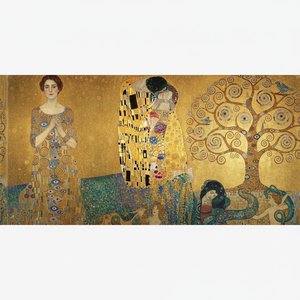
25 Шедевров Густава Климта: Искусство, Декор и Золотой Век Австрийского Модерна
Погрузитесь в мир Густава Климта! 25 шедевров австрийского модерна, символизма и золотой живописи. Узнайте истории создания знаменитых картин Климта и вдохновитесь для декора интерьера. Репродукции музейного качества на ArtsDot.com.

Romantic Realism's Finest: 10 Masterpieces for Your Home | ArtsDot
Explore 10 defining masterpieces of Romantic Realism! Discover Courbet, Millet & Daumier's powerful paintings—capturing emotion and social realities. Find museum-quality reproductions for your home at ArtsDot.com.