

 Предпросмотр
 Поделиться
 Поделиться
 Детали произведения

 Скачать
 Похожие работы
 Рентгенография
 Слайд-шоу
 Статистика
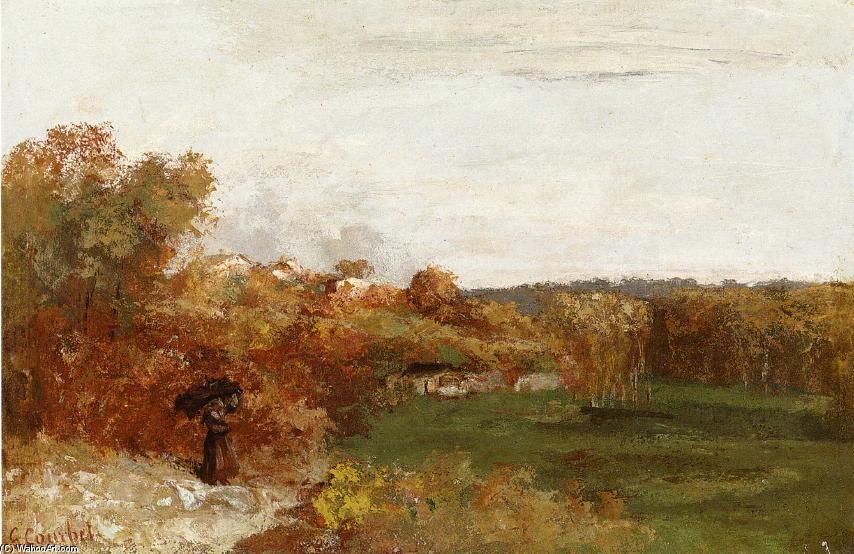
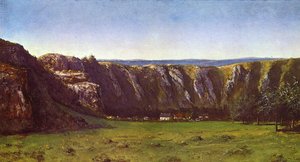
Valley at Fontcouvert
 Oil On Canvas
- WallArt
- Realism
 43.0 x 66.0 cm
 Читать далее
Приобретите цифровое изображение высокого разрешения в улучшенном качестве, которое значительно превосходит онлайн-превью.
Каждый файл тщательно подготавливается нашими специалистами с использованием передовых инструментов и экспертной ручной ретуши. Мы гарантируем исключительную четкость, точную цветопередачу и детальную проработку каждого изображения.
Финальный файл доставляется по электронной почте в течение 72 часов и оптимизирован для немедленного использования в профессиональной среде, при верстке и печати. Это тот же уровень качества, которому доверяют ведущие дизайнерские студии, издательства и галереи.
Цифровое изображение
Скачайте файл высокого разрешения для личного использования, печати и творческих проектов. ( Перейти к печати Купить картину ручной работы)
Включено в каждый заказ цифровых изображений
Гарантия экспертной цифровой доставки
Выбирая ArtsDot.com, вы получаете не просто изображение — вы приобретаете профессионально обработанное цифровое произведение искусства, созданное с безупречной точностью и под защитой гарантии качества. Вот всё, что автоматически входит в ваш заказ:

Мгновенная доставка по e-mail
Ваш цифровой файл в высоком разрешении будет отправлен вам по электронной почте в течение 72 часов после оформления заказа — и сразу станет доступен для использования.

Цифровой файл с ИИ-улучшением
Ваше произведение искусства проходит профессиональную оптимизацию с использованием передовых инструментов ИИ и ручной обработки, что гарантирует максимальную детализацию, четкость и точность цветопередачи.

Бессрочная бесплатная повторная доставка
Случайно удалили или потеряли файл? Не беспокойтесь — мы отправим его вам повторно в любое время и совершенно бесплатно.

Без импортных пошлин — навсегда
Наслаждайтесь вашим произведением искусства мгновенно без таможенных пошлин, сборов или затрат на доставку — цифровые загрузки всегда не облагаются налогом.

Гарантия точности цветопередачи
Мы гарантируем, что ваше цифровое изображение максимально точно передает оригинальные цвета благодаря использованию профессиональных инструментов и систем управления цветом.

Гарантия удовлетворенности 100 дней
Если вы не будете удовлетворены своим цифровым изображением, мы внесем правки или вернем 100% стоимости в течение 100 дней — без лишних вопросов.

100% Гарантия возврата средств
Не удовлетворены покупкой? Получите полный возврат средств в течение 100 дней после получения цифрового файла — без лишних вопросов.

Скидки на оптовые заказы
Купите 3 изображения, сэкономьте 10% — Купите 5, сэкономьте 15% — Купите 10+, сэкономьте 20%. Отличное решение для творческих проектов, галерей и агентств.
The Essence of Rural Life – Gustave Courbet’s ‘Valley at Fontcouvert’
Gustave Courbet's 'Valley at Fontcouvert,' painted circa 1867, isn’t merely a landscape; it’s a profound meditation on the beauty and quiet dignity of rural existence. Measuring a modest 43 x 66 cm, this oil-on-canvas work belies its small scale with an expansive sense of space and atmosphere – a testament to Courbet's masterful command of light, color, and composition. Born in Orléans, France, in 1819, Courbet was a revolutionary figure in the art world, rejecting the idealized forms and historical narratives favored by his predecessors and instead embracing a radical commitment to depicting the world as he saw it – unvarnished, honest, and deeply rooted in everyday life. ‘Valley at Fontcouvert’ exemplifies this philosophy perfectly, offering a serene yet subtly complex portrayal of a small valley scene.
The painting immediately draws the eye with its harmonious blend of earthy tones: the muted greens and browns of the trees and fields, punctuated by the soft blues and grays of the overcast sky. Two figures – likely friends or family – are positioned near the center, enjoying a moment of respite beneath an umbrella, adding a touch of human presence to the vastness of nature. The placement of the umbrella isn’t arbitrary; it subtly suggests a rainy day, perhaps even a gentle shower, imbuing the scene with a sense of quiet intimacy and vulnerability against the elements. The composition is deliberately balanced, guiding the viewer's eye through the landscape – from the distant trees to the foreground figures, creating a feeling of depth and immersion.
Realism’s Radical Vision: Courbet and His Contemporaries
‘Valley at Fontcouvert’ firmly establishes Courbet as a leading figure in the Realist movement. Rejecting Romantic sentimentality and academic conventions, Realists sought to depict subjects truthfully and objectively, often focusing on ordinary people and scenes from everyday life. Courbet's work directly challenged the established art world, which favored grand historical paintings and idealized portraits. He famously declared that “the painter must paint what he sees, not what he thinks.” This commitment to direct observation is strikingly evident in ‘Valley at Fontcouvert,’ where every detail – the texture of the bark on the trees, the folds of the clothing, the subtle variations in color – feels meticulously rendered.
Comparing 'Valley at Fontcouvert' with other works by Courbet, such as “The Valley of Ornans” and “The Valley of the Loue in Stormy Weather,” reveals a consistent approach to landscape painting. These paintings share a similar emphasis on capturing the essence of nature without resorting to romantic embellishment or dramatic gestures. They are characterized by their meticulous detail, earthy color palettes, and understated compositions – qualities that resonate powerfully in ‘Valley at Fontcouvert.’ The shared subject matter—rural landscapes—and Courbet’s unwavering commitment to honest representation create a cohesive body of work that speaks volumes about the artist's artistic vision.
Symbolism and Emotional Resonance
Beyond its technical merits, 'Valley at Fontcouvert' possesses a subtle yet profound symbolic depth. The figures beneath the umbrella represent not just a simple moment of leisure but also a connection to nature, community, and perhaps even mortality. The overcast sky hints at the transience of life and the power of the natural world. The painting’s quiet serenity invites contemplation and offers a welcome respite from the complexities of modern life. It's a scene that evokes feelings of peace, nostalgia, and a deep appreciation for the beauty of the natural world – emotions that continue to resonate with viewers today.
Bringing ‘Valley at Fontcouvert’ into Your Space
ArtsDot offers meticulously crafted hand-painted reproductions of 'Valley at Fontcouvert' by Gustave Courbet, allowing you to experience this iconic masterpiece in stunning detail. Our reproductions faithfully capture the painting’s original colors, textures, and atmosphere, ensuring that it will be a treasured addition to your home or office. Whether you are an art enthusiast, a collector, or simply seeking to enhance your interior décor with a touch of timeless elegance, our ‘Valley at Fontcouvert’ reproduction provides an authentic and captivating representation of this remarkable work of art. Explore the full range of sizes and canvas options available on our website – and bring the beauty of Courbet's vision into your world.
Похожие произведения
Биография художника
A Rebel’s Brush: The Life and Legacy of Gustave Courbet
Jean Désiré Gustave Courbet (1819-1877) stands as a monumental figure in the history of art, recognized unequivocally as the progenitor of Realism – a movement that irrevocably altered the trajectory of 19th-century painting. More than simply capturing visual impressions; his artistic endeavor was driven by a profound conviction: to depict the world precisely as he perceived it—unvarnished, brutally honest, and imbued with an unwavering regard for its tangible reality. His journey began in Ornans, France, a modest village that nurtured within him a spirit of defiance against the prevailing artistic dogma of his era.Early Life and Artistic Training
Courbet’s upbringing instilled in him a certain independence and intellectual curiosity—qualities that would prove instrumental in shaping his artistic vocation. Encouraged by his mother to pursue his passions, he embarked on formal training at the École des Beaux-Arts in Paris in 1839, yet swiftly recognized the limitations imposed by the academy’s adherence to Romantic idealism. While acknowledging influences from luminaries like Eugène Delacroix and Théodore Géricault—artists who wrestled with grand narratives of heroism and emotion—Courbet resolutely forged his own path, prioritizing observation over imaginative embellishment and truthfulness above convention. He wasn't seduced by the allure of mythological tales or idealized portraits; instead, he turned his gaze toward the everyday lives of ordinary individuals – laborers, peasants, and rural landscapes – subjects largely ignored by the artistic establishment of his time.The Birth of Realism: A Revolutionary Vision
Courbet’s artistic breakthrough arrived with a deliberate rejection of Romantic conventions. He eschewed the theatrical grandeur favored by Delacroix and Géricault, opting for a starkly realistic portrayal of human experience. This decision wasn't merely stylistic; it represented a fundamental assertion about the dignity inherent in portraying commonplace existence. His early canvases explored landscapes and portraits, but soon focused on scenes of working-class life—executed on monumental scales traditionally reserved for historical or religious paintings. Consider The Stone Breakers (1849), tragically destroyed during World War II – an image that encapsulates Courbet’s revolutionary ethos. The painting depicts two laborers engaged in arduous toil, their faces obscured by exhaustion and grime; Courbet deliberately avoided romanticizing their plight, presenting them with unflinching honesty—a bold departure from the idealized depictions prevalent in academic circles. This uncompromising commitment to realism established him as a champion of artistic integrity and challenged the prevailing aesthetic sensibilities of his time.Notable Works and Artistic Philosophy
Courbet’s oeuvre is marked by an extraordinary range of subjects and stylistic approaches, reflecting his unwavering belief in the transformative power of art. Among his most celebrated paintings are A Burial at Ornans (1850-51), a monumental canvas depicting a rural funeral—a scene rendered with meticulous detail and devoid of sentimental embellishment. Its sheer scale—typically reserved for grand historical canvases—served as a deliberate provocation, signaling Courbet’s refusal to conform to artistic expectations. He championed the use of *impasto*, applying paint thickly onto the canvas surface, thereby emphasizing its materiality and capturing the textures of the natural world with remarkable accuracy. Similarly, The Painter's Studio (1855) is an allegorical masterpiece—a self-portrait that embodies Courbet’s artistic convictions and engages in a dialogue with contemporary social issues. He sought to convey not merely what he saw but also *how* he perceived the world—a perspective informed by his unwavering belief in the importance of truthful representation.Legacy and Influence
Gustave Courbet's impact on subsequent generations of artists is undeniable. His pioneering spirit ignited the flame of Realism, inspiring Impressionists and Post-Impressionists to liberate themselves from academic constraints and explore new avenues for artistic expression. He championed social justice through his art—a stance that resonated deeply with artists committed to confronting societal inequities. Courbet’s legacy extends beyond stylistic innovation; it embodies a profound philosophical commitment: the conviction that art should serve as a mirror reflecting the complexities of human experience, unafraid to confront uncomfortable truths and challenge prevailing ideologies. He died in 1877, leaving behind an artistic corpus that continues to captivate audiences worldwide—a testament to his enduring influence on the history of art and its ongoing capacity to provoke contemplation and inspire change.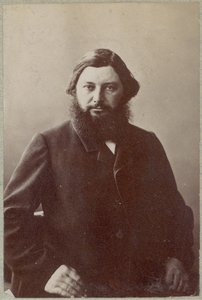
Курбе
1819 - 1877 , Франция
Основные сведения
- Artistic Movement Or Style: Реализм
- Artists Or Movements Influenced By This Artist:
- Импрессионизм
- Послеимпрессионизм
- Artists Who Influenced This Artist:
- Эжен Делакруа
- Теодор Жерико
- Date Of Birth: 10 июня 1819 г.
- Date Of Death: 31 декабря 1877 г.
- Full Name: Gustave Courbet
- Nationality: Французский
- Notable Artworks:
- Сбор камней
- Похороны в Орнане
- Художественная мастерская
- Place Of Birth: Орланс, Франция