

 Предпросмотр
 Поделиться
 Поделиться
 Детали произведения

 Скачать
 Похожие работы
 Рентгенография
 Слайд-шоу
 Статистика
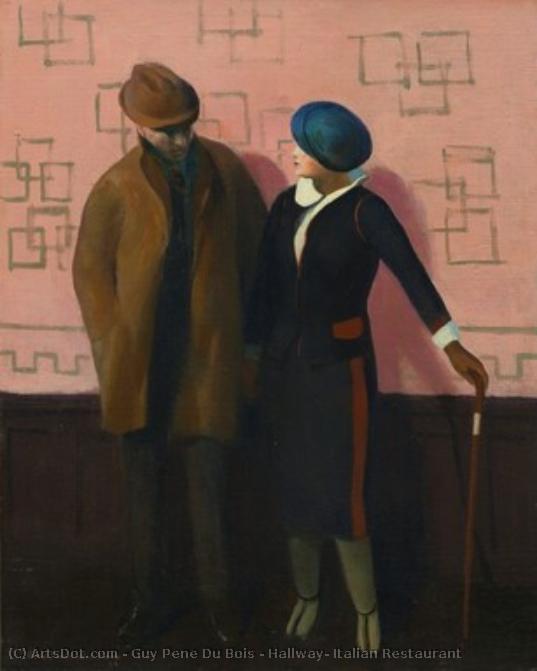
Hallway, Italian Restaurant
 1922
1922 81.0 x 68.0 cm
 Читать далее
Приобретите цифровое изображение высокого разрешения в улучшенном качестве, которое значительно превосходит онлайн-превью.
Каждый файл тщательно подготавливается нашими специалистами с использованием передовых инструментов и экспертной ручной ретуши. Мы гарантируем исключительную четкость, точную цветопередачу и детальную проработку каждого изображения.
Финальный файл доставляется по электронной почте в течение 72 часов и оптимизирован для немедленного использования в профессиональной среде, при верстке и печати. Это тот же уровень качества, которому доверяют ведущие дизайнерские студии, издательства и галереи.
Цифровое изображение
Скачайте файл высокого разрешения для личного использования, печати и творческих проектов. ( Перейти к печати Купить картину ручной работы)
Включено в каждый заказ цифровых изображений
Гарантия экспертной цифровой доставки
Выбирая ArtsDot.com, вы получаете не просто изображение — вы приобретаете профессионально обработанное цифровое произведение искусства, созданное с безупречной точностью и под защитой гарантии качества. Вот всё, что автоматически входит в ваш заказ:

Мгновенная доставка по e-mail
Ваш цифровой файл в высоком разрешении будет отправлен вам по электронной почте в течение 72 часов после оформления заказа — и сразу станет доступен для использования.

Цифровой файл с ИИ-улучшением
Ваше произведение искусства проходит профессиональную оптимизацию с использованием передовых инструментов ИИ и ручной обработки, что гарантирует максимальную детализацию, четкость и точность цветопередачи.

Бессрочная бесплатная повторная доставка
Случайно удалили или потеряли файл? Не беспокойтесь — мы отправим его вам повторно в любое время и совершенно бесплатно.

Без импортных пошлин — навсегда
Наслаждайтесь вашим произведением искусства мгновенно без таможенных пошлин, сборов или затрат на доставку — цифровые загрузки всегда не облагаются налогом.

Гарантия точности цветопередачи
Мы гарантируем, что ваше цифровое изображение максимально точно передает оригинальные цвета благодаря использованию профессиональных инструментов и систем управления цветом.

Гарантия удовлетворенности 100 дней
Если вы не будете удовлетворены своим цифровым изображением, мы внесем правки или вернем 100% стоимости в течение 100 дней — без лишних вопросов.

100% Гарантия возврата средств
Не удовлетворены покупкой? Получите полный возврат средств в течение 100 дней после получения цифрового файла — без лишних вопросов.

Скидки на оптовые заказы
Купите 3 изображения, сэкономьте 10% — Купите 5, сэкономьте 15% — Купите 10+, сэкономьте 20%. Отличное решение для творческих проектов, галерей и агентств.
Похожие произведения







Биография художника
Guy Pène du Bois: A Parisian Observer of American Society
Guy Pène du Bois (January 4, 1884 – July 18, 1958) was a pivotal figure in early 20th-century American art, an observer and interpreter of the shifting social landscape—particularly the vibrant, often decadent world of Parisian society as it intersected with burgeoning American modernity. Born into a French family in Brooklyn, New York, his life was a fascinating blend of transatlantic influences, artistic training steeped in European tradition, and a uniquely American sensibility that found expression through his distinctive paintings. Pène du Bois wasn’t merely depicting scenes; he was capturing an atmosphere, a mood—a subtle sense of unease and glamour that defined the era between the wars. His work stands as a testament to the allure and anxieties of a rapidly changing world, rendered with a cool elegance and psychological depth rarely seen in his contemporaries.Early Life and Artistic Foundations
Pène du Bois’s artistic journey began at a young age, shaped by his family's heritage and the rigorous training he received. His father, Henri Pène du Bois, was an American-born art critic of French descent who had spent considerable time in Europe, translating works by prominent French authors. This exposure to European culture profoundly influenced Guy’s early artistic development. He enrolled in the New York School of Art at fifteen, studying under William Merritt Chase, a renowned academic painter known for his elegant style and emphasis on “Art for art’s sake.” Chase's teachings instilled in Pène du Bois a foundation in traditional techniques and composition, but it was Robert Henri, whose realist approach championed everyday life as subject matter, who truly ignited Pène du Bois’s artistic vision. Henri encouraged him to observe the world around him with an eye toward capturing its essence—the subtle gestures, fleeting expressions, and hidden tensions of human interaction. A pivotal moment in his formative years was a trip to Europe in 1905, where he studied briefly under Théophile Steinlen in Paris. This immersion in French artistic circles further broadened his perspective and introduced him to the burgeoning avant-garde movements of the time. Upon returning to New York, following his father’s death, Pène du Bois found work as an illustrator and cartoonist for *The New York American*, eventually rising to become an art critic for the newspaper. This experience honed his observational skills and provided a valuable platform for developing his artistic voice.Illustrating the Jazz Age and Beyond
Pène du Bois’s career truly blossomed in the 1920s and 30s, a period he brilliantly captured in his paintings—the “Jazz Age” as it unfolded in American cities. His subjects were primarily figures from Parisian society: flappers, dapper gentlemen, artists, writers, and socialites, all engaged in scenes of leisure, conversation, and clandestine encounters. These weren’t straightforward portraits; Pène du Bois imbued them with a sense of mystery and psychological complexity. He often depicted his subjects in ambiguous poses, bathed in soft light, creating an atmosphere of understated elegance and subtle tension. His use of color was particularly noteworthy—a restrained palette of muted tones, punctuated by flashes of vibrant hues, perfectly complemented the mood of his paintings. His illustrations for books written by other authors – including works by Jules Verne, Claire Huchet Bishop, and John Steinbeck – further solidified his reputation as a versatile artist capable of capturing diverse subjects with equal skill. He was twice a runner-up for the Caldecott Medal, demonstrating his ability to engage young readers through compelling narratives and evocative illustrations.Art Criticism and The Paris Review
Beyond his artistic practice, Pène du Bois made significant contributions as an art critic. From 1913 to 1921, he served as editor of *Arts and Decoration*, a publication dedicated to contemporary art and design. His insightful critiques offered a unique perspective on the evolving art world, blending erudition with a keen eye for detail. In 1953, he accepted a position as art editor of *The Paris Review*, working alongside George Plimpton—a role that cemented his legacy as a discerning observer of artistic trends and a champion of innovative ideas. His sharp wit and astute observations continued to shape the magazine’s distinctive voice throughout his tenure.Legacy and Influence
Guy Pène du Bois's work continues to resonate with viewers today, offering a captivating glimpse into a bygone era. His paintings are characterized by their elegant composition, psychological depth, and subtle sense of melancholy—qualities that have earned him recognition as one of the most important American artists of the early 20th century. He was twice a runner-up for the Caldecott Medal, demonstrating his ability to engage young readers through compelling narratives and evocative illustrations. His influence can be seen in the work of later generations of artists who sought to capture the complexities of modern life with a similar blend of elegance and psychological insight. The enduring popularity of *The Twenty-One Balloons*, arguably his most famous work, speaks volumes about the power of his vision—a testament to his ability to transform everyday observations into works of art that continue to captivate and intrigue audiences decades after their creation. His papers are held at the Smithsonian American Art Museum, providing a rich resource for scholars and enthusiasts alike.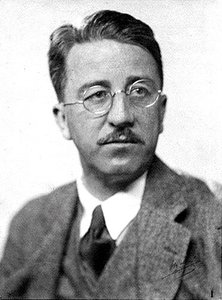
guy pene du bois
1916 - 1993
Основные сведения
- Artistic Movement Or Style: Illustrator, Society portraiture
- Artists Or Movements Influenced By This Artist:
- Edward Hopper
- Jules Verne
- Artists Who Influenced This Artist:
- William Merritt Chase
- Robert Henri
- Date Of Birth: May 9, 1916
- Date Of Death: February 5, 1993
- Full Name: William Sherman Pène du Bois
- Nationality: American
- Notable Artworks:
- The Twenty-One Balloons
- The Politicians
- La Rue de la Santé
- Place Of Birth: Nutley, New Jersey, USA