

 Предпросмотр
 Поделиться
 Поделиться
 Детали произведения

 Скачать
 Похожие работы
 Рентгенография
 Слайд-шоу
 Статистика
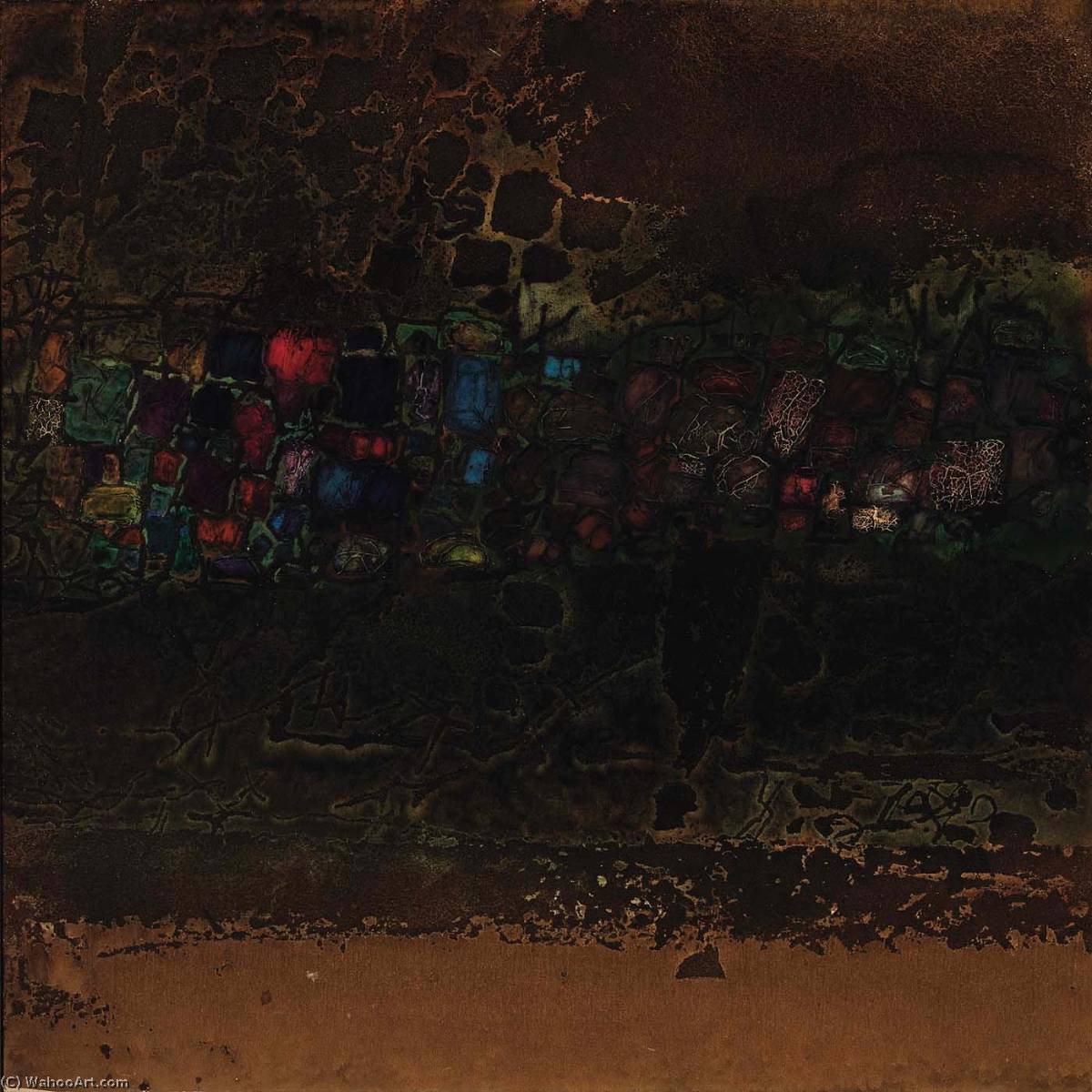
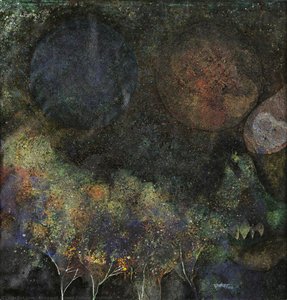
Earth Archive
 Abstract Expressionism
 1959
1959 122.0 x 122.0 cm
 Читать далее
Приобретите цифровое изображение высокого разрешения в улучшенном качестве, которое значительно превосходит онлайн-превью.
Каждый файл тщательно подготавливается нашими специалистами с использованием передовых инструментов и экспертной ручной ретуши. Мы гарантируем исключительную четкость, точную цветопередачу и детальную проработку каждого изображения.
Финальный файл доставляется по электронной почте в течение 72 часов и оптимизирован для немедленного использования в профессиональной среде, при верстке и печати. Это тот же уровень качества, которому доверяют ведущие дизайнерские студии, издательства и галереи.
Цифровое изображение
Скачайте файл высокого разрешения для личного использования, печати и творческих проектов. ( Перейти к печати Купить картину ручной работы)
Включено в каждый заказ цифровых изображений
Гарантия экспертной цифровой доставки
Выбирая ArtsDot.com, вы получаете не просто изображение — вы приобретаете профессионально обработанное цифровое произведение искусства, созданное с безупречной точностью и под защитой гарантии качества. Вот всё, что автоматически входит в ваш заказ:

Мгновенная доставка по e-mail
Ваш цифровой файл в высоком разрешении будет отправлен вам по электронной почте в течение 72 часов после оформления заказа — и сразу станет доступен для использования.

Цифровой файл с ИИ-улучшением
Ваше произведение искусства проходит профессиональную оптимизацию с использованием передовых инструментов ИИ и ручной обработки, что гарантирует максимальную детализацию, четкость и точность цветопередачи.

Бессрочная бесплатная повторная доставка
Случайно удалили или потеряли файл? Не беспокойтесь — мы отправим его вам повторно в любое время и совершенно бесплатно.

Без импортных пошлин — навсегда
Наслаждайтесь вашим произведением искусства мгновенно без таможенных пошлин, сборов или затрат на доставку — цифровые загрузки всегда не облагаются налогом.

Гарантия точности цветопередачи
Мы гарантируем, что ваше цифровое изображение максимально точно передает оригинальные цвета благодаря использованию профессиональных инструментов и систем управления цветом.

Гарантия удовлетворенности 100 дней
Если вы не будете удовлетворены своим цифровым изображением, мы внесем правки или вернем 100% стоимости в течение 100 дней — без лишних вопросов.

100% Гарантия возврата средств
Не удовлетворены покупкой? Получите полный возврат средств в течение 100 дней после получения цифрового файла — без лишних вопросов.

Скидки на оптовые заказы
Купите 3 изображения, сэкономьте 10% — Купите 5, сэкономьте 15% — Купите 10+, сэкономьте 20%. Отличное решение для творческих проектов, галерей и агентств.
Похожие произведения
Биография художника
György Kepes: Architect of Perception
Born in Selyp, Hungary, in 1906, György Kepes’s life was a testament to the transformative power of art and design. His early years were shaped by witnessing the hardships faced by Hungarian peasants – an experience that would profoundly influence his artistic vision and drive him toward exploring how visual communication could alleviate social injustice. This formative period instilled in him a deep empathy and a desire to understand how people perceive and interact with their environment, laying the groundwork for his groundbreaking work in the field of “education of vision.” His brother, Imre Kepes, became an ambassador, while András Kepes followed a path as a journalist and filmmaker, completing a family legacy marked by intellectual curiosity and artistic exploration.
Kepes’s formal training began at the Royal Academy of Fine Arts in Budapest, where he studied under István Csok, a Hungarian Impressionist painter. This early exposure to traditional painting provided a foundation, but it was his encounters with Lajos Kassak, a socialist avant-garde poet and painter, that truly ignited his intellectual fire. Kassak’s ideas about art's potential for social change resonated deeply with Kepes, leading him to question the role of art in addressing societal problems – a concern that would become central to his later work.
Early Career & Influences
Leaving behind painting temporarily, Kepes turned to filmmaking and design, establishing himself as a publication, exhibition, and stage designer in Berlin during the 1930s. This period was marked by collaboration with László Moholy-Nagy, a pivotal figure in the Bauhaus movement, whose studio he joined after relocating to London in 1936. This move proved fortuitous, bringing him into contact with Juliet Appleby, whom he met on the street and subsequently married. The partnership with Moholy-Nagy was particularly significant, exposing Kepes to innovative ideas about photography, typography, and design – concepts that would later inform his own approach.
Kepes’s early work included designing the dust jacket for Rudolf Arnheim's “Film als Kunst” (Film as Art), a groundbreaking text exploring the visual language of cinema. This project demonstrated his ability to synthesize artistic principles with emerging technologies, foreshadowing his broader interest in how perception and communication intersect across various media. His time in Berlin also solidified his belief in the power of design to shape human experience, aligning with the Bauhaus philosophy of “form follows function.”
The New Bauhaus & Education of Vision
In 1937, Kepes joined the newly established New Bauhaus in Chicago, led by Moholy-Nagy. This marked a crucial turning point in his career, as he became deeply involved in shaping the school’s curriculum and developing his own theories about design education. He championed the idea of “education of vision,” arguing that visual communication transcends language barriers and can be universally understood. This concept was articulated in his seminal 1944 book, *Language of Vision*, which explored how humans perceive and organize information through visual cues – a work that remains highly influential today.
*Language of Vision* built upon the principles of Gestalt psychology, emphasizing the importance of grouping, proximity, similarity, and closure in shaping our perception. Kepes argued that designers and artists should be aware of these perceptual laws to create more effective and engaging visual experiences. The book’s thirteen printings across four languages testify to its widespread adoption as a foundational text in design education.
MIT & Legacy
In 1947, Kepes accepted an invitation from the Massachusetts Institute of Technology (MIT) to establish a program in visual design. At MIT, he continued to develop his theories and explore new approaches to visual communication, focusing on the relationship between perception, technology, and society. His work at MIT culminated in the founding of the Center for Advanced Visual Studies in 1967, where he mentored generations of artists and designers.
Kepes’s legacy extends far beyond his specific artistic output. He fundamentally shifted our understanding of visual communication, emphasizing its inherent power to shape human experience and foster social change. His work continues to inspire artists, designers, educators, and researchers today, solidifying his place as a pivotal figure in the history of modern art and design. He died in 2001, leaving behind a rich body of work that remains both intellectually stimulating and profoundly relevant.
Key Works
- Language of Vision (1944): Kepes’s most influential book, exploring the principles of visual perception and their application to design.
- Earth Archive (1967): A textured abstract expressionist painting that embodies his theories about time, decay, and transformation.
- Responsibility, from the Early Series (1938): A grayscale surrealist piece reflecting on themes of disruption and decay through geometric abstraction.
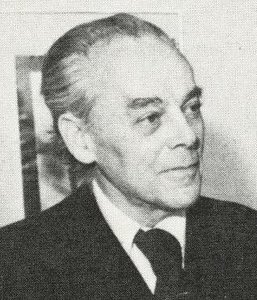
György Kepes
1906 - 2001
Основные сведения
- Artistic Movement Or Style: Bauhaus, Abstract art
- Artists Or Movements Influenced By This Artist:
- Gestalt psychology
- Visual communication
- Artists Who Influenced This Artist:
- Istvan Csok
- Lajos Kassak
- Rudolf Arnheim
- László Moholy-Nagy
- Date Of Birth: 1906-10-04
- Date Of Death: 2001-12-29
- Full Name: György Kepes
- Nationality: Hungarian-born
- Notable Artworks:
- Responsibility
- Earth Archive
- Place Of Birth: Selyp, Hungary