

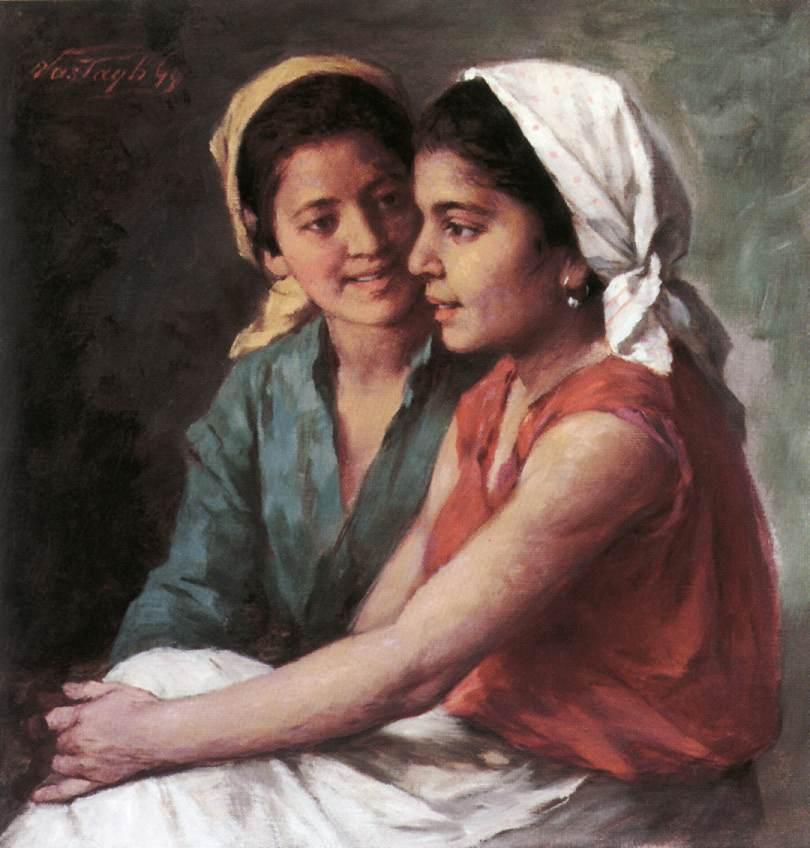
 Предпросмотр
 Поделиться
 Поделиться
 Детали произведения

 Скачать
 Похожие работы
 Рентгенография
 Слайд-шоу
 Статистика
Chatting
 42.0 x 41.0 cm
 Читать далее
Приобретите цифровое изображение высокого разрешения в улучшенном качестве, которое значительно превосходит онлайн-превью.
Каждый файл тщательно подготавливается нашими специалистами с использованием передовых инструментов и экспертной ручной ретуши. Мы гарантируем исключительную четкость, точную цветопередачу и детальную проработку каждого изображения.
Финальный файл доставляется по электронной почте в течение 72 часов и оптимизирован для немедленного использования в профессиональной среде, при верстке и печати. Это тот же уровень качества, которому доверяют ведущие дизайнерские студии, издательства и галереи.
Цифровое изображение
Скачайте файл высокого разрешения для личного использования, печати и творческих проектов. ( Перейти к печати Купить картину ручной работы)
Включено в каждый заказ цифровых изображений
Гарантия экспертной цифровой доставки
Выбирая ArtsDot.com, вы получаете не просто изображение — вы приобретаете профессионально обработанное цифровое произведение искусства, созданное с безупречной точностью и под защитой гарантии качества. Вот всё, что автоматически входит в ваш заказ:

Мгновенная доставка по e-mail
Ваш цифровой файл в высоком разрешении будет отправлен вам по электронной почте в течение 72 часов после оформления заказа — и сразу станет доступен для использования.

Цифровой файл с ИИ-улучшением
Ваше произведение искусства проходит профессиональную оптимизацию с использованием передовых инструментов ИИ и ручной обработки, что гарантирует максимальную детализацию, четкость и точность цветопередачи.

Бессрочная бесплатная повторная доставка
Случайно удалили или потеряли файл? Не беспокойтесь — мы отправим его вам повторно в любое время и совершенно бесплатно.

Без импортных пошлин — навсегда
Наслаждайтесь вашим произведением искусства мгновенно без таможенных пошлин, сборов или затрат на доставку — цифровые загрузки всегда не облагаются налогом.

Гарантия точности цветопередачи
Мы гарантируем, что ваше цифровое изображение максимально точно передает оригинальные цвета благодаря использованию профессиональных инструментов и систем управления цветом.

Гарантия удовлетворенности 100 дней
Если вы не будете удовлетворены своим цифровым изображением, мы внесем правки или вернем 100% стоимости в течение 100 дней — без лишних вопросов.

100% Гарантия возврата средств
Не удовлетворены покупкой? Получите полный возврат средств в течение 100 дней после получения цифрового файла — без лишних вопросов.

Скидки на оптовые заказы
Купите 3 изображения, сэкономьте 10% — Купите 5, сэкономьте 15% — Купите 10+, сэкономьте 20%. Отличное решение для творческих проектов, галерей и агентств.
Похожие произведения





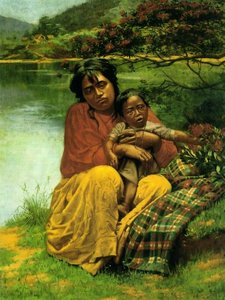

Биография художника
György Vastagh: A Chronicle of Hungarian Life and Portraiture
György Vastagh (1834-1922) stands as a pivotal figure in 19th-century Hungarian art, renowned for his evocative portrayals of aristocratic society alongside intimate glimpses into rural life. Born in Szeged to a shipping administrator with an appreciation for the arts, Vastagh’s early exposure to artistic principles laid the foundation for a career marked by both technical skill and a deep understanding of the human condition. His journey from a young boy sketching landscapes to becoming a court painter reflects not only his personal talent but also the evolving cultural landscape of Hungary during a period of significant social and political change.
Vastagh’s formative years were spent in Vienna, where he honed his artistic abilities at the Academy of Fine Arts. Under the tutelage of influential figures like Carl Rahl and Friedrich von Amerling, he initially focused on portraiture and religiously themed works – a stylistic influence readily apparent in many of his early pieces. These initial studies provided him with a solid technical base and an understanding of classical composition, which would later inform his approach to depicting Hungarian nobility and the everyday lives of its people.
Settling in Kolozsvár and Embracing Genre Painting
Returning to Hungary in 1857, Vastagh established himself in Kolozsvár (now Cluj-Napoca), a vibrant cultural center. He quickly found a collaborative spirit with the local photographer Ferenc Veress, sharing a studio space and forging a friendship that likely influenced his artistic perspective. A turning point in Vastagh’s career came as he transitioned from primarily commissioned portraits to exploring genre scenes depicting rural life. This shift reflected a growing interest in documenting the realities of Hungarian society beyond the confines of the court and aristocracy.
His decision to decline two offers of government scholarships – one from József Eötvös – reveals a commitment to artistic independence, resisting the potential constraints of official patronage. During this period, frequent visits to Vienna allowed him to maintain connections with the Viennese art scene and participate in exhibitions, further expanding his visibility and reputation.
The Court Painter and Budapest’s Artistic Heart
In 1876, Vastagh moved to Budapest, a city rapidly becoming the cultural epicenter of Hungary. Here, he established a portrait studio catering to the aristocratic clientele, securing commissions from prominent figures such as Lajos Kossuth, Emperor Franz Joseph I, and his wife, Elisabeth. This period marked a significant elevation in his career, solidifying his position as one of Hungary’s leading court painters. His portraits captured the dignity and power of these individuals while subtly revealing their personalities through nuanced expressions and carefully chosen attire.
Beyond portraiture, Vastagh contributed significantly to the artistic life of Budapest. In 1883, he undertook a monumental fresco project in the foyer of the Hungarian State Opera, showcasing his mastery of scale and color. He also created altarpieces for churches across Hungary – in Budapest, Szeged, Arad, and Temesvár – demonstrating his versatility and ability to adapt his style to diverse religious contexts.
Legacy and Artistic Family
Vastagh’s influence extended beyond his own artistic output. He played a crucial role in the establishment of the “Magyar Művészek és Műpártolók Egyesülete” (Hungarian Association of Artists and Patrons) in 1894, fostering a sense of community among Hungarian artists and patrons. His dedication to nurturing the next generation is evident in his family – his eldest son, Géza, followed in his footsteps as a painter specializing in animal subjects, while his namesake son, György, pursued a career as a sculptor. His grandchildren, Éva and László, also embraced the artistic profession, continuing the Vastagh legacy of creativity.
György Vastagh’s work offers a rich tapestry of Hungarian life during the 19th century. His portraits provide intimate glimpses into the world of aristocracy, while his genre scenes capture the spirit and traditions of rural Hungary. His enduring appeal lies in his ability to convey both technical brilliance and profound human understanding, cementing his place as one of Hungary’s most celebrated artists.
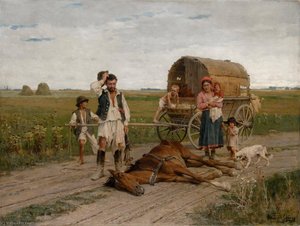
györgy vastagh
1834 - 1922
Основные сведения
- Artistic Movement Or Style: Portraiture, Genre
- Artists Or Movements Influenced By This Artist:
- Géza Vastagh (son)
- László Vastagh (grandson)
- Artists Who Influenced This Artist:
- Carl Rahl
- Friedrich von Amerling
- Date Of Birth: April 12, 1834
- Date Of Death: February 21, 1922
- Full Name: György Vastagh
- Nationality: Hungarian
- Notable Artworks:
- Spring Feast
- Portrait of a Girl
- Girl with a Jar
- Place Of Birth: Szeged, Hungary