


 Предпросмотр
 Поделиться
 Поделиться
 Детали произведения

 Скачать
 Похожие работы
 Рентгенография
 Слайд-шоу
 Статистика
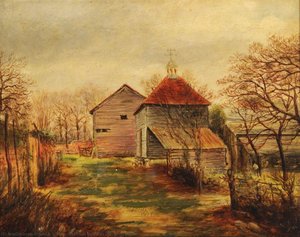
A Sugar Factory (?) on Java, H.Th. Hesselaar, 1849
 1849
1849 43.0 x 55.0 cm
 Читать далее
Приобретите цифровое изображение высокого разрешения в улучшенном качестве, которое значительно превосходит онлайн-превью.
Каждый файл тщательно подготавливается нашими специалистами с использованием передовых инструментов и экспертной ручной ретуши. Мы гарантируем исключительную четкость, точную цветопередачу и детальную проработку каждого изображения.
Финальный файл доставляется по электронной почте в течение 72 часов и оптимизирован для немедленного использования в профессиональной среде, при верстке и печати. Это тот же уровень качества, которому доверяют ведущие дизайнерские студии, издательства и галереи.
Цифровое изображение
Скачайте файл высокого разрешения для личного использования, печати и творческих проектов. ( Перейти к печати Купить картину ручной работы)
Включено в каждый заказ цифровых изображений
Гарантия экспертной цифровой доставки
Выбирая ArtsDot.com, вы получаете не просто изображение — вы приобретаете профессионально обработанное цифровое произведение искусства, созданное с безупречной точностью и под защитой гарантии качества. Вот всё, что автоматически входит в ваш заказ:

Мгновенная доставка по e-mail
Ваш цифровой файл в высоком разрешении будет отправлен вам по электронной почте в течение 72 часов после оформления заказа — и сразу станет доступен для использования.

Цифровой файл с ИИ-улучшением
Ваше произведение искусства проходит профессиональную оптимизацию с использованием передовых инструментов ИИ и ручной обработки, что гарантирует максимальную детализацию, четкость и точность цветопередачи.

Бессрочная бесплатная повторная доставка
Случайно удалили или потеряли файл? Не беспокойтесь — мы отправим его вам повторно в любое время и совершенно бесплатно.

Без импортных пошлин — навсегда
Наслаждайтесь вашим произведением искусства мгновенно без таможенных пошлин, сборов или затрат на доставку — цифровые загрузки всегда не облагаются налогом.

Гарантия точности цветопередачи
Мы гарантируем, что ваше цифровое изображение максимально точно передает оригинальные цвета благодаря использованию профессиональных инструментов и систем управления цветом.

Гарантия удовлетворенности 100 дней
Если вы не будете удовлетворены своим цифровым изображением, мы внесем правки или вернем 100% стоимости в течение 100 дней — без лишних вопросов.

100% Гарантия возврата средств
Не удовлетворены покупкой? Получите полный возврат средств в течение 100 дней после получения цифрового файла — без лишних вопросов.

Скидки на оптовые заказы
Купите 3 изображения, сэкономьте 10% — Купите 5, сэкономьте 15% — Купите 10+, сэкономьте 20%. Отличное решение для творческих проектов, галерей и агентств.
Похожие произведения





Биография художника
The Dutch Visionary of Javanese Industry: H.Th. Hesselaar
Hendrik Thijmen Hesselaar, often known as H.Th. Hesselaar, remains a fascinating yet relatively obscure figure in the history of 19th-century art and colonial representation. Born in the Netherlands, his artistic legacy is inextricably linked to his time spent on Java, then part of the Dutch East Indies. While biographical details surrounding his early life are scarce, it’s clear that Hesselaar possessed a keen eye for detail and a talent for capturing the burgeoning industrial landscape unfolding within the island nation. He wasn't merely documenting scenes; he was offering a unique perspective on the intersection of European enterprise and Javanese life—a viewpoint shaped by both observation and participation in the colonial project.A Witness to Transformation: Hesselaar’s Artistic Focus
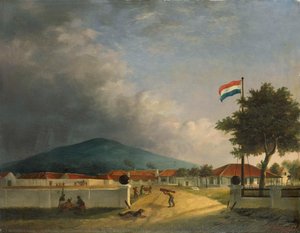
Hesselaar’s artistic output centers almost entirely around depictions of sugar factories on Java during the 1840s. This singular focus is telling. The sugar industry was, at this time, a cornerstone of the Dutch colonial economy, and these factories represented not just economic power but also a significant transformation of the Javanese landscape and social structure. Unlike many artists who focused on romanticized depictions of native cultures or sweeping landscapes, Hesselaar chose to portray the mechanics of production—the steam engines, the milling processes, the laborers at work. His paintings, such as “A Sugar Factory (?) on Java” (1849) and “The Kedawong Sugar Factory near Pasuruan, Java” (1849), are meticulously rendered, almost topographical in their precision. They reveal a fascination with the technology itself, but also subtly acknowledge the human element driving these operations. The scale of his works often emphasizes the factories’ dominance over the surrounding environment, hinting at the profound impact of colonial industry on the island's ecology and traditional ways of life.Technique and Style: Realism and Colonial Perspective
Hesselaar’s style is firmly rooted in realism, a prevalent artistic movement of the mid-19th century. However, his realism isn’t simply about accurate representation; it's imbued with a distinctly colonial sensibility. His paintings lack the dramatic flair or emotional intensity often found in Romantic art. Instead, they present a detached, almost clinical observation. The light is typically clear and bright, illuminating every detail of the machinery and architecture. This clarity can be interpreted as an attempt to convey a sense of order and control—a visual assertion of European rationality imposed upon a foreign landscape. While he depicts Javanese workers in his scenes, they are often presented as part of the industrial process rather than as individuals with their own agency or stories. This is not necessarily indicative of malice on Hesselaar’s part, but rather reflects the prevailing attitudes and power dynamics of the colonial era.Historical Significance: Documenting a Colonial Economy
The importance of Hesselaar's work lies in its unique documentation of a specific moment in colonial history. His paintings offer valuable insights into the infrastructure and operations of the Javanese sugar industry, providing a visual record that complements historical accounts. They are not simply aesthetic objects; they are artifacts of a complex economic and political system. Furthermore, Hesselaar’s work challenges traditional narratives about colonial art. While many artists focused on exoticism or idealized landscapes, he chose to depict the less glamorous aspects of colonialism—the factories, the labor, the environmental impact. This makes his paintings particularly relevant today, as scholars and audiences grapple with the legacies of colonialism and its representation in art. His works serve as a reminder that even seemingly objective depictions can be imbued with power dynamics and ideological assumptions.Legacy and Rediscovery
Despite their historical significance, Hesselaar’s paintings remained relatively unknown for many years. In recent decades, however, there has been growing interest in his work, fueled by a broader re-evaluation of colonial art and history. His paintings are now held in various collections, including those of the Rijksmuseum and other institutions dedicated to Dutch colonial heritage.- His works provide a crucial visual counterpoint to romanticized depictions of Java.
- They offer valuable insights into the economic infrastructure of the Dutch East Indies.
- Hesselaar’s paintings prompt critical reflection on the power dynamics inherent in colonial representation.
Основные сведения
- Date Of Death: Living
- Full Name: H.Th. Hesselaar
- Notable Artworks:
- A Sugar Factory on Java
- The Kedawong Sugar Factory