

 Предпросмотр
 Поделиться
 Поделиться
 Детали произведения

 Скачать
 Похожие работы
 Рентгенография
 Слайд-шоу
 Статистика
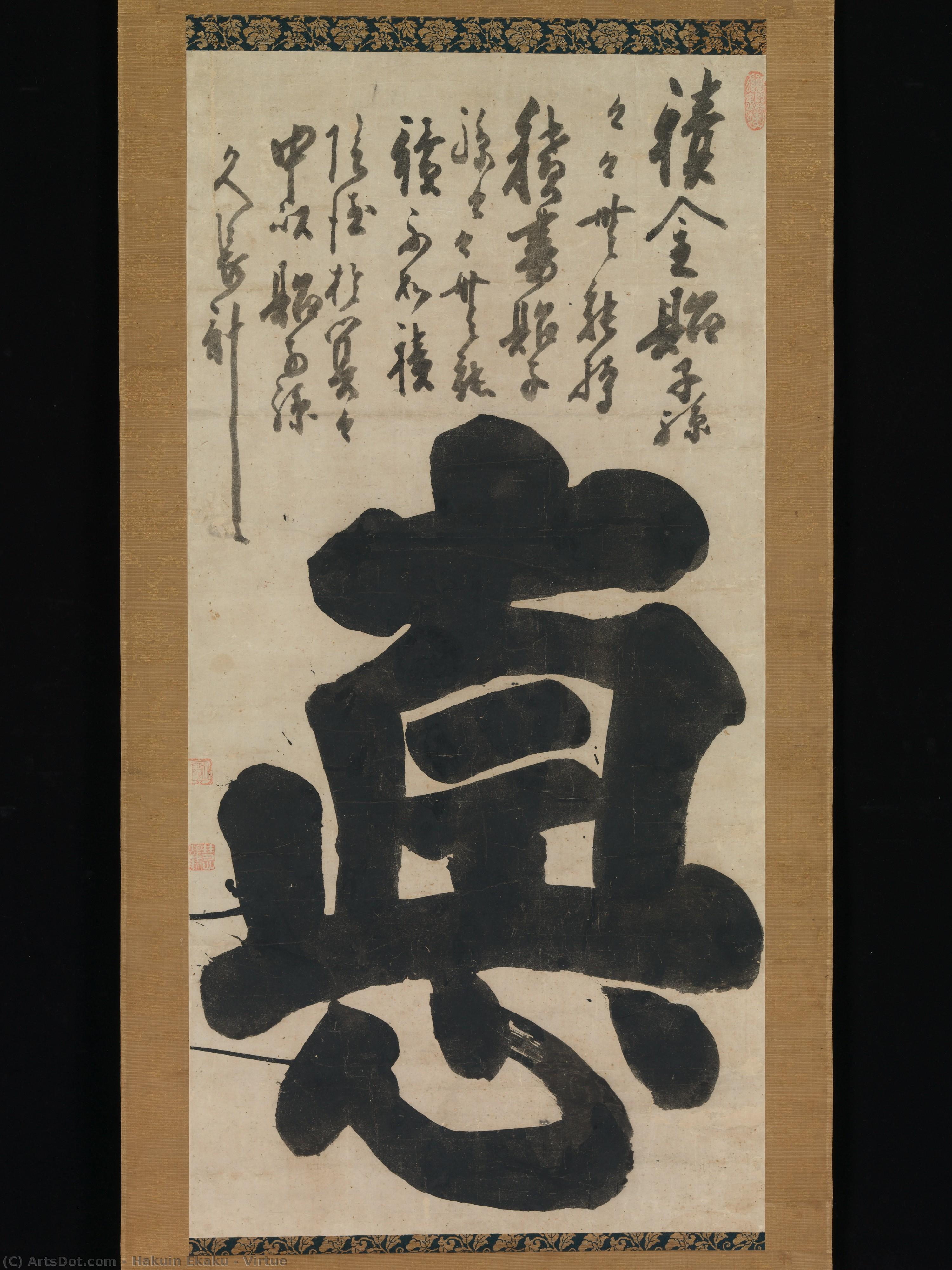
Virtue
 701
701 106.0cm x 52.0cm
 Читать далее
Приобретите цифровое изображение высокого разрешения в улучшенном качестве, которое значительно превосходит онлайн-превью.
Каждый файл тщательно подготавливается нашими специалистами с использованием передовых инструментов и экспертной ручной ретуши. Мы гарантируем исключительную четкость, точную цветопередачу и детальную проработку каждого изображения.
Финальный файл доставляется по электронной почте в течение 72 часов и оптимизирован для немедленного использования в профессиональной среде, при верстке и печати. Это тот же уровень качества, которому доверяют ведущие дизайнерские студии, издательства и галереи.
Цифровое изображение
Скачайте файл высокого разрешения для личного использования, печати и творческих проектов. ( Перейти к печати Купить картину ручной работы)
Включено в каждый заказ цифровых изображений
Гарантия экспертной цифровой доставки
Выбирая ArtsDot.com, вы получаете не просто изображение — вы приобретаете профессионально обработанное цифровое произведение искусства, созданное с безупречной точностью и под защитой гарантии качества. Вот всё, что автоматически входит в ваш заказ:

Мгновенная доставка по e-mail
Ваш цифровой файл в высоком разрешении будет отправлен вам по электронной почте в течение 72 часов после оформления заказа — и сразу станет доступен для использования.

Цифровой файл с ИИ-улучшением
Ваше произведение искусства проходит профессиональную оптимизацию с использованием передовых инструментов ИИ и ручной обработки, что гарантирует максимальную детализацию, четкость и точность цветопередачи.

Бессрочная бесплатная повторная доставка
Случайно удалили или потеряли файл? Не беспокойтесь — мы отправим его вам повторно в любое время и совершенно бесплатно.

Без импортных пошлин — навсегда
Наслаждайтесь вашим произведением искусства мгновенно без таможенных пошлин, сборов или затрат на доставку — цифровые загрузки всегда не облагаются налогом.

Гарантия точности цветопередачи
Мы гарантируем, что ваше цифровое изображение максимально точно передает оригинальные цвета благодаря использованию профессиональных инструментов и систем управления цветом.

Гарантия удовлетворенности 100 дней
Если вы не будете удовлетворены своим цифровым изображением, мы внесем правки или вернем 100% стоимости в течение 100 дней — без лишних вопросов.

100% Гарантия возврата средств
Не удовлетворены покупкой? Получите полный возврат средств в течение 100 дней после получения цифрового файла — без лишних вопросов.

Скидки на оптовые заказы
Купите 3 изображения, сэкономьте 10% — Купите 5, сэкономьте 15% — Купите 10+, сэкономьте 20%. Отличное решение для творческих проектов, галерей и агентств.
Похожие произведения









Биография художника
The Revitalizer of Zen: A Life Dedicated to Awakening
Born in the serene landscape of Hara, nestled at the foot of Mount Fuji in 1686, Hakuin Ekaku emerged as a pivotal figure not only within Japanese Zen Buddhism but also as an influential artist whose work continues to resonate with profound spiritual depth. His early life was subtly shaped by his mother’s devout Nichiren Buddhist faith, a background that initially instilled in him a palpable fear of the hell realms – a fear that ultimately propelled him toward monastic life as a means of seeking liberation. This formative experience reveals a young mind grappling with existential questions, setting the stage for a lifelong dedication to unraveling the mysteries of existence through spiritual practice. He entered the Shōin-ji temple at fifteen, beginning his formal training, but found early Buddhist texts somewhat unsatisfying, perceiving them as simple narratives rather than pathways to genuine insight. This dissatisfaction fueled a relentless pursuit of deeper understanding, leading him on a journey of exploration and self-discovery that would ultimately redefine Zen practice in Japan.A Brush with Enlightenment: Artistic Expression and Spiritual Practice
Hakuin’s artistic endeavors were never separate from his spiritual quest; rather, they were inextricably intertwined. He didn't merely *create* art—he embodied Zen principles through brushstrokes, transforming calligraphy and painting into potent vehicles for conveying enlightenment. While not prolific in the conventional sense of producing a vast body of work, each piece he created – such as his iconic portrait of Bodhidharma or delicate calligraphic renderings – served as a direct expression of his meditative state and understanding of koan teachings. His style is characterized by bold simplicity, dynamic energy, and an intentional use of negative space—all hallmarks of Zen aesthetics. He masterfully employed sumi-e ink painting techniques, achieving remarkable depth and nuance with minimal strokes. The power of Hakuin’s art lies not in its representational accuracy but in its ability to evoke a sense of presence, stillness, and the inherent interconnectedness of all things. He believed that art could be a direct path to awakening, bypassing intellectual understanding and speaking directly to the intuitive mind.Koans and Revitalization: Reshaping Zen Training
Perhaps Hakuin’s most significant contribution was his revitalization of the Rinzai school of Zen Buddhism. During his time, the tradition had become somewhat stagnant, losing its original vigor and directness. He recognized this decline and dedicated himself to restoring the essence of Zen practice through a renewed emphasis on koan study. Koans—paradoxical riddles or stories designed to challenge logical thought and provoke intuitive insight—became central to his teaching method. He didn’t simply present koans as intellectual puzzles; he used them as tools to dismantle habitual patterns of thinking, forcing students to confront the limitations of their own minds and experience reality directly. He is credited with creating many of the koans still in use today, including the famous “sound of one hand clapping,” which continues to challenge Zen practitioners worldwide. His approach was rigorous yet compassionate, demanding unwavering commitment while simultaneously fostering a supportive environment for exploration and growth.Legacy and Influence: A Lasting Impact on Art and Spirituality
The impact of Hakuin Ekaku extends far beyond the confines of Japanese Zen Buddhism. His teachings and artistic vision profoundly influenced subsequent generations of artists and spiritual seekers, both in Japan and abroad. He inspired a lineage of Zen masters who carried forward his legacy of rigorous practice and compassionate wisdom. Furthermore, his art played a crucial role in shaping the aesthetic sensibilities of later Japanese painting styles. The principles of simplicity, spontaneity, and direct expression that characterize Hakuin’s work resonated with artists across various disciplines. His influence can also be seen in the broader context of Japonisme, the late 19th-century Western fascination with Japanese art and culture, which profoundly impacted Impressionist painters like Degas, Monet, and Manet. They were captivated by the unique aesthetic qualities of Japanese prints and paintings, incorporating elements of their style into their own work. Hakuin’s legacy serves as a testament to the enduring power of Zen Buddhism and the transformative potential of art—a reminder that true awakening is not merely an intellectual pursuit but a lived experience that permeates every aspect of our being.
Hakuin Ekaku
1686 - 1769 , Japan
Основные сведения
- Artistic Movement Or Style: Zen Buddhism art
- Artists Or Movements Influenced By This Artist:
- Ukiyo-e
- Sōsaku-hanga
- Date Of Birth: January 19, 1686
- Date Of Death: 1769
- Full Name: Hakuin Ekaku
- Nationality: Japanese
- Notable Artworks:
- Portrait of Bodhidharma
- Calligraphy of the Character
- Place Of Birth: Hara, Japan