

 Предпросмотр
 Поделиться
 Поделиться
 Детали произведения

 Скачать
 Похожие работы
 Рентгенография
 Слайд-шоу
 Статистика
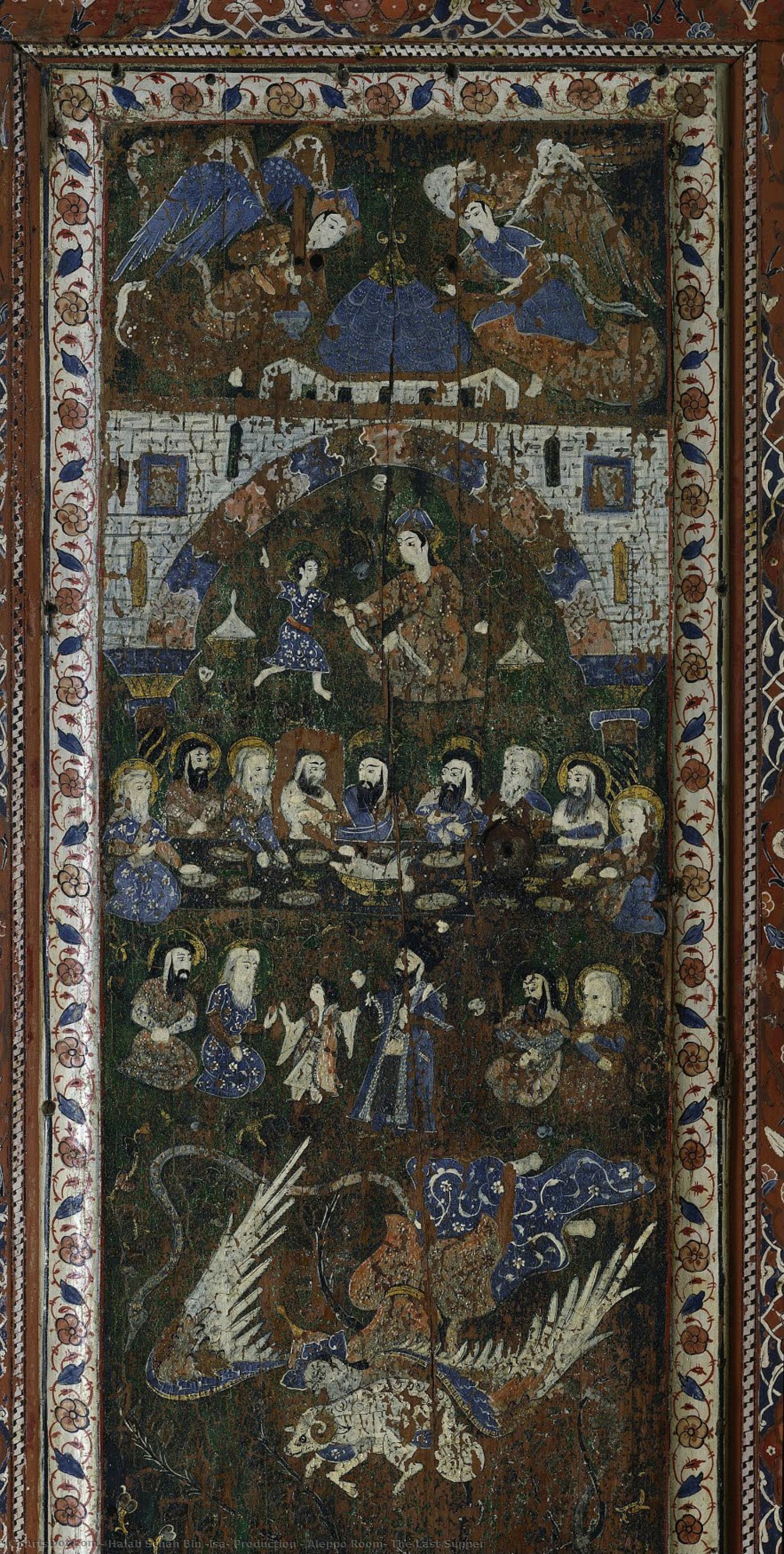
Aleppo Room: The Last Supper


 Читать далее
Приобретите цифровое изображение высокого разрешения в улучшенном качестве, которое значительно превосходит онлайн-превью.
Каждый файл тщательно подготавливается нашими специалистами с использованием передовых инструментов и экспертной ручной ретуши. Мы гарантируем исключительную четкость, точную цветопередачу и детальную проработку каждого изображения.
Финальный файл доставляется по электронной почте в течение 72 часов и оптимизирован для немедленного использования в профессиональной среде, при верстке и печати. Это тот же уровень качества, которому доверяют ведущие дизайнерские студии, издательства и галереи.
Цифровое изображение
Скачайте файл высокого разрешения для личного использования, печати и творческих проектов. ( Перейти к печати Купить картину ручной работы)
Включено в каждый заказ цифровых изображений
Гарантия экспертной цифровой доставки
Выбирая ArtsDot.com, вы получаете не просто изображение — вы приобретаете профессионально обработанное цифровое произведение искусства, созданное с безупречной точностью и под защитой гарантии качества. Вот всё, что автоматически входит в ваш заказ:

Мгновенная доставка по e-mail
Ваш цифровой файл в высоком разрешении будет отправлен вам по электронной почте в течение 72 часов после оформления заказа — и сразу станет доступен для использования.

Цифровой файл с ИИ-улучшением
Ваше произведение искусства проходит профессиональную оптимизацию с использованием передовых инструментов ИИ и ручной обработки, что гарантирует максимальную детализацию, четкость и точность цветопередачи.

Бессрочная бесплатная повторная доставка
Случайно удалили или потеряли файл? Не беспокойтесь — мы отправим его вам повторно в любое время и совершенно бесплатно.

Без импортных пошлин — навсегда
Наслаждайтесь вашим произведением искусства мгновенно без таможенных пошлин, сборов или затрат на доставку — цифровые загрузки всегда не облагаются налогом.

Гарантия точности цветопередачи
Мы гарантируем, что ваше цифровое изображение максимально точно передает оригинальные цвета благодаря использованию профессиональных инструментов и систем управления цветом.

Гарантия удовлетворенности 100 дней
Если вы не будете удовлетворены своим цифровым изображением, мы внесем правки или вернем 100% стоимости в течение 100 дней — без лишних вопросов.

100% Гарантия возврата средств
Не удовлетворены покупкой? Получите полный возврат средств в течение 100 дней после получения цифрового файла — без лишних вопросов.

Скидки на оптовые заказы
Купите 3 изображения, сэкономьте 10% — Купите 5, сэкономьте 15% — Купите 10+, сэкономьте 20%. Отличное решение для творческих проектов, галерей и агентств.
Aleppo Room: The Last Supper – A Window Into Syrian Domestic Culture
The Aleppo Room stands as one of the most remarkable treasures unearthed from the annals of Syrian art history—a testament to the confluence of Christian and Islamic artistic traditions in the early seventeenth century. More than just a decorative paneling, it offers an unparalleled glimpse into the daily life and spiritual beliefs of a prosperous Armenian merchant family residing within Aleppo’s historic Christian quarter. Its provenance – originating from Isa ibn Butrus's reception room – underscores its significance as a microcosm of Syrian culture during Ottoman rule.- Provenance: The Aleppo Room was acquired in Aleppo by Friedrich Sarre for the Museum of Islamic Art in 1912. Deeds confirm that it originally belonged to House Wakil in Aleppo, where it was photographed *in situ* prior to 1912.
- Artist: Halab Shah ibn Isa – A master craftsman whose workshop produced this exceptional piece, embodying the zenith of Ottoman artistic excellence.
- Date Created: Approximately 1603 - marking a pivotal moment in Syrian art production and reflecting the prevailing stylistic influences of the period.
A Byzantine Echoes Within Islamic Ornamentation
The Aleppo Room’s aesthetic is profoundly shaped by Byzantine illumination—a tradition renowned for its flattened figures, elongated proportions, and lavish ornamentation. This distinctive approach distinguishes itself from more realistic depictions prevalent in other European artistic circles of the time. The artist skillfully employs geometric patterns – concentric circles and stylized arabesques – to create a harmonious visual framework that enhances the grandeur of the central scene. These intricate designs serve not merely as decorative embellishments but also as conduits for conveying spiritual symbolism, reflecting the devout piety characteristic of Ottoman society.The Narrative Tapestry: Biblical Symbolism Meets Persian Tradition
Beyond its formal structure, the Aleppo Room’s imagery is replete with references to both Christian and Islamic narratives. Dominating the composition is a seated woman – likely representing Mary—centered within a circular frame, symbolizing divine grace and maternal compassion. Surrounding her are depictions of biblical figures such as Jesus and Saint George, alongside scenes from Persian book illustration, showcasing the cosmopolitan spirit of Aleppo’s artistic milieu. The inclusion of verses from the Psalms and quotations from Persian poetry underscores the harmonious coexistence of faiths and intellectual pursuits within this vibrant urban environment.Technique: Tesserae of Faith – Craftsmanship and Material Innovation
The paneling's breathtaking beauty stems from its meticulous construction—a testament to the skill of Halab Shah ibn Isa’s workshop. Crafted primarily from glass tesserae, painstakingly arranged within a mortar matrix, the artwork exemplifies Ottoman artistic innovation. The shimmering effect achieved through the layering of colored tiles is not merely decorative; it symbolizes divine radiance and elevates the paneling to an object of profound spiritual contemplation. Careful consideration was given to color palettes—deep blues, greens, reds, and golds—creating an opulent visual experience that reflects the wealth and prestige associated with Aleppo’s merchant elite.Emotional Resonance: A Legacy of Artistic Vision
The Aleppo Room transcends its material form, transporting viewers back to a moment in Syrian history where artistic expression served as a vehicle for conveying faith, piety, and cultural identity. Its enduring appeal lies in its ability to evoke feelings of reverence, contemplation, and admiration—a testament to the visionary artistry of Halab Shah ibn Isa and his contribution to the preservation of Syrian artistic heritage. It remains an unforgettable emblem of Ottoman splendor and a poignant reminder of Aleppo’s rich cultural past.Похожие произведения
Биография художника
The Shadowed Genius: Caravaggio and the Dawn of Baroque
Michelangelo Merisi da Caravaggio, a name synonymous with drama, darkness, and revolutionary technique, remains one of the most compelling figures in art history. Born in Milan in 1571 to a family of artists – his father was a draper – Caravaggio’s early life is shrouded in some mystery, though it's believed he received a basic apprenticeship under his father before being formally trained as a painter by Simone Peterzano. He arrived in Rome around 1592, a city teeming with artistic patronage and ambition, and quickly established himself through a distinctive style that would forever alter the course of painting. Caravaggio’s career was tragically short, ending abruptly at the age of thirty-eight when he was killed during a street brawl – an event that only deepened the aura of mystery surrounding his life and work. Caravaggio's genius lay not just in his technical skill but in his radical approach to representation. He rejected the idealized forms and polished surfaces favored by Mannerism, opting instead for a brutally realistic style characterized by *tenebrismo* – a dramatic use of light and shadow. This technique, derived from stage lighting, created an intense sense of drama and immediacy, pulling the viewer directly into the scene. His figures were often depicted with unflinching honesty, capturing their imperfections, emotions, and even their flaws. He frequently used ordinary people as models, drawing inspiration from the streets of Rome and imbuing his subjects with a palpable humanity. His early works, such as *The Calling of St Matthew* and *Bacchus*, demonstrate this innovative approach, showcasing dynamic compositions and a masterful manipulation of light to highlight key elements. The influence of Italian Renaissance artists like Raphael and Michelangelo is evident in the composition, but Caravaggio’s use of shadow and his focus on human emotion set him apart.The Venetian Years: A Shift in Tone
Around 1606, disillusioned with Rome's artistic scene and facing legal troubles related to a duel, Caravaggio moved to Venice, seeking refuge and a new beginning. This period marked a significant shift in his style and subject matter. While he continued to employ *tenebrismo*, the colors became richer and warmer, reflecting the Venetian palette. He began painting more mythological scenes – notably *Apollo and Daphne* and *Pluto and Proserpina* – often depicting them with a sensual and erotic quality. These works demonstrate a growing interest in classical themes and a willingness to explore darker, more complex narratives. The Venetian period also saw Caravaggio experimenting with new techniques, including the use of tempera on canvas, which contributed to the distinctive texture and luminosity of his paintings. Despite producing some of his most celebrated works during this time, Caravaggio’s stay in Venice was ultimately short-lived; he returned to Rome in 1609, only to be murdered shortly thereafter.The Legacy of a Revolutionary: Influence and Imitation
Caravaggio's death left an enormous void in the art world, but his influence proved to be far-reaching and enduring. His innovative techniques – particularly *tenebrismo* – were immediately adopted by countless artists who sought to emulate his dramatic style. This phenomenon is known as “Caravaggism,” and it spread rapidly throughout Europe during the 17th century. Artists like Artemisia Gentileschi, Diego Velázquez, Rembrandt van Rijn, and Georges de La Tour all drew inspiration from Caravaggio’s work, adapting his techniques to their own artistic visions. Even today, Caravaggio's influence can be seen in contemporary art, demonstrating the lasting power of his revolutionary approach to painting. His emphasis on realism, dramatic lighting, and emotional intensity continues to resonate with audiences worldwide.Key Works and Historical Significance
Caravaggio’s body of work, though limited in quantity, is remarkably diverse and profoundly impactful. *The Calling of St Matthew*, *David and Goliath*, *Supper at Emmaus*, *Judith Beheading Holofernes*, and *Death of the Virgin Mary* are just a few examples of his most celebrated paintings. These works not only showcase his technical brilliance but also explore profound themes of faith, morality, violence, and human emotion. Caravaggio’s art challenged conventional notions of beauty and representation, forcing viewers to confront uncomfortable truths about themselves and the world around them. He is considered one of the founders of Baroque painting, a style characterized by drama, dynamism, and emotional intensity – qualities that continue to captivate audiences centuries after his death. His legacy as a revolutionary artist who redefined the possibilities of visual expression remains secure.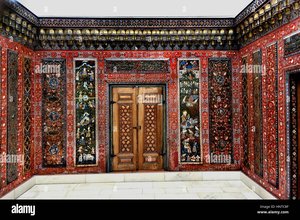
Халаб Шах Бин Иса
1600 - 1603 , Сирийская Арабская Республика