

 Предпросмотр
 Поделиться
 Поделиться
 Детали произведения

 Скачать
 Похожие работы
 Рентгенография
 Слайд-шоу
 Статистика
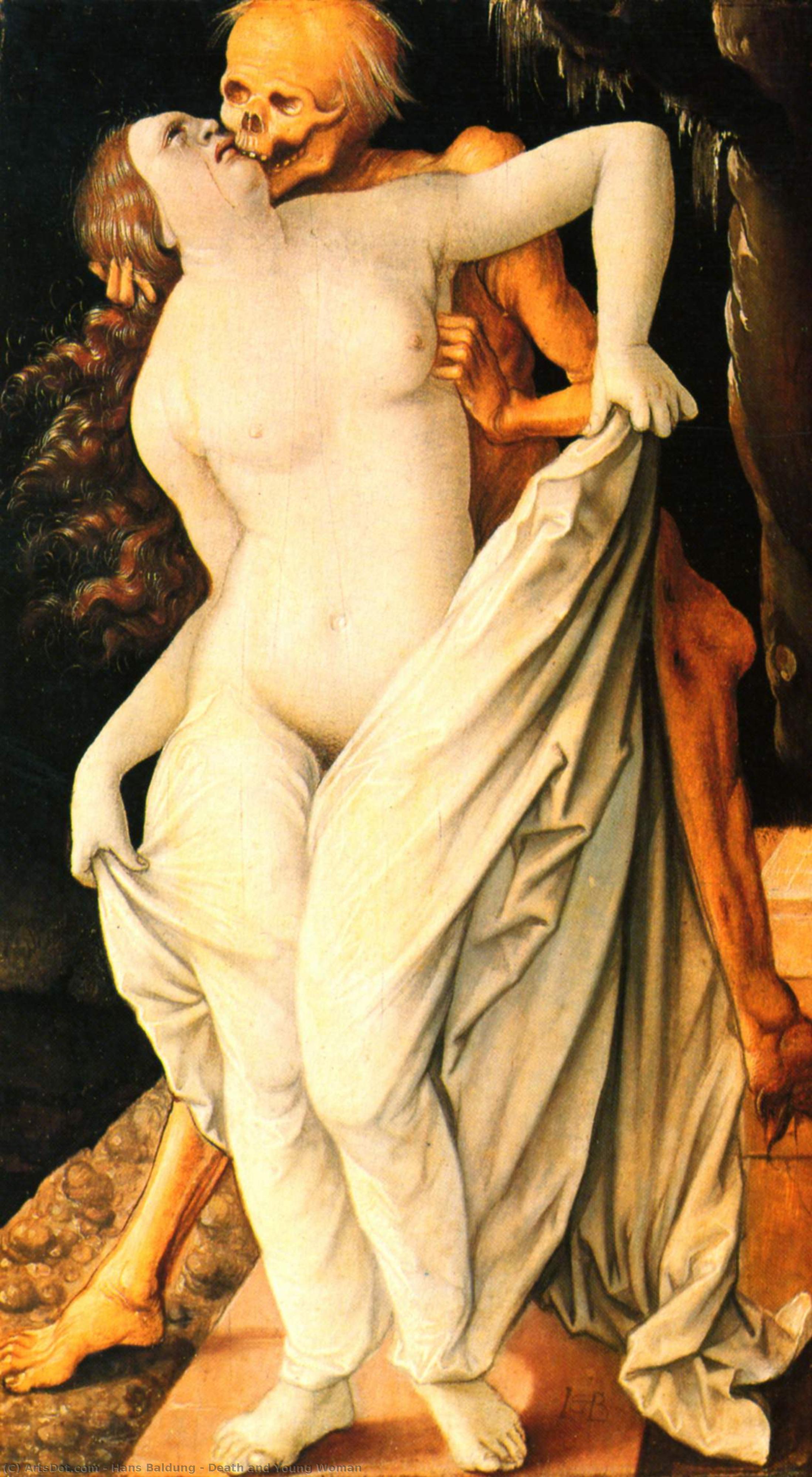
Death and Young Woman


 Читать далее
Приобретите цифровое изображение высокого разрешения в улучшенном качестве, которое значительно превосходит онлайн-превью.
Каждый файл тщательно подготавливается нашими специалистами с использованием передовых инструментов и экспертной ручной ретуши. Мы гарантируем исключительную четкость, точную цветопередачу и детальную проработку каждого изображения.
Финальный файл доставляется по электронной почте в течение 72 часов и оптимизирован для немедленного использования в профессиональной среде, при верстке и печати. Это тот же уровень качества, которому доверяют ведущие дизайнерские студии, издательства и галереи.
Цифровое изображение
Скачайте файл высокого разрешения для личного использования, печати и творческих проектов. ( Перейти к печати Купить картину ручной работы)
Включено в каждый заказ цифровых изображений
Гарантия экспертной цифровой доставки
Выбирая ArtsDot.com, вы получаете не просто изображение — вы приобретаете профессионально обработанное цифровое произведение искусства, созданное с безупречной точностью и под защитой гарантии качества. Вот всё, что автоматически входит в ваш заказ:

Мгновенная доставка по e-mail
Ваш цифровой файл в высоком разрешении будет отправлен вам по электронной почте в течение 72 часов после оформления заказа — и сразу станет доступен для использования.

Цифровой файл с ИИ-улучшением
Ваше произведение искусства проходит профессиональную оптимизацию с использованием передовых инструментов ИИ и ручной обработки, что гарантирует максимальную детализацию, четкость и точность цветопередачи.

Бессрочная бесплатная повторная доставка
Случайно удалили или потеряли файл? Не беспокойтесь — мы отправим его вам повторно в любое время и совершенно бесплатно.

Без импортных пошлин — навсегда
Наслаждайтесь вашим произведением искусства мгновенно без таможенных пошлин, сборов или затрат на доставку — цифровые загрузки всегда не облагаются налогом.

Гарантия точности цветопередачи
Мы гарантируем, что ваше цифровое изображение максимально точно передает оригинальные цвета благодаря использованию профессиональных инструментов и систем управления цветом.

Гарантия удовлетворенности 100 дней
Если вы не будете удовлетворены своим цифровым изображением, мы внесем правки или вернем 100% стоимости в течение 100 дней — без лишних вопросов.

100% Гарантия возврата средств
Не удовлетворены покупкой? Получите полный возврат средств в течение 100 дней после получения цифрового файла — без лишних вопросов.

Скидки на оптовые заказы
Купите 3 изображения, сэкономьте 10% — Купите 5, сэкономьте 15% — Купите 10+, сэкономьте 20%. Отличное решение для творческих проектов, галерей и агентств.
Hans Baldung's *Death and Young Woman*: A Study in Northern Renaissance Melancholy
Painted in 1520 by the enigmatic Hans Baldung, *Death and Young Woman* is more than just a portrait; it’s a profoundly unsettling meditation on mortality, love, and the precariousness of earthly existence. Executed during a period of immense social and religious upheaval – the early years of the Reformation casting a long shadow across Northern Europe – the painting embodies the anxieties and spiritual uncertainties characteristic of the era. Baldung, trained in the Upper Rhineland and deeply influenced by both late Gothic traditions and the burgeoning Renaissance ideals, masterfully blends these influences to create an image that is simultaneously beautiful and profoundly disturbing.
- Subject Matter: The central figures – a young woman and what appears to be her lover – are posed in a moment of intimate connection, yet this tenderness is immediately undercut by the stark presence of Death.
- Style & Technique: This work firmly establishes Baldung within the Northern Renaissance style, characterized by its meticulous detail, rich color palette (dominated by deep reds, blues, and browns), and a heightened sense of realism. Baldung’s masterful use of oil paint allows for subtle gradations in tone and texture, particularly evident in the rendering of fabrics and skin.
- Composition: The composition is deliberately unsettling. The figures are tightly grouped, creating a claustrophobic atmosphere. The skull figure, positioned on the left, serves as a constant reminder of death’s inevitability, while the obscured figure at the top adds to the sense of unease and mystery.
Symbolism and Allegory: A Dance with Mortality
The painting is laden with symbolic meaning, reflecting the prevalent allegorical traditions of the time. The young woman represents youth and beauty, tragically vulnerable to the forces of death. Her white clothing, a traditional symbol of purity, ironically contrasts sharply with the dark hues surrounding her, suggesting corruption or decay. The presence of Death itself – depicted as a skeletal figure – is not merely a literal representation but an embodiment of spiritual demise. The inclusion of three additional figures adds layers to this complex allegory. The skull represents the finality of death, while the obscured figure may symbolize judgment or divine intervention. The bed in the background further reinforces the theme of rest and transition, hinting at the afterlife.
Historical Context: Painted during a period of intense religious and social change, this work reflects the anxieties surrounding mortality and the questioning of traditional beliefs that characterized the early 16th century. Baldung’s exploration of these themes aligns with the broader artistic trends of the time, which often grappled with questions of faith, sin, and redemption.Emotional Impact and Artistic Legacy
*Death and Young Woman* is a profoundly moving work that continues to resonate with viewers centuries later. Baldung’s ability to capture both the beauty and terror of human existence – the fleeting nature of youth, the inevitability of death – is truly remarkable. The painting's unsettling atmosphere and complex symbolism invite contemplation on profound questions about life, love, and loss. It stands as a testament to Baldung’s artistic genius and his ability to translate complex ideas into a visually arresting and emotionally powerful image. This piece exemplifies the artist's unique blend of realism and allegory, solidifying his place as one of the most important figures in German Renaissance art.
Похожие произведения
Биография художника
A Swabian Enigma: The Life and Early Influences of Hans Baldung Grien
Hans Baldung Grien, a name synonymous with both brilliance and unsettling beauty, emerged from the rolling hills of Bavaria in 1485. Born in Schwäbisch Gmünd, a small Free Imperial City, he was an artist whose path diverged dramatically from the expected trajectory for his family—a lineage steeped in law and scholarship. Unlike many Renaissance artists who inherited their craft through generations of apprenticeship, Baldung’s father, Johann Baldung, a respected jurist serving the Bishopric of Strasbourg, envisioned a life of legal study for his son. Yet, young Hans chose the brush and burin, embarking on an artistic journey that would ultimately define him as one of the most distinctive and enigmatic figures of the German Renaissance. This decision wasn’t a rejection of his upbringing, but rather a redirection of intellectual curiosity—a characteristic that profoundly shaped his entire oeuvre. His early training commenced around 1500 in the Upper Rhineland with an artist from Strasbourg, laying the groundwork for his technical skills before he sought out more prominent masters to hone his craft. This initial period instilled within him a foundation of draftsmanship and composition, preparing him for the rigorous artistic environment that awaited him in Nuremberg.Under Dürer’s Wing and Forging an Individual Style
The pivotal moment in Baldung's development arrived in 1503 when he became a workshop apprentice to Albrecht Dürer in Nuremberg. This period proved profoundly formative, exposing him to the meticulous detail, intellectual rigor, and innovative printmaking techniques that defined Dürer’s style. The two artists developed a close relationship; Baldung even managed Dürer's workshop during his master’s sojourn to Venice. However, while deeply influenced by Dürer—evident in early works showcasing precise draftsmanship and Northern realism—Baldung quickly began to forge his own artistic identity. He absorbed the lessons of the Renaissance masters but infused them with a uniquely German sensibility, characterized by expressive color, imaginative compositions, and an increasingly unsettling psychological depth. This divergence from Dürer’s more classical approach would become a hallmark of Baldung's mature style. His time in Venice, overseeing Dürer’s affairs, also exposed him to the burgeoning Italian Renaissance art scene, broadening his artistic horizons and subtly influencing his palette and compositional choices. He returned from Italy with a heightened sense of color and a willingness to experiment with spatial arrangements that set him apart from his contemporaries.A Master of Many Mediums: Themes and Techniques
Hans Baldung Grien was an artist of remarkable versatility, proficient in painting, printmaking—particularly woodcuts and engravings—drawing, tapestry design, and even stained glass work. His paintings often feature small-scale works brimming with puzzling allegories and mythological narratives, rendered with a vibrant palette and a distinctive sense of spatial ambiguity. He excelled at portraiture, capturing the likenesses of his patrons with both realism and psychological insight. However, it is perhaps for his woodcuts that Baldung is most widely recognized today. These prints are characterized by their dramatic compositions, intricate detail, and often macabre subject matter. A recurring theme throughout his work is a fascination with witchcraft, death, and the supernatural—a reflection of the anxieties and beliefs prevalent in 16th-century Germany. His depictions of witches are particularly striking, portraying them not as stereotypical hags but as complex, even alluring figures, embodying both fear and fascination. *The Bewitched Groom*, for example, is a chillingly evocative work that encapsulates this preoccupation with the darker side of human experience. Baldung’s technique in woodcut was masterful; he exploited the medium's capacity for stark contrasts and intricate detail to create images that were both visually arresting and psychologically unsettling.Reformation Currents and Lasting Legacy
Baldung’s career unfolded during a period of immense religious and political upheaval, marked by the rise of the Protestant Reformation. While not overtly aligned with any particular faction, his work often reflects the changing spiritual landscape of Germany. His monumental high altar for the city of Münster, completed in 1531, is a testament to this engagement, showcasing support for the reformation movement through its iconography and stylistic choices. In 1545, Baldung died in Strasbourg, leaving behind a body of work that continues to captivate and intrigue viewers today. His influence can be seen in the works of later German artists, and his unique blend of Renaissance technique, Northern expressionism, and allegorical complexity secures his place as a significant figure in art history. He remains an artist whose work invites contemplation, challenging us to confront the darker aspects of human nature and the mysteries of the unseen world. His exploration of themes like witchcraft and mortality continues to resonate with contemporary audiences, making him a timeless and compelling figure in the pantheon of Renaissance masters.Museums and Collections
Baldung’s works can be found in prominent museums across Europe and North America:- Gemäldegalerie Alte Meister, Dresden, Germany: This renowned museum houses a significant collection of European paintings from the 15th to the 18th centuries, providing valuable context for understanding Baldung’s artistic milieu.
- National Gallery of Art, Washington D.C.: The NGA holds several important woodcuts and drawings by Baldung, offering insights into his printmaking techniques and artistic process.
- The J. Paul Getty Museum, Los Angeles: Features works that showcase the breadth of Baldung’s talent.
- Kunstmuseum Basel, Switzerland: A museum with a rich collection spanning various periods, offering a broader understanding of Renaissance art in Europe.
Ханс Балдунг Гриен
1485 - 1545 , Германия
Основные сведения
- Artistic Movement Or Style: Ренессанс, Маньеризм
- Artists Or Movements Influenced By This Artist: ['Поздние немецкие художники']
- Artists Who Influenced This Artist: ['Albrecht Dürer']
- Date Of Birth: c. 1485
- Date Of Death: 1545
- Full Name: Hans Baldung Grien
- Nationality: Германия
- Notable Artworks:
- Bewitched Groom
- Death & Beauty
- Place Of Birth: Schwäbisch Gmünd, Германия