

 Предпросмотр
 Поделиться
 Поделиться
 Детали произведения

 Скачать
 Похожие работы
 Рентгенография
 Слайд-шоу
 Статистика
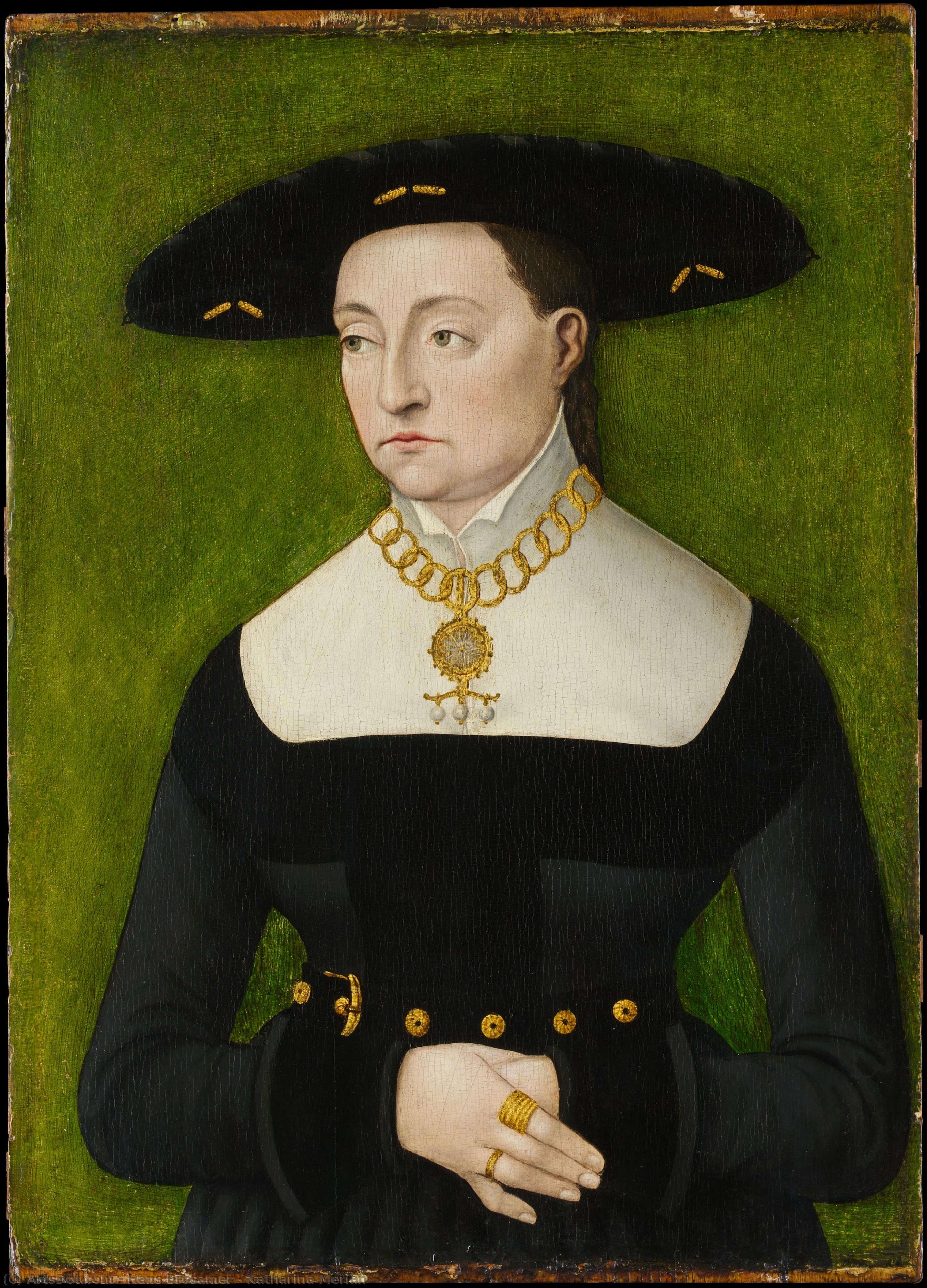
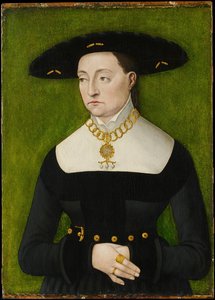
Katharina Merian
 Oil
Oil- WallArt
- Renaissance Portraiture
 46.0 x 33.0 cm
 Музей Метрополитен
 Читать далее
Приобретите цифровое изображение высокого разрешения в улучшенном качестве, которое значительно превосходит онлайн-превью.
Каждый файл тщательно подготавливается нашими специалистами с использованием передовых инструментов и экспертной ручной ретуши. Мы гарантируем исключительную четкость, точную цветопередачу и детальную проработку каждого изображения.
Финальный файл доставляется по электронной почте в течение 72 часов и оптимизирован для немедленного использования в профессиональной среде, при верстке и печати. Это тот же уровень качества, которому доверяют ведущие дизайнерские студии, издательства и галереи.
Цифровое изображение
Скачайте файл высокого разрешения для личного использования, печати и творческих проектов. ( Перейти к печати Купить картину ручной работы)
Включено в каждый заказ цифровых изображений
Гарантия экспертной цифровой доставки
Выбирая ArtsDot.com, вы получаете не просто изображение — вы приобретаете профессионально обработанное цифровое произведение искусства, созданное с безупречной точностью и под защитой гарантии качества. Вот всё, что автоматически входит в ваш заказ:

Мгновенная доставка по e-mail
Ваш цифровой файл в высоком разрешении будет отправлен вам по электронной почте в течение 72 часов после оформления заказа — и сразу станет доступен для использования.

Цифровой файл с ИИ-улучшением
Ваше произведение искусства проходит профессиональную оптимизацию с использованием передовых инструментов ИИ и ручной обработки, что гарантирует максимальную детализацию, четкость и точность цветопередачи.

Бессрочная бесплатная повторная доставка
Случайно удалили или потеряли файл? Не беспокойтесь — мы отправим его вам повторно в любое время и совершенно бесплатно.

Без импортных пошлин — навсегда
Наслаждайтесь вашим произведением искусства мгновенно без таможенных пошлин, сборов или затрат на доставку — цифровые загрузки всегда не облагаются налогом.

Гарантия точности цветопередачи
Мы гарантируем, что ваше цифровое изображение максимально точно передает оригинальные цвета благодаря использованию профессиональных инструментов и систем управления цветом.

Гарантия удовлетворенности 100 дней
Если вы не будете удовлетворены своим цифровым изображением, мы внесем правки или вернем 100% стоимости в течение 100 дней — без лишних вопросов.

100% Гарантия возврата средств
Не удовлетворены покупкой? Получите полный возврат средств в течение 100 дней после получения цифрового файла — без лишних вопросов.

Скидки на оптовые заказы
Купите 3 изображения, сэкономьте 10% — Купите 5, сэкономьте 15% — Купите 10+, сэкономьте 20%. Отличное решение для творческих проектов, галерей и агентств.
The Enigmatic Gaze: Unveiling Katharina Merian
Hans Brosamer’s “Katharina Merian” is more than a simple portrait; it's a carefully constructed tableau of intellect, observation, and the burgeoning spirit of scientific inquiry that defined the early 16th century. Painted sometime before 1871, likely in Fulda or later refined in Erfurt, this work offers a rare glimpse into the life of a woman at a pivotal moment in European history – a time when art and science were increasingly intertwined.
The subject herself, Katharina Merian, was a pioneering naturalist and artist. Her father, Adam Martellus Merian, had established a successful trade route to Suriname, bringing back exotic plants and animals that captivated the European imagination. Katharina inherited this passion for the natural world, meticulously documenting her observations in detailed illustrations – a practice that would profoundly influence later generations of scientists and artists alike. The portrait captures her not merely as a woman, but as a scholar, a collector of knowledge, and a conduit between the known and the unexplored.
Style and Technique- Renaissance Portraiture: The composition adheres to the conventions of Renaissance portraiture – a half-length pose, a carefully arranged background, and an emphasis on capturing the subject’s character.
- Woodcut Precision: Brosamer was renowned for his woodcuts, utilizing a meticulous technique that demanded incredible precision and patience. The crisp lines and subtle tonal variations create a remarkable sense of depth and realism despite the limitations of the medium.
- Color Palette: The restrained palette – primarily blacks, whites, and golds – reflects the formality of the era while simultaneously highlighting Katharina’s features and drawing attention to her attire.
A Symbol of Knowledge and Observation
The details within the painting are laden with symbolic meaning. Katharina's elaborate black hat, adorned with a feather on the left side – a detail reminiscent of Renaissance courtly fashion – speaks to her status and perhaps even hints at a connection to nobility or intellectual circles. The high-collared shirt and dark coat signify formality and respectability, while the gold chain and pendant suggest wealth and possibly a connection to religious patronage.
Crucially, her left hand rests gently on her chest, holding an open book or sheet of paper. This gesture is not merely decorative; it’s a potent symbol of learning, scholarship, and the pursuit of knowledge. The act of reading suggests a mind actively engaged in contemplation and research – mirroring Katharina's own scientific endeavors.
Historical Context: A Renaissance of Discovery
“Katharina Merian” was created during a period of profound intellectual and artistic transformation—the High Renaissance. Humanism, with its emphasis on classical learning and human potential, was sweeping across Europe, fueling a renewed interest in art, science, and philosophy. The rise of printing technology facilitated the dissemination of knowledge, while explorers like Columbus and Magellan were expanding the known world, inspiring artists to depict exotic landscapes and creatures.
The painting reflects this spirit of discovery. Katharina’s portrait embodies the Renaissance ideal of the ‘universal man,’ a figure capable of excelling in multiple fields – art, science, and scholarship. It's a testament to the interconnectedness of these disciplines during this era, when observation, documentation, and artistic representation converged to shape our understanding of the world.
The Enduring Legacy: A Masterpiece of Scientific Portraiture
“Katharina Merian” is more than just a beautiful painting; it’s a window into the mind of a remarkable woman and a symbol of the Renaissance's embrace of knowledge. Its meticulous detail, symbolic richness, and historical significance make it a truly exceptional work of art – a timeless reminder of the power of observation, curiosity, and the enduring legacy of scientific inquiry.
Похожие произведения
Биография художника
The Shadowy Master of the Reformation
In the swirling currents of the sixteenth century, where religious upheaval and intellectual rebirth collided, the life of Hans Brosamer remains a captivating enigma. Born in the late 1490s, likely within the historic walls of Fulda, Germany, Brosamer emerged as a vital voice during the Reformation—a period defined by both profound faith and biting social critique. While much of his personal history is lost to the mists of time, leaving behind little more than a fragmentary documentary trace, his artistic presence is undeniable. He was a man who lived through the tremors of theological revolution, translating the intense debates of his era into the enduring medium of print.
Brosamer’s career was anchored in two significant German cities: Fulda, where he established himself as an active force between 1536 and 1545, and later Erfurt, where he resided during the twilight of his life. In Erfurt, he famously identified himself as a "Formschneider," or blockcutter, a title that speaks to the physical labor and technical precision required of his craft. Though his biography is sparse, his prolific output serves as a window into the Renaissance mind, revealing an artist who was deeply embedded in the humanist movements and the religious tensions that reshaped Europe.
A Legacy Carved in Wood and Metal
The true brilliance of Brosamer lies not in written records, but in the intricate lines of his vast repertoire. He was a master of the multiple, producing an extraordinary collection of over 600 woodcuts that served as much more than mere decoration. These works were powerful instruments of communication, often functioning as book illustrations for biblical narratives and scientific treatises, or even as sharp tools of visual satire. His ability to navigate the complexities of his time is perhaps best seen in his more provocative works, such as his 1529 caricature of Martin Luther, which utilized the medium to engage directly with the theological controversies of the day.
Beyond the broad reach of his woodcuts, Brosamer achieved a delicate finesse in his engravings. Though numbering only about thirty-eight, these smaller, more intimate works earned him a place among the "Little Masters." In these pieces, one can observe a profound technical dialogue with the giants of his age. His style reflects the meticulous precision of Flemish primitives like Jacob Binck and Heinrich Aldegrever, while his approach to portraiture echoes the stylistic elegance of Lucas Cranach the Elder. This synthesis of influences allowed him to create works that were both technically sophisticated and culturally resonant.
Technical Mastery and Symbolic Depth
To study a Brosamer print is to witness a masterclass in composition and detail. His technical range was immense, capable of moving from the delicate, fine-lined precision of an engraving to the monumental scale of his woodcuts. One of his most breathtaking achievements is the "David and Bathsheba," a massive undertaking constructed from nine separate woodblocks. Printed in 1554—his final dated work—this piece stands as a testament to his enduring stamina and his ability to command large-scale visual storytelling. Such works were likely intended for public display, meant to be pasted onto walls to captivate the gaze of the masses.
His artistic vision was equally present in his paintings, where he captured the likenesses of the local German elite. These portraits, typically executed in a half-length format, demonstrate a sensitive ability to convey character and status through subtle detail. Whether he was depicting a religious scene or a contemporary figure, Brosamer’s work is characterized by:
- Narrative Precision: The use of crisp lines to guide the viewer through complex biblical or historical stories.
- Cultural Commentary: A keen eye for using imagery to participate in the political and religious discourse of the Reformation.
- Technical Versatility: An ability to transition seamlessly between the rugged texture of woodcut and the refined elegance of engraving.
- Humanist Influence: A focus on the intersection of classical themes, scientific observation, and individual identity.
Ultimately, Hans Brosamer remains a vital figure of the German Renaissance. Though he lived in the shadows of more documented contemporaries, his prints provided the visual language for an era of transformation. Through his hands, the turbulent spirit of the sixteenth century was captured, carved, and preserved for eternity.
Hans Brosamer
Germany
Основные сведения
- Artistic Movement Or Style: Renaissance
- Artists Or Movements Influenced By This Artist: ['Flemish Primitives']
- Artists Who Influenced This Artist:
- Lucas Cranach the Elder
- Jacob Binck
- Date Of Birth: Late 1490s
- Date Of Death: c. 1554
- Full Name: Hans Brosamer
- Nationality: German
- Notable Artworks:
- David and Bathsheba
- Portrait of Sebald Haller von Hallerstein
- Place Of Birth: Fulda, Germany