

 Предпросмотр
 Поделиться
 Поделиться
 Детали произведения

 Скачать
 Похожие работы
 Рентгенография
 Слайд-шоу
 Статистика
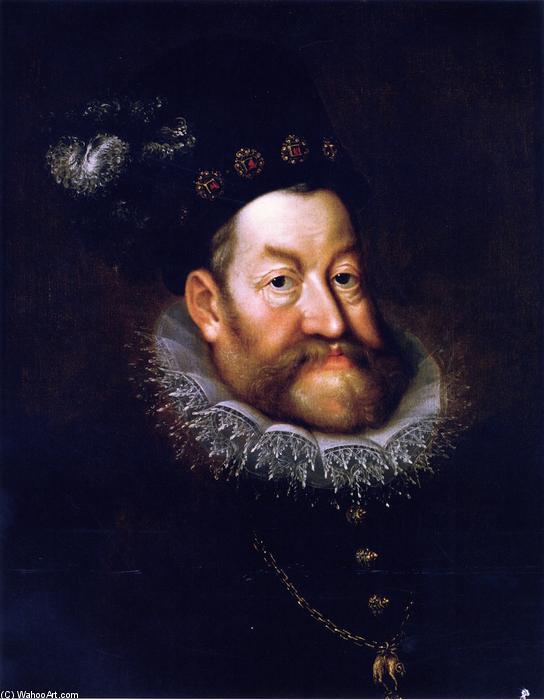
Emperor Rudolf II
 Oil On Canvas
- WallArt
- Northern Mannerism
 1607
1607 60.0 x 58.0 cm
 Музей истории искусств (Вена)
 Читать далее
Жикле / Арт-принт
Печать (жикле) или холст музейного качества с быстрыми сроками изготовления и широким выбором вариантов отделки. ( Купить картину ручной работы Перейти к цифровым изображениям)




P118B $10

P118H $10

P118W $10

P438Z $10

P508JH $12

P508YH $12

P805H $10

P805Z $10

P919BZ $10

P919G $10

P919XJ $10

P959ZH $10

P968JZ $12

W106C $8

W218G $10

W218JH $8

W218Y $10

W307PJ $10

W316G $10

W316PJ $8

W316Y $10

W398PJ $8

W4111J $10

W500HY $15

W500JH $15

W692G $12

W849H $8

W940BG $15

W953PJ $8




Выберите один из наших стандартных размеров, соответствующих оригинальным пропорциям произведения искусства.

Вы можете указать свои собственные размеры, чтобы репродукция идеально подошла под конкретную раму или пространство. Если выбранный вами размер не будет соответствовать пропорциям оригинала, мы либо обрежем произведение, либо дополним изображение зеркальным отражением краев или однотонной заливкой. Перед началом производства вам будет отправлен цифровой макет для утверждения.
Пожалуйста, обратите внимание, что предварительный просмотр на экране не отображает фактическую обрезку или расширение изображения. Только макет точно покажет финальную композицию.
Несмотря на возможность заказа индивидуальных размеров, мы рекомендуем выбирать размер из предопределенного списка, чтобы сохранить оригинальные пропорции.
Доставка по всему миру () за 2 недели вместо стандартных 4/5 недель. (11 Сентябрь)

Бесплатная экспресс-доставка по всему миру

Высококачественный льняной холст

Полное страхование доставки

Гарантия возмещения таможенных пошлин

Гарантия точного соответствия цветов

100-дневная политика возврата (только при обнаружении дефектов)

Гарантия возврата 100% средств

Предложение оптовых скидок
 Вариант со стеклом доступен только для размеров менее 110 см

Emperor Rudolf II
Жикле / Арт-принт
Размер репродукции
-


Итоговая стоимость
$ 62
The Imperial Gaze: Hans von Aachen’s Portrait of Emperor Rudolf II
Hans von Aachen's “Portrait of Emperor Rudolf II,” painted in 1607, is more than just a likeness; it’s a carefully constructed tableau of power, intellect, and the burgeoning anxieties of a man grappling with his role as Holy Roman Emperor. This oil-on-canvas masterpiece, measuring 60 x 58 cm and currently residing within the Kunsthistorisches Museum in Vienna, offers a rare glimpse into the mind of Rudolf II, a ruler renowned for both his lavish patronage of the arts and his ultimately disastrous handling of European politics.
The painting immediately commands attention with its dramatic use of space and light. The Emperor is positioned centrally within a deep, almost impenetrable black background – a deliberate choice that serves to isolate him, elevating him to an almost mythical status. This darkness isn’t merely decorative; it speaks to the weight of his responsibilities, the isolation inherent in leadership, and perhaps even hints at the melancholy that would later define his reign. The focus is entirely on Rudolf's face – a study in controlled severity. His gaze, direct and unwavering, holds an air of contemplative power, suggesting both wisdom and a certain weariness.
A Mannerist Masterpiece: Style and Technique
Von Aachen’s style firmly places this portrait within the realm of Northern Mannerism, a movement characterized by its meticulous detail, elongated figures, and often unsettling psychological depth. He expertly employs the techniques of oil painting to achieve remarkable realism – the texture of the velvet robes, the intricate folds of the ruff collar, and the subtle nuances of Rudolf’s facial features are rendered with astonishing precision. Notice particularly the rendering of the beard and mustache; each strand appears meticulously painted, contributing to a sense of tangible presence.
The artist's use of glazing – layering thin washes of translucent paint over dried layers – creates an incredible luminosity, particularly in the highlights that catch the light on Rudolf’s face. This technique not only enhances the realism but also imbues the portrait with a subtle, almost ethereal quality. The composition itself is carefully balanced, utilizing strong lines to define the contours of the figure and creating a sense of solidity and structure. The restrained palette – dominated by deep reds, browns, and blacks – further emphasizes the formality and gravitas of the subject.
Rudolf II: A Complex Figure
Understanding the historical context surrounding Rudolf II is crucial to appreciating this portrait fully. He was a man of immense wealth and intellectual curiosity, a passionate collector of art, books, and scientific instruments – a veritable Renaissance man who ruled from Prague. However, his reign was marked by political instability, costly wars, and ultimately, the devastating Thirty Years’ War. His eccentricities and seclusion contributed to his inability to effectively govern, leading to widespread discontent and rebellion.
The portrait captures this duality – the outward appearance of imperial authority juxtaposed with an underlying sense of introspection and perhaps even unease. The elaborate ruff collar, a symbol of status and wealth, is offset by the Emperor’s somber expression. It's a visual representation of a man caught between his responsibilities as ruler and his own internal struggles. Interestingly, Rudolf II was particularly fond of eroticized mythological scenes in art, suggesting a hidden sensuality beneath his formal exterior – a theme subtly echoed in some of von Aachen’s other works.
Symbolism and Legacy
Beyond the immediate depiction of Emperor Rudolf II, the portrait is rich in symbolic meaning. The crown, prominently displayed, represents his authority and divine right to rule. The dark background can be interpreted as a metaphor for the challenges he faced – the shadows of war, political intrigue, and personal anxieties that surrounded him. Von Aachen’s meticulous attention to detail reflects the importance placed on appearances during the Renaissance, highlighting the need for rulers to project an image of strength and stability.
“Portrait of Emperor Rudolf II” remains a significant work of art, offering a compelling glimpse into the life and mind of one of Europe's most enigmatic figures. It’s a testament to Hans von Aachen’s skill as a painter and his ability to capture not just a likeness but also the essence of a complex historical personality. Reproductions of this captivating portrait continue to resonate with art lovers today, inviting us to contemplate the burdens of power and the enduring allure of the Renaissance ideal.
Похожие произведения
Биография художника
Ранние годы и обучение
Ганс фон Аахен, выдающийся немецкий живописец, родился в 1552 году в величественном Кёльне. Хотя детали его ранней жизни окутаны тайной, искусствоведы полагают, что его художественное становление проходило в мастерской Леонардуса Зивенховена, известного местного мастера.Художественный стиль и влияния
Творчество фон Аахена — это завораживающий танец ярких красок и драматичных композиций, ставших визитной карточкой маньеризма. Его полотна часто поражают зрителя удлиненными фигурами, невероятной детализацией и ощутимым внутренним напряжением, что несомненно было вдохновлено экспрессией Эль Греко (Доменикосом Теотокопулосом). Среди наиболее значимых шедевров мастера можно выделить:- Распятие (1585) — полотно, демонстрирующее мастерское использование смелых цветовых контрастов и драматичного освещения;
- Страшный суд (1590) — работа, раскрывающая гениальную способность художника гармонично объединять множество фигур в единой сложной композиции;
- Портрет неизвестной дамы (1595) — изысканный портрет, подчеркивающий его дар улавливать тончайшие нюансы человеческой миловидности и эмоций.
Значимые коллекции и выставки
Наследие фон Аахена бережно хранится в крупнейших музейных сокровищницах мира, включая:- Галерею старых мастеров в Дрездене, Германия, где представлена богатейшая коллекция европейской живописи с XV по XVIII века;
- Музей Восточногерманской галереи в Регенсбурге, Германия, представляющий уникальное собрание восточногерманского искусства.
Наследие
Ганс фон Аахен ушел из жизни в 1615 году, оставив после себя наследие из сложных, эмоционально насыщенных полотен. Его творчество продолжает вдохновлять художников и ценителей прекрасного, предлагая нам уникальное окно в изысканный мир маньеристского искусства. Узнайте больше о жизни и творчестве Ганса фон Аахена на ArtsDot.com: [https://ArtsDot.com/@@/a@d3aquv](https://ArtsDot.com/@@/a@d3aquv) | открывая для себя Музей Восточногерманской галереи (Германия)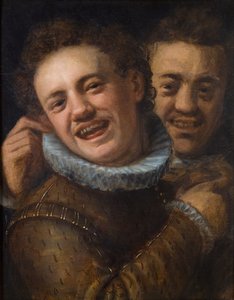
Ганс Фон Аахен
1552 - 1615 , Германия
Основные сведения
- Artistic Movement Or Style: Маньеризм
- Artists Or Movements Influenced By This Artist: ['Искусство Ренессанса']
- Artists Who Influenced This Artist: ['Эль Греко']
- Date Of Birth: 1552, Кёльн, Германия
- Date Of Death: 1615
- Full Name: Ганс фон Аахен
- Nationality: Немец
- Notable Artworks:
- Распятие
- Страшный суд
- Портрет неизвестной дамы
- Place Of Birth: Кёльн
Похожие статьи
Anton von Werner: Imperial Painter, Historical Witness & Shifting German Identity
Explore the life & work of Anton von Werner, Imperial Germany's leading painter. Discover his dramatic depictions of war, unification, and court life – a fascinating insight into 19th-century German history & art.
Friedrich von Amerling: Capturing Viennese Aristocracy & the Biedermeier Spirit
Explore the elegant portraits of Friedrich von Amerling, a master of Viennese Biedermeier art. Discover his life, style, and lasting influence on 19th-century Austrian painting. Find high-quality reproductions at ArtsDot.
Hans Holbein the Younger: A Renaissance Portraitist's Mastery of Realism & Psychological Insight
Explore the life & art of Hans Holbein the Younger, a Renaissance master renowned for his strikingly realistic portraits and psychological insight. Discover iconic works like 'The Ambassadors' and delve into his lasting legacy.
Hans von Aachen: Mannerism's Courtly Visionary & Imperial Portraiture
Explore the captivating world of Hans von Aachen, a leading Mannerist painter renowned for his exquisite imperial portraits & mythological scenes. Discover his legacy and influence on 16th-century European art.
Eugen von Blaas: Capturing Alpine Life & Sentiment in 19th-Century Austrian Painting
Discover the captivating world of Eugen von Blaas! Explore his exquisite 19th-century paintings capturing Venetian life & Alpine beauty. Learn about his Academic Classicism style and find museum-quality reproductions at ArtsDot.