


 Предпросмотр
 Поделиться
 Поделиться
 Детали произведения

 Скачать
 Похожие работы
 Рентгенография
 Слайд-шоу
 Статистика
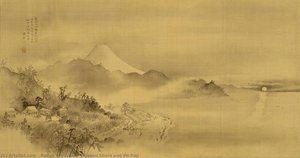
View of Mt. Fuji and Miho-no-Matsubara

 Читать далее
Приобретите цифровое изображение высокого разрешения в улучшенном качестве, которое значительно превосходит онлайн-превью.
Каждый файл тщательно подготавливается нашими специалистами с использованием передовых инструментов и экспертной ручной ретуши. Мы гарантируем исключительную четкость, точную цветопередачу и детальную проработку каждого изображения.
Финальный файл доставляется по электронной почте в течение 72 часов и оптимизирован для немедленного использования в профессиональной среде, при верстке и печати. Это тот же уровень качества, которому доверяют ведущие дизайнерские студии, издательства и галереи.
Цифровое изображение
Скачайте файл высокого разрешения для личного использования, печати и творческих проектов. ( Перейти к печати Купить картину ручной работы)
Включено в каждый заказ цифровых изображений
Гарантия экспертной цифровой доставки
Выбирая ArtsDot.com, вы получаете не просто изображение — вы приобретаете профессионально обработанное цифровое произведение искусства, созданное с безупречной точностью и под защитой гарантии качества. Вот всё, что автоматически входит в ваш заказ:

Мгновенная доставка по e-mail
Ваш цифровой файл в высоком разрешении будет отправлен вам по электронной почте в течение 72 часов после оформления заказа — и сразу станет доступен для использования.

Цифровой файл с ИИ-улучшением
Ваше произведение искусства проходит профессиональную оптимизацию с использованием передовых инструментов ИИ и ручной обработки, что гарантирует максимальную детализацию, четкость и точность цветопередачи.

Бессрочная бесплатная повторная доставка
Случайно удалили или потеряли файл? Не беспокойтесь — мы отправим его вам повторно в любое время и совершенно бесплатно.

Без импортных пошлин — навсегда
Наслаждайтесь вашим произведением искусства мгновенно без таможенных пошлин, сборов или затрат на доставку — цифровые загрузки всегда не облагаются налогом.

Гарантия точности цветопередачи
Мы гарантируем, что ваше цифровое изображение максимально точно передает оригинальные цвета благодаря использованию профессиональных инструментов и систем управления цветом.

Гарантия удовлетворенности 100 дней
Если вы не будете удовлетворены своим цифровым изображением, мы внесем правки или вернем 100% стоимости в течение 100 дней — без лишних вопросов.

100% Гарантия возврата средств
Не удовлетворены покупкой? Получите полный возврат средств в течение 100 дней после получения цифрового файла — без лишних вопросов.

Скидки на оптовые заказы
Купите 3 изображения, сэкономьте 10% — Купите 5, сэкономьте 15% — Купите 10+, сэкономьте 20%. Отличное решение для творческих проектов, галерей и агентств.
Похожие произведения
Биография художника
Hara Zaichū: The Quiet Master of Kyoto’s Artistic Heart
Hara Zaichū (1750-1837), born Hara Chien, stands as a pivotal figure in Japanese art history – the founding patriarch of the esteemed Hara School. His life unfolded entirely within the serene landscapes of Kyoto, a city that profoundly shaped his artistic vision and served as the enduring backdrop for his remarkable career. Unlike many artists who sought fortune or fame beyond their birthplace, Zaichū remained deeply rooted in Kyoto, dedicating himself to honing his craft and quietly influencing generations of painters. His story is one of quiet dedication, masterful technique, and a profound connection to Buddhist principles, all expressed through the evocative beauty of ink and color on silk.Early Life and Artistic Training
Zaichū’s origins were far removed from the world of high art. His family were sake brewers, a humble profession that nonetheless instilled in him a strong work ethic and an appreciation for detail – qualities he would later translate into his paintings. However, Zaichū harbored a fervent passion for painting, a desire that superseded familial expectations. Recognizing this dedication, he sought out the most prestigious artistic training available at the time: the Kanō School. Under the tutelage of the renowned master painter Ishida Yutei (1721–86), Zaichū immersed himself in the rigorous techniques and traditions of classical Japanese painting. Crucially, he also benefited from instruction in Buddhist painting by Yamamoto Tan’en (d. 1816), a connection that profoundly shaped his artistic sensibilities and informed many of his subjects. This dual training – mastering the formal structures of the Kanō School while absorbing the spiritual depth of Buddhist art – proved to be the bedrock of his unique style. It's also worth noting that Zaichū had access to, and studied alongside, Maruyama Ōkyo (1733–95), a figure whose influence on Japanese painting is undeniable, though the precise nature of their relationship remains debated by scholars.The Development of the Hara School
Following Ishida Yutei’s death in 1786, Zaichū assumed leadership of his studio, effectively establishing the Hara School. Unlike many other schools that rigidly adhered to established lineages and techniques, the Hara School embraced a more flexible approach. While retaining core elements of Kanō painting – meticulous brushwork, precise composition, and a deep understanding of perspective – Zaichū subtly infused it with his own distinctive style. He favored landscapes and figures, often depicting scenes of quiet contemplation and natural beauty. His paintings are characterized by a remarkable sense of atmosphere, achieved through the skillful layering of ink washes and subtle color variations. A key element of the Hara School’s philosophy was its emphasis on *shitsuga* (質画) – innate artistic talent – combined with *gakuga* (学画) – learned technique. Pupils were rigorously trained in copying exemplary works, a process designed to cultivate both technical proficiency and an appreciation for aesthetic ideals.Themes and Style
Zaichū’s paintings are renowned for their serene beauty and profound sense of atmosphere. He frequently depicted landscapes – mountains shrouded in mist, rivers flowing through valleys, and gardens teeming with life – often imbued with a subtle spiritual quality. Figures appeared less frequently than landscapes, but when present, they were typically rendered with quiet dignity and an air of contemplation. His use of ink was masterful, creating delicate washes that conveyed texture, light, and shadow with remarkable subtlety. He skillfully employed color to enhance the mood and atmosphere of his scenes, favoring muted tones and harmonious palettes. A hallmark of Zaichū’s style is his ability to capture the essence of a scene – not merely its physical appearance, but also its underlying spirit or feeling. His work reflects a deep appreciation for nature and a profound understanding of Buddhist principles, particularly the concept of *wabi-sabi* – finding beauty in imperfection and transience.Legacy and Influence
Hara Zaichū’s influence extended far beyond his own lifetime. He served as an imperial court painter, contributing paintings to various temples and shrines throughout Kyoto, including the Kyoto Imperial Palace. His work helped to shape the artistic landscape of Kyoto during the Edo period, establishing a distinct aesthetic that would be carried on by subsequent generations of Hara School painters. The school continued to thrive for over a century after Zaichū’s death, producing numerous talented artists who further refined and developed his legacy. Today, Zaichū is remembered as one of Japan's most important landscape painters, a master of ink and color whose work continues to inspire admiration and appreciation. His quiet dedication, combined with exceptional artistic skill, cemented his place as the founder of a school that profoundly impacted Japanese art history.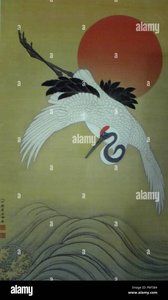
hara zaichū
1750 - 1837 , Japan
Основные сведения
- Artistic Movement Or Style: Hara School painter
- Artists Or Movements Influenced By This Artist:
- Kanō School
- Hara School
- Artists Who Influenced This Artist:
- Ishida Yutei
- Yamamoto Tan'en
- Date Of Birth: 1750
- Date Of Death: 1837
- Full Name: Hara Zaichū (致遠)
- Nationality: Japanese
- Notable Artworks:
- Ink landscapes
- Figure paintings
- Buddhist art
- Place Of Birth: Kyoto, Japan