

 Предпросмотр
 Поделиться
 Поделиться
 Детали произведения

 Скачать
 Похожие работы
 Рентгенография
 Слайд-шоу
 Статистика
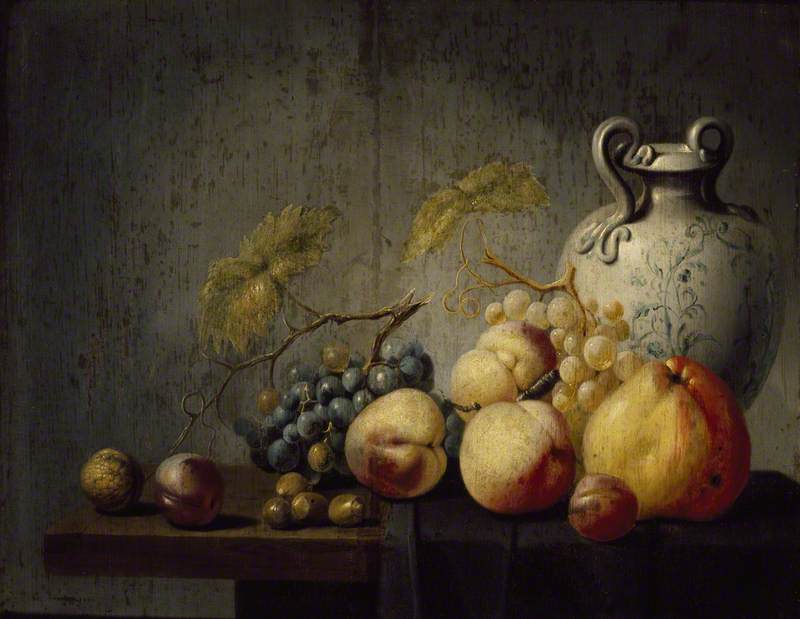
Still Life with Fruit
 1649
1649 41.0 x 52.0 cm
 Ашмолеанский музей искусств и археологии
 Читать далее
Приобретите цифровое изображение высокого разрешения в улучшенном качестве, которое значительно превосходит онлайн-превью.
Каждый файл тщательно подготавливается нашими специалистами с использованием передовых инструментов и экспертной ручной ретуши. Мы гарантируем исключительную четкость, точную цветопередачу и детальную проработку каждого изображения.
Финальный файл доставляется по электронной почте в течение 72 часов и оптимизирован для немедленного использования в профессиональной среде, при верстке и печати. Это тот же уровень качества, которому доверяют ведущие дизайнерские студии, издательства и галереи.
Цифровое изображение
Скачайте файл высокого разрешения для личного использования, печати и творческих проектов. ( Перейти к печати Купить картину ручной работы)
Включено в каждый заказ цифровых изображений
Гарантия экспертной цифровой доставки
Выбирая ArtsDot.com, вы получаете не просто изображение — вы приобретаете профессионально обработанное цифровое произведение искусства, созданное с безупречной точностью и под защитой гарантии качества. Вот всё, что автоматически входит в ваш заказ:

Мгновенная доставка по e-mail
Ваш цифровой файл в высоком разрешении будет отправлен вам по электронной почте в течение 72 часов после оформления заказа — и сразу станет доступен для использования.

Цифровой файл с ИИ-улучшением
Ваше произведение искусства проходит профессиональную оптимизацию с использованием передовых инструментов ИИ и ручной обработки, что гарантирует максимальную детализацию, четкость и точность цветопередачи.

Бессрочная бесплатная повторная доставка
Случайно удалили или потеряли файл? Не беспокойтесь — мы отправим его вам повторно в любое время и совершенно бесплатно.

Без импортных пошлин — навсегда
Наслаждайтесь вашим произведением искусства мгновенно без таможенных пошлин, сборов или затрат на доставку — цифровые загрузки всегда не облагаются налогом.

Гарантия точности цветопередачи
Мы гарантируем, что ваше цифровое изображение максимально точно передает оригинальные цвета благодаря использованию профессиональных инструментов и систем управления цветом.

Гарантия удовлетворенности 100 дней
Если вы не будете удовлетворены своим цифровым изображением, мы внесем правки или вернем 100% стоимости в течение 100 дней — без лишних вопросов.

100% Гарантия возврата средств
Не удовлетворены покупкой? Получите полный возврат средств в течение 100 дней после получения цифрового файла — без лишних вопросов.

Скидки на оптовые заказы
Купите 3 изображения, сэкономьте 10% — Купите 5, сэкономьте 15% — Купите 10+, сэкономьте 20%. Отличное решение для творческих проектов, галерей и агентств.
Похожие произведения




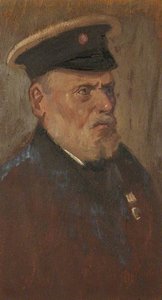


Биография художника
Harmen van Steenwyck: The Silent Narrator of Dutch Still Life
The world of 17th-century Dutch painting is a rich tapestry woven with vibrant colors, dramatic light, and profound symbolism. Within this captivating landscape stands Harmen van Steenwyck (c. 1612 – after 1656), a master of the still life genre whose works offer a poignant meditation on mortality, wealth, and the fleeting nature of earthly pleasures. Often overshadowed by his more flamboyant contemporaries, Steenwyck’s contribution to Dutch art is one of quiet intensity—a subtle yet deeply resonant exploration of *vanitas*, the concept that reminds us of our inevitable demise.
Born in Delft, a city renowned for its artistic heritage and burgeoning commercial activity, Steenwyck's early life remains somewhat shrouded in mystery. He was the son of Evert Harmensz., a spectacle and lens maker, and Helena Gijsbrecht van der Spiegel. His family’s connection to craftsmanship likely instilled within him an appreciation for detail and meticulous observation – qualities that would become hallmarks of his artistic style. Crucially, he received his initial training from his uncle, David Bailly, a highly respected still life painter who had established himself in Leiden. Bailly's influence was significant; he introduced Steenwyck to the principles of *vanitas* painting, a genre gaining prominence during this period as a reflection of the Protestant Reformation’s emphasis on humility and spiritual awareness.
The Language of Still Life
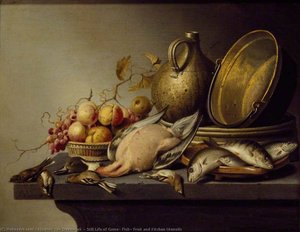
Steenwyck’s paintings are characterized by an extraordinary realism—a meticulous rendering of textures, colors, and forms that borders on photographic accuracy. He wasn't interested in simply depicting objects; he sought to capture their essence, imbuing them with a sense of life and decay. His compositions typically feature arrangements of fruit, game, kitchenware, books, musical instruments, and other everyday items—each carefully chosen to convey a specific message about the transience of earthly possessions and the inevitability of death. Unlike some of his contemporaries who embraced elaborate theatrical displays, Steenwyck favored a more restrained approach, employing subtle gradations of light and shadow to create a sense of depth and atmosphere.
A key element of Steenwyck’s style is his masterful use of *chiaroscuro*, the dramatic contrast between light and dark. This technique not only enhances the realism of his paintings but also serves to draw attention to specific objects within the composition, highlighting their symbolic significance. He often employed a muted color palette—earthy browns, ochres, and greens—to create a somber mood that reinforces the *vanitas* theme. The brushstrokes themselves are remarkably subtle, almost invisible, contributing to the overall sense of quiet contemplation.
Key Works and Influences
Among Steenwyck’s most celebrated works is “Still Life of Kitchen Utensils with Fruit and Game” (c. 1640), currently housed in the National Gallery, London. This painting exemplifies his mastery of realism and his ability to imbue ordinary objects with profound meaning. The arrangement of the fruit, game, and kitchenware—a skull, a book, a flute—creates a powerful visual metaphor for the fleeting nature of life and the futility of worldly pursuits. The inclusion of a small, intricately carved wooden figure further emphasizes this theme, suggesting that even the most beautiful and valuable objects are ultimately destined to decay.
Steenwyck’s work was influenced by several key figures in the Dutch art world. David Bailly, his uncle, undoubtedly played a crucial role in shaping his artistic vision. He also drew inspiration from other masters of *vanitas*, such as Jan Davidsz de Heem and Willem Kalf, though he developed a distinctly more restrained and melancholic style. The influence of Pieter Claesz is also evident in Steenwyck’s meticulous attention to detail and his use of light and shadow.
Legacy and Historical Significance
Despite not achieving the same level of fame as some of his contemporaries, Harmen van Steenwyck remains a significant figure in the history of Dutch still life painting. His works offer a unique perspective on the *vanitas* theme—a poignant reminder of our mortality and the importance of living a virtuous life. His paintings are not merely decorative objects; they are profound meditations on the human condition, inviting viewers to contemplate their own place within the vastness of time.
Steenwyck’s legacy endures through his masterful technique, his evocative symbolism, and his quiet intensity. His works continue to resonate with audiences today, reminding us that even in a world obsessed with material possessions and fleeting pleasures, there is always room for reflection on the deeper truths of life and death.
harmen van steenwyck
1612 - 1656
Основные сведения
- Artistic Movement Or Style: Vanitas Still Life
- Artists Or Movements Influenced By This Artist: ['Dutch Realism']
- Artists Who Influenced This Artist: ['David Bailly']
- Date Of Birth: c. 1612
- Date Of Death: after 1656
- Full Name: Harmen Steenwijck
- Nationality: Dutch
- Notable Artworks:
- Still Life of Kitchen Utensils
- Still Life of Game, Fish...
- Still Life of Fish...
- Place Of Birth: Delft, Netherlands