

 Поделиться
 Поделиться
 Детали произведения

 Скачать
 Похожие работы
 Слайд-шоу
 Статистика
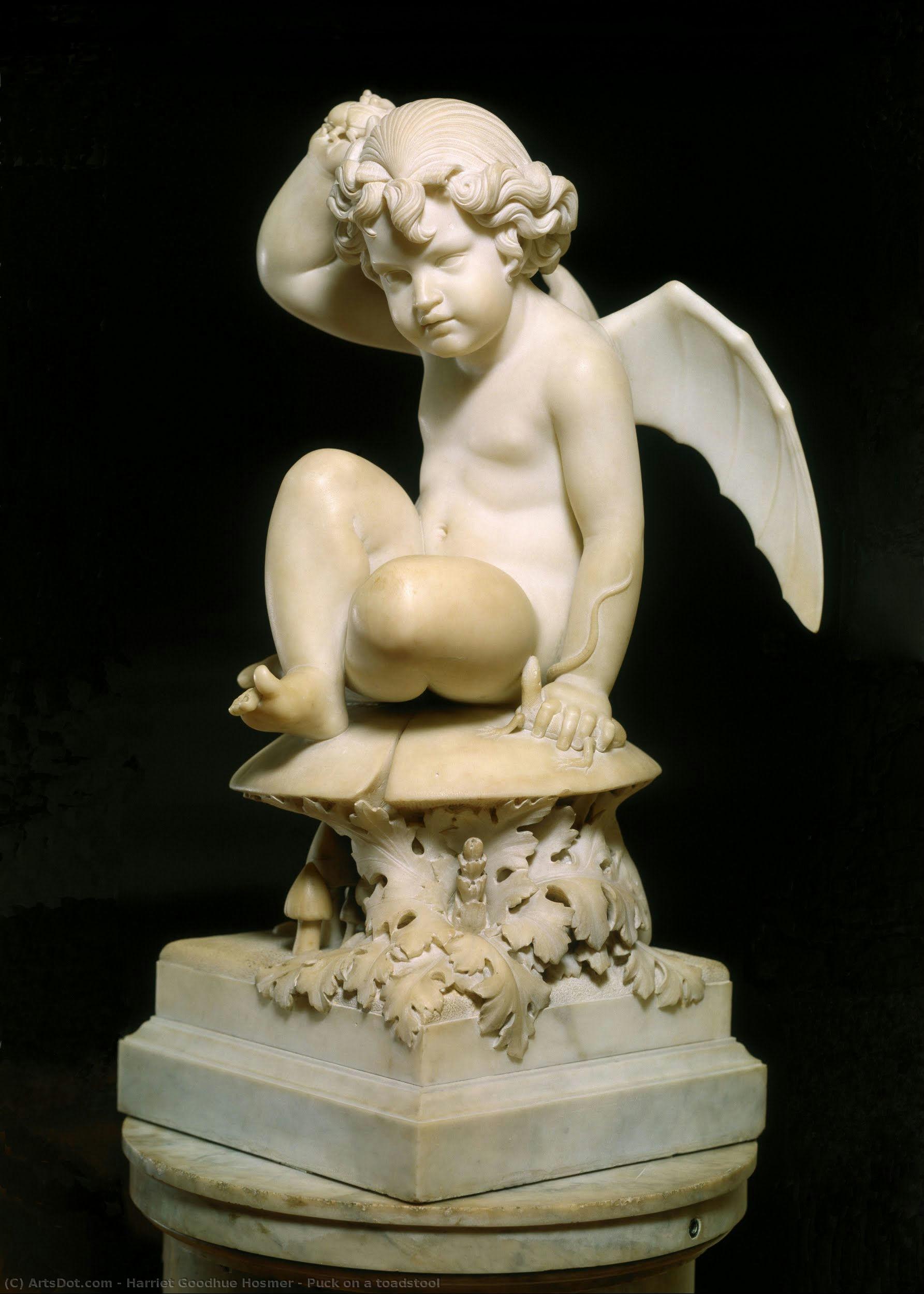
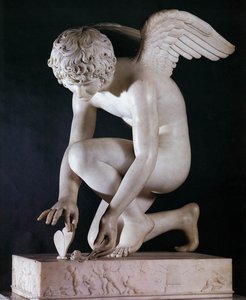
Puck on a toadstool


 Читать далее
Жикле / Арт-принт
Печать (жикле) или холст музейного качества с быстрыми сроками изготовления и широким выбором вариантов отделки. ( Купить картину ручной работы Перейти к цифровым изображениям)




































Выберите один из наших стандартных размеров, соответствующих оригинальным пропорциям произведения искусства.

Вы можете указать свои собственные размеры, чтобы репродукция идеально подошла под конкретную раму или пространство. Если выбранный вами размер не будет соответствовать пропорциям оригинала, мы либо обрежем произведение, либо дополним изображение зеркальным отражением краев или однотонной заливкой. Перед началом производства вам будет отправлен цифровой макет для утверждения.
Пожалуйста, обратите внимание, что предварительный просмотр на экране не отображает фактическую обрезку или расширение изображения. Только макет точно покажет финальную композицию.
Несмотря на возможность заказа индивидуальных размеров, мы рекомендуем выбирать размер из предопределенного списка, чтобы сохранить оригинальные пропорции.
Доставка по всему миру () за 2 недели вместо стандартных 4/5 недель. (11 Сентябрь)

Бесплатная экспресс-доставка по всему миру

Высококачественный льняной холст

Полное страхование доставки

Гарантия возмещения таможенных пошлин

Гарантия точного соответствия цветов

100-дневная политика возврата (только при обнаружении дефектов)

Гарантия возврата 100% средств

Предложение оптовых скидок
 Вариант со стеклом доступен только для размеров менее 110 см

Puck on a toadstool
Жикле / Арт-принт
Размер репродукции
-


Итоговая стоимость
$ 62
Harriet Hosmer’s Puck on a Toadstool: A Symbol of Mischief and Artistic Innovation
Harriet Goodhue Hosmer (1830–1908) stands as an extraordinary figure in American art history—the first professional female sculptor to achieve widespread recognition. Her legacy extends beyond mere biographical details; it resides in her pioneering spirit, her unwavering dedication to craft, and her ability to transform classical ideals into emotionally resonant artworks. Among her celebrated creations is “Puck on a Toadstool,” a marble sculpture produced around 1856 that embodies both the stylistic conventions of Neoclassicism and Hosmer’s distinctive artistic vision.
- Subject Matter: The sculpture depicts Puck, one of Shakespeare's mischievous sprites from *A Midsummer Night’s Dream*, capturing a moment of playful defiance against established order. This choice reflects the Romantic fascination with folklore and mythology—a trend that sought to counter the rigid formalism of earlier artistic movements.
- Style: Hosmer adhered rigorously to Neoclassical principles, mirroring the aesthetic ideals championed by artists like Antonio Canova. The sculpture’s smooth surfaces, idealized proportions, and restrained drapery exemplify the movement's commitment to clarity and elegance—a deliberate rejection of Baroque excess.
- Technique: Crafted from Carrara marble—a material prized for its purity and translucency—the statue demonstrates Hosmer’s mastery of sculptural technique. The artist skillfully employed chisel and mallet to carve intricate details into the stone, achieving a remarkable level of realism despite the sculpture's stylized form.
Historical Context: Hosmer’s work emerged during a period of significant social change in America—the burgeoning Victorian era witnessed growing debates about women’s roles in society. Despite facing considerable prejudice and obstacles, Hosmer persevered in her artistic pursuits, establishing herself as a respected sculptor and demonstrating the transformative potential of female creativity.
Symbolism: Puck represents more than just a literary character; he embodies the spirit of rebellion against convention—a theme that resonates throughout Hosmer’s oeuvre. The toadstool serves as an earthy counterpoint to Puck's ethereal presence, symbolizing both vulnerability and resilience—elements that contribute to the sculpture’s enduring appeal.
Emotional Impact: “Puck on a Toadstool” evokes feelings of wonder, amusement, and contemplation. Hosmer’s ability to convey emotion through form and texture elevates the sculpture beyond mere visual representation—transforming it into an evocative meditation on beauty, imagination, and the human condition. It continues to inspire viewers with its graceful composition and masterful execution.
Provenance: The sculpture is currently housed in the Grand Courts collection of the Art Gallery of NSW, Sydney, having been bequeathed by Judge Josephson in 1892. Its acquisition represents a significant contribution to Australia’s artistic heritage—a testament to Hosmer's enduring influence on American sculpture and art history.
Похожие произведения

Биография художника
Harriet Goodhue Hosmer: A Pioneering Sculptor
- Born: October 9, 1830, Watertown, Massachusetts
- Died: February 21, 1908
- Nationality: American
- Artistic Movement: Neoclassical
Early Life and Education
- Harriet Goodhue Hosmer's early life was marked by tragedy; she lost her mother and three siblings to tuberculosis during childhood.
- Her father, Dr. Hiram Hosmer, encouraged her physical activity and artistic inclinations. He provided her with anatomical instruction, laying the foundation for her sculptural pursuits.
- She attended Sedgewick School in Lenox, Massachusetts.
- Hosmer demonstrated an early aptitude for modeling, further developing her skills through private lessons at Missouri Medical College under Dr. Joseph Nash McDowell.
- In 1852, she traveled to Rome with her father and Charlotte Cushman, where she studied sculpture under the renowned Welsh sculptor John Gibson from 1853 to 1860. This period was crucial for her artistic development, providing access to live models and exposure to classical art.
Artistic Style and Major Works
- Neoclassical Influence: Hosmer's work is firmly rooted in the Neoclassical style, characterized by its emphasis on idealized forms, balanced compositions, and a revival of ancient Greek and Roman aesthetics.
- Mythological Subjects: She frequently depicted figures from mythology, imbuing them with nobility and grandeur.
- Notable Works:
- The Sleeping Faun: Perhaps her most famous work, showcasing intricate details of hair, grapes, and draped cloth.
- Oenone: A sculpture that exemplifies her romantic pathos and erudition.
- Beatrice Cenci: A powerful portrayal of a historical figure.
- Zenobia, Queen of Palmyra: Demonstrates her ability to capture strength and authority in her figures.
- Technical Innovations: Hosmer pioneered a process for converting limestone into marble, demonstrating her ingenuity and technical skill. She also developed a wax-on-plaster modeling technique.
Influence and Historical Significance
- First Female Professional Sculptor: Hosmer is widely recognized as the first female professional sculptor in America, breaking down barriers for women in the art world.
- "White Marmorean Flock": She was part of a group of American female sculptors living and working in Rome, often referred to as the "White Marmorean Flock."
- Role Model: Hosmer served as an inspiration for subsequent generations of women artists, demonstrating that women could achieve artistic excellence.
- Friendships with Prominent Figures: Her close relationships with writers like Nathaniel Hawthorne and Robert Browning fostered a vibrant intellectual environment and contributed to her social standing. Hawthorne even drew inspiration from her character in his novel *The Marble Faun*.
Later Years and Legacy
- Hosmer continued to create art and explore scientific interests later in life, including inventions and writings on Spiritualism.
- She lived in Chicago and Terre Haute, Indiana before returning to the United States.
- Her legacy endures as a testament to her artistic talent, pioneering spirit, and contribution to American sculpture. Her works are found in museums worldwide, solidifying her place in art history.
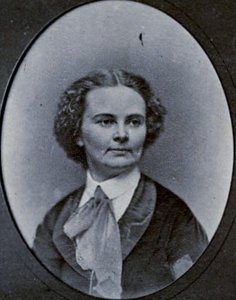
harriet goodhue hosmer
1830 - 1908 , United States of America
Основные сведения
- Artistic Movement Or Style: Neoclassical
- Artists Who Influenced This Artist: ['John Gibson']
- Date Of Birth: October 9, 1830
- Date Of Death: February 21, 1908
- Full Name: Harriet Goodhue Hosmer
- Nationality: American
- Notable Artworks:
- Sleeping Faun
- Oenone
- Beatrice Cenci
- Zenobia
- Place Of Birth: Watertown, United States
Похожие статьи
Antonio Canova: Neoclassical Sculpture & the Pursuit of Emotional Perfection
Explore the life & art of Antonio Canova, the greatest Neoclassical sculptor. Discover his masterpieces, innovative techniques, and lasting influence on fine art collecting. Expert insights for discerning investors.

10 легендарных бронзовых шедевров, изменивших искусство | ArtsDot
Погрузитесь в мир великих бронзовых шедевров! От Давида Донателло до Мыслителя Родена – узнайте историю создания, технику и значение легендарных скульптур. Вдохновение для интерьера и музейное качество репродукций на ArtsDot.com.

The Enduring Form: Exploring Themes & Techniques in Sculpture Across Historical Periods
Explore the rich history of sculpture from ancient masterpieces to contemporary innovations. Discover key techniques, influential artists & investment potential for discerning art collectors.

10 легендарных бронзовых скульптур, изменивших искусство навсегда | ArtsDot
Погрузитесь в мир великих бронзовых скульптур! От Давида Микеланджело до работ Родена – история искусства, техники и вдохновения. Купите репродукции шедевров для вашего интерьера на ArtsDot.com

The Enduring Form: Sculpture Across History, Technique & Emotional Resonance
Explore the rich history of sculpture with ArtsDot. Discover key techniques, influential artists & investment potential for discerning collectors. Expert insights into valuing and collecting timeless masterpieces.