

 Предпросмотр
 Поделиться
 Поделиться
 Детали произведения

 Скачать
 Похожие работы
 Рентгенография
 Слайд-шоу
 Статистика
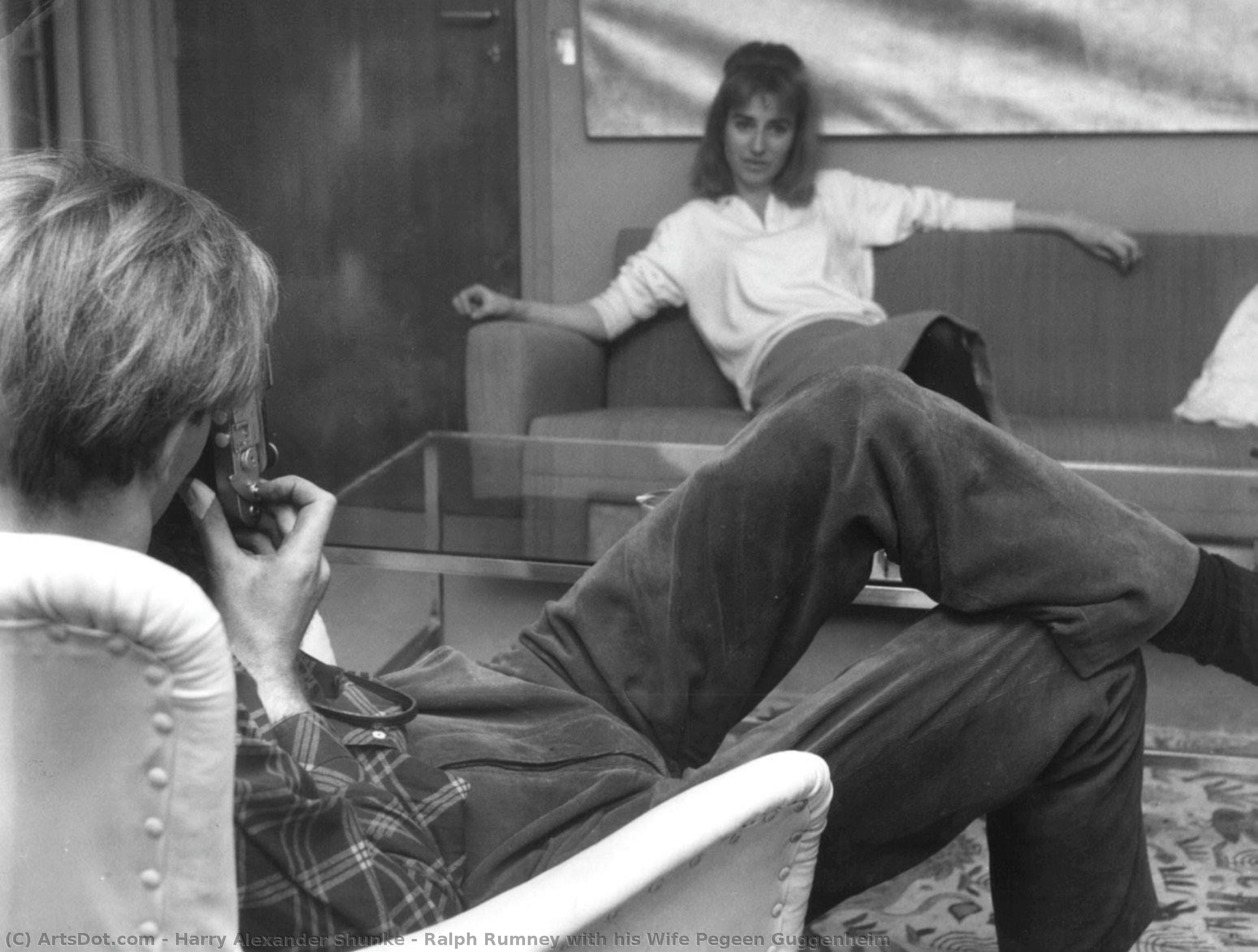
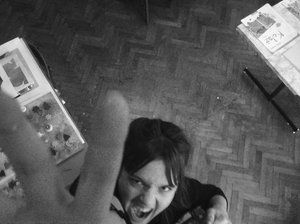
Ralph Rumney with his Wife Pegeen Guggenheim


 Читать далее
Приобретите цифровое изображение высокого разрешения в улучшенном качестве, которое значительно превосходит онлайн-превью.
Каждый файл тщательно подготавливается нашими специалистами с использованием передовых инструментов и экспертной ручной ретуши. Мы гарантируем исключительную четкость, точную цветопередачу и детальную проработку каждого изображения.
Финальный файл доставляется по электронной почте в течение 72 часов и оптимизирован для немедленного использования в профессиональной среде, при верстке и печати. Это тот же уровень качества, которому доверяют ведущие дизайнерские студии, издательства и галереи.
Цифровое изображение
Скачайте файл высокого разрешения для личного использования, печати и творческих проектов. ( Перейти к печати Купить картину ручной работы)
Включено в каждый заказ цифровых изображений
Гарантия экспертной цифровой доставки
Выбирая ArtsDot.com, вы получаете не просто изображение — вы приобретаете профессионально обработанное цифровое произведение искусства, созданное с безупречной точностью и под защитой гарантии качества. Вот всё, что автоматически входит в ваш заказ:

Мгновенная доставка по e-mail
Ваш цифровой файл в высоком разрешении будет отправлен вам по электронной почте в течение 72 часов после оформления заказа — и сразу станет доступен для использования.

Цифровой файл с ИИ-улучшением
Ваше произведение искусства проходит профессиональную оптимизацию с использованием передовых инструментов ИИ и ручной обработки, что гарантирует максимальную детализацию, четкость и точность цветопередачи.

Бессрочная бесплатная повторная доставка
Случайно удалили или потеряли файл? Не беспокойтесь — мы отправим его вам повторно в любое время и совершенно бесплатно.

Без импортных пошлин — навсегда
Наслаждайтесь вашим произведением искусства мгновенно без таможенных пошлин, сборов или затрат на доставку — цифровые загрузки всегда не облагаются налогом.

Гарантия точности цветопередачи
Мы гарантируем, что ваше цифровое изображение максимально точно передает оригинальные цвета благодаря использованию профессиональных инструментов и систем управления цветом.

Гарантия удовлетворенности 100 дней
Если вы не будете удовлетворены своим цифровым изображением, мы внесем правки или вернем 100% стоимости в течение 100 дней — без лишних вопросов.

100% Гарантия возврата средств
Не удовлетворены покупкой? Получите полный возврат средств в течение 100 дней после получения цифрового файла — без лишних вопросов.

Скидки на оптовые заказы
Купите 3 изображения, сэкономьте 10% — Купите 5, сэкономьте 15% — Купите 10+, сэкономьте 20%. Отличное решение для творческих проектов, галерей и агентств.
Похожие произведения






Биография художника
A Witness to Transformation: The Life and Legacy of Harry Shunk
Harry Alexander Shunk, born in Reuthen, Germany in 1924 and passing away in obscurity in Westbeth, New York City in 2006, was more than just a photographer; he was a chronicler of an era. While his name may not be as instantly recognizable as some of the artists he documented, Shunk’s contribution to art history is profound. He, alongside his long-time collaborator János Kender, formed the partnership “Shunk-Kender,” and together they created an unparalleled visual record of the burgeoning avant-garde scene in New York and Europe during the 1960s and 70s. Their work wasn’t about creating art *objects* themselves, but rather capturing the ephemeral moments of artistic creation, the energy of a movement, and the personalities that defined it.The Shunk-Kender Collaboration: Documenting a Revolution
Shunk's partnership with János Kender began around 1957/58 and lasted until 1973. This wasn’t simply a professional arrangement; it was a symbiotic relationship built on shared vision and an almost anthropological approach to their subject matter. They were hired by artists, dealers, and galleries not merely to photograph finished works, but to document the *process* – the messy, chaotic, often spontaneous acts of creation that lay behind them. This meant capturing Andy Warhol clutching flowers at openings, Yayoi Kusama immersed in her own installations, Yves Klein’s performative paintings with nude models covered in blue pigment, and countless others pushing the boundaries of artistic expression. Their photographs weren't staged; they were snapshots of reality, imbued with a raw energy that traditional art photography often lacked. They captured hundreds of artists at work, offering an intimate glimpse into their studios, exhibitions, and daily lives. The duo’s unique style—often black-and-white, direct, and unglamorous—became synonymous with the spirit of the time.A Shift in Focus: From Collaboration to Individual Pursuit
The dissolution of Shunk-Kender in 1973 marked a turning point for Harry Shunk. Remarkably, Kender ceded control of their joint archive to Shunk, allowing him to continue working with the material and pursue his own photographic endeavors for another three decades. This decision speaks volumes about the respect and understanding between the two artists. While the collaborative period defined much of Shunk’s early recognition, he didn't simply rest on past laurels. He continued to photograph, though perhaps with a more individual focus, building upon the foundation established during his partnership with Kender.Rediscovery and Lasting Influence
For years, Shunk lived a relatively quiet life after the breakup of the collaboration, largely unknown outside of art circles. However, in recent decades, there has been a significant resurgence of interest in his work—and that of Shunk-Kender as a whole. The 2013 donation of the Harry Shunk and Shunk-Kender Photography Collection by the Roy Lichtenstein Foundation to five major institutions – the Getty Research Institute, the Museum of Modern Art, the National Gallery of Art, the Tate, and the Pompidou Center – was pivotal in bringing their work back into the spotlight. This gift, comprising over 200,000 prints and negatives, provided unprecedented access to a treasure trove of images documenting a crucial period in art history. The photographs offer invaluable insights into the creative processes of some of the most important artists of the 20th century, revealing the often-unseen labor, collaboration, and experimentation that fueled their iconic works.The Significance of Documentation
Harry Shunk’s legacy lies not in a distinctive photographic style—though his work is certainly recognizable—but in the importance of documentation itself. He understood that art wasn't confined to the finished product; it existed within a broader context of social interaction, performance, and intellectual exchange. By capturing these fleeting moments, he preserved a vital record of an era characterized by radical experimentation and artistic innovation. His photographs are not simply images *of* art; they are documents *about* art—its creation, its reception, and its place within the cultural landscape. Shunk-Kender’s work continues to inspire artists, scholars, and collectors alike, reminding us that the story behind the artwork is often as compelling as the artwork itself.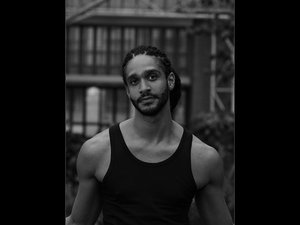
harry alexander shunke
1924 - 2006