

 Предпросмотр
 Поделиться
 Поделиться
 Детали произведения

 Скачать
 Похожие работы
 Рентгенография
 Слайд-шоу
 Статистика
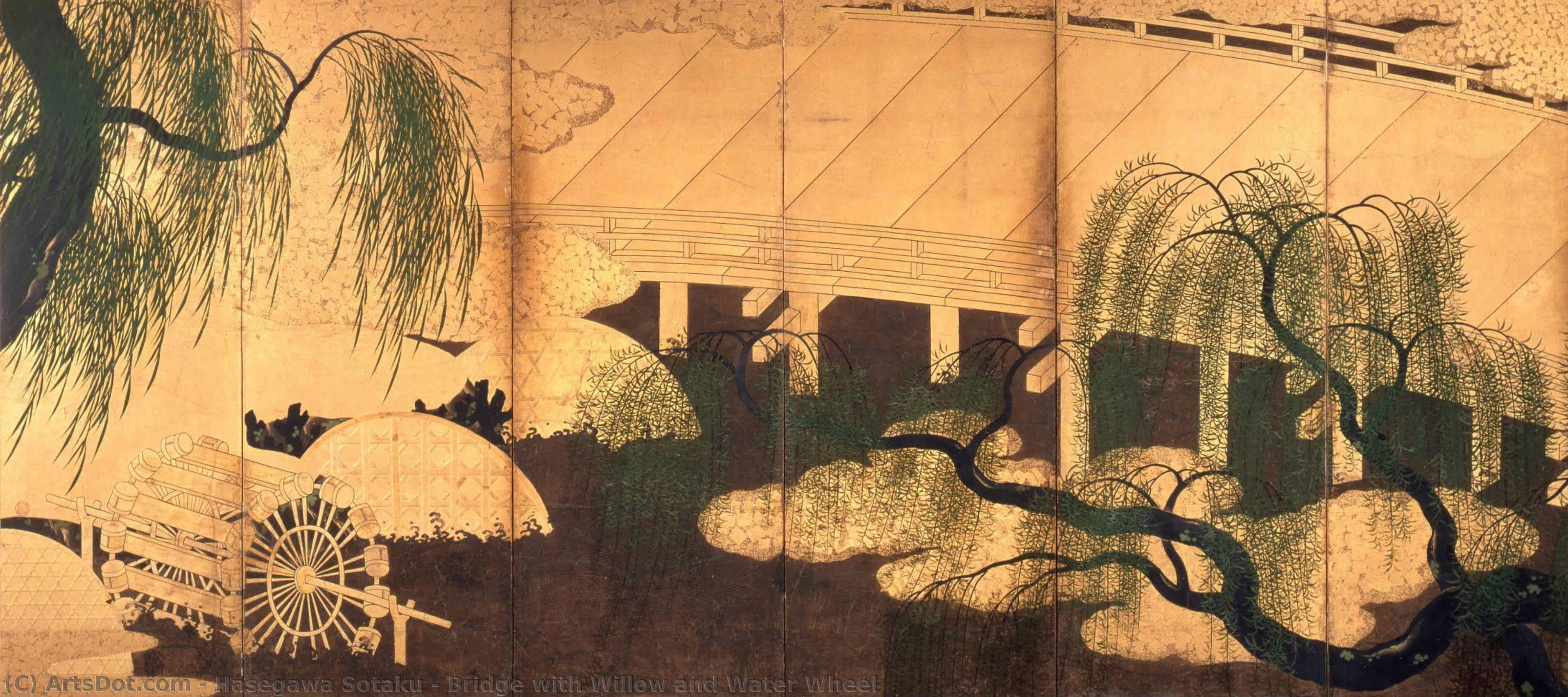
Bridge with Willow and Water Wheel
 144.0 x 325.0 cm
 Читать далее
Приобретите цифровое изображение высокого разрешения в улучшенном качестве, которое значительно превосходит онлайн-превью.
Каждый файл тщательно подготавливается нашими специалистами с использованием передовых инструментов и экспертной ручной ретуши. Мы гарантируем исключительную четкость, точную цветопередачу и детальную проработку каждого изображения.
Финальный файл доставляется по электронной почте в течение 72 часов и оптимизирован для немедленного использования в профессиональной среде, при верстке и печати. Это тот же уровень качества, которому доверяют ведущие дизайнерские студии, издательства и галереи.
Цифровое изображение
Скачайте файл высокого разрешения для личного использования, печати и творческих проектов. ( Перейти к печати Купить картину ручной работы)
Включено в каждый заказ цифровых изображений
Гарантия экспертной цифровой доставки
Выбирая ArtsDot.com, вы получаете не просто изображение — вы приобретаете профессионально обработанное цифровое произведение искусства, созданное с безупречной точностью и под защитой гарантии качества. Вот всё, что автоматически входит в ваш заказ:

Мгновенная доставка по e-mail
Ваш цифровой файл в высоком разрешении будет отправлен вам по электронной почте в течение 72 часов после оформления заказа — и сразу станет доступен для использования.

Цифровой файл с ИИ-улучшением
Ваше произведение искусства проходит профессиональную оптимизацию с использованием передовых инструментов ИИ и ручной обработки, что гарантирует максимальную детализацию, четкость и точность цветопередачи.

Бессрочная бесплатная повторная доставка
Случайно удалили или потеряли файл? Не беспокойтесь — мы отправим его вам повторно в любое время и совершенно бесплатно.

Без импортных пошлин — навсегда
Наслаждайтесь вашим произведением искусства мгновенно без таможенных пошлин, сборов или затрат на доставку — цифровые загрузки всегда не облагаются налогом.

Гарантия точности цветопередачи
Мы гарантируем, что ваше цифровое изображение максимально точно передает оригинальные цвета благодаря использованию профессиональных инструментов и систем управления цветом.

Гарантия удовлетворенности 100 дней
Если вы не будете удовлетворены своим цифровым изображением, мы внесем правки или вернем 100% стоимости в течение 100 дней — без лишних вопросов.

100% Гарантия возврата средств
Не удовлетворены покупкой? Получите полный возврат средств в течение 100 дней после получения цифрового файла — без лишних вопросов.

Скидки на оптовые заказы
Купите 3 изображения, сэкономьте 10% — Купите 5, сэкономьте 15% — Купите 10+, сэкономьте 20%. Отличное решение для творческих проектов, галерей и агентств.
Похожие произведения




Биография художника
hasegawa sotaku: A Pioneer of Monochrome Landscape Painting
hasegawa sotaku (長谷川 等伯; 1539 – March 19, 1610) stands as one of Japan’s most revered painters of the Azuchi–Momoyama period (1574–1603), a pivotal era marked by unification and artistic innovation. Born Okumura Tōhaku in Nanau Province (present-day Ishikawa Prefecture), his early life was steeped in the traditions of cloth dyeing, yet he swiftly ascended to prominence as a master of *suiboku-ga*, or monochrome ink painting—a style that would define his legacy and profoundly influence subsequent generations of artists. His artistic journey began with Buddhist commissions in Noto Province, honing his skills under Sesshū, a towering figure of the Kanō school who championed simplicity and profound observation of nature. This formative experience instilled in Tōhaku a dedication to capturing the essence of landscapes through subtle tonal variations—a technique that would become synonymous with his distinctive aesthetic.- Early Influences: Sesshū’s teachings on Zen Buddhism and the Kanō school's emphasis on naturalism served as bedrock for Tōhaku’s artistic vision.
- Notable Commissions: He undertook significant projects for influential patrons like Toyotomi Hideyoshi and Tokugawa Ieyasu, demonstrating his versatility and securing his place in history as a court artist of considerable stature.
- Signature Style: Tōhaku's hallmark was the masterful manipulation of ink tones—a technique that allowed him to convey atmospheric depth and emotional resonance with remarkable precision.
The Hasegawa School and Artistic Innovation
Tōhaku established the Hasegawa school around 1589, marking a crucial moment in Japanese art history. Unlike many of his contemporaries who favored opulent color palettes, Tōhaku championed *kotan*, or “elegant simplicity,” prioritizing refined brushwork and understated beauty—a stylistic departure that distinguished him from the prevailing trends of the time. This school’s focus on capturing the spirit of nature through monochrome ink painting solidified its position as a cornerstone of Japanese artistic tradition. The Hasegawa School's influence extended beyond Tōhaku himself, shaping the sensibilities of his successors and ensuring the continuation of this distinctive style for decades to come.- Emphasis on Minimalism: The Hasegawa school’s commitment to *kotan* contrasted sharply with the lavish ornamentation favored by other artists, establishing a new aesthetic standard.
- Transmission of Technique: Tōhaku diligently instructed his disciples in the intricacies of ink painting—passing down invaluable knowledge and fostering a lineage of artistic excellence.
- Legacy Beyond Style: The Hasegawa school’s philosophical underpinning—a reverence for natural beauty and contemplation—resonated deeply within Japanese culture, shaping artistic expression for centuries afterward.
Iconic Landscapes and Symbolism
Tōhaku's oeuvre comprises numerous breathtaking landscapes rendered in exquisite monochrome ink, each imbued with profound symbolic meaning. Among his most celebrated works are “Picture of Pine Trees” (Shurin-zu byōbu), “Portrait of Nawa Nagatoshi,” and “Landscape with Flowering Plants,” which exemplify the Hasegawa school’s artistic principles. These paintings aren't merely depictions of scenery; they represent meditations on themes of impermanence, harmony, and spiritual enlightenment—reflecting the Zen Buddhist worldview that profoundly influenced Tōhaku’s creative process. The careful arrangement of elements—such as pine trees, rocks, and water—served as visual metaphors for conveying complex philosophical ideas.- Pine Trees: Represent longevity and resilience, symbolizing enduring virtue and spiritual fortitude.
- Rocks: Symbolize stability and permanence, grounding the viewer in a sense of timelessness.
- Water: Represents fluidity and change—a reminder that all things are transient yet interconnected.
Major Achievements and Recognition
hasegawa sotaku’s artistic accomplishments earned him unparalleled acclaim during his lifetime and cemented his status as a national treasure upon his death in 1610. His paintings—particularly “Landscape with Flowering Plants” and “Portrait of Nawa Nagatoshi”—are revered for their technical mastery, compositional elegance, and profound emotional depth. Furthermore, he established the Hasegawa school, which continued to produce exceptional artists for generations, ensuring the preservation and dissemination of his distinctive style. Today, Tōhaku’s legacy persists as a testament to the transformative power of artistic vision—inspiring artists and scholars alike to explore the enduring beauty of Japanese landscape painting. His work remains an exemplar of Zen aesthetics and continues to captivate audiences worldwide.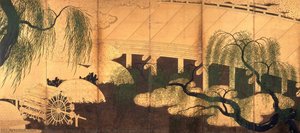
hasegawa sotaku
Japan
Основные сведения
- Artistic Movement Or Style: Kanō School
- Artists Or Movements Influenced By This Artist:
- Toyotomi Hideyoshi
- Tokugawa Ieyasu
- Artists Who Influenced This Artist: ['Sesshū']
- Date Of Birth: 1539
- Full Name: Hasegawa Tōhaku
- Nationality: Japanese
- Notable Artworks:
- Pine Tree and Flowering Plants
- Portrait of Nawa Nagatoshi
- Place Of Birth: Nanao, Ishikawa Prefecture